






































%20and%20Batch%20Production%20Records%20(BPR).png)
















Are these 10 TikTok dental hacks harming your patients?
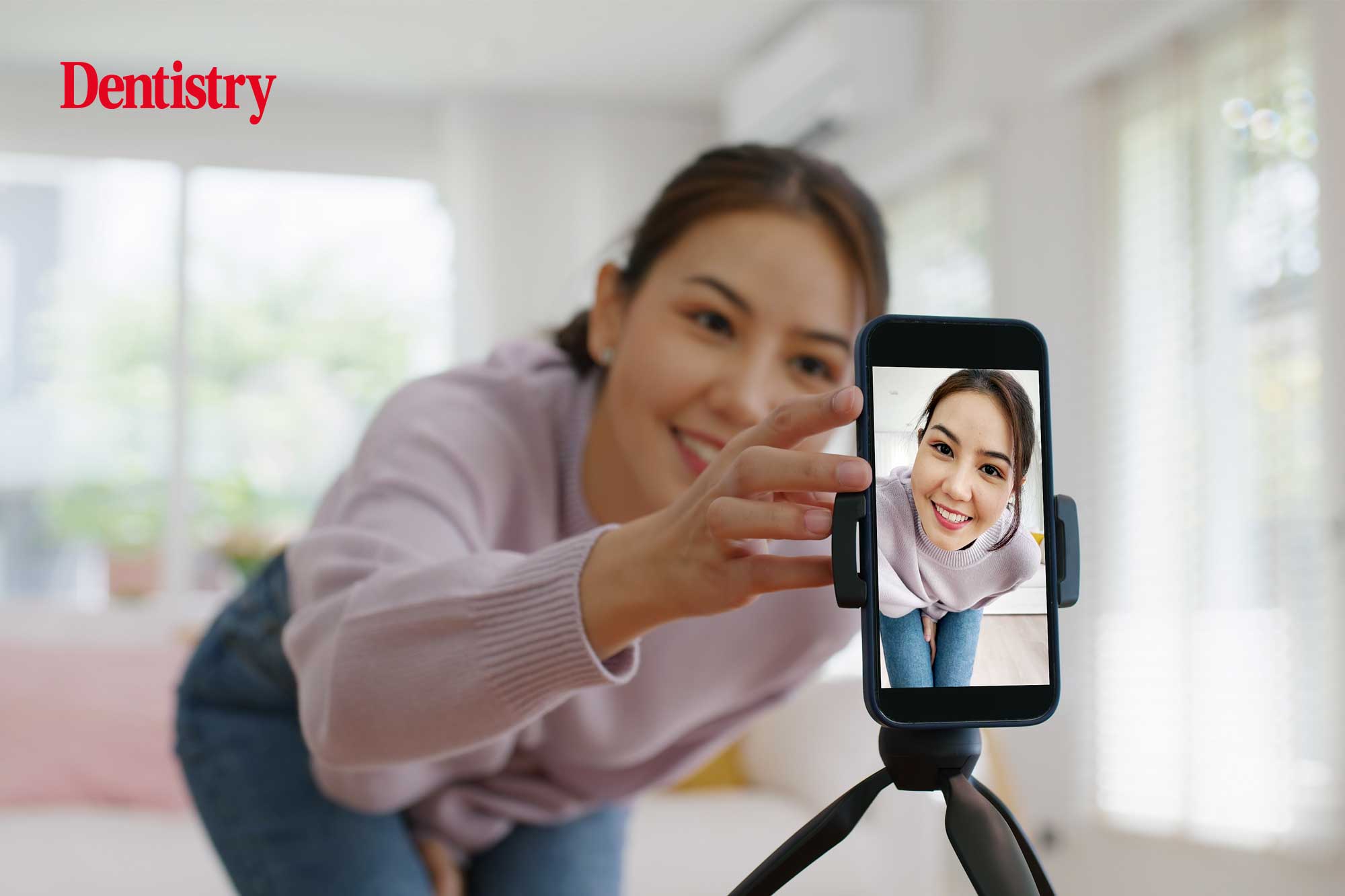
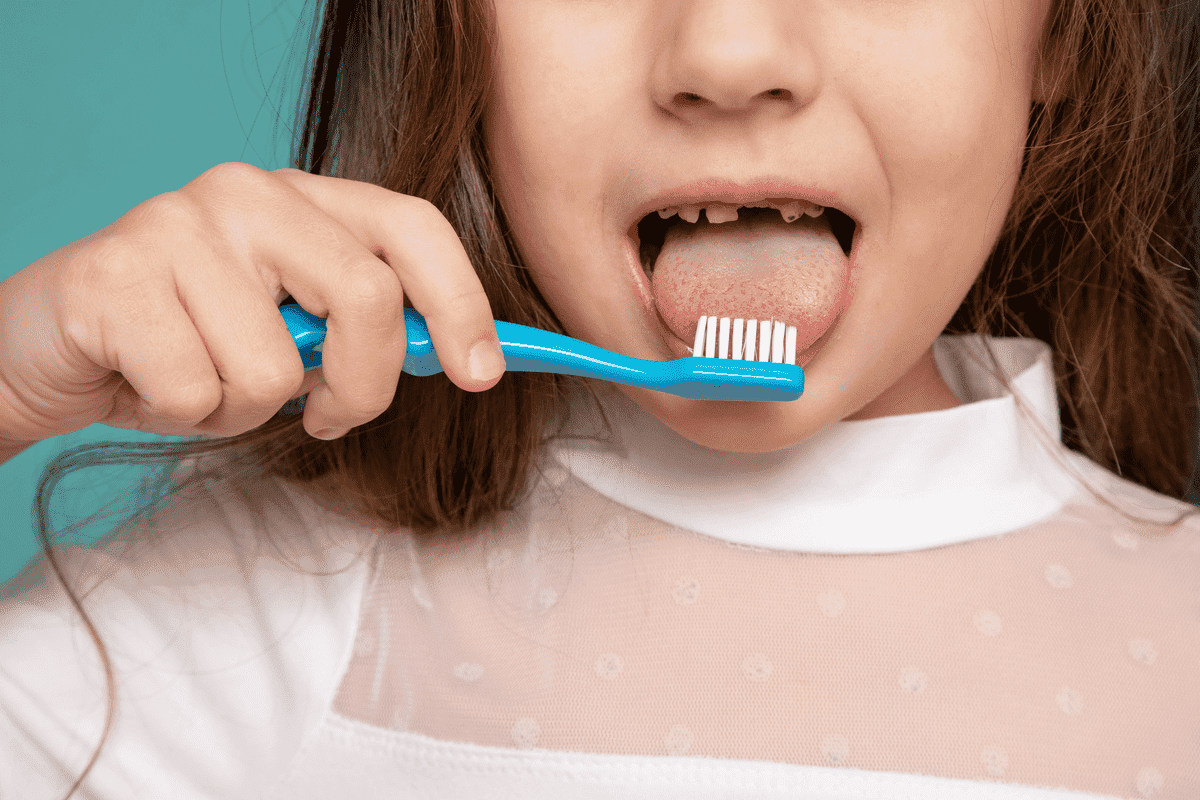
The viral dental hacks dominating TikTok may look harmless, but dentist Andrey Ilyabayev warns that they could lead to permanent damage. He shares 10 trends that dental professionals should be warning patients against.
From wrapping rubber bands around teeth to close gaps to filing down enamel with a nail file, TikTok’s dental ‘hacks’ have racked up over 43 million combined views across the top 10 trends alone, and dentists are seeing the fallout firsthand.
Searches for ‘TikTok dental trends’ have soared by 1,205% over the past five years, and those for ‘what are turkey teeth implants’ are up 250% in the last three months alone.
Andrey Ilyabayev, a cosmetic dentist at Bayside Dental Arts, sees the aftermath of these trends in his chair. This can range from nerve damage to extractions and enamel that can never be restored.
So which viral dental trends are racking up the most views and which ones actually warrant a warning to patients?
1. Turkey teeth
The term ‘Turkey teeth’ is slang for cheap, aggressive crown and veneer procedures undertaken via dental tourism. The majority of dentists in each country will be practising in a competent and ethical manner, but there are always exceptions. Concern arises when healthy teeth are filed down to stumps to fit crowns, causing very real and permanent damage. Over-filed teeth, infections, nerve death, and even documented deaths abroad have resulted from cut-rate procedures.
Dr Ilyabayev said: ‘Veneers done properly entail the removal of very little of the enamel. A crown procedure entails the filing away of a good amount of natural teeth, and they are not recoverable. Problems like nerve damage and infection often crop up only after the patient returns home and out of the reach of the original treating clinic.’
2. Bleach teeth
This trend involves applying raw, undiluted hydrogen peroxide directly to teeth with a cotton swab, often far above the concentration allowed in legal, over-the-counter whitening products. Patients who attempt this may suffer from gum irritation, chemical burns, enamel demineralisation, and nerve damage if it seeps into cracks.
3. Fashion braces
Decorative, non-functional wires and brackets glued to teeth purely for a ‘braces look’ are being sold as DIY kits online. The major concern here is that the hardware could contain toxic metals like cadmium and lead.
Dr Ilyabayev warned: ‘Fashion braces have permeated the K-pop aesthetic style and TikTok platform as an entirely visual trend where brightly coloured brackets and wires replicate orthodontics without any actual orthodontic use. The brackets are affixed using glue that is not intended for oral use. Should the bracket come loose, there is a risk of choking. The unregulated wires cause cheek and gum irritation and pressure sores on the teeth wherever the appliance lands.’
4. Basement braces
People seeking real orthodontic-style results may attempt to avoid the cost of professional braces by turning to unlicensed, unqualified individuals working out of homes. This is a public-safety issue distinct from ordinary DIY trends: it’s the unlicensed practice of dentistry.
Dr Ilyabayev said: ‘The biggest difference between basement braces and fashion braces is that there is actually a need in the former. Some people want to fix spacing or overcrowding but don’t want to invest in professional care, so they opt for DIY methods like twisted wire, paper clips, rubber bands, or 3D printing from files found on file-sharing websites.
‘Moving a tooth within the jaw is a biological process that needs to be monitored and controlled. There is no signal when it starts to move incorrectly until the tooth is even more incorrectly positioned. The uncontrolled force leads to the resorption of roots and loose teeth with permanent damage to the bone.’
5. Shein veneers
Ultra-cheap fashion brand Shein is selling off-the-shelf press-on plastic veneers to be worn as a costume or novelty over natural teeth. These are undoubtedly a lower risk than the other trends on this list as they are not glued or permanent. However, a poor fit can still affect bite and trap bacteria against real teeth with extended wear.
6. Hair flossing
Hair flossing refers to using strands of one’s own hair in place of dental floss. This can cause irreversible gum damage, since hair can shred and lodge below the gumline in a way that floss designed for the task does not.
7. DIY teeth filing
This is exactly as it sounds – using a nail file to shave down or reshape tooth enamel at home for a smoother or straighter look. As enamel doesn’t regenerate once removed, it can lead to permanent sensitivity and higher decay risk.
Even light filing, Dr Ilyabayev said, leaves the possibility that the enamel can be damaged or the underlying dentin exposed. He added: ‘Enamel reshaping and contouring are performed in increments of a millimetre or less. There is no such precision in using a nail file.’
8. Gum-maxxing
Part of the broader ‘looksmaxxing‘ trend, gum-maxxing involves chewing branded ‘facial gum’ or tough gum repeatedly to try to sharpen or build the jawline. Jaw-reshaping claims aren’t scientifically supported, and hard, prolonged chewing can cause tooth fractures and TMJ strain.
9. Tooth polish
Some people on TikTok are applying branded tooth-coating products that create a nail-polish-like painted effect on teeth. This is marketed as instant, temporary ‘makeup for your teeth’. Dr Ilyabayev flagged that the coatings are largely unregulated with no independent clinical testing, and can mask underlying discolouration that may signal a real dental issue.
10. Rubber band teeth
This trend involves people wrapping rubber bands or hair elastics around their teeth to close gaps or shift alignment without braces. Dr Ilyabayev warned that the band can slip below the gumline, cutting into the gum and pulling the tooth out of its socket entirely – a well-documented cause of A&E visits and tooth loss.
He commented: ‘The logic is innocuous enough. Wrap a rubber band around two teeth, gently press on them, and create space. What makes this problematic is the fact that rubber bands have a tendency to move. A rubber band can slip beneath the gum line, circle the root of the tooth, and cut off its blood supply, leading to total tooth loss, a pattern of injury that is well-documented.’
Dr Ilyabayev also noted that not every trend on this list carries equal risk. He continued: ‘Cheap press-on veneers carry meaningfully lower risk than the structural trends here, but they’re not risk-free. Poor fit from off-the-shelf sizing can still trap bacteria against teeth and irritate gums with even occasional wear.
Basement braces, Turkey Teeth, and rubber bands use the patient’s real teeth and cause irreversible damage to the structure of their mouth. Irreversibility is a key element that connects the more dangerous side of this list together. Once the gums, enamel, roots, or nerves are damaged, they will never return to their original state.’
Follow Dentistry.co.uk on Instagram to keep up with all the latest dental news and trends.
Apa Reaksi Anda?
 Suka
0
Suka
0
 Kurang Suka
0
Kurang Suka
0
 Setuju
0
Setuju
0
 Tidak Setuju
0
Tidak Setuju
0
 Bagus
0
Bagus
0
 Berguna
0
Berguna
0
 Hebat
0
Hebat
0