














































Beyond Outsourcing: Building Better CDMO Partnerships

Sponsored content brought to you by

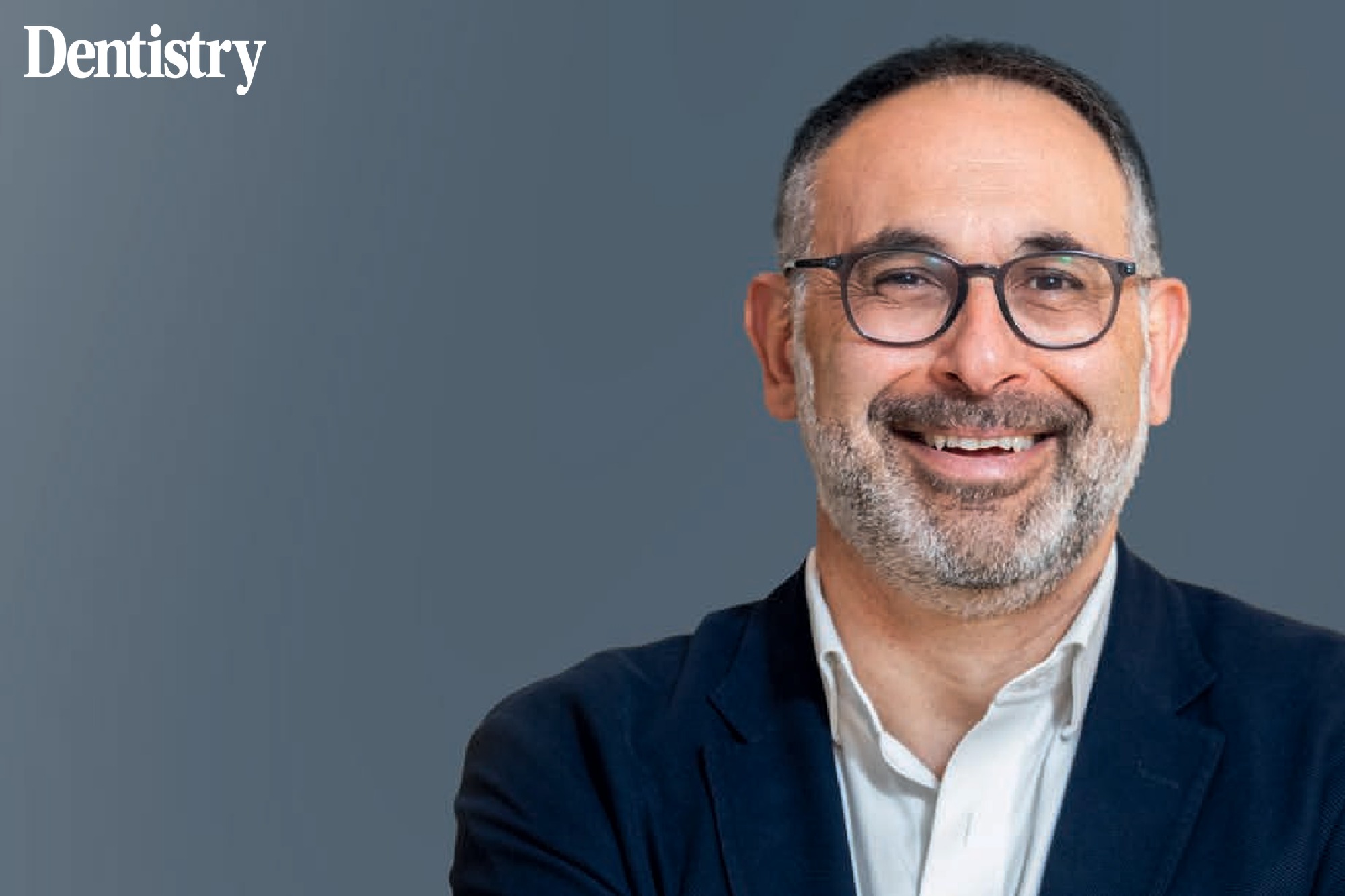
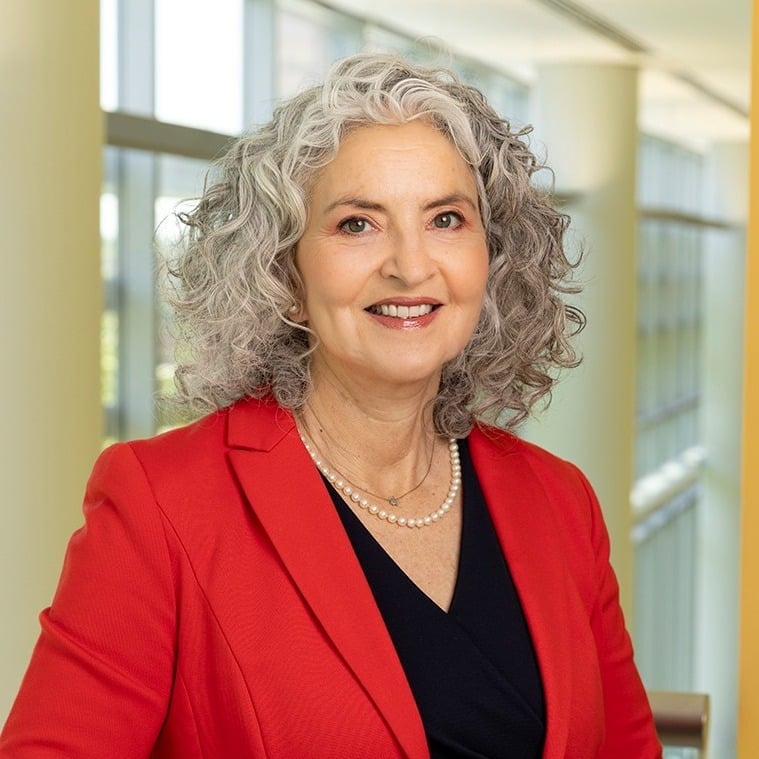
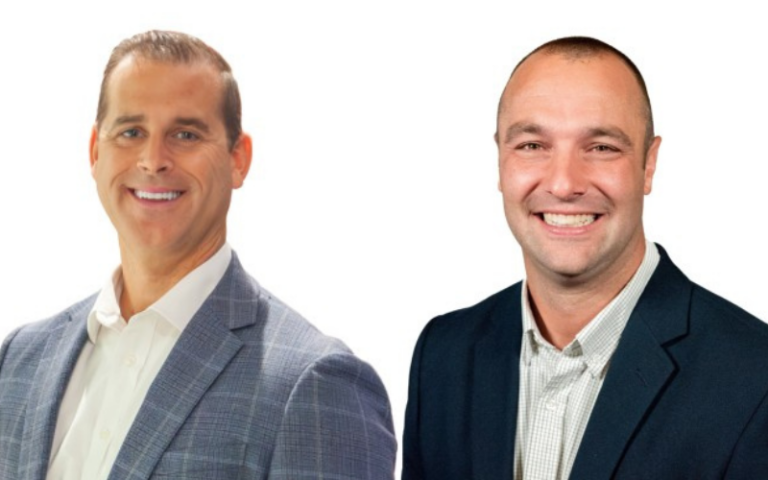
For decades, biopharma outsourcing often followed a relatively simple script: a sponsor developed a process, handed it to a contract manufacturer, and expected the work to be carried out to specification. David Enloe, CEO of Rose BioSolutions, believes that model is becoming obsolete—especially for complex cell and gene therapies.

CEO, Rose BioSolutions
As Enloe takes the helm at Rose, he is pushing for a relationship in which the contract development and manufacturing organization (CDMO) functions less like a vendor and more like an extension of the sponsor’s team. “We’re in the promise-making business,” he said, describing commitments that extend beyond clients to patients and their families.
That mindset changes what a CDMO must bring to the table. Manufacturing capacity still matters, but scientific leadership, regulatory expertise, quality knowledge, and program management increasingly help determine whether a program can move efficiently toward the clinic. Enloe sees this as part of a broader evolution in outsourcing, with development and manufacturing becoming more tightly intertwined.
That is particularly true in advanced therapies, where one program can differ dramatically from the next. Enloe contrasts the emerging model with an earlier era in which manufacturers were often expected primarily to execute a sponsor’s established process. For technically demanding programs, simply following a transferred procedure is no longer enough. Sponsors and CDMOs need to examine risks together, challenge assumptions, and make decisions with the full development path in view.
The value of that collaboration can be greatest early, before a seemingly small decision becomes an expensive obstacle. Rose is investing in scientific, regulatory, quality, and project-management expertise at the front end of client programs. Because a CDMO works across multiple projects, it can bring lessons from prior successes—and failures—to a sponsor that may be advancing only one critical asset.

“It’s always painful to see an innovator make a process change that ultimately requires substantial rework,” Enloe says. Investing more time—and, in some cases, more money—upfront to identify manufacturing and regulatory risks can help avoid costly delays and rework later.
This early involvement also reflects a shift in how drug developers think about manufacturability. Scientists creating a new therapy are rightly focused on whether it can improve patients’ lives, Enloe says. But development teams increasingly need confidence that the therapy can also be made robustly, reproducibly, and at scale. Manufacturing challenges can no longer be kicked down the road.
For Rose, that means giving clients direct access to technical leaders and encouraging unusually open communication. Enloe describes the desired relationship with a simple image: “We’re just 872 miles down the hallway.” Distance should not determine how closely teams work together.
Trust is central to making that model function. Enloe says sponsors today are more willing to share their concerns, constraints, and objectives than they were earlier in his career. That transparency lets both sides hold each other accountable for decisions and timelines—and improves the chances of solving problems before they threaten a program.
Enloe brings personal perspective to that argument. He spent about 15 years on the sponsor side before moving into CDMO leadership. “I’ve been you as long as I’ve been me,” he tells clients. That experience, he adds, makes his “empathy gene overexpress” when he considers the pressures developers face.
Ultimately, the partnership model is meant to serve a larger purpose. A CDMO might work on rare diseases, cancer, migraine, or mental-health treatments in the same span of time. For Enloe, that breadth is a reminder that manufacturing is not simply an operational service. It is part of the path between an idea and a patient—and the strongest partnerships are built around getting that path right together.

To learn more, visit www.rosebiosolutions.com.
The post Beyond Outsourcing: Building Better CDMO Partnerships appeared first on GEN - Genetic Engineering and Biotechnology News.
Apa Reaksi Anda?
 Suka
0
 Kurang Suka
0
 Setuju
0
 Tidak Setuju
0
 Bagus
0
 Berguna
0
 Hebat
0