














































%20and%20Batch%20Production%20Records%20(BPR).png)

















Patient trust: the make or break of treatment acceptance
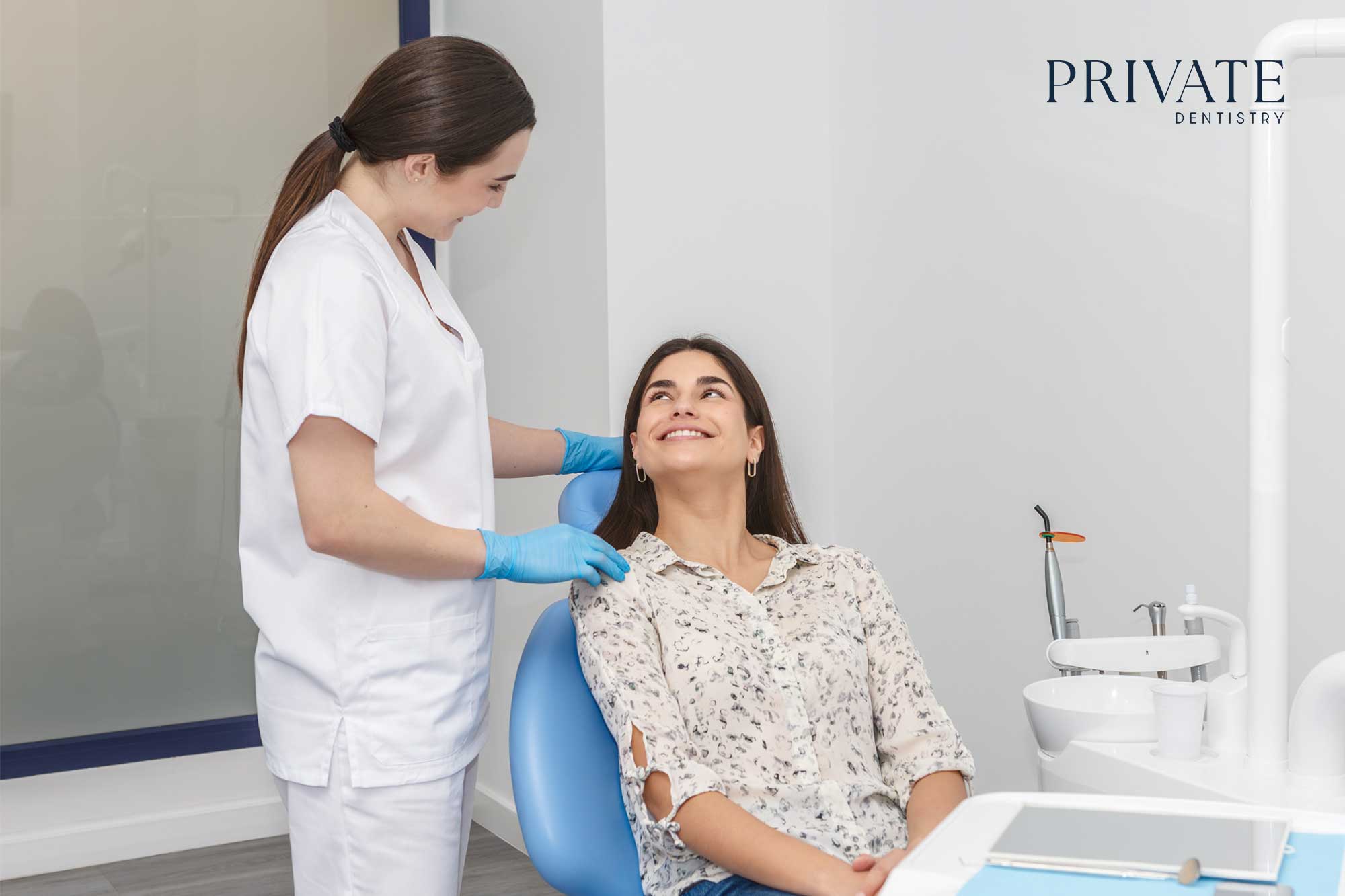
Sarika Shah explores why patient trust is at the heart of every treatment decision, the small behaviours that build or break it, and how dental professionals can strengthen trust through clarity, consistency and empathy.
What do you think is the single most influential factor in every treatment decision a patient makes?
You might think it’s cost, time, fear or clinical logic. But in reality, it’s none of these things – it’s trust.
Without it, even the simplest recommendation can feel like a burden to a patient. With it, the biggest, longest or most complex treatment plans feel achievable, logical and safe.
Yet trust is fragile. It is built slowly and lost quickly. Most importantly, it is created not by what we do, but by how we make patients feel.
If partnership is the foundation of personalised care, trust is the glue that holds it all together.
This article explores how trust is built, what breaks it and how you can nurture it intentionally with every patient, every day.
The psychology of trust in dentistry
For patients, dentistry is a vulnerable space. They can feel in a powerless position. They cannot see what you see. They depend on your expertise without fully understanding it and they often carry past trauma, embarrassment or anxiety.
Trust then becomes their safety net.
It’s important to understand that a patient trusting you isn’t about liking you – it’s about believing in you.
Trust isn’t built through long conversations or perfect appointments, but through consistency in small behaviours or gestures.
Let’s explore some of the most powerful trust-builders.
Transparency, not technicalities
Patients don’t want jargon, they want clarity. Clear, simple explanations create psychological safety:
- What you’re doing
- Why you’re doing it
- What it means for them (long term).
Transparency builds confidence.
Predictability
Uncertainty erodes trust. Predictability – through your manner, your timing, your communication – reassures patients that they are in capable hands. Even saying, ‘Here’s what we’ll do next,’ can make a big difference.
Congruence between words and behaviour
Trust can slip if you say:
- ‘We’ll take it slowly’ but then rush
- ‘You’re in control’ but push ahead.
Patients feel incongruence more than they hear it. Your actions should match your message.
Emotional steadiness
Patients look to you for cues – your emotional state influences theirs:
- Calm creates calm
- Reassurance creates trust
- Presence creates safety.
Self-regulation is not optional; it is a clinical tool.
Respectful honesty
Patients can sense sugar-coating. They value honesty delivered with empathy.
Instead of saying: ‘This looks worse than last time’, which breaks trust, try saying: ‘This area has progressed, I’m glad you’re here so we can address it’, which builds trust. Honesty is not harshness, it’s clarity with kindness.
Follow-through
If you say you’ll refer, review, or call a patient, make sure you do it.
The smallest broken promise can become a big emotional withdrawal in the bank account of trust.
Follow-through equals credibility.
- Safe
- In control
- Informed
- Respected
- Supported
- Hopeful
- Ready to take action.
The thing that breaks trust (often unintentionally)
Trust rarely breaks from one big event. It breaks from small moments of misalignment that patients interpret as dismissive, rushed or disconnected.
Here are common trust-breakers dental professionals overlook:
- Rushing the initial greeting
- Over-explaining without checking understanding
- Ignoring emotional cues
- Appearing distracted or fatigued
- Jumping into solutions too quickly
- Inconsistent messages from the wider team
- Not validating concerns
- Being defensive when questioned
- Making assumptions rather than asking.
Once trust cracks, case acceptance becomes harder, resistance grows, and everything feels more difficult – for you and the patient.
How to repair trust when things feel off
Trust can be rebuilt, but it requires humility and presence.
If you feel trust slipping, try saying:
- ‘I realise I may have moved quickly there – let’s pause for a moment’
- ‘I sense this feels like a lot. Tell me what’s on your mind’
- ‘I want to make sure we’re aligned – here’s what I’m hearing. Is that right?’
Repairing trust is a clinical skill. It shows leadership and it strengthens the relationship.
When patients trust you, appointments run smoother, treatment plans are accepted with more ease, patients engage with their oral health responsibly, and your working day feels lighter and more meaningful
Trust doesn’t just serve the patient, however. It protects your wellbeing, your energy and your happiness in clinical practice.
Follow Dentistry.co.uk on Instagram to keep up with all the latest dental news and trends.
Apa Reaksi Anda?
 Suka
0
Suka
0
 Kurang Suka
0
Kurang Suka
0
 Setuju
0
Setuju
0
 Tidak Setuju
0
Tidak Setuju
0
 Bagus
0
Bagus
0
 Berguna
0
Berguna
0
 Hebat
0
Hebat
0