





































































Single-Cell Multiomics: Phenotypic Plasticity in Colorectal Cancer Metastasis
Panelists:

Mirjana Efremova, PhD
Senior Lecturer
Queen Mary University of London
- Time:
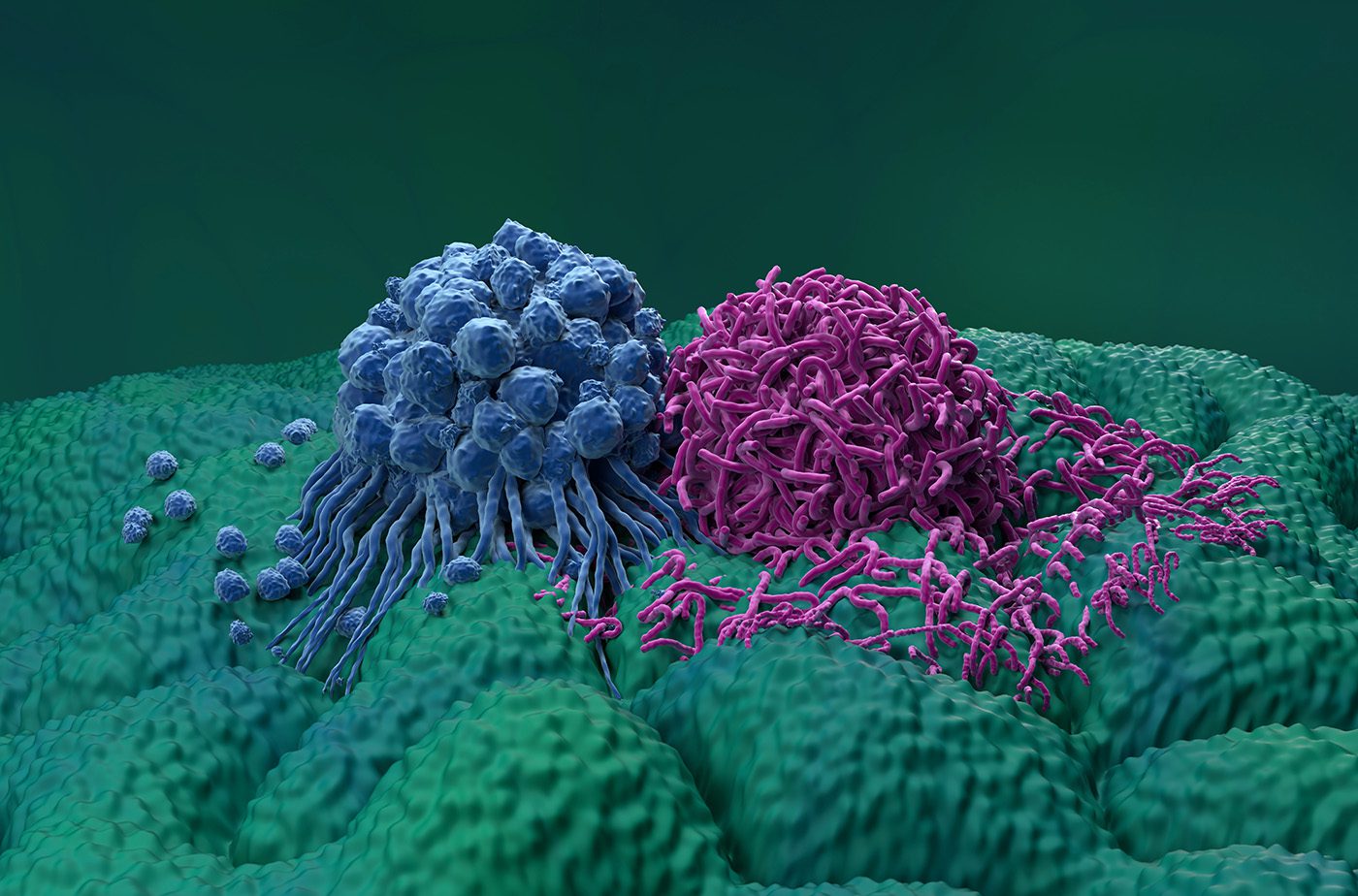
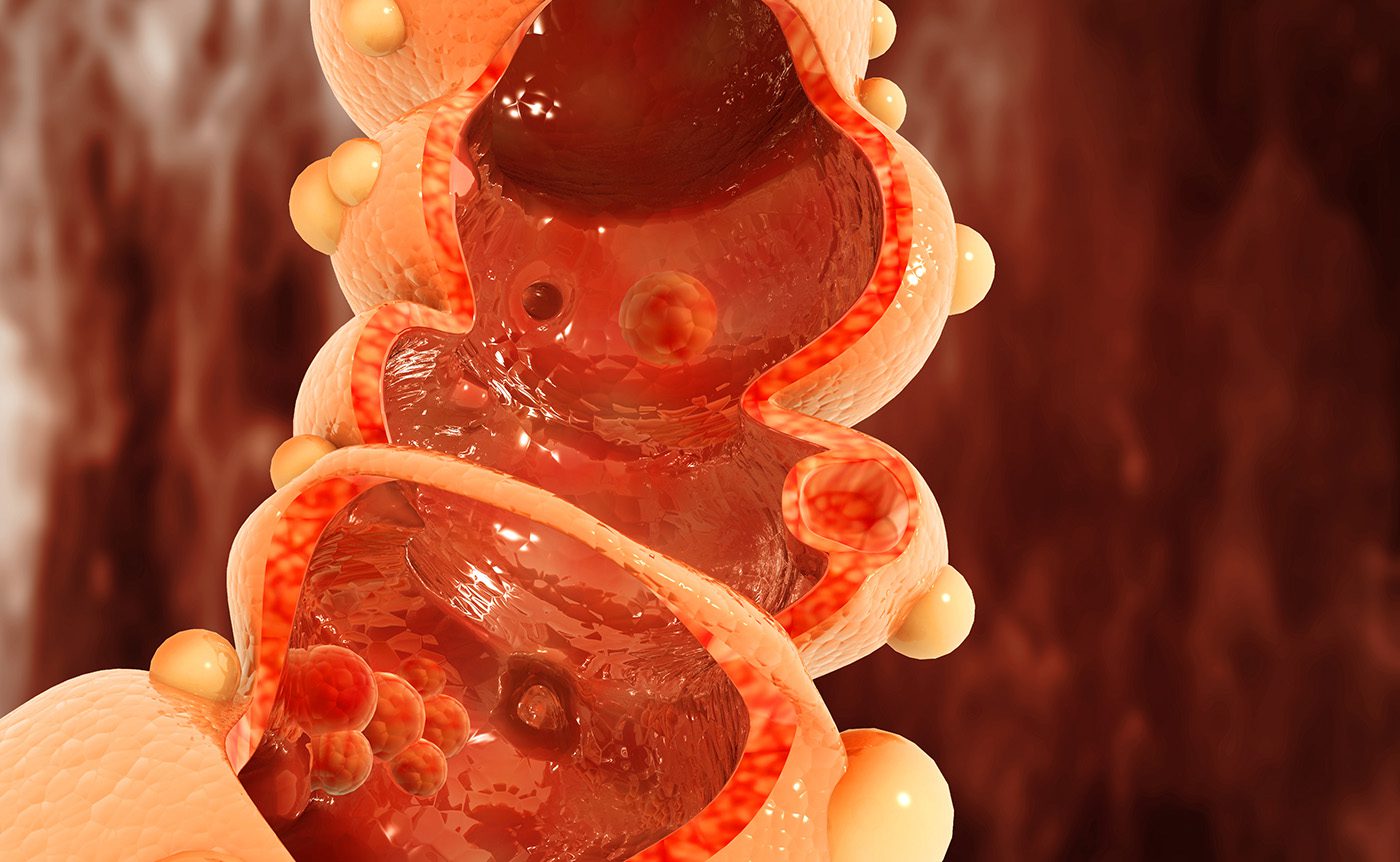
Phenotypic plasticity—the ability of tumor cells to switch states in response to their environment—drives colorectal cancer (CRC) progression, metastasis, and therapy resistance, but what controls it has been unclear. The application of single-cell multiomics and spatial transcriptomics in primary and metastatic tumor samples can reveal regenerative and inflammatory cancer cell states.
In this GEN webinar, Mirjana Efremova, PhD (Queen Mary University of London) will show how these technologies can be used to analyze primary and liver-metastatic CRC patient samples to reveal cancer cell states. These regenerative and inflammatory cancer cell states resemble metastasis-initiating cells in mouse models, are regulated by the transcription factors AP-1 and NF-κB, and sit at the invasive edge in an immunosuppressive niche. Improved understanding of these microenvironment-driven states and their regulators offers researchers new ways to target metastasis.
Webinar attendees will learn more about:
- The regenerative and inflammatory cancer cell states found in primary and metastatic CRC, including a hybrid regenerative/stem state, and how liver metastases re-establish the primary tumor’s heterogeneity;
- Transcriptional regulation of these states as well as signals from fibroblasts, macrophages, and T cells, and where the states sit in the tumor; and
- How to apply single-cell multiomics and spatial transcriptomics to link cell state, regulation, and tissue location, and identify candidate targets to limit plasticity and metastasis.
A live Q&A session will follow the presentation offering you a chance to pose questions to our expert panelists.
Produced with support from:

The post Single-Cell Multiomics: Phenotypic Plasticity in Colorectal Cancer Metastasis appeared first on GEN - Genetic Engineering and Biotechnology News.
Apa Reaksi Anda?
 Suka
0
 Kurang Suka
0
 Setuju
0
 Tidak Setuju
0
 Bagus
0
 Berguna
0
 Hebat
0