






























































Can technology and clinical evidence make skincare more personalised?
What gaps in India’s dermatology and skincare market led to the creation of Puresta, and how does the company plan to build a business at the intersection of healthcare, technology and skincare?
Before building anything, we spoke to around 1,400 women aged 21–30 over several months. One insight came through very clearly: India does not have a shortage of skincare products; it has a shortage of personalised skin-health guidance.
Consumers today are surrounded by ingredients, routines, influencers and product choices, but often have very little clarity on what their skin actually needs. Dermatologists remain the most trusted experts, yet access, continuity and follow-up can be inconsistent. The journey is also fragmented — assessment happens in one place, consultation in another, products are bought somewhere else, and progress is rarely tracked.
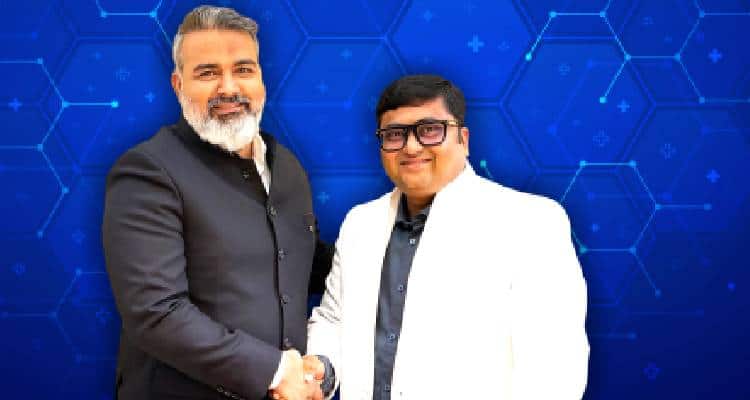
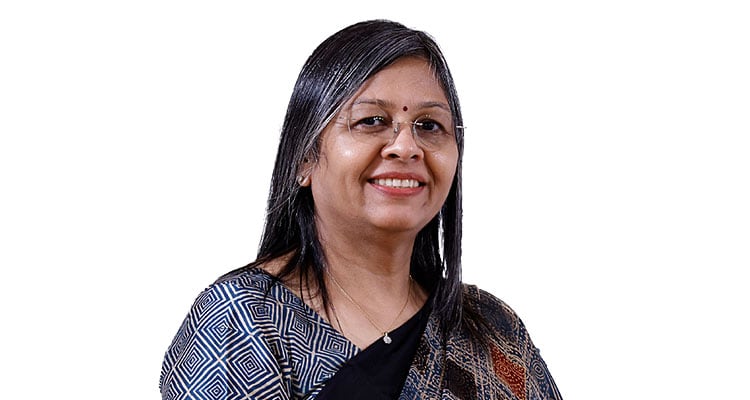
That insight shaped Puresta. Rather than starting with another product brand, we acquired a majority stake in HealthQ Life Sciences, the company behind SKINQ and SKINQ-Rx, founded by dermatologist Dr Chytra V Anand. That gave us a strong clinical and formulation foundation. Around it, we are building EVERQ — our technology and care platform that helps consumers understand their skin, access a dermatologist when required, follow the recommended treatment and track progress over time.
Our ambition is to move skincare from a largely transactional, product-led category towards a more outcome-led skin-health ecosystem — bringing together clinical expertise, technology and evidence-led products.
AI-led skin assessment is emerging as a tool for personalised skincare. How reliable are these systems in identifying skin concerns, and how do you ensure that technology complements rather than substitutes clinical judgement?
We are very clear about one principle: AI should not replace a dermatologist. It should make dermatological care more accessible, personalised and continuous.
Our skin-assessment technology has been tested on more than 10,000 Indian users/patient images and reviewed with expert inputs. This focus on Indian skin matters because skin tone, pigmentation patterns and the way certain concerns present can differ significantly across populations.
Within EVERQ, AI is designed to play three roles. First, assessment — helping a consumer structure and understand a concern through images and relevant questions. Second, care navigation — helping identify when professional medical consultation may be appropriate. Third, longitudinal monitoring — helping track visible changes over time so that follow-ups can be more informed.
Clinical diagnosis and prescription decisions remain with qualified dermatologists. We see AI as the layer that can make the journey more intelligent and efficient, while the dermatologist remains central wherever medical judgement is required.
What role do clinical evidence, formulation science and testing play in developing dermatology-focused skincare products, particularly for concerns such as pigmentation, acne and sensitivity in Indian skin types?
The skincare industry has spent years selling ingredients. We believe the next phase will increasingly be about scientifically supported outcomes.
Concerns such as acne, pigmentation and sensitivity can behave differently across skin tones and environmental conditions. India adds its own realities — heat, humidity, pollution, sun exposure and a wide range of skin tones. Formulations therefore need to be developed and evaluated with the intended consumer in mind.
SKINQ was developed specifically with Indian skin and climate in mind, drawing on Dr Chytra Anand’s more than two decades of clinical experience. Our philosophy is simple: proof should come before promise. We have in-vivo testing on our product portfolio so that claims are supported by evidence generated on real users, rather than relying only on ingredient-level claims.
We also believe skincare needs to become simpler and more purposeful. Consumers should first understand the concern, then use the right intervention for the right duration, and finally measure whether it is working. That is a fundamentally different approach from adding more and more steps to a routine.
With the launch of EVERQ, Puresta is connecting skin assessment, dermatologist consultations, treatment and maintenance skincare. What are the key operational and clinical challenges in integrating these stages into a single care pathway?
The biggest opportunity — and challenge is that the skin-health journey today is highly fragmented. A consumer may discover a concern on social media, self-select a product, consult a dermatologist later, buy a prescription elsewhere and then have no structured follow-up. Each interaction can sit in a different silo.
EVERQ is designed to bring that journey together, but doing that responsibly requires solving three things.
First is clinical independence. Dermatologists must remain free to make the treatment decision they believe is appropriate; the technology should support their judgement, not influence it.
Second is continuity. Many skin concerns require patience and adherence. Consumers need to follow the right treatment for the right duration and know when to come back for a review. Progress tracking, follow-ups and care support can help close that gap.
Third is technology integration — connecting assessment, consultation, treatment recommendations, fulfilment and progress monitoring without making the experience complicated for the consumer.
We are still early in this journey, so our focus is on getting the care pathway right before scaling it aggressively. The goal is not simply to facilitate a consultation; it is to create a continuous relationship around better skin-health outcomes.
How do you see the relationship between dermatologists, pharmaceutical companies and skincare brands evolving as prescription-led treatments, clinically validated formulations and digital health platforms increasingly overlap?
Historically, these have operated in separate lanes. Dermatologists focus on diagnosis and treatment, pharmaceutical companies build prescription products, and consumer skincare brands focus on daily care and maintenance. The consumer is often left to connect these experiences independently.
I believe the next generation of dermatology platforms will bring these ecosystems closer together around the consumer’s journey. Dermatologists will remain at the centre of clinical decision-making. Technology can improve access, continuity and monitoring, while evidence-led OTC and prescription products can support treatment as well as long-term maintenance.
That is the ecosystem we are building at Puresta: EVERQ as the technology and care layer, SKINQ as the consumer skincare portfolio, and SKINQ Rx as the dermatologist-focused prescription portfolio.
The future of dermatology, in my view, is not pharma versus beauty. It is the convergence of healthcare, technology and consumer products — with clinical credibility and patient outcomes at the centre.
What are Puresta’s priorities for scaling its business over the next three to five years, particularly in terms of research and development, technology capabilities, access to dermatology care and building a sustainable business model?
Our priorities over the next three to five years are built around four areas.
First, building an integrated skin-health platform that can support a consumer from the first assessment through consultation, treatment, follow-up and long-term maintenance.
Second, investing deeply in evidence and R&D. We want to build a portfolio of clinically relevant OTC and prescription products where claims are supported by meaningful testing and real-world outcomes.
Third, strengthening our technology and AI capabilities — not just for initial assessment, but increasingly for personalisation, care navigation, progress monitoring and making expert dermatology knowledge easier to access.
Fourth, expanding access to high-quality dermatology care. Digital consultations can reduce geographic friction and make expert guidance available to consumers beyond the largest metros, including tier 1, 2 and 3 India.
From a business perspective, the opportunity is to move from one-time product transactions towards longer-term consumer relationships built around treatment, follow-ups, maintenance and prevention.
Our ambition is not simply to build another large skincare brand. It is to build a trusted skin-health platform that can stay with consumers through different concerns and stages of their lives.
The post Can technology and clinical evidence make skincare more personalised? appeared first on Express Pharma.
Apa Reaksi Anda?
 Suka
0
 Kurang Suka
0
 Setuju
0
 Tidak Setuju
0
 Bagus
0
 Berguna
0
 Hebat
0