


















































%20and%20Batch%20Production%20Records%20(BPR).png)














Why Procrastination Hijacks Your Brain

We have all done it. A report sits unfinished. An email waits days before being sent. A simple task turns into tomorrow’s problem. Procrastination often feels harmless — even normal — but neuroscience shows it has real, measurable effects on how our brains work, how we handle stress, and how productive we can truly be.
Far from being just “bad habits,” repeated delays can reshape mental patterns and quietly erode motivation, focus, and emotional well-being.
The Brain’s Internal Tug-of-War
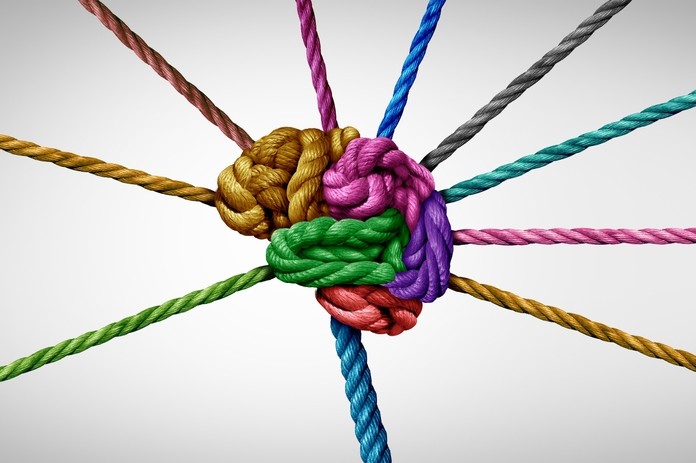
At the center of procrastination is a conflict between two key brain systems.
The prefrontal cortex handles planning, decision-making, and self-control. It helps us focus on long-term goals and resist distractions.
The limbic system manages emotions and prefers immediate comfort. When a task feels difficult or stressful, it pushes us toward avoidance.
If the prefrontal cortex is tired or overwhelmed, emotional avoidance often wins.
Dopamine and the Comfort Trap
Procrastination is closely tied to dopamine, the brain’s reward chemical.
Quick distractions release dopamine and create short-term relief. Over time, the brain learns that avoiding work leads to instant rewards.
This builds a habit loop where comfort is prioritized over effort.
Stress That Builds in the Background
Many people think procrastination reduces stress. Research shows the opposite.
Unfinished tasks keep stress hormones active in the background. Even during “relaxation,” the brain remains tense.
Chronic procrastination is linked to anxiety, poor sleep, and burnout.
Memory, Focus, and Mental Clutter
Delayed tasks remain “open loops” in the brain. This mental clutter consumes working memory and makes focus harder.
As a result, procrastinators often feel mentally overwhelmed.
The Self-Esteem Connection
Repeated delays weaken confidence.
Negative self-talk builds over time, leading to lower self-esteem and higher risk of depression.
The issue is not ability — it is trust in follow-through.
Why Willpower Alone Rarely Works
Procrastination is about emotional regulation, not laziness.
The brain avoids discomfort, not work. Until that discomfort is reduced, motivation remains unstable.
Small steps and time limits help calm emotional resistance.
Rewiring the Procrastination Habit
The brain is adaptable.
Completing small tasks creates dopamine from achievement. Over time, effort becomes associated with reward.
Exercise, sleep, routines, and mindfulness strengthen focus and self-control.
The Bottom Line
Procrastination is not a character flaw. It is a brain-based response to discomfort and stress.
Left unchecked, it increases anxiety, weakens confidence, and reduces focus. With small, consistent changes, these patterns can be reversed.
When you stop procrastinating, you are not just finishing tasks. You are retraining your brain for clarity, resilience, and confidence.
The post Why Procrastination Hijacks Your Brain appeared first on Hospital News.
Apa Reaksi Anda?
 Suka
0
Suka
0
 Kurang Suka
0
Kurang Suka
0
 Setuju
0
Setuju
0
 Tidak Setuju
0
Tidak Setuju
0
 Bagus
0
Bagus
0
 Berguna
0
Berguna
0
 Hebat
0
Hebat
0