









































Glycation & Skin Aging: The Hidden Cause of Wrinkles


Glycation: The Silent Accelerator of Skin Aging
KEY POINTS:
- Glycation: An Inside Skin Aging Process: Glycation is a biochemical process where sugars bind to skin proteins such as collagen and elastin, forming harmful compounds called AGEs that accelerate skin aging.
- How Glycation Damages Skin Structure: Glycation causes collagen and elastin fibers to become stiff, brittle, and less elastic, leading to wrinkles, sagging, and loss of skin resilience.
- Lifestyle Factors Accelerating Glycation: Diet, UV exposure, smoking, and pollution significantly increase glycation in skin, while healthy choices can slow down this aging process.
- Clinically Visible Signs of Glycation: High glycation levels often manifest as yellowish skin, deep wrinkles, loss of elasticity, uneven pigmentation, sensitivity, and slower healing.
- Reducing Glycation for Skin Longevity: Modifying diet, protecting against UV, quitting smoking, supporting internal defense, and using advanced skincare strategies can slow glycation and promote healthier, longer-lasting skin.
Most people think skin aging is about sun exposure, genetics, or skincare.
But there’s a deeper, lesser-known process happening inside your skin every day:
Glycation is a biochemical reaction where sugars bind to proteins like collagen and elastin, forming harmful compounds called Advanced Glycation End Products (AGEs).
Over time, these AGEs:
- Stiffen your collagen
- Reduce elasticity
- Increase inflammation
- Disrupt your skin barrier
- Accelerate visible aging
And here’s the part most people don’t realize:
👉 Your diet & lifestyle choices directly accelerate or slow this process
What Is Glycation (In Simple Terms)?
Think of glycation like “caramelizing your skin from the inside out.”
When sugar molecules attach to proteins:
- Collagen becomes rigid and brittle
- Elastin loses its ability to “bounce back”
- Skin becomes less resilient and more prone to wrinkles
Unlike normal biological processes, glycation is:
⚠️ Non-reversible and cumulative
This means once damage happens, it stays in the skin.
FOR THE SKIN NERDS / PROFESSIONALS
Glycation follows the Maillard reaction pathway, beginning with:
- Schiff base formation
- Amadori product formation
- Conversion into reactive dicarbonyls (MGO, GO, 3-DG)
These intermediates create irreversible cross-links between proteins like collagen and elastin, dramatically altering ECM biomechanics
How Glycation Damages Your Skin
1. Collagen Becomes Stiff and Fragile
Collagen is meant to be strong and flexible.
With glycation:
- Fibers become cross-linked and rigid
- Collagen resists normal breakdown and renewal
- Skin loses its ability to “snap back”
👉 Result: Wrinkles, sagging, and dullness

2. Elastin Loses Its Bounce
Elastin gives skin its youthful elasticity.
Glycation causes:
- Fragmentation of elastin fibers
- Loss of recoil
- Reduced flexibility
👉 Result: Crepey skin and laxity
3. Chronic Inflammation Is Triggered
AGEs bind to receptors called RAGE, activating:
- NF-κB
- MAPK pathways
- Pro-inflammatory cytokines (IL-1, IL-6, TNF-α)
👉 Result: Inflammaging (chronic low-grade inflammation that accelerates aging)
4. Skin Barrier Weakens
Glycation disrupts lipid production by:
- Reducing ceramide synthesis
- Altering pH
- Increasing transepidermal water loss
👉 Result: Dry, reactive, sensitive skin
5. Pigmentation Becomes Uneven
Glycation stimulates melanocytes through:
- Increased tyrosinase activity
- Upregulation of melanogenesis pathways
👉 Result: Hyperpigmentation and uneven tone
FOR PROFESSIONALS
AGE–RAGE signaling induces:
- NADPH oxidase → ROS generation
- Increased MMP expression (MMP-1, 2, 9)
- Reduced ECM synthesis
- Fibroblast dysfunction
Additionally:
- Glycated collagen becomes resistant to proteolysis
- Mechanical deformation properties can decline by up to 80% in extreme cases
Lifestyle Factors That Accelerate Glycation
1. Diet: The Biggest Driver
Certain foods are glycation bombs:
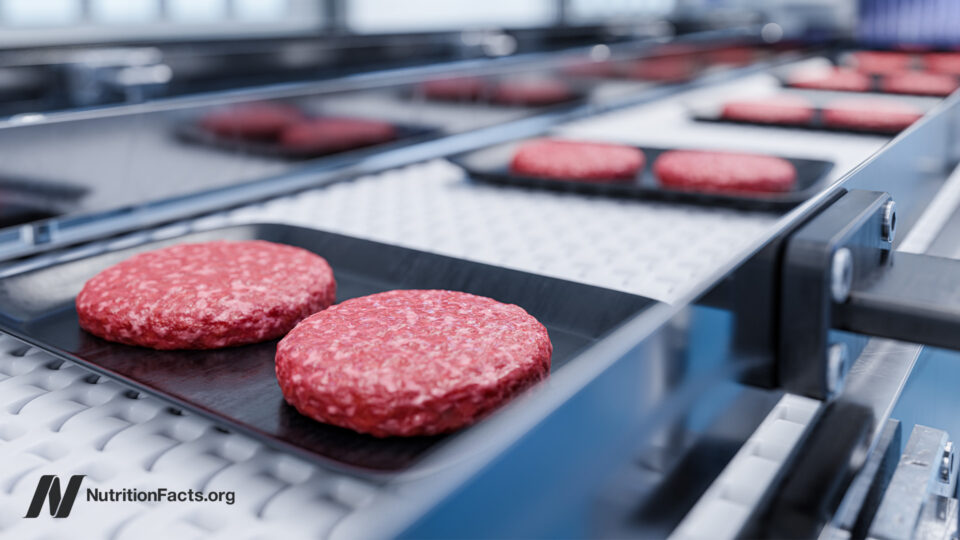
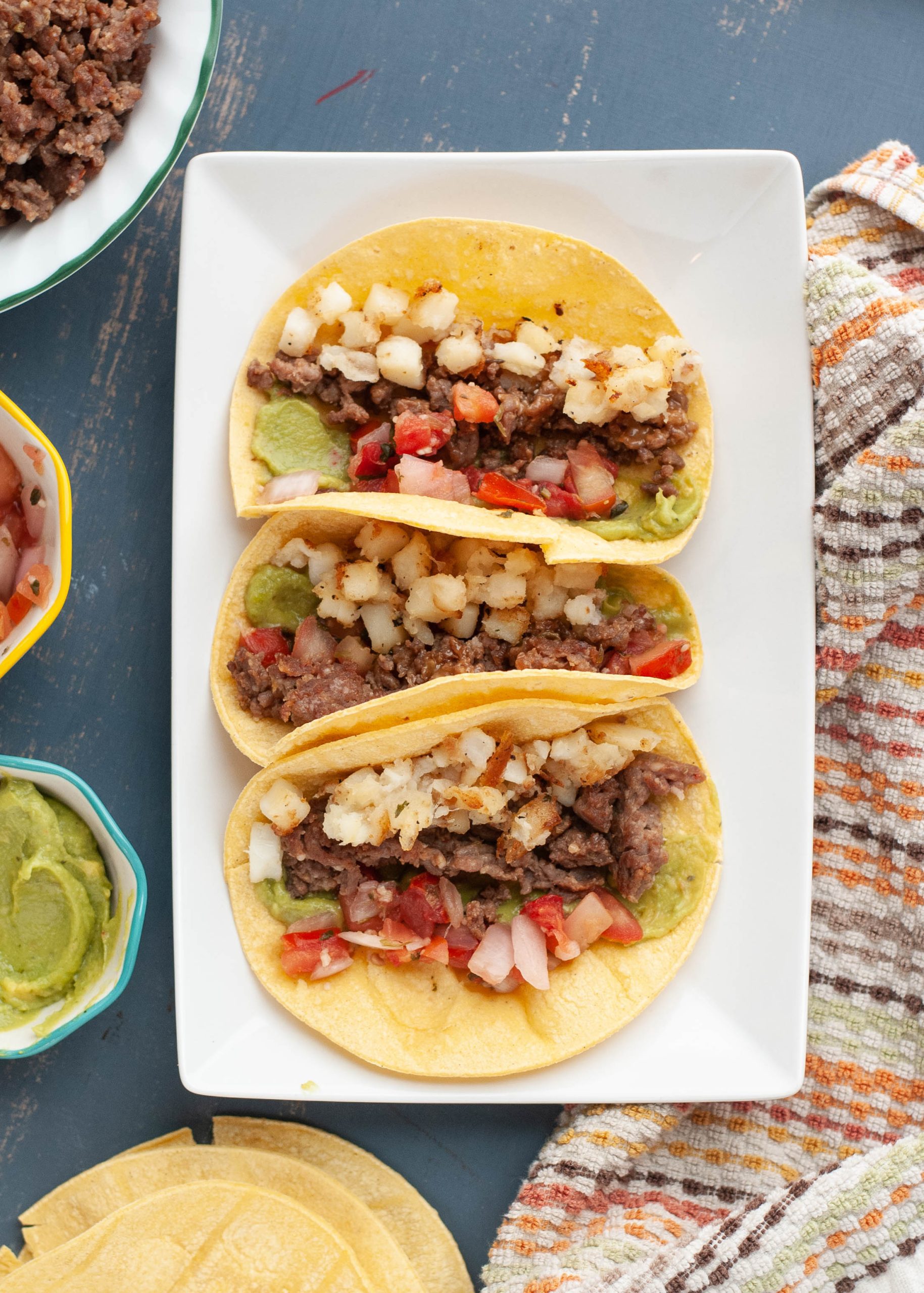
- Grilled meats
- Fried foods
- Processed snacks
- High sugar diets
These contain dietary AGEs (dAGEs), which:
- Are absorbed into the body
- Deposit directly into skin
- Cross-link collagen
👉 Up to 67% of absorbed AGEs remain in the body
2. UV Exposure
Sun exposure accelerates glycation by:
- Increasing oxidative stress
- Generating reactive carbonyl species
- Enhancing AGE accumulation
👉 Sun-exposed skin shows higher AGE levels than protected skin
3. Smoking
Smoking introduces reactive carbonyl compounds that:
- Directly glycate proteins
- Increase oxidative stress
- Reduce antioxidant defenses
👉 Smokers consistently show higher AGE levels in skin
4. Pollution
Air pollution:
- Increases ROS
- Promotes glycation in fibroblasts
- Accelerates collagen damage
What Glycation Looks Like Clinically
Patients with high glycation often present with:
- Yellow or sallow skin tone
- Deep, fixed wrinkles
- Loss of elasticity
- Uneven pigmentation
- Increased sensitivity
- Slower healing
Histologically, you’ll see:
- Fibrosis
- Elastosis
- Increased RAGE expression
- Glycated collagen accumulation
How to Reduce Glycation (The Skin Longevity Approach)
1. Modify Your Diet
Shift toward:
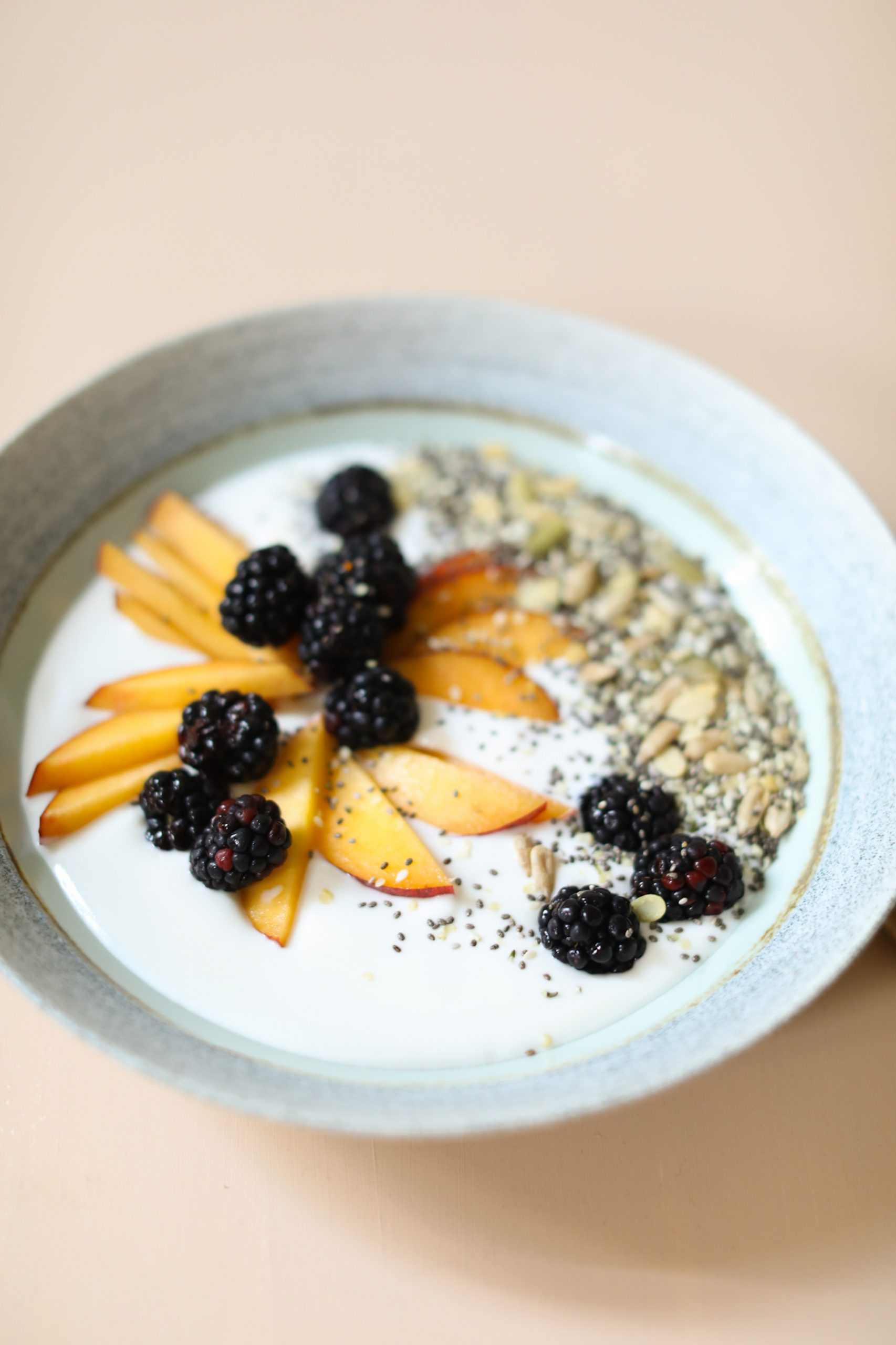
✔ Whole, minimally processed foods
✔ Plant-rich diets (polyphenols, antioxidants)
✔ Lower cooking temperatures (steam, boil vs grill)
Avoid:
❌ Processed foods
❌ High sugar intake
❌ High-heat cooking methods
2. Protect Against UV
- Reduces oxidative stress
- Prevents glycooxidation
- Protects collagen
3. Stop Smoking
One of the fastest ways to:
- Reduce AGE formation
- Improve skin quality
- Restore antioxidant capacity
4. Support Internal Defense Systems
Your body has natural anti-glycation systems:
- Glyoxalase pathway
- Antioxidant systems
- Protein repair mechanisms
Support them with:
- Antioxidant-rich nutrition
- Lifestyle balance
- Reduced oxidative stress
FOR PROFESSIONALS: Advanced Strategies
- Target glyoxalase system support (GSH-dependent pathways)
- Use polyphenols (e.g., rosmarinic acid) to inhibit AGE formation
- Integrate low-AGE dietary protocols
- Combine with device-based collagen remodeling to counter ECM rigidity
Glycation and the 12 Pillars of Skin Longevity
Glycation is not isolated — it connects to multiple pillars:
- Oxidative Stress → drives glycooxidation
- Collagen Remodeling → impaired by cross-linking
- Inflammation Control → amplified via RAGE
- Cellular Senescence → accelerated by AGEs
- Pigmentation Regulation → disrupted
👉 This is why glycation is one of the most important but overlooked pillars of skin aging
The Bottom Line

Glycation is:
✔ Invisible at first
✔ Driven by lifestyle
✔ Cumulative and irreversible
✔ Deeply connected to skin aging
But here’s the opportunity:
👉 It’s one of the most modifiable drivers of aging
When you control glycation, you’re not just improving skin…
You’re improving overall longevity biology.
About the Author
Marie Bertrand is a skin longevity expert, microbiologist, and founder of SkinScience, a leading medical aesthetics clinic in Calgary. With over 19 years of clinical experience, she specializes in advanced skin treatments, ingredient science, and personalized skin health strategies rooted in evidence-based medicine.
References
(Adapted from the uploaded white paper and supporting literature)
- Advanced Glycation End Products in Skin Aging
- Che et al., 2022
- Danby et al., 2023
- Filippin et al., 2022
- Liu et al., 2023
- Karadag et al., 2023
- Buss et al., 2023
What's Your Reaction?
 Like
0
Like
0
 Dislike
0
Dislike
0
 Agree
0
Agree
0
 Disagree
0
Disagree
0
 Excellent
0
Excellent
0
 Useful
0
Useful
0
 Great
0
Great
0