











































.png?format=1500w#)















Is Aesthetic Medicine Entering Its Tissue Quality Era?




As weight-loss medications, menopause and new research into facial adipose tissue challenge conventional approaches to facial ageing, the aesthetics industry is beginning to look beyond volume replacement. Anita Sandhu, Medical Science Liaison in the Dermaesthetics Division at IBSA UK explores what a more tissue-focused approach could mean for practitioners and the future of aesthetic medicine.
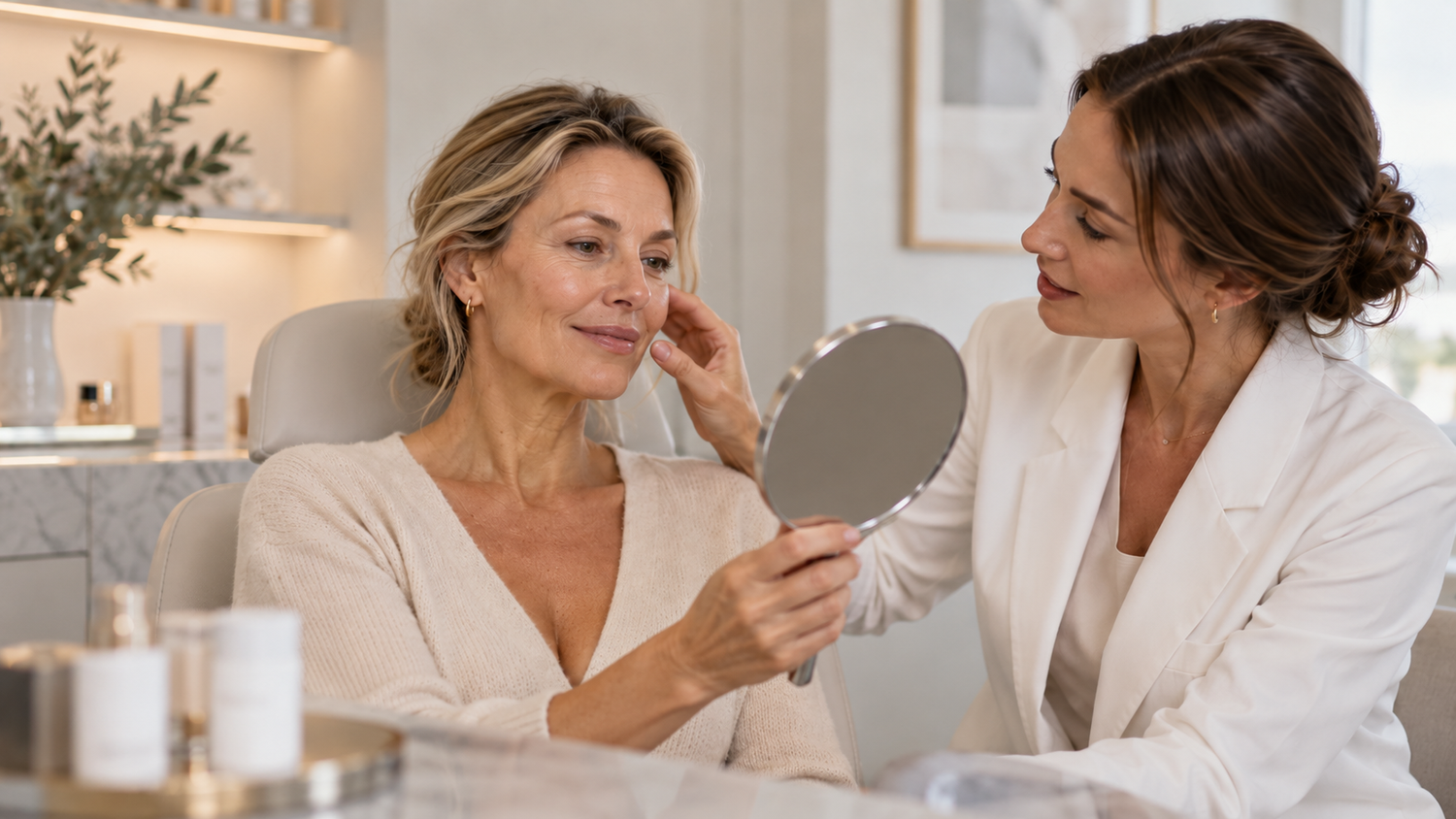
For much of the past two decades, volume restoration has been central to non-surgical facial rejuvenation, with injectable fillers widely used to address hollowing, restore contours and compensate for age-related changes in facial structure. But as understanding of facial anatomy and the biological processes behind ageing develops, a broader conversation is emerging within aesthetic medicine, one that considers the health and behaviour of the underlying tissues rather than concentrating solely on visible volume loss.
The growing use of GLP-1 weight-loss medications has brought facial fat into sharper focus, while increasing awareness of the effects of menopause on skin and soft tissue is encouraging practitioners to consider the wider physiological factors influencing facial appearance. At the same time, research into chronic inflammation, cellular ageing and adipose tissue biology is raising new questions about how aesthetic interventions interact with the structures they are designed to improve.
These developments formed the basis of a recent IBSA UK educational event examining the role of facial adipose tissue, tissue homeostasis and individualised treatment planning. The discussion reflects a wider evolution in aesthetic medicine, where achieving an immediate cosmetic improvement is increasingly being considered alongside the longer-term condition of the tissues themselves. For Anita Sandhu, this represents an important expansion in how practitioners understand and approach facial ageing.
“Yes, I think we are, but I wouldn’t say we’re moving away from volume altogether. It’s more that our thinking is expanding. Volume replacement still has a role, but facial ageing is much more complex than simply replacing something that appears to have been lost.
“Ageing affects the skin, fat compartments, supporting structures and the wider cellular environment of the tissue. We’re looking much more closely at the different tissues of the face and asking, ‘what is actually changing here?’”
Although dermal fillers remain a valuable option for treating certain age-related changes, facial ageing involves multiple anatomical layers, each undergoing different structural and biological processes. Bone remodelling, changes in fat distribution, alterations in the extracellular matrix and declining skin elasticity can all contribute to the appearance of ageing, often occurring simultaneously. Addressing one visible concern without understanding its underlying cause may therefore provide an incomplete approach to treatment.
This evolving understanding is also changing the way practitioners assess patients. Rather than automatically identifying hollowing as an indication for additional volume, a more tissue-focused assessment considers whether the presenting concern is caused by fat loss, tissue descent, skin laxity or a combination of changes. The objective is to identify the appropriate intervention for the individual anatomy rather than relying on a standardised approach to rejuvenation.
Sandhu believes changing patient expectations are helping to drive this development.
“I think the change is being driven from both sides. Patient expectations have evolved, with many people looking for outcomes that feel natural, subtle and maintain their appearance rather than dramatically changing it. At the same time, practitioners are becoming much more tissue-focused in the way we assess and treat the face. We understand the anatomy and biology of ageing better, so we're asking more detailed questions about what is actually changing rather than automatically treating what we see with additional volume.”
Why facial fat is becoming a focus of aesthetic medicine
One of the most significant developments within this conversation is the growing recognition of facial adipose tissue as a complex anatomical structure. Traditionally associated with facial fullness and volume, fat is organised into distinct superficial and deep compartments, which respond differently to the ageing process. Some compartments may decrease in volume, while others can reposition or become more prominent, contributing to changes in facial contours that cannot always be explained by tissue loss alone.
Research into these compartments has demonstrated the importance of understanding their individual characteristics when planning aesthetic treatment. A 2023 computed tomography study involving 60 women identified different patterns of thickening and thinning across lower facial fat compartments with age, reinforcing the limitations of treating the face as though it experiences uniform volume depletion.
“Facial fat has traditionally been viewed primarily in terms of volume, but it is far more complex than that. It is organised into distinct compartments, and these do not all age in the same way. Some may lose volume, some may descend or reposition, and others may become more prominent.
“What has sometimes been overlooked is that facial fat is not simply passive padding. It contributes to facial shape, support and the relationship between the skin and deeper structures. If we treat every apparent hollow as a straightforward volume deficit, we risk oversimplifying what is actually happening anatomically.”
The growing interest in adipose tissue has implications for both treatment selection and product development. Beyond its structural role, adipose tissue interacts with surrounding cells and the extracellular matrix, the network of proteins and other molecules that supports tissue architecture. Its condition is influenced by factors extending beyond the quantity of fat present, including local biological processes and changes in tissue organisation.
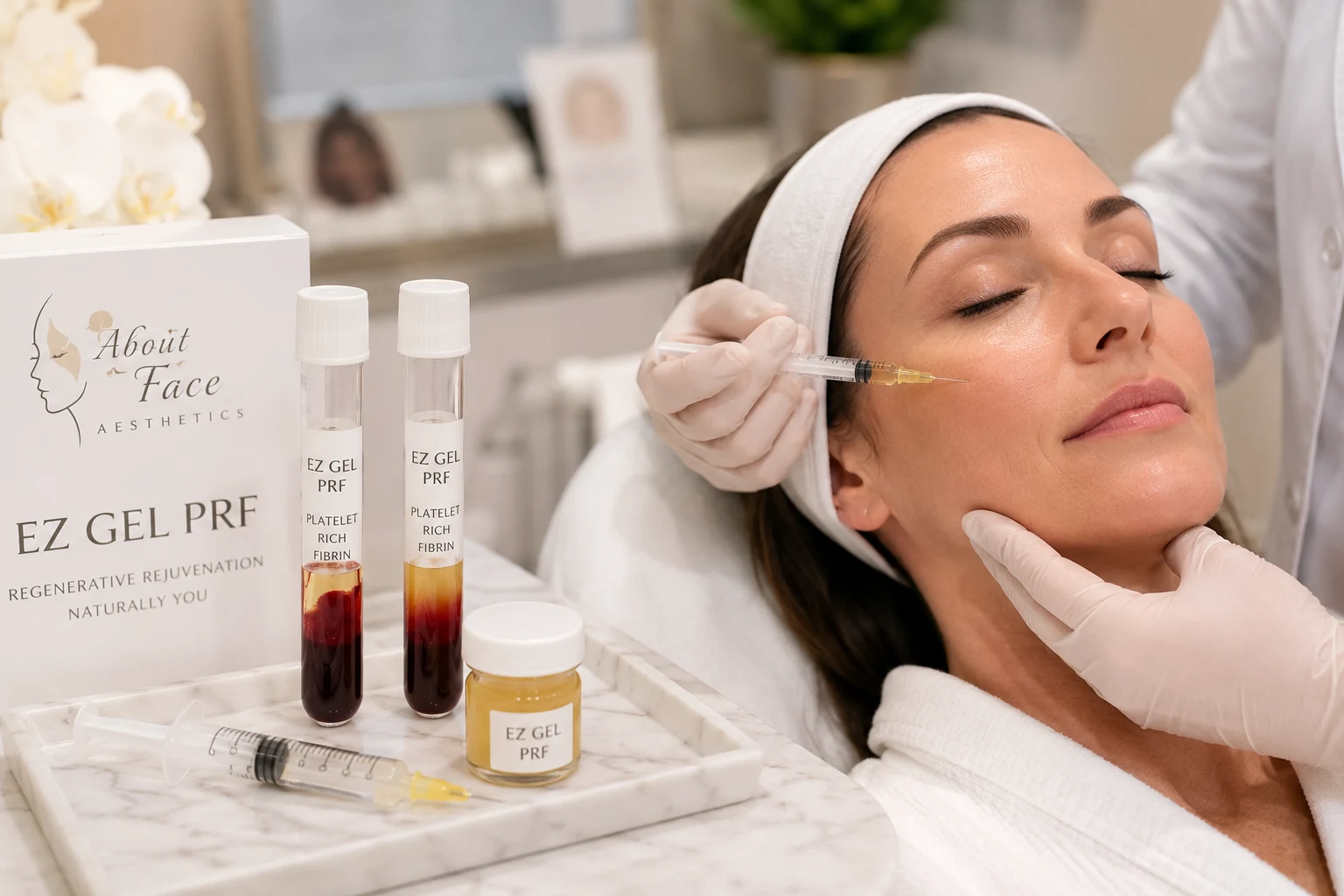
This distinction is particularly relevant to the development of injectable treatments targeting different anatomical layers. IBSA's PROFHILO portfolio reflects this increasingly differentiated approach, with PROFHILO intended for skin bioremodelling and PROFHILO STRUCTURA specifically indicated for facial adipose tissue restoration. The products have different formulations and administration protocols, illustrating how tissue-specific considerations are influencing the development of professional aesthetic treatments.
How GLP-1 weight loss and menopause are changing the consultation
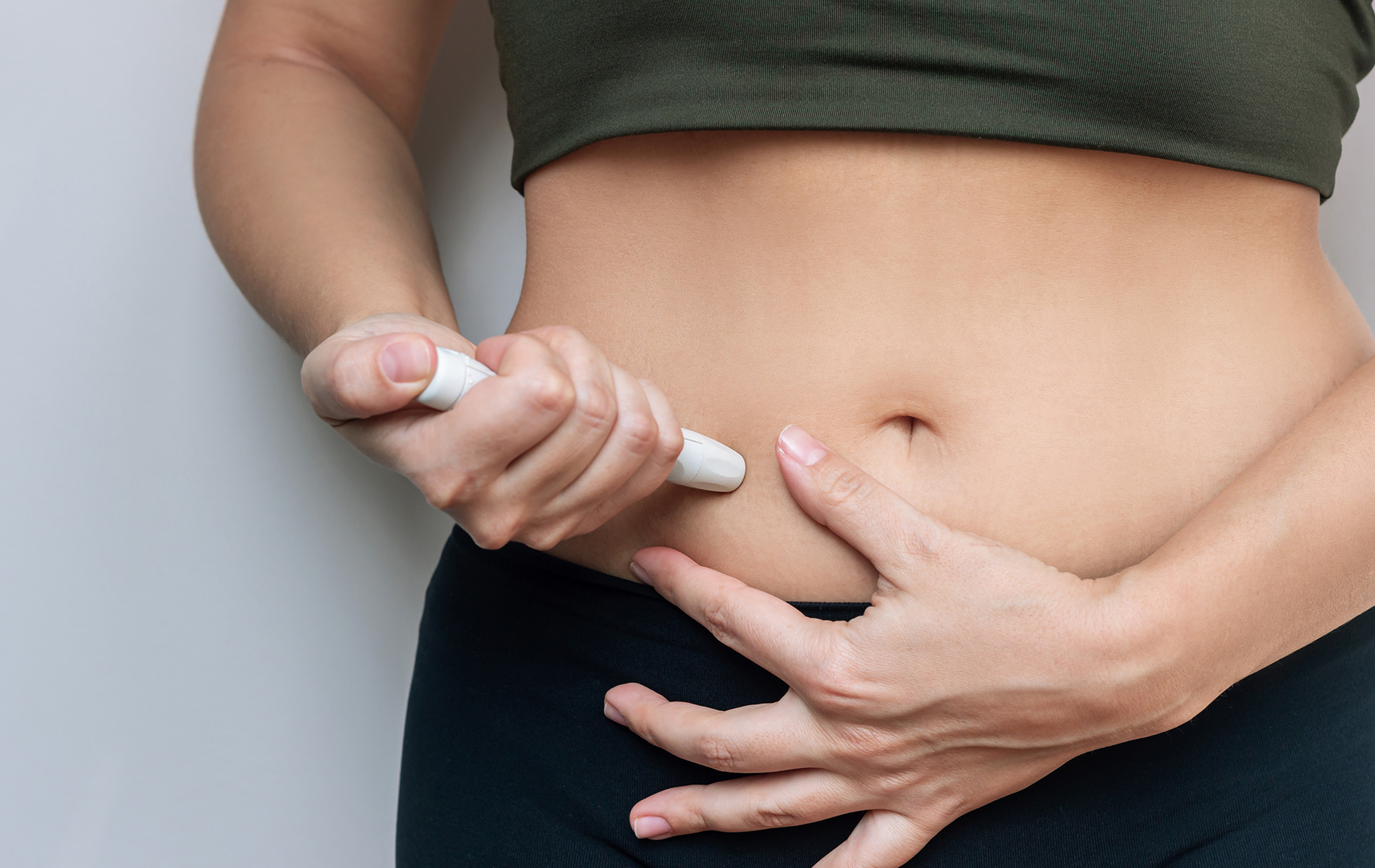
The growing attention surrounding facial fat has coincided with two developments that are bringing changes in facial structure into sharper focus: the increasing use of GLP-1-based medications for weight management and greater awareness of the effects of menopause on skin and soft tissue. The term 'Ozempic face' has become widely recognised within aesthetic medicine, describing the hollowing, altered contours and increased skin laxity that may become apparent following substantial weight loss. Although frequently associated with medications such as semaglutide and tirzepatide, these changes are not necessarily unique to pharmaceutical weight management and may occur following significant weight reduction through other means.
For practitioners, the phenomenon has highlighted the importance of considering a patient's weight history and the relationship between adipose tissue, skin laxity and the underlying facial skeleton. It also raises questions about the suitability of conventional volumising approaches when several tissue layers may have changed simultaneously.
“With substantial weight loss, including weight loss associated with GLP-1-based therapies, changes such as facial hollowing, altered contour and skin laxity may become more apparent. However, it is important not to assume that every patient will experience the same pattern or that the medication itself is the sole explanation. The emerging literature suggests that these facial changes may be multifactorial, and the evidence base is still developing.”
Menopause presents a different set of considerations, particularly as declining oestrogen levels influence collagen production, skin thickness, hydration and elasticity. These changes can occur alongside age-related alterations in facial fat distribution and structural support, making it increasingly important for aesthetic consultations to consider hormonal stage as well as chronological age.
“Menopause introduces a different but equally important consideration. Declining oestrogen is associated with changes in collagen, skin thickness, elasticity and hydration, while age-related changes in facial fat and body-fat distribution may occur alongside this.”
A patient experiencing changes associated with significant weight loss may require a different assessment from someone whose principal concerns relate to menopausal skin changes, even if both present with similar visible signs of ageing. Understanding the factors contributing to those concerns could help practitioners develop more appropriate treatment plans, manage expectations and avoid assuming that replacing volume will address every aspect of the presentation. Sandhu emphasises that treatment decisions should also consider the longer-term implications for the tissues involved.
“I think this really highlights why we need to move beyond simply asking what we can replace. Adding volume isn’t always the answer, particularly if there are changes in tissue quality, laxity or the fat itself. We need to understand what’s happening anatomically, but also consider the patient’s weight history, hormonal stage and overall tissue health. We need to think about the fat that remains, how we can support its health and structure, and what our treatment choices today might mean for that tissue in the future.”
Inflammaging and the questions beneath the skin
Alongside structural changes, the role of chronic inflammation in tissue ageing is attracting attention; known as inflammaging, this refers to the persistent, low-grade inflammatory state associated with biological ageing, which can influence tissue function and repair. Within the skin and underlying structures, ageing-related changes may involve altered fibroblast activity, extracellular matrix remodelling and changes in the biological environment surrounding adipose cells. These processes are not always immediately apparent in a patient's appearance, but they are relevant to the wider discussion about tissue health and the potential long-term effects of aesthetic interventions.
“What we see on the surface is only part of what's happening as we age. Inflammaging describes that background of chronic, low-grade inflammation associated with ageing. So while externally we might be looking at things like changes in skin quality or laxity, there are changes happening within the tissue as well, at a cellular level.”
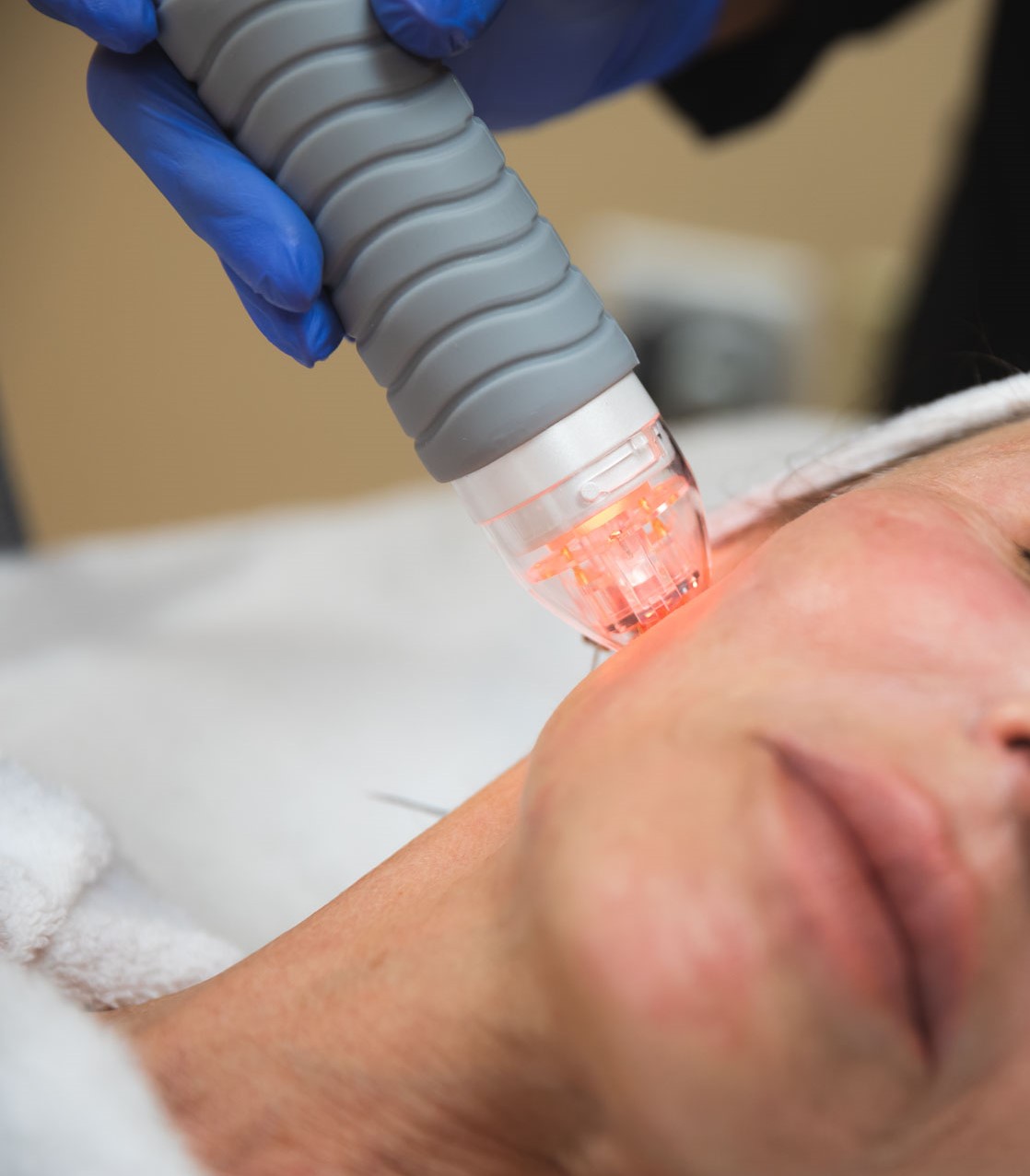
The implications for aesthetic medicine are particularly interesting because several established treatments, including certain energy-based devices and collagen-stimulating procedures, rely on controlled tissue injury or inflammatory responses to initiate remodelling. These processes have recognised therapeutic applications, but the relationship between beneficial short-term repair responses, chronic inflammation and long-term tissue behaviour remains an important area for further investigation.
Sandhu believes the developing understanding of inflammaging should encourage practitioners to think more critically about the biological objectives of treatment, as well as the immediate cosmetic outcome.
“It also raises an important question for me. If we're becoming increasingly aware of the impact of chronic inflammation throughout the body, we also need to think carefully about treatments that work by deliberately creating an inflammatory response. That's not to say inflammation is always negative or that those treatments don't have a place, but I think we need to understand that balance better.
“Ultimately, a treatment looking good at 2 weeks doesn't necessarily tell us everything about what's happening in that tissue longer term. That's where I think we need more research, particularly looking beyond the immediate aesthetic result and at what is actually happening within the tissue over time.”
This raises an important consideration for the industry as regenerative and biostimulatory treatments continue to expand. Visible improvements in skin texture, firmness or facial contours are valuable clinical outcomes, but they do not necessarily establish how a treatment influences the underlying tissue over time. Developing stronger evidence around durability, tissue function and long-term safety could become increasingly important as practitioners adopt more biologically focused approaches to rejuvenation.
The movement towards tissue-focused aesthetic medicine reflects a broader development in how facial ageing is understood, with increasing attention paid to the interaction between anatomy, cellular biology and the external factors that influence tissue health. For practitioners, this could mean more detailed patient assessments, greater emphasis on individual treatment objectives and closer consideration of how interventions may affect future treatment options. Research into adipose tissue, extracellular matrix organisation and the biological processes associated with ageing is continuing to develop.
Sandhu believes future progress will depend on a more precise understanding of the tissues being treated and the factors responsible for their deterioration.
“I think the next development will come from understanding the tissues we’re treating in much more detail and recognising that the changes we see aren’t driven by ageing alone. There are intrinsic biological processes, and also extrinsic factors that can influence how tissues change over time. We are moving away from broad labels such as ‘skin ageing’ or ‘volume loss’ and towards understanding which tissue is changing, where that change is happening and what may be driving it.”
This evolving approach could influence treatment development, clinical education and the way practitioners communicate with patients. Rather than viewing facial rejuvenation as a series of isolated corrections, clinics may increasingly consider how treatments fit within longer-term strategies that account for individual anatomy, changing patient needs and the maintenance of tissue health. The concept also challenges conventional expectations surrounding aesthetic medicine. As patients increasingly seek natural-looking outcomes and treatments that maintain rather than dramatically alter their appearance, the emphasis may shift towards supporting the ageing process rather than attempting to eliminate every visible sign of it.
“I really hope the future of aesthetics is about respecting and embracing ageing. Our role shouldn't necessarily be to erase every sign of it. It should be about understanding the individual patient, supporting tissue health and, where treatment is appropriate, helping people continue to look like themselves as they age. For me, that's a really positive direction for aesthetic medicine, working with the ageing process rather than constantly trying to fight against it.”
Whether tissue quality becomes the defining concept of the next phase of aesthetic medicine will depend on the strength of the clinical evidence and how effectively emerging research can be translated into practice. But the growing recognition that facial ageing involves considerably more than volume loss is already encouraging a broader approach to patient assessment and treatment planning. For an industry accustomed to measuring success through visible correction, the longer-term health and behaviour of the underlying tissues may become an increasingly important part of the conversation.
What's Your Reaction?
 Like
0
 Dislike
0
 Agree
0
 Disagree
0
 Excellent
0
 Useful
0
 Great
0