



































































Lymphatic Drainage and Heavy Metal Clearance: Why It Matters for Laser Tattoo Removal in Calgary


The Hidden Connection Between Your Lymphatic System and Toxic Burden
The lymphatic system is one of the most overlooked yet essential detoxification networks in the human body. While the liver often receives most of the attention when discussing detoxification, the lymphatic system serves as a critical transportation and filtration network that helps move cellular waste, inflammatory byproducts, immune cells, and foreign particles away from tissues and toward elimination pathways.
This becomes particularly important when discussing heavy metal exposure, chronic inflammation, and laser tattoo removal. Tattoo pigments migrate through the lymphatic system. Modern research has demonstrated that tattoo pigments can migrate through the lymphatic system and accumulate within regional lymph nodes, where they may remain for years or even decades. During laser tattoo removal, these pigments are fragmented into smaller particles that become accessible to immune cells and lymphatic transport mechanisms. As a result, supporting lymphatic function has become an important consideration for individuals seeking a more comprehensive and biologically supportive tattoo removal experience.
At SkinScience in Calgary, lymphatic drainage is incorporated as one component of our proprietary 8 Pillars of Biological Tattoo Removal™, a comprehensive framework designed to support the body’s natural clearance mechanisms before, during, and after laser tattoo removal treatments.
Understanding the Lymphatic System
Unlike the circulatory system, which relies on the heart to pump blood, the lymphatic system depends on muscle movement, breathing, hydration, and lymphatic vessel contractions to move fluid throughout the body.
Its primary functions include:
- Immune surveillance
- Removal of cellular waste
- Transport of proteins and fats
- Regulation of inflammation
- Movement of foreign particles away from tissues
- Support of detoxification pathways
When lymphatic flow becomes sluggish, waste products and inflammatory compounds may accumulate within tissues. Although the body possesses remarkable detoxification capabilities, optimal lymphatic movement helps ensure efficient transport of materials toward elimination pathways.
Heavy Metals, Tattoo Ink, and the Lymphatic System
Tattoo inks are far more complex than many people realize. Numerous studies have identified the presence of metals and metallic compounds in tattoo pigments, including nickel, chromium, cobalt, titanium, copper, cadmium, and lead-containing compounds in some formulations. Regulatory standards vary widely between countries, and tattoo ink composition remains inconsistently regulated worldwide.
Research has repeatedly demonstrated that tattoo pigments do not remain confined exclusively to the skin. Pigment particles can migrate through lymphatic vessels and accumulate within regional lymph nodes, where pigment-laden macrophages have been identified years after tattoo placement.
More recent investigations have shown that tattoo ink accumulation within lymphatic tissues may contribute to ongoing inflammatory signaling and immune system activation. Scientists have observed that tattoo pigments can remain within lymph nodes for prolonged periods while triggering persistent inflammatory responses.
What Happens During Laser Tattoo Removal?
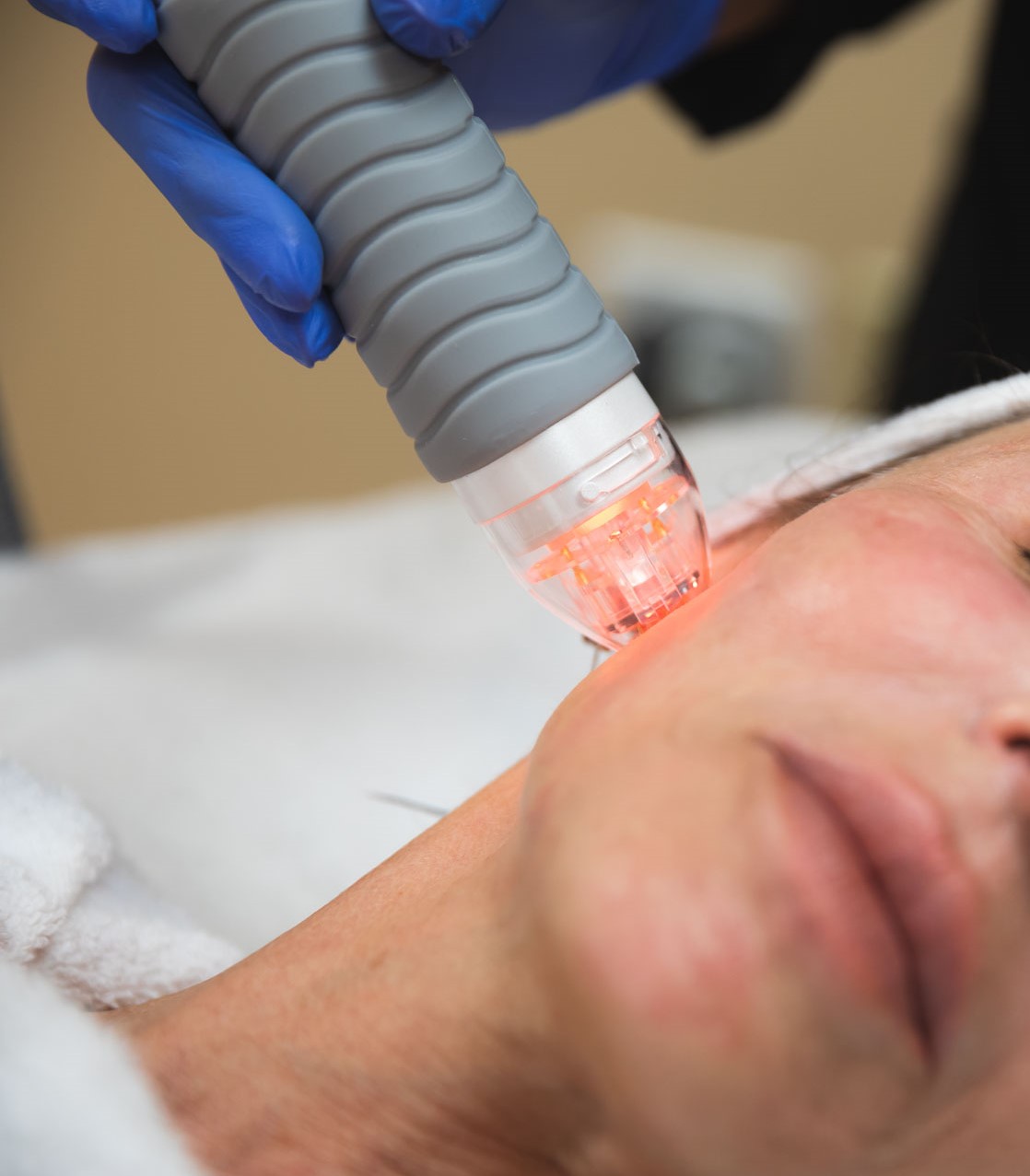
Laser tattoo removal works by delivering highly specific wavelengths of light that target tattoo pigments. These laser pulses create photoacoustic fragmentation, breaking larger pigment particles into smaller fragments.
Once fragmented, immune cells known as macrophages engulf the particles through a process called phagocytosis. These particles are then transported through lymphatic channels toward regional lymph nodes and eventual elimination pathways. This biological clearance process is one of the primary reasons tattoo removal requires multiple treatment sessions over time.
Research consistently demonstrates that successful tattoo fading depends not only on the laser itself, but also on the body’s immune and lymphatic systems. In essence, the laser breaks the pigment apart, while the immune and lymphatic systems help carry it away.
The Benefits of Lymphatic Drainage After Tattoo Removal
1. Supports Physiological Waste Transport
Lymphatic drainage techniques are designed to encourage movement of lymphatic fluid throughout the body. While lymphatic drainage should never be viewed as a cure or treatment for heavy metal toxicity, improved lymphatic circulation may help support the body’s natural transport mechanisms involved in waste removal and immune function.
2. Helps Reduce Post-Treatment Swelling
Laser tattoo removal creates a controlled inflammatory response. Temporary redness, swelling, and tissue congestion are common. Gentle lymphatic drainage may help reduce fluid accumulation and support post-treatment recovery.
3. Supports Immune Function
The lymphatic system is closely connected to immune surveillance. Since macrophages and immune cells play a central role in tattoo pigment clearance, optimizing lymphatic function may help support the biological processes involved in tattoo fading.
4. May Improve Comfort During Recovery
Many patients report feeling less congested, less swollen, and more comfortable following lymphatic drainage treatments. Improved circulation and fluid movement may contribute to a more pleasant recovery experience.
5. Complements a Comprehensive Biological Tattoo Removal Strategy
At SkinScience, we view tattoo removal through a broader lens. Rather than focusing solely on the laser, our Biological Tattoo Removal™ framework considers the entire physiological process of pigment clearance, inflammation management, skin repair, immune support, oxidative stress control, and detoxification pathways.
Lymphatic drainage represents one important component of this comprehensive approach.

This infographic illustrates how lymphatic drainage supports immune function, detoxification pathways, and laser tattoo removal recovery as part of SkinScience’s 8 Pillars of Biological Tattoo Removal™ program in Calgary.
Lymphatic Drainage as Part of the 8 Pillars of Biological Tattoo Removal™
SkinScience is proud to be the first clinic in Calgary to integrate a comprehensive biological support framework into laser tattoo removal.
Our 8 Pillars of Biological Tattoo Removal™ include:
- Pigment Fragmentation
- Immune Activation
- Lymphatic Clearance
- Liver Detoxification Support
- Heavy Metal Defense
- Oxidative Stress Reduction
- Inflammation Modulation
- Skin Regeneration
The goal is simple: support the body’s natural systems responsible for processing and clearing fragmented tattoo pigment while optimizing skin healing and patient outcomes.
This approach recognizes that successful tattoo removal is not just about destroying ink. It is also about supporting the biological pathways responsible for removing it.

The 8 Pillars of Biological Tattoo Removal™ by SkinScience, a science-based approach to laser tattoo removal that supports the skin, lymphatic system, immune response, and long-term skin health.
Why Calgary Patients Are Seeking Biological Tattoo Removal
Calgary residents are becoming increasingly aware of the connection between wellness, inflammation, toxic burden, and skin health. As interest grows in holistic health, longevity medicine, and functional wellness, more individuals are seeking tattoo removal programs that support the entire body rather than focusing solely on the procedure itself. By incorporating lymphatic drainage, personalized health recommendations, advanced laser technology, and regenerative skin support protocols, SkinScience offers a uniquely comprehensive approach to laser tattoo removal in Calgary.
Frequently Asked Questions About Lymphatic Drainage
Does lymphatic drainage remove heavy metals?
Lymphatic drainage does not directly remove heavy metals. However, it may support the body’s natural lymphatic circulation and waste transport mechanisms that contribute to overall detoxification processes.
Can lymphatic drainage speed up tattoo removal?
No treatment can guarantee faster tattoo removal. However, because tattoo clearance depends heavily on immune and lymphatic function, supporting these systems may complement the body’s natural pigment removal process.
When should I receive lymphatic drainage after laser tattoo removal?
Timing depends on the individual, treatment intensity, and healing response. At SkinScience, recommendations are customized based on each patient’s treatment plan.
Is lymphatic drainage safe?
When performed by appropriately trained professionals, lymphatic drainage is generally considered safe for most individuals. Certain medical conditions may require physician clearance.
How many sessions are recommended?
The number of sessions varies based on treatment goals, overall health status, tattoo size, and individual healing responses.
About the Author
Marie Bertrand is the founder of SkinScience in Calgary and the creator of the 12 Pillars of Skin Longevity™ and 8 Pillars of Biological Tattoo Removal™ frameworks. With more than two decades of experience in skin health, medical aesthetics, laser technologies, and advanced skincare formulation, Marie is recognized for her science-based, patient-centered approach to skin rejuvenation and wellness. Through SkinScience and Aliquote Skin, she continues to educate patients and professionals on evidence-based strategies for skin health, inflammation control, regenerative therapies, and longevity-focused aesthetics.

Marie Bertrand, founder of SkinScience in Calgary, is a skin longevity expert and microbiologist specializing in advanced skin treatments, inflammation control, and cellular aging.
References
- Bourgeois P, et al. Lymphatic Alterations Under Tattoos: Preliminary Reports of One Observational Study. Diagnostics. 2023.
- Tjipta A, et al. Immune Response in Laser Tattoo Removal: A Systematic Review. 2023.
- Baranska A, et al. Unveiling Skin Macrophage Dynamics Explains Both Tattoo Persistence and Tattoo Removal. Journal of Experimental Medicine. 2018.
- Ho SGY, et al. Laser Tattoo Removal: A Clinical Update. Journal of Cutaneous and Aesthetic Surgery. 2015.
- Barua S, et al. Laser-Tissue Interaction in Tattoo Removal by Q-Switched Lasers. Journal of Cutaneous and Aesthetic Surgery. 2015.
- Capucetti A, et al. Tattoo Ink Induces Inflammation in the Draining Lymph Node. 2025.
- Clemmensen SB, et al. Tattoo Ink Exposure Is Associated With Lymphoma and Skin Cancer. BMC Public Health. 2025.
- Nielsen C, et al. Tattoos as a Risk Factor for Malignant Lymphoma. eClinicalMedicine. 2024.
- Jacobi MM, et al. Tattoos Causing Local and Generalized Lymphadenopathy. 2024.
- Hohman MH, et al. Laser Tattoo Removal. StatPearls Publishing. 2025.
What's Your Reaction?
 Like
0
Like
0
 Dislike
0
Dislike
0
 Agree
0
Agree
0
 Disagree
0
Disagree
0
 Excellent
0
Excellent
0
 Useful
0
Useful
0
 Great
0
Great
0