


























Bird flu pressure exposes a fault line in Australia’s free-range egg sector
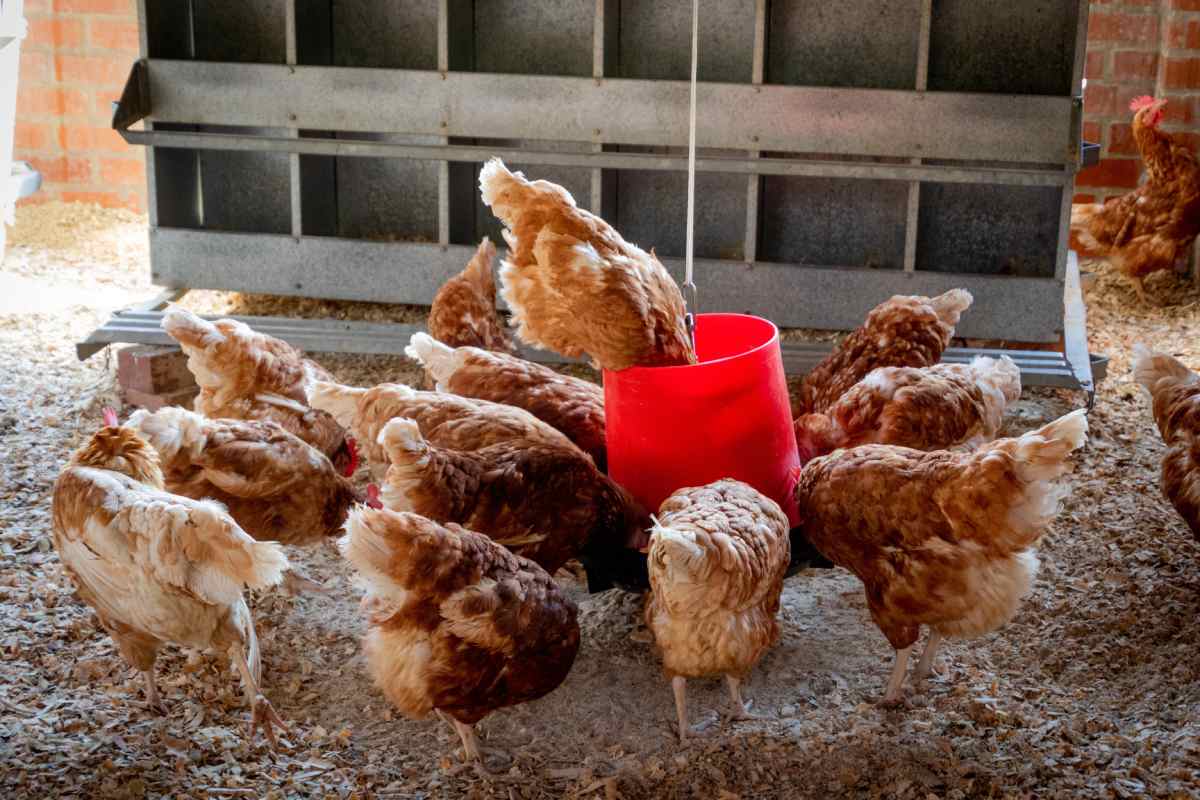
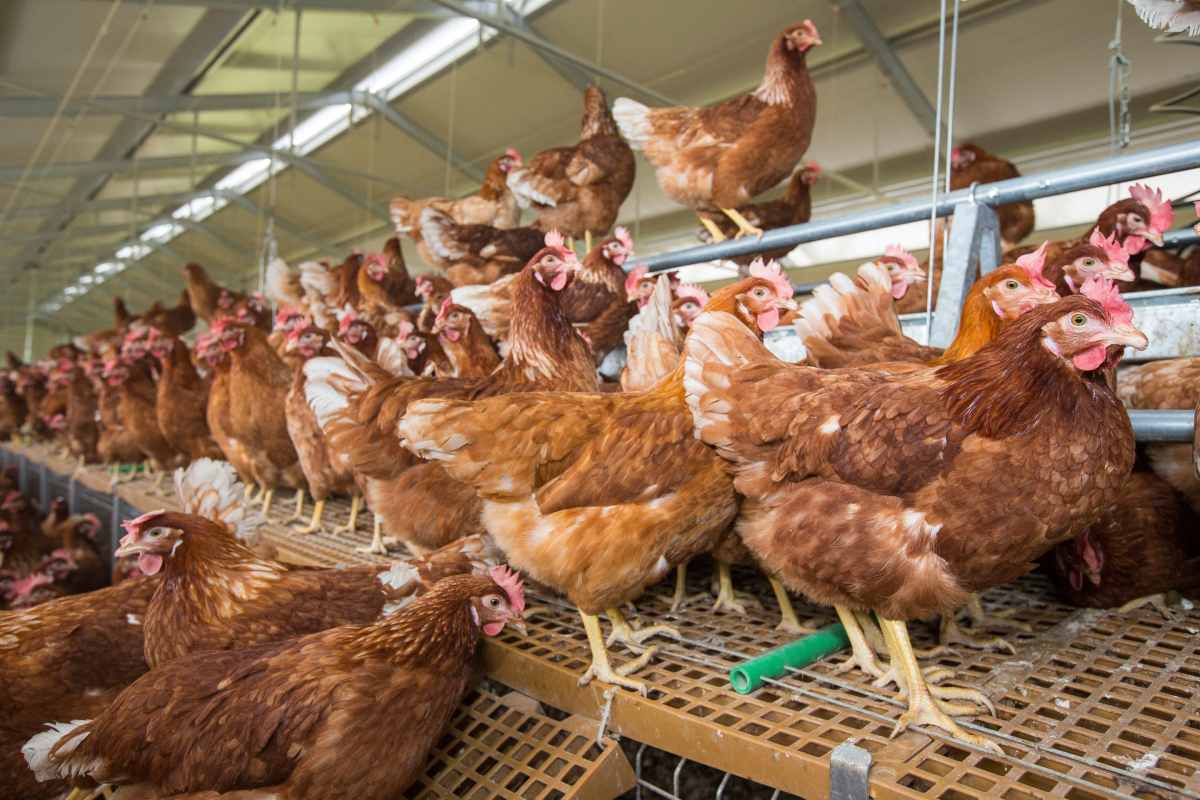
Australia’s free-range egg sector is facing fresh scrutiny as authorities and industry weigh how to protect poultry from H5 avian influenza without misleading consumers about production systems.
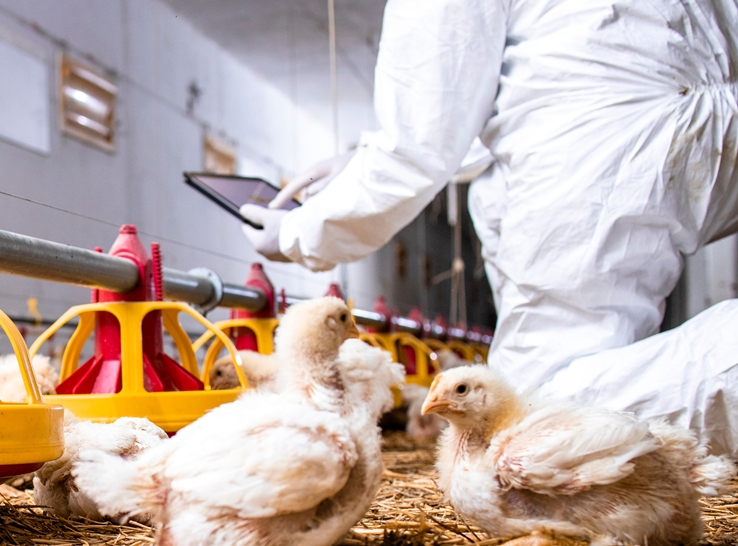
The core problem is straightforward: free-range systems depend on outdoor access, but that same exposure can increase contact with wild birds, one of the principal recognised pathways for avian influenza introduction into poultry flocks. Recent Australian guidance has therefore prioritised biosecurity, even if that means hens are temporarily kept indoors.
Biosecurity first
According to the Australian Competition and Consumer Commission (ACCC), producers who temporarily move hens indoors for biosecurity reasons are currently not being targeted for enforcement action over free-range labelling. The regulator has made clear that this is a temporary enforcement approach, and where hens are required to be housed under official state directions or recommendations issued in response to an avian influenza outbreak, the enforcement period would generally be limited to up to 90 days, or until those measures are lifted.
That position reflects the coordinated approach adopted by Australian authorities, veterinary services and the poultry industry to reduce the risk of virus introduction. Australian veterinary and industry sources have been urging producers to minimise contact between poultry and wild birds, particularly in free-range systems where such exposure can be more difficult to control.
Why free-range is under pressure
The concern is not theoretical. A 2019 modelling study found that shifting 25% of conventional indoor chicken farms to free-range production would increase the risk of a highly pathogenic avian influenza outbreak by 6–7%. The same study also showed that relatively small biosecurity improvements, such as limiting wild bird access to feed and sheds, could offset much of that additional risk.
A later overview of avian influenza in Australian poultry reached a similar conclusion, noting that the country’s risk profile is influenced by factors including the expansion of free-range production, the ecology of wild waterfowl and on-farm biosecurity practices.
A consumer issue as well
The bird flu debate is not only a disease-control issue; it is also a labelling issue. In Australia, free-range eggs are expected to come from hens with meaningful and regular outdoor access during daylight, at a stocking density of 10,000 hens or fewer per hectare, with that density displayed on the egg carton.
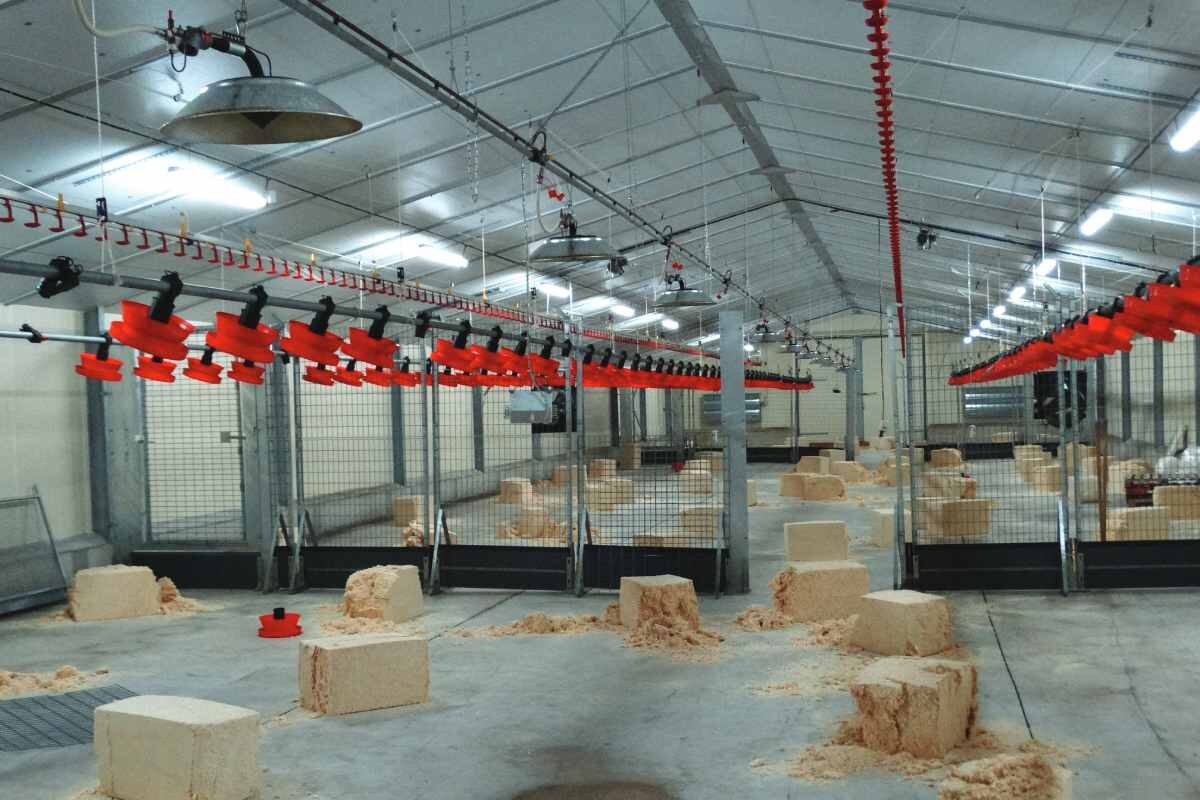
If hens must be housed for an extended period, producers face a difficult choice between maintaining strict disease control and preserving the marketing claim that many consumers associate with outdoor access and higher animal welfare standards. That is why the ACCC’s temporary enforcement approach is significant: it gives farms flexibility to respond to a biosecurity emergency without immediately facing enforcement action over their free-range claims.
What this means for the sector
For now, there is no evidence that Australia’s commercial poultry supply has been severely disrupted by H5N1. However, the current situation illustrates how quickly a major outbreak could place pressure on both production and consumer confidence, especially in a market where free-range eggs account for a large share of consumer purchases.
Industry voices quoted by SBS say the sector has been preparing for this risk for years, while acknowledging that prolonged housing measures could reduce the availability of free-range eggs for as long as the disease threat remains elevated.
Apa Reaksi Anda?
 Suka
0
Suka
0
 Kurang Suka
0
Kurang Suka
0
 Setuju
0
Setuju
0
 Tidak Setuju
0
Tidak Setuju
0
 Bagus
0
Bagus
0
 Berguna
0
Berguna
0
 Hebat
0
Hebat
0