




























Stress, sleep disruption and feather damage: rethinking the impact of poultry mites

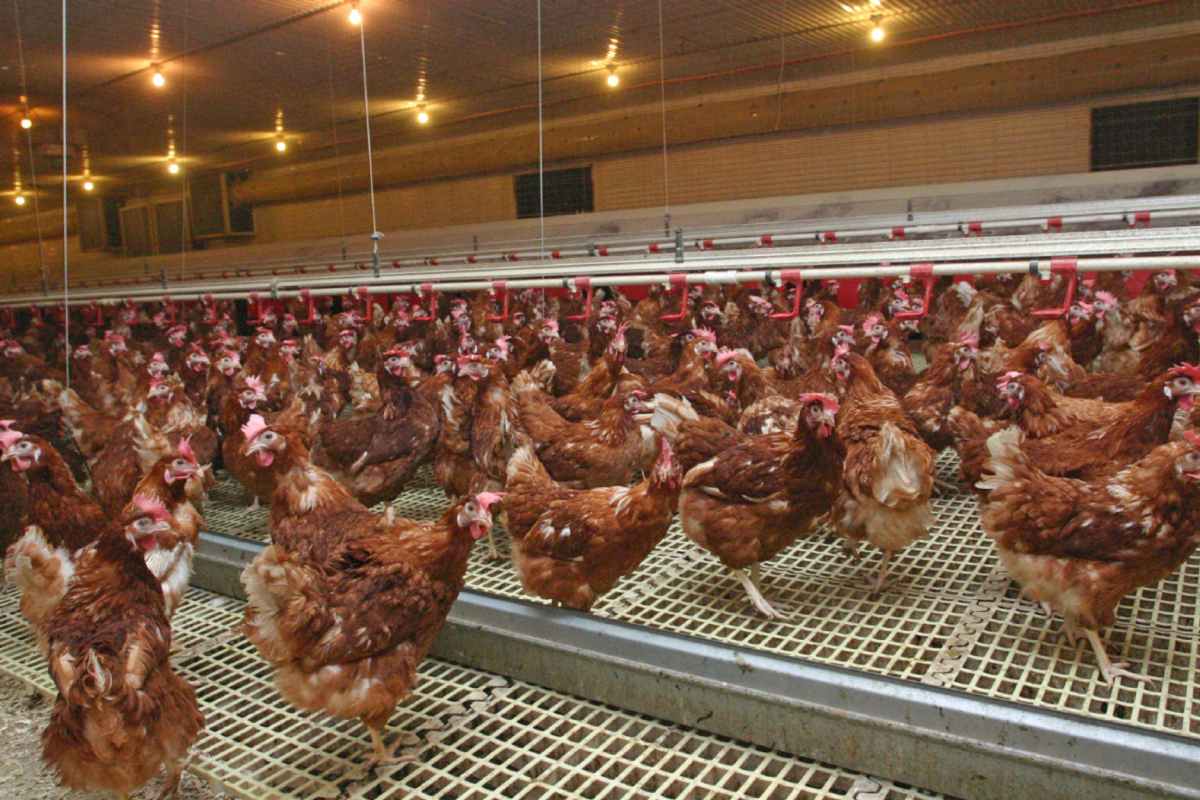
Poultry mite infestations have long been associated with irritation, feather damage and production losses in laying hens. But growing evidence suggests the impact goes much deeper, affecting bird behavior, stress levels and overall welfare.
Here, Bill Vaughn, MBA, associate director of poultry marketing for Merck Animal Health, discusses research on the underestimated welfare effects of mite infestations and how new management and treatment approaches are helping producers address infestations more effectively.
Q: Historically, how has the poultry industry viewed mites?
A: Traditionally, mites have been viewed mostly as a nuisance issue or a production issue. Producers recognized that infestations could affect bird condition and potentially productivity, but the welfare implications probably didn’t receive as much attention.
What we’re learning from more recent research — including studies conducted in commercial-style layer systems — is that mites can create substantial stress for birds. The effects go beyond irritation. These birds are dealing with constant discomfort that can influence their behavior and overall condition.
Q: What does the research show about how mites affect birds?
A: One of the clearest findings involved nighttime behavior. Researchers used night cameras to evaluate bird activity in flocks infested with poultry red mite and parasite-free flocks in multiple countries. The infested birds were significantly more active at night, when hens would normally be resting.¹
Other studies involving northern fowl mites and poultry red mites have documented physical indicators associated with poorer welfare, including comb wounds, skin lesions and feather condition issues. In one study, skin lesions improved after northern fowl mites were eliminated and reappeared after reinfestation.²
Physiological stress indicators such as corticosterone levels, blood chemistry and hematology measurements were also evaluated. Altogether, these findings suggest mite infestations can trigger measurable stress responses and negatively affect bird welfare.3
Q: Why is disrupted nighttime behavior important?
A: Rest is critical for birds. When mites are feeding on hens during the night, birds become more restless and agitated. You see more scratching, preening and general discomfort.²
Over time, chronic stress can affect overall flock condition and potentially productivity as well. In heavily parasitized birds, producers may also see pale combs associated with anemia from blood loss.2
Q: Do you think the industry underestimates the welfare impact of mites?
A: Yes, I do think it’s underestimated. What I’ve heard from people who’ve worked in the layer industry for years is that producers often know they have mites, but they focus on other problems because they don’t necessarily view mites as severe enough to significantly affect productivity or bird health.4
There’s increasing focus today on bird welfare and bird condition, but parasites still may not receive the same level of attention as some other welfare issues, even though the research clearly shows these infestations create measurable stress and welfare impacts.
Q: What changes do producers notice after successful treatment?
A: Producers know they have mites because they can see them on the birds. Workers have even described feeling bitten by them, even though northern fowl mites don’t live on people like bed bugs do.
After effective treatment, producers may see a rapid reduction or disappearance of mites on the birds, along with improvements in bird condition and behavior.
Q: Why has mite control traditionally been challenging?
A: Many traditional approaches rely on sprays, dusts or other environmental treatments, and those can be labor-intensive and difficult to apply consistently across a commercial house.
Some approaches require workers to wear extensive personal protective equipment during application. Others rely on environmental contact to affect the mites, which may not be as direct or effective as systemic approaches that target mites feeding on the bird.
Q: Are management options evolving?
A: Yes. Producers today have access to newer approaches that may offer practical advantages compared to some traditional treatments.
One example is Exzolt® (fluralaner oral solution), which was recently approved in the United States for the treatment and control of northern fowl mites in laying hens and replacement chickens. Because it is administered through drinking water, it can simplify administration and reduce labor compared to some spray- or dust-based approaches.
Because northern fowl mites live on the bird and feed on blood, water-administered systemic treatments can directly target feeding mites. At the same time, producers still need strong monitoring, early detection and overall flock management. No treatment program works well if infestations aren’t identified early.
Q: What about productivity impacts?
A: Field experience suggests successful mite control can support productivity, although some of those observations are still being developed and published.
The welfare and productivity sides are connected. Birds experiencing chronic stress generally aren’t going to perform at their best. In addition, some of the newer treatment approaches can reduce labor requirements compared to older spray- or dust-based control methods.
Q: What do you hope producers take away from this research?
A: Mites are more than just a nuisance issue. They can significantly affect bird comfort, welfare and overall flock condition.
The encouraging part is that producers now have more options for managing northern fowl mite infestations than they did in the past. Combined with monitoring and early intervention, those tools can help support bird comfort, welfare and flock performance.
Editor’s note: Content on Modern Poultry’s Industry Insights pages is provided and/or commissioned by our sponsors, who assume full responsibility for its accuracy and compliance.
References
- Temple D, Manteca X, Escribano D, Salas M, Mainau E, Zschiesche E, et al. (2020) Assessment of laying-bird welfare following acaricidal treatment of a commercial flock naturally infested with the poultry red mite (Dermanyssus gallinae). PLoS ONE 15(11): e0241608. https://doi.org/10.1371/journal.pone.0241608
- Murillo AC, Abdoli A, Blatchford RA, Keogh EJ, Gerry AC. Parasitic mites alter chicken behaviour and negatively impact animal welfare. Scientific Reports. 2020;10:8236. doi:10.1038/s41598-020-65021-0.
- Kowalski, Andrzej & Sokol, Rajmund. (2009). Influence of Dermanyssus gallinae (poultry red mite) invasion on the plasma levels of corticosterone, catecholamines and proteins in layer hens. Polish journal of veterinary sciences. 12(2). 231-235.
- Vaughn B. Presentation on welfare impacts of northern fowl mite and poultry red mite infestations in laying hens. Presented at PEAK 2026, Minneapolis, Minnesota.
The post Stress, sleep disruption and feather damage: rethinking the impact of poultry mites appeared first on Modern Poultry.
Apa Reaksi Anda?
 Suka
0
 Kurang Suka
0
 Setuju
0
 Tidak Setuju
0
 Bagus
0
 Berguna
0
 Hebat
0