






























Changing disease pressures, weather patterns trigger respiratory vaccination rethink

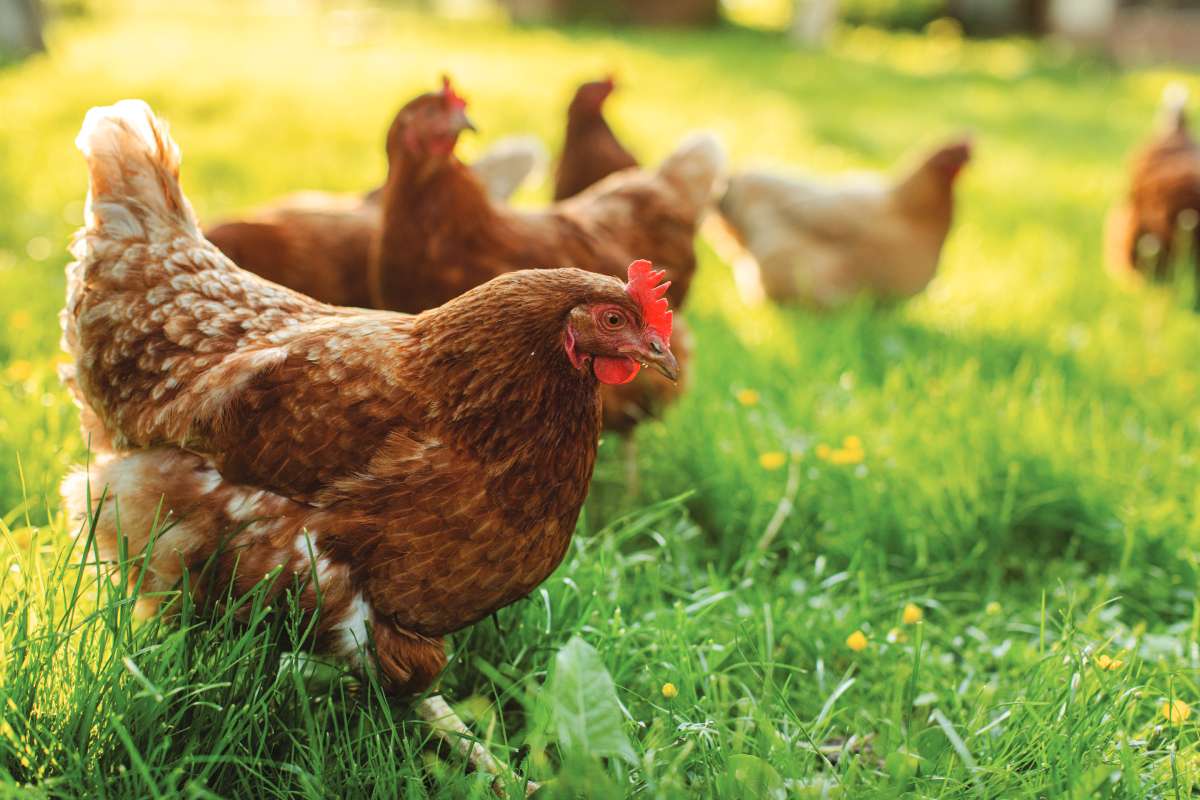
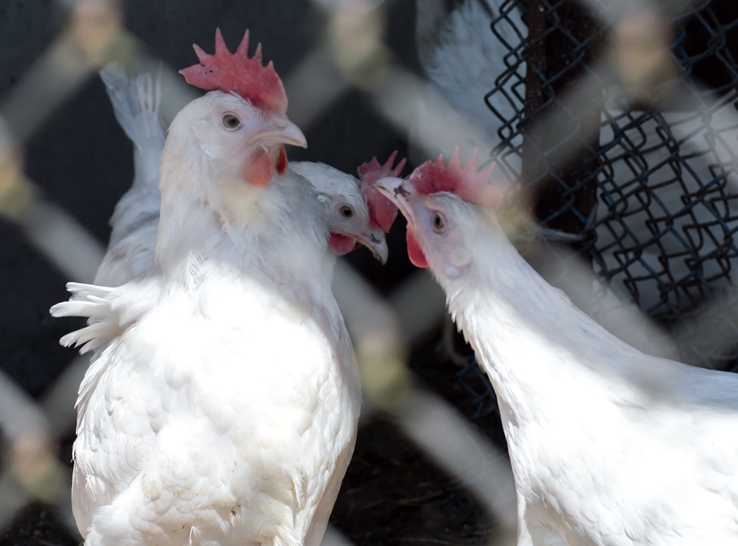
Main image photo courtesy of Zoetis, Inc.
By Brian Jordan, PhD
Head of US Poultry Technical and Diagnostic Services
Zoetis
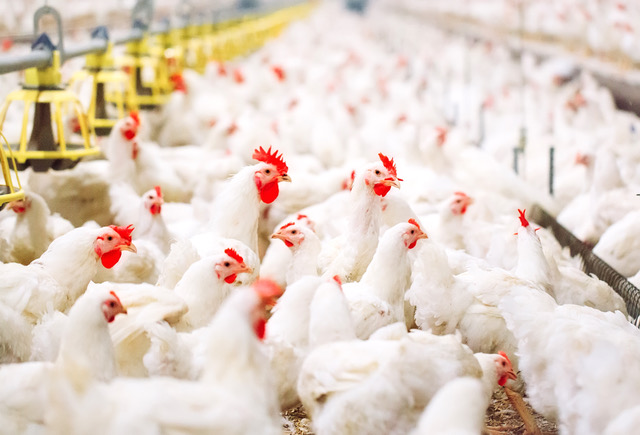
Broiler flocks are facing more variable respiratory disease challenges that coincide with increasingly variable weather patterns. This new reality is leading poultry veterinarians and production managers to rethink their vaccination strategies.
Going into the cooler months, flocks face concurrent challenges from infectious bronchitis virus (IBV), infectious laryngotracheitis (ILT), Newcastle disease and avian metapneumovirus (aMPV). Compounding the respiratory issue is the birds’ susceptibility to developing secondary bacterial infections, like Escherichia coli.
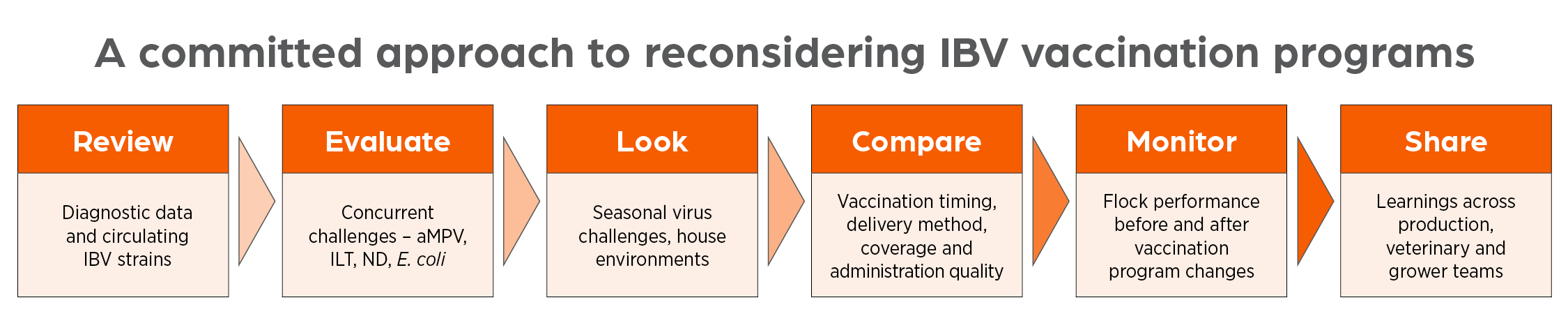
These dynamics suggest that a proactive review of IBV vaccination programs may help build a foundation for cool season vaccination decisions. Tailoring the right program starts with an active IBV surveillance program – using field and laboratory diagnostics. This will help inform vaccine decisions by providing insight into which field virus strains are present (see Infographic).
Click to enlarge.
Reassessing programs
Informed by diagnostics and local challenge levels, the ideal IBV vaccination strategy can be an important lever in helping broiler operations move toward better respiratory health.
Poultry veterinarians and production managers should consider the following questions when assessing their IBV vaccination programs:
- Are IBV field strains aligned with the current vaccination program? What emerging strains are present in the area that could complicate broiler respiratory health?
- Are concurrent aMPV or ILT challenges changing the respiratory risk profile?
- In broiler houses, are winter ventilation rates, ammonia levels, litter moisture and/or temperature swings increasing respiratory stress in the birds?
- Are diagnostics being used often enough to guide vaccine selection and timing?
Considering these questions may provide veterinarians and managers other ways to act early, reduce uncertainty and help birds stay on track through periods of respiratory pressure.
Proactive programming
Managers should make sure their vaccination program targets the most prevalent strains in their region. That information may suggest the need to have two or three serotypes in the program, with possible adjustments based on seasonal disease pressures.
Although there are multiple IBV serotypes in circulation, the DMV/1639 strain has emerged as an increasingly important variant.
While a single IB vaccine typically targets a specific strain, it can give cross-protection against other strains when combined with other unrelated IB vaccines. Research shows that strategic combinations of IB vaccines can provide cross-protection against DMV/1639.
A Massachusetts vaccine is often a good starting point before considering others based on the environment. Where DMV/1639 is present, a controlled study and field experience suggest that adding a Georgia 08 to Massachusetts offers broader levels of protection while allowing continued surveillance of the DMV/1639 wild type.1
Monitoring is good practice
Beyond selecting vaccines that will provide protection against circulating strains, it is important to monitor the success of the vaccination program.
Vaccine takes offer a way to evaluate how well vaccines are performing. For IBV, tracheas or swabs (choanal or tracheal) are collected from 5- to 7-day-old, vaccinated birds and sent to a diagnostic lab to evaluate how much vaccine is present in each bird, which gives an idea of how well the vaccine is protecting those birds.
These results matter because flock immunity depends on vaccinating enough birds up front. If a small percentage receives the vaccine initially, the virus must then “roll” through the population, shedding from vaccinated birds to naïve ones. This rolling can sometimes amplify reactivity, coincide with other disease pressures and divert energy away from growth and performance.
Low vaccine take rates don’t just represent poor immune response. They can leave birds vulnerable to disease, particularly in regions with persistent low-level Newcastle disease virus pressure. From an economic standpoint, this can translate to real costs. Birds spending energy fighting vaccine reactions instead of growing efficiently can impact production measures such as feed conversion, daily weight gain and overall performance.
With the ability to measure vaccine takes, it’s critical to use this tool and apply insights to help protect flock health. This doesn’t necessarily mean making major changes to a vaccine program, but it does mean utilizing vaccine takes within the operation as part of routine bird health planning and management.
Reviewing the data can reveal two critical pieces of information: 1) Is the vaccine itself performing as expected? and 2) Is the hatchery applying the vaccine consistently and correctly?
Vaccine take analysis gives us a practical, data-driven way to assess vaccine performance, uncover hidden problems and ensure vaccination strategies truly support flock health and profitability. Routine vaccine takes can transform the way we evaluate respiratory vaccine programs. The data are there. But we have to gather the data and act on what we learn.
Reference
1. Data on file, Study Report No. 032419-KL-70AQO-KC6120, Zoetis Inc.
Editor’s note: Content on Modern Poultry’s Industry Insights pages is provided and/or commissioned by our sponsors, who assume full responsibility for its accuracy and compliance.
All trademarks are the property of Zoetis Services LLC or a related company or a licensor unless otherwise noted.
The post Changing disease pressures, weather patterns trigger respiratory vaccination rethink appeared first on Modern Poultry.
Apa Reaksi Anda?
 Suka
0
Suka
0
 Kurang Suka
0
Kurang Suka
0
 Setuju
0
Setuju
0
 Tidak Setuju
0
Tidak Setuju
0
 Bagus
0
Bagus
0
 Berguna
0
Berguna
0
 Hebat
0
Hebat
0