







































India leverages cost advantages, but geopolitical tensions affect its egg exports
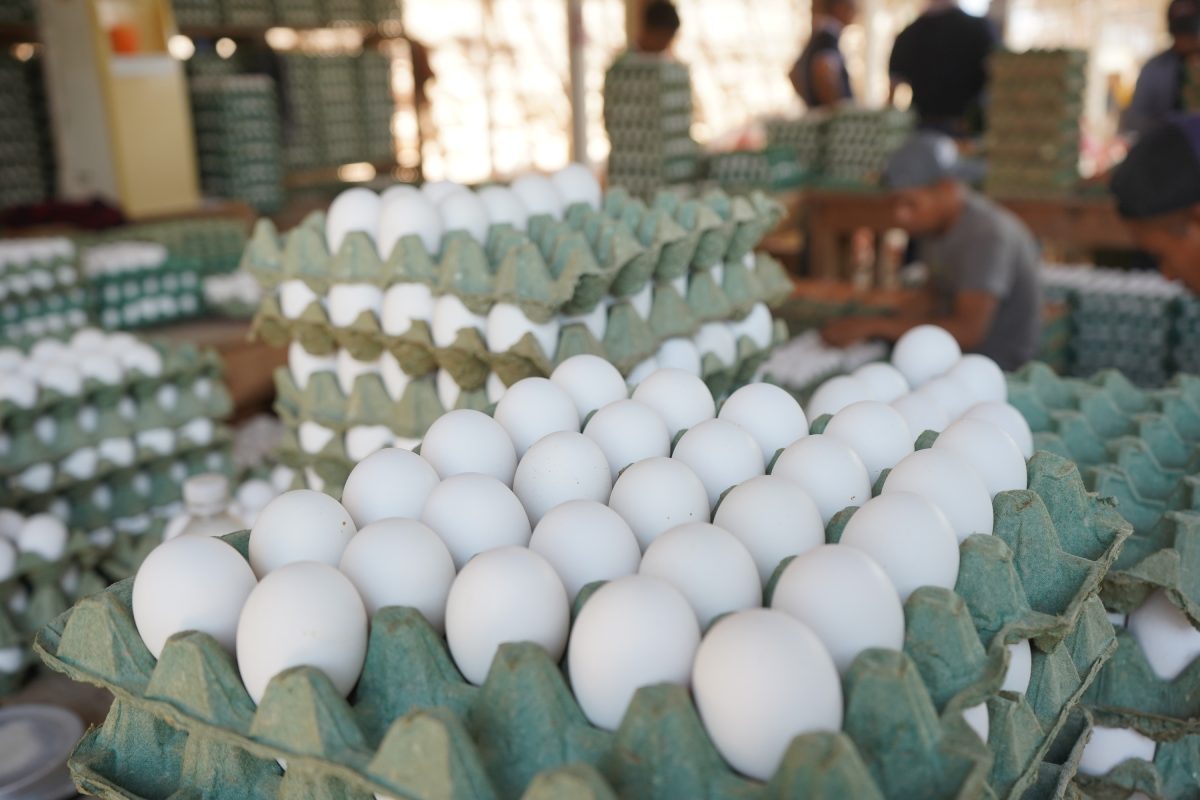
India has experienced a surge in egg production over the past decade, driven by government initiatives and private investments in large-scale layer units, fueled by growing demand from school nutrition programs.
According to the Basic Animal Husbandry Statistics 2025, released by the Department of Animal Husbandry and Dairying, India produced 149.1 billion eggs in 2024–25, marking a 4.44% year-on-year increase and maintaining its position as the second-largest egg producer in the world.
India’s per capita egg availability has risen to 106 eggs in 2024–25, a significant increase from 62 eggs in 2014–15. This milestone reflects enhanced production and improved nutritional access across the country. However, the Indian Council of Medical Research (ICMR) recommends a consumption level of 180 eggs per capita per year.
The country’s egg production is heavily concentrated in South India. The top five egg-producing states — Andhra Pradesh (18.37%), Tamil Nadu (15.63%), Telangana (12.98%), West Bengal (10.72%), and Karnataka (6.67%) — together contribute approximately 64.37% of the nation’s total egg output, underscoring their dominant role.
Many of the largest producers, such as Venky’s (VH Group), Suguna Foods, Srinivasa Farms, and Naga Foods, have poultry facilities in these states. Commercial poultry accounts for 84.5% of the total egg production. According to the Poultry India Association, India is among the countries with the lowest egg prices globally, with retail prices around INR 80 per dozen, depending on market conditions and data sources.
Why India produces the world’s most affordable eggs?
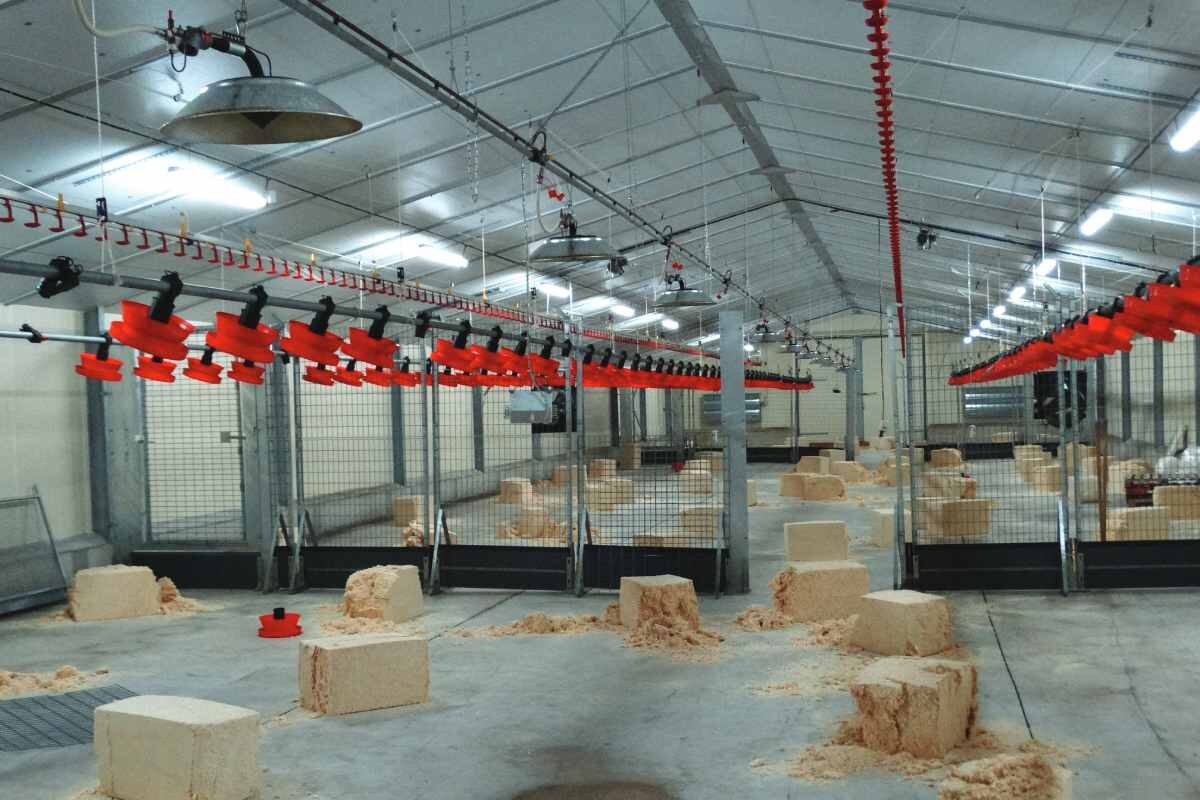
Modern Indian layer operations manage large industrial flocks with optimized genetics and feed conversion, driving down the cost per egg. These farms utilize automated systems and advanced farming techniques to maximize production efficiency and minimize expenses.
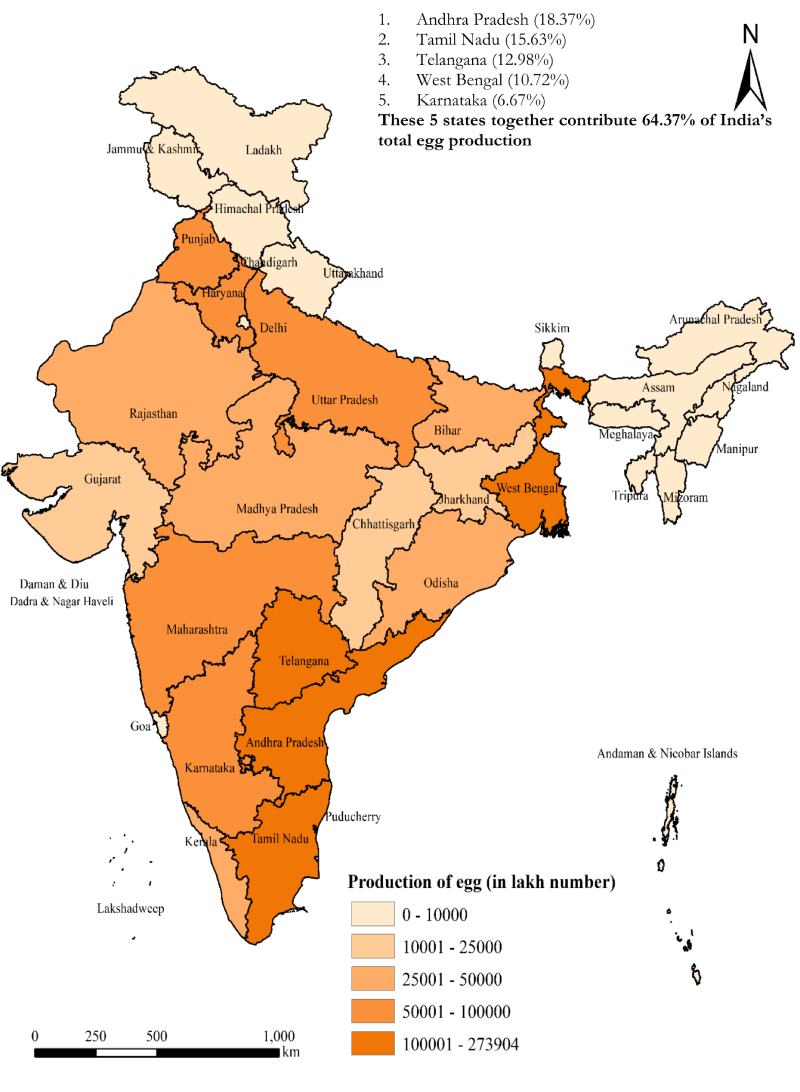
Source: Department of Animal Husbandry and Dairying, India.
Major egg-producing hubs, such as Namakkal and Hospet, improve logistics efficiency by centralizing production, feed supply, hatcheries, veterinary services, packaging, and shipping infrastructure within a single region. This clustering reduces per-egg transportation and operating costs, accelerates distribution, and creates economies of scale across the supply chain.
The presence of numerous poultry farms fosters competition, helping to keep egg prices low. Additionally, many layer farms are situated in lower-cost rural districts where housing and living expenses are more affordable, and there is an abundant labor supply relative to formal job opportunities.
The National Egg Coordination Committee (NECC) plays a crucial role by setting benchmark prices daily based on input costs — such as feed, electricity, and transportation — as well as demand. This approach helps maintain price consistency and prevents chaotic market fluctuations.
Moreover, India supports the poultry sector through various central and state-level initiatives. Fresh shell eggs are exempt from GST as an essential food item, and poultry feed is generally exempt from GST, which indirectly reduces feed costs for producers. Additionally, some Indian states periodically provide assistance or subsidies to the poultry sector during periods of distress.
Export potential and challenges of global expansion
Approximately 0.5% to 1% of India’s total egg production is exported each year. Over 95% of these exports come from Namakkal, a city in Tamil Nadu widely known as the “Egg City” of India. The shell egg export segment is estimated at around $25–30 million annually.
However, broader trade data (OEC), which include processed egg products, indicate total export revenues of approximately $108 million in 2024. The main destinations for India’s egg exports were Oman ($48.8 million), Maldives ($18.5 million), the United Arab Emirates ($13.7 million), Qatar ($12.2 million), and Sri Lanka ($5.31 million).
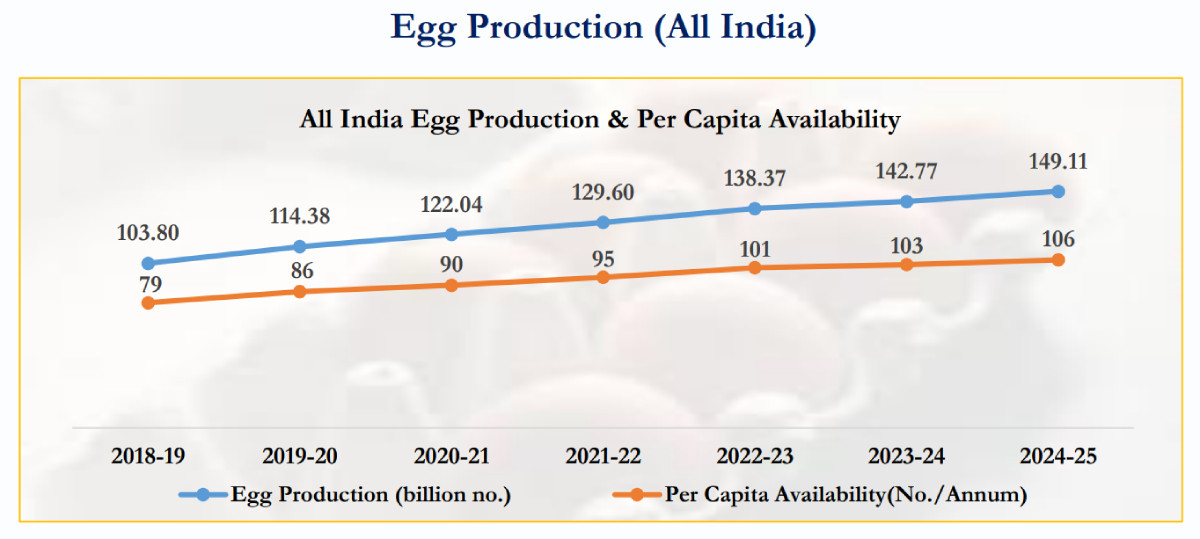
Source: Department of Animal Husbandry and Dairying, India.
Andhra Pradesh is rapidly emerging as a significant player in the global market for eggs and egg powder. The state has immense potential for exports to countries such as Singapore, Malaysia, and Bangladesh. Its proximity to major ports like Visakhapatnam and Kakinada enables efficient export logistics, facilitating the state’s expanding trade relationships with countries in the Middle East, Africa, and Southeast Asia.
India is actively expanding its egg export markets, targeting countries such as Gambia, Nigeria, and the USA, where it is achieving higher returns. The country is well-positioned to increase its egg exports to Gambia by leveraging its competitive pricing and reliable supply capabilities. With Indian eggs priced at $600 per ton compared to Turkey’s $670 per ton, Indian exporters can capitalize on this price advantage to expand their market share in Gambia.
Domestic production capacity and ability to rapidly scale up volumes present an opportunity to establish long-term trade relationships and strengthen India’s presence in the West African market. Several African countries are experiencing growing demand for eggs and poultry products. For example, between 2020 and 2024, imports increased at a compound annual growth rate of 14% in Ivory Coast, 13% in Senegal, and 57% in Uganda.
The country exported eggs to the USA for the first time in March 2025, shipping approximately 3 million eggs. India is well-positioned to competitively supply the USA market. According to industry estimates, export potential could increase, potentially reaching 50–100 containers per month, provided that current infrastructure constraints are addressed and stable trade agreements are established.
India-based CRISIL, a company of S&P Global, concluded that India can capitalize on Uzbekistan’s surging poultry imports and recent market opening by securing veterinary approvals through APEDA, ensuring Halal certification, conducting Salmonella-free testing, and providing WOAH-compliant avian flu notifications for table eggs from Namakkal hubs.
Indian eggs are more cost-effective compared to those from other major producers such as the USA and Europe, making them attractive to price-sensitive markets. However, many potential exporters lack knowledge of global trade requirements and face infrastructural and scalability challenges.
C. Sasikumar, a local poultry owner in Namakkal, said that countries like the UAE require eggs from biosecurity-certified farms with a compartment license, and building such infrastructure requires significant investment. Furthermore, obtaining state and central government-approved certification is a lengthy process, which discourages new exporters and local players.
“Additionally, stricter standards in markets like Qatar — which now require only ‘AA’ or ‘A’ grade eggs weighing at least 60 grams — pose challenges, as Namakkal eggs typically weigh around 55 grams,” he added.
Vangili Subramaniam, President of the Tamil Nadu Egg Poultry Farmers Marketing Society, noted: “Only one-tenth of Namakkal’s 1,300 farms export eggs. The egg export business will grow steadily only if our government secures permanent trade agreements with countries that are not self-sufficient in production”.
Export disruptions linked to tensions in the Middle East
Namakkal hub produces more than 60 to 70 million eggs daily, of which around 5 million are exported each day. It remains the country’s leading hub for egg exports, totaling 150 million eggs every month.
Recent geopolitical tensions in the Middle East have disrupted established export routes, particularly affecting shipments from the Namakkal hub. According to industry sources, this has led to a slowdown in export volumes, resulting in oversupply in the domestic market and downward pressure on prices.
Valsan Parameswaran, Secretary of the All-India Poultry Product Exporters Association, stated that exports have declined sharply, with barely three containers moving per day now, compared to approximately 20 containers per day previously. This clearly illustrates the extent of the slowdown in the poultry export sector.
With exports halted, eggs intended for overseas buyers are flooding the domestic market. Warehouses and farms are struggling to manage the sudden surplus. The NECC has repeatedly reduced egg procurement prices.
The NECC’s suggested monthly average price for Namakkal was INR 5.21 per egg in February, then fell to INR 4.29 in March before rising to INR 4.71 in April. Some farmers report even steeper declines, with eggs selling well below the NECC’s benchmark in certain markets.
Apa Reaksi Anda?
 Suka
0
Suka
0
 Kurang Suka
0
Kurang Suka
0
 Setuju
0
Setuju
0
 Tidak Setuju
0
Tidak Setuju
0
 Bagus
0
Bagus
0
 Berguna
0
Berguna
0
 Hebat
0
Hebat
0