































Malaysia’s poultry sector expected to remain resilient despite feed-import risks
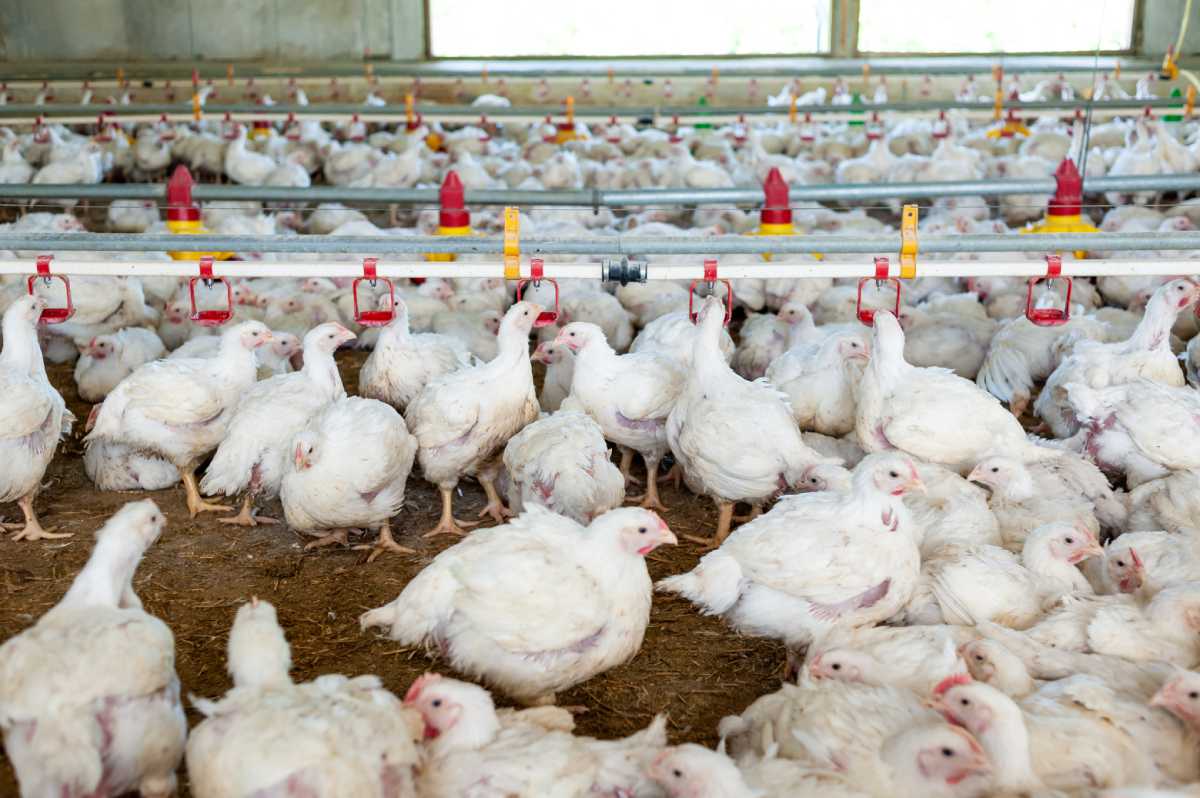
Malaysia’s poultry industry is expected to remain resilient over the medium term, supported by steady demand for chicken and a strong domestic production base. According to MBSB Investment Bank (MBSB IB), however, the country’s reliance on imported feed ingredients remains a major concern for producers.
Chicken is among the most affordable sources of animal protein in Malaysia, helping to keep consumption stable even when production costs rise. According to MBSB IB, Malaysia’s chicken self-sufficiency stands at around 91%–93%, while egg production is estimated at approximately 107% of domestic requirements.
Heavy reliance on imported feed
Feed costs remain the industry’s main vulnerability. Maize and soybean meal account for approximately 70% of poultry feed costs, leaving producers exposed to fluctuations in international prices and exchange rates.
Malaysia produces very little of the maize it needs. According to The Star, domestic production covers just 0.2% of requirements, with imports accounting for the remaining 99.8%. The country is also almost entirely dependent on imported soybean meal.
Changes in global feed prices can therefore have a considerable impact on farm profitability, particularly among smaller producers.
Larger poultry companies, especially those with vertically integrated operations, are generally better equipped to cope with these fluctuations. Their involvement in several stages of the supply chain, including feed procurement, breeding, farming and processing, gives them greater control over production costs.
Smaller farmers have fewer resources to absorb prolonged price increases. MBSB Research has warned that continued pressure on these operators could eventually affect domestic poultry supply.
Production targets for 2030
Malaysia’s National Agrofood Policy 2021–2030 (NAP 2.0) sets self-sufficiency targets for poultry meat and eggs, as part of broader efforts to strengthen domestic food production.
For poultry meat, the government established a target of 120% for 2025 and 140% by 2030. For eggs, the corresponding figures are 114% and 123%. These figures represent policy objectives, rather than confirmed production levels.
The policy is intended to strengthen food security while creating more opportunities for exports. It also calls for a more sustainable and technologically advanced agrofood sector.
The country’s reliance on imported feed ingredients nevertheless remains a challenge for producers, particularly when international prices rise. Despite Malaysia’s substantial domestic poultry production, maize and soybean meal prices remain largely beyond the control of local farmers.
Apa Reaksi Anda?
 Suka
0
 Kurang Suka
0
 Setuju
0
 Tidak Setuju
0
 Bagus
0
 Berguna
0
 Hebat
0