


























Sustainable animal welfare implementation for more efficient poultry farming
Over the last decades, there have been increasing attempts to implement animal welfare standards within the food production systems, aiming to prevent unnecessary suffering for animals. Particularly as regards poultry production, both for meat and eggs, many non-governmental campaigns have put birds’ welfare under the spotlight with the goal of improving their living conditions. They also made consumers more aware of some poultry production practices, stimulating their demand for greater welfare standards to be met by all stakeholders involved in the production chain, from farms to slaughterhouses. At the same time, it is beneficial for industry stakeholders to guarantee animal welfare: not only will they satisfy both market demands and legal requirements but they will also witness better animal performances and reduced losses, leading to substantial economic gain.
Economic benefits coming from animal welfare implementation: what do we know?
Despite the widely shared consensus on the financial returns coming from improved animal performances and reduced losses thanks to animal welfare implementation, the scientific community has not been providing the number of related studies one would expect, given the importance of the topic, especially for broiler producers. A systematic search of the relevant scientific literature (1982–2022) revealed that, although there was a significant and increasing number of articles addressing animal welfare, only a few of them focused exclusively on chicken production. These studies were mainly coming from North America, Europe, and Australia. Only seven articles, while also directly or indirectly evaluating what variables influenced the welfare of broilers, considered the economic impact of applying or failing to apply animal welfare principles without, however, specifically evaluating and estimating the economic returns coming from these welfare practices.
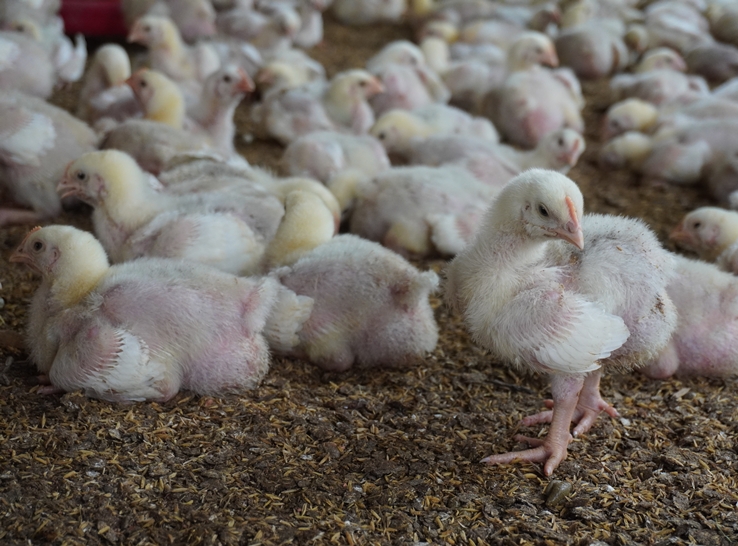
Guaranteeing a comfortable environment for birds is paramount to reduce mortality, as well as food and water wastage and, thus, increase profitability per bird. Comfort on a poultry farm is affected by many different factors that, in turn, are strictly intertwined: stocking density, litter and air quality, temperature, lighting, nutrition, and overall management practices. A quality litter, for instance, is influenced by variables such as inadequate ventilation, intestinal health, feed composition, stocking density, season, and bird live weight. Furthermore, there is a relevant body of studies that investigated the impact of stocking density on animals’ body weight gain, feed conversion ratio, and mortality, which would be worsened due to increased litter moisture, air ammonia concentrations, microbial loads in the environment, and cortisol levels associated with stress. Although mainly associated with high growth rate, lameness incidence also appears to be related to population density, as well as to diseases such as footpad dermatitis and hock burns, nutritional deficiencies, air quality, lighting and circadian rhythms, age, and management practices, including bird genetics. Animal comfort should be maintained also during transport to the slaughterhouse, including during handling and loading. Poor animal handling strategies at these stages, such as loading from different farms, are highly stressful for birds, resulting in increased mortality. Birds that die during transport are referred to as dead-on-arrival (DOA) and such deaths are considered to be caused by factors that act during the transportation process. Both DOA and other slaughter condemnations, greater in high-DOA flocks, carry clear economic consequences, and they may be related to both pathological or non-pathological causes. Research has demonstrated that DOA rates may be influenced by extreme climatic conditions, such as those in summer and winter, for which alternative transport management practices need to be implemented to keep animals within their thermoneutral zone. However, the stress suffered by birds during harvesting and transport remains one of the most harmful factors. Studies have reported a greater incidence of lung congestion and trauma in DOA birds, which can be directly related to stressful catching and transportation. Nonetheless, higher DOA rates may also be due to pre-existing diseases, such as ascites and osteomyelitis, and to a greater incidence of sudden death syndromes.
The Poultry Chain Management platform for a more efficient and sustainable poultry production chain
Regardless of the fact that mortality is recorded on farm or at arrival, all causes of death represent a financial loss that needs to be addressed. Aware of the great relevance of the topic, researchers have developed the Poultry Chain Management platform — an automated monitoring tool collecting data from the entire poultry production chain, from the arrival of the birds at the farm to the slaughterhouse. Data are then divided according to four production stages:
- Breeding: temperature, humidity, luminosity, CO2, and ammonia levels are recorded every 30 seconds;
- Loading: monitoring of how batches are loaded into cages and trucks according to the operators’ arm swinging recorded by electronic bracelets;
- Transport: mortality, duration of transportation, temperature, humidity, acceleration, ammonia, and CO2 levels;
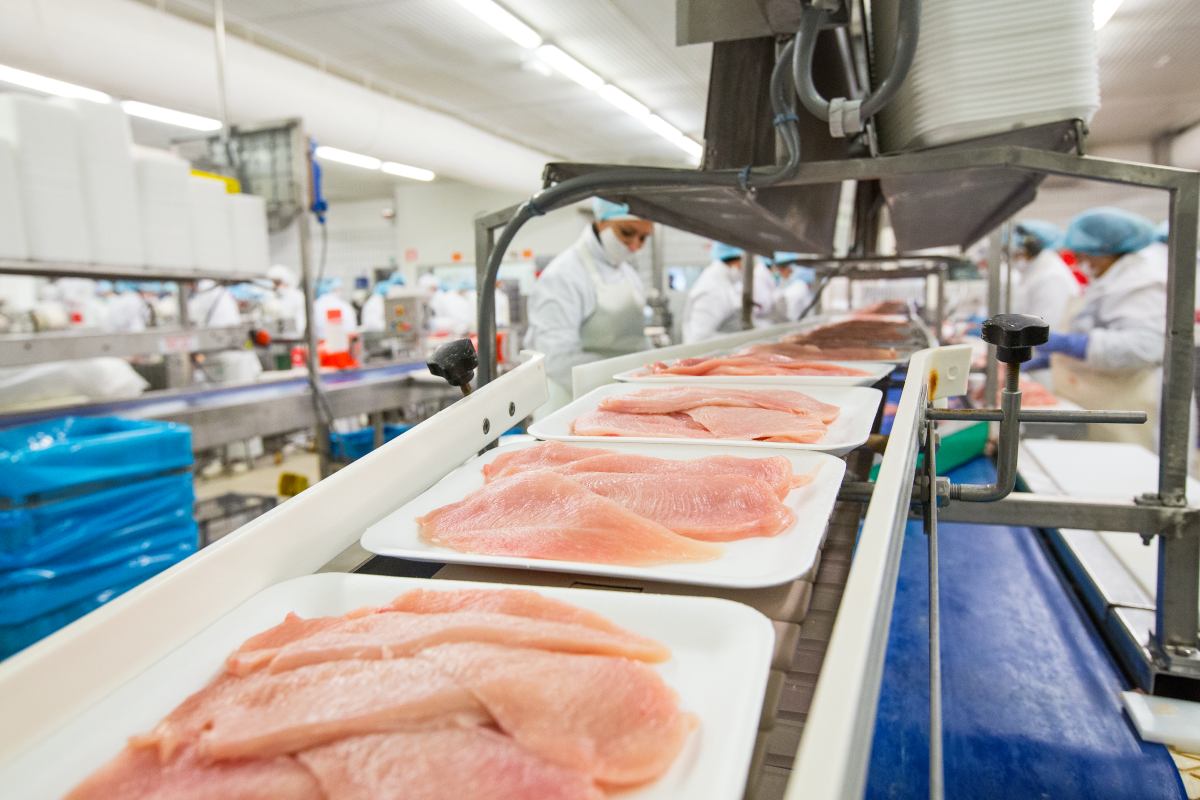
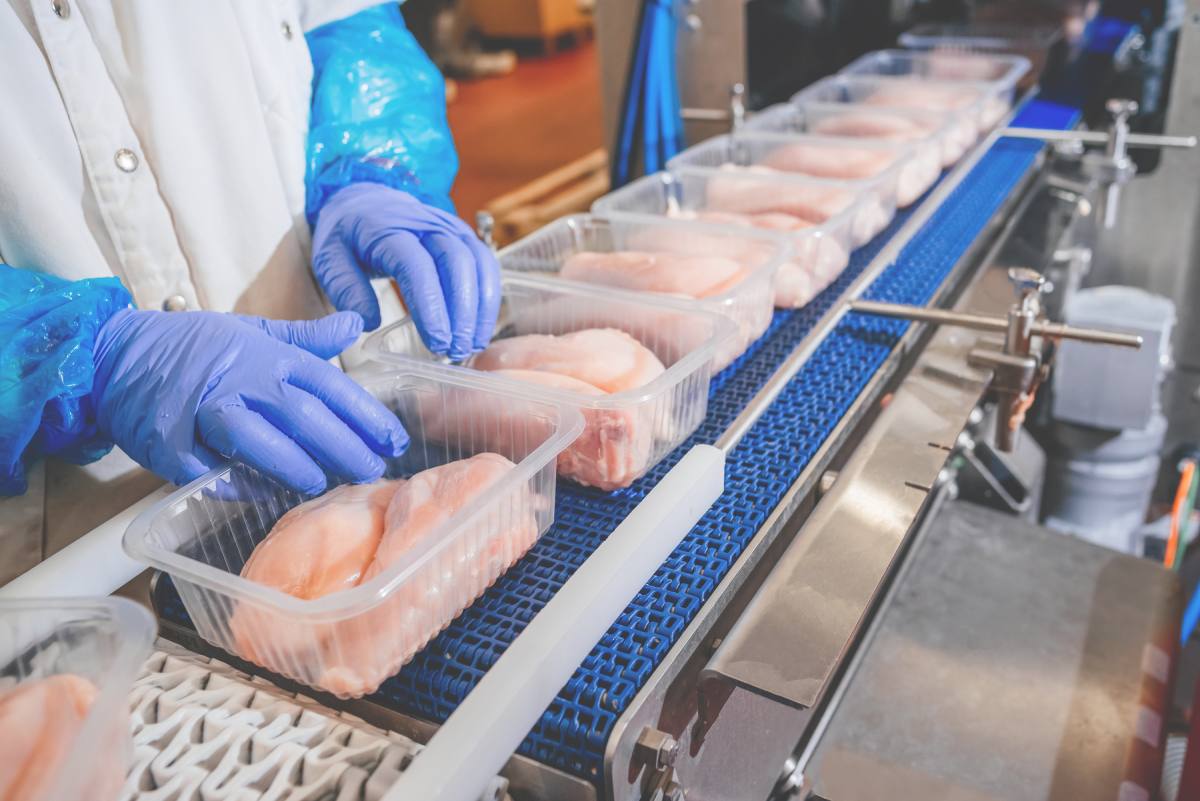
- Slaughterhouse: number of animals killed and their physical conditions (broken wings, contusions, bruises, other broken bones), processing and packaging procedures (percentage of poorly eviscerated and poorly washed birds), quality of the meat (classified as “A” if most of the final meat is of high quality and “B” if otherwise).
Thanks to this integrated data collection, Key Performance Indicators could be identified and analyzed to highlight critical issues within each stage and, thus, improve the overall management of the chain.
Consumers’ perspectives
It is interesting to note that, although concerns about animal welfare are nowadays an established reality among both the stakeholders of the sector and the general public, no final consensus is shared by consumers towards what animal welfare is exactly and what ensures ethical living conditions for animals. There has been a study that divided consumers into three main categories depending on their perceptions of animal welfare in the broiler production systems. A first group (39% of involved individuals) “focused on space” as the main welfare factor, considering elements such as access to open air and low animal stocking density crucial to birds’ welfare. A second category of individuals (14%) “focused on the slaughter method” and, particularly, whether stunning was used. These first two consumer profiles had a more speculative view of the poultry rearing systems and, likely, a “one-dimensional” view of animals. Only about half (47%) of involved consumers “focused on multiple attributes”, demonstrating a balanced and comprehensive perspective on the complex concept of animal welfare. They seemed to hold a more nuanced perception of what the different broiler production systems are and, therefore, to be aware that animal welfare needs to be ensured through a wide range of different standards.
Final considerations
Especially in light of the expected increase in world population and, as a consequence, in the demand for animal food, poultry and, even more, broiler production is bound to play a crucial role in the global food security and protein supply, particularly in developing countries. Ensuring animal welfare, therefore, needs to go hand in hand with the growth of the sector. Not only because of ethical considerations but also due to the economic implications associated with poor welfare practices, such as reduced farm performances and consumer acceptance, and greater carcass condemnations. However, deeper considerations should be made in research to evaluate and describe the financial impact of welfare issues, especially for farmers, so as to raise their awareness on the benefits coming from good and sustainable animal welfare implementation while, at the same time, help them navigate their options to change their management strategies or, possibly, farm facilities. In fact, it should be acknowledged that ensuring higher welfare standards usually comes with greater production costs that farmers might not be willing to accept, especially in a highly competitive sector such as that of poultry farming, unless compensated by market mechanisms such as price premiums on the final products.
Source
Barbosa, D.K.; Heiss, V.A.R.C.; Burbarelli, M.F.C.; Seno, L.O.; Garcia, R.G.; Pietramale, R.T.R.; Caldara, F.R. Relationship Between AnimalWelfare Metrics, Production, Slaughter, and Economic Gain in Poultry Farming. Poultry 2025, 4, 48. https://doi.org/10.3390/poultry4040048 Licensed under the Creative Commons Attribution 4.0 International License (CC BY 4.0) (http://creativecommons.org/licenses/by/4.0/).
Text summarized and editorially adapted by the Zootecnica – Poultry Magazine editorial team.
Apa Reaksi Anda?
 Suka
0
Suka
0
 Kurang Suka
0
Kurang Suka
0
 Setuju
0
Setuju
0
 Tidak Setuju
0
Tidak Setuju
0
 Bagus
0
Bagus
0
 Berguna
0
Berguna
0
 Hebat
0
Hebat
0