













































My Aunt Thelma, Juneteenth, and the Meaning of Trust


When I was growing up, my Irish uncle married my Aunt Thelma, a Black woman, during the 1960s. Their marriage was not embraced by everyone in our extended family. Some relatives never fully accepted their union, and as a child and young adult, I remember feeling angry and protective of my aunt.
To me, Aunt Thelma was never “different.” She was simply my aunt. I adored her. She was kind, loving, intelligent, and an important part of my life.
As I became older, I began to understand that the prejudice I witnessed within my own family was part of a much larger story. Discrimination did not exist only around dining room tables or family gatherings. It also existed within housing, education, employment, and healthcare.
Juneteenth gives us an opportunity to reflect upon freedom, equality, and the work that still remains.
Healthcare is one area where history continues to influence the present.
Many Americans are familiar with the story of Henrietta Lacks, whose cervical cancer cells were taken in 1951 without her knowledge or consent. Her cells became one of the most important medical discoveries in history, contributing to vaccines, cancer treatments, and scientific advances that continue today.
The Tuskegee Syphilis Study further damaged trust when Black men with syphilis were denied treatment even after effective therapies became available. These events are not ancient history. They are part of the lived experience passed through generations.
Understanding this history helps explain why some communities approach healthcare with caution and skepticism.
At the same time, continued medical research remains essential.
Different populations experience different health risks. African Americans have higher rates of hypertension, stroke, kidney disease, and maternal mortality. Certain Hispanic communities experience higher rates of Type 2 diabetes. Asian populations often develop diabetes at lower body weights than previously recognized. Native American communities continue to experience some of the highest diabetes rates in the country.
Research helps us understand these differences and develop better treatments for everyone. But research must be conducted ethically, transparently, and with informed consent.
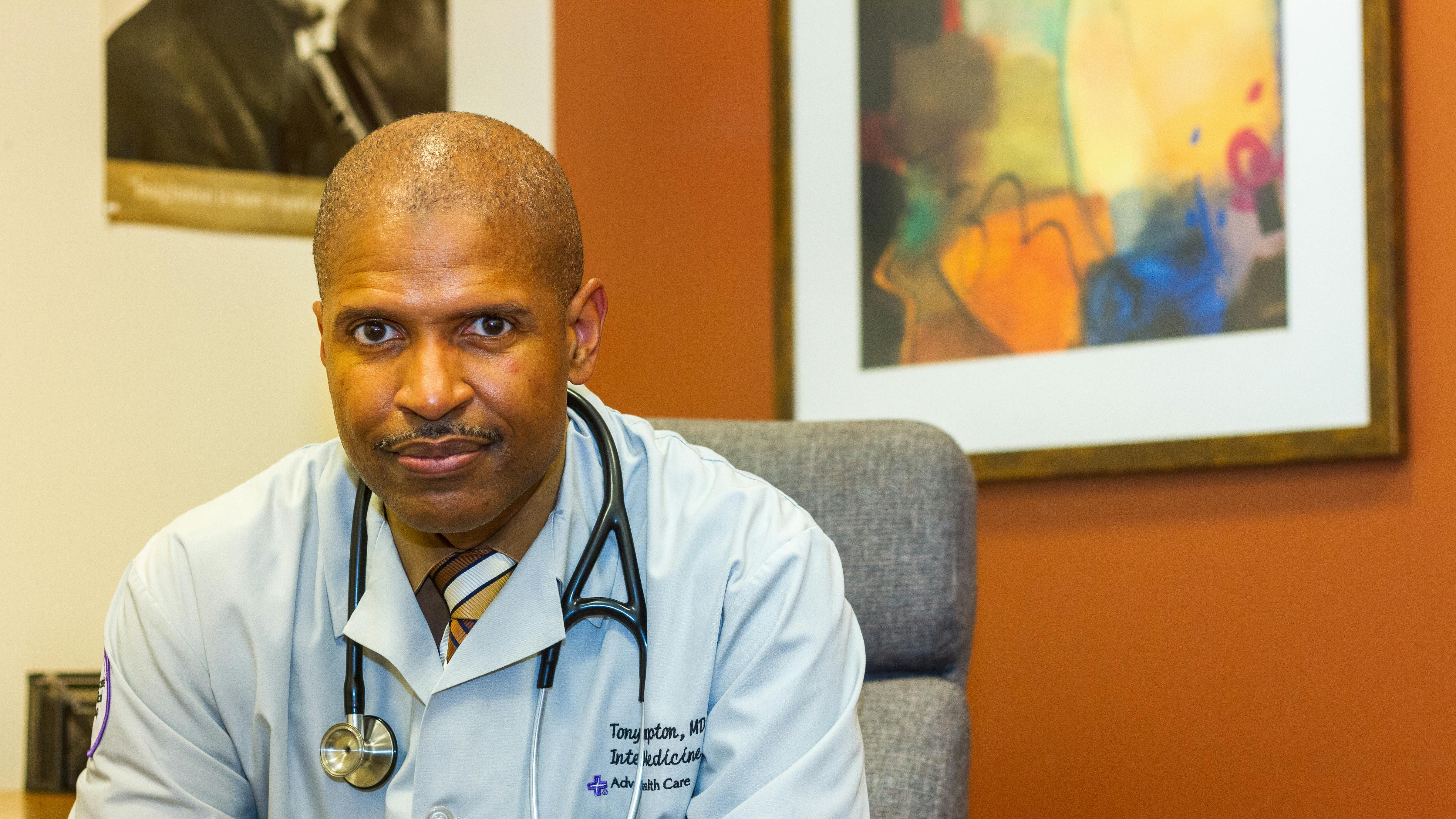
As someone who has spent decades writing about diabetes and healthcare, I believe trust is one of the most important medicines we can offer.
Trust between patients and physicians.
Trust between researchers and communities.
Trust that every patient will be heard, respected, and treated with dignity.
When I think about Juneteenth, I think about my Aunt Thelma. She filled our family gatherings with warmth and love, and the lessons she taught me about grace and acceptance have stayed with me throughout my life.
That lesson still feels relevant today.
What's Your Reaction?
 Like
0
Like
0
 Dislike
0
Dislike
0
 Agree
0
Agree
0
 Disagree
0
Disagree
0
 Excellent
0
Excellent
0
 Useful
0
Useful
0
 Great
0
Great
0