





















































The Best Sunscreen to Use After Lasers and Microneedling


Everything that you put on your skin after laser, microneedling, or radiofrequency will likely get into the deeper layers of your skin. Choosing the wrong SPF can lead to serious problems like severe inflammation, hyperpigmentation, delayed healing, or contact allergies. In this blog- we will discuss which sunscreens are safest after ablative and non ablative lasers, microneedling and radiofrequency treatments.
[[ctaquiz]]

Why Choosing the Right SPF to Use After Procedures Is Important
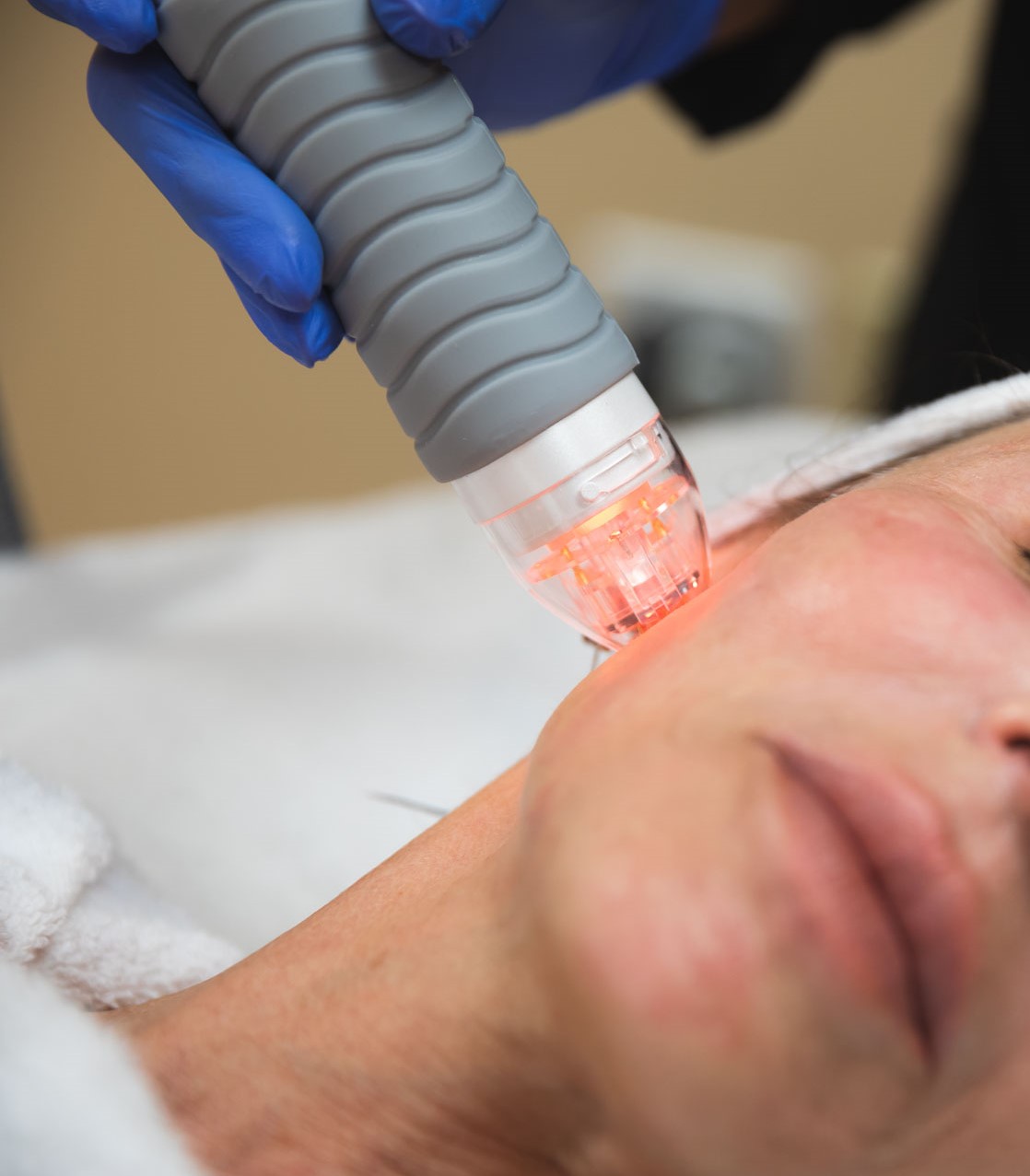
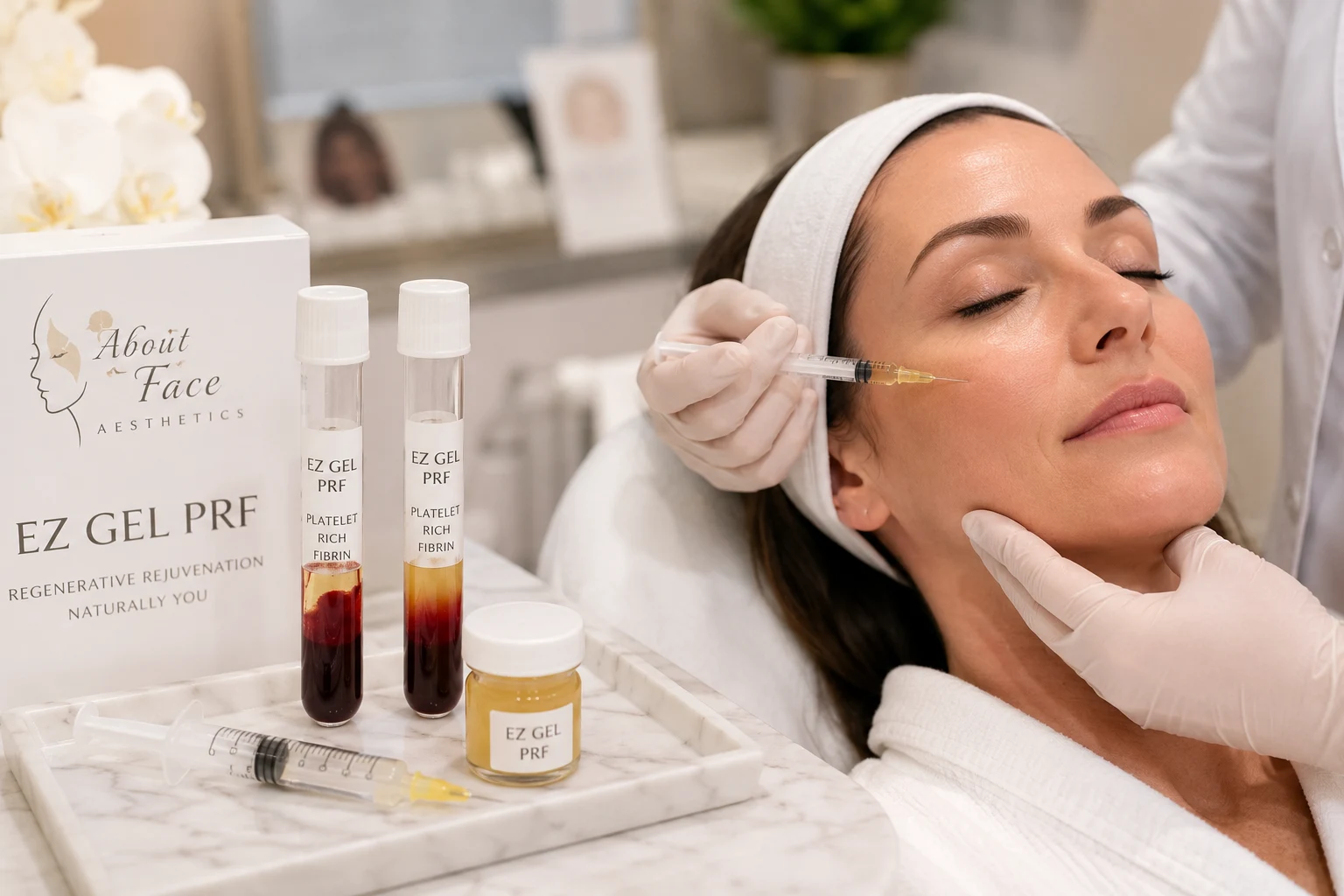
Advanced aesthetic treatments like lasers and microneedling temporarily leave the skin vulnerable to environmental dangers. Standard lasers create a controlled thermal burn on the skin tissue, while traditional microneedling punctures thousands of physical holes into the surface that remain open for hours. Radiofrequency (RF) microneedling delivers a double impact, generating both internal thermal burns and open physical holes simultaneously.
These procedures disrupt your skin's outer defense system and make you highly susceptible to serious threats that can enter the body through these holes and burns. Airborne bacteria, fungal spores, harsh cosmetic chemicals, toxic heavy metals from tap water, and stinging synthetic preservatives can easily penetrate the open tissue, leading to prolonged inflammation, delayed wound healing, severe contact allergies, or deep tracking infections.
So take the time to buy a proper sunscreen to use after your laser, microneedling and radiofrequency treatments.
Safe Sunscreens for After Laser and Microneedling
These are the sunscreens that most dermatologists and plastic surgeons recommend to use post procedure.
Make sure you use these every day for at least 2 weeks after getting these procedures.
EltaMD UV Skin Recovery SPF 50 was created for skin recovering from thermal burns and open micro-holes from needling procedures. It is made with pharmaceutical-grade, ultra-purified water that is free of trace heavy metals like lead that trigger inflammation. This post procedure sunscreen contains zero chemical filters, drying alcohols, or preservatives, so it won't burn raw tissue. This 100% mineral zinc oxide sunscreen utilizes ceramides and Centella Asiatica to safely calm intense redness and actively rebuild the skin’s defenses.
EltaMD UV Physical Broad-Spectrum SPF 41 was formulated specifically to shield highly sensitive, post-procedure healing skin. This phenoxyethanol-free SPF features a 100% mineral shield of zinc oxide and titanium dioxide, ensuring zero stinging or chemical heat absorption on raw tissue. It incorporates gentle mineral iron oxides to block damaging blue light while providing a universal tint that naturally camouflages intense erythema. To combat oxidative stress, this non-irritating formula infuses water-soluble thioctic acid (alpha lipoic acid) and potent plant flavonoids like linoleic acid and quercetin to neutralize free radicals, suppress cellular inflammation, and safely comfort swelling skin.
Alastin SilkSHIELD All Mineral Sunscreen SPF 30 was engineered specifically to protect and support highly delicate skin following cosmetic treatments and resurfacing procedures. This completely phenoxyethanol-free and fragrance-free formula provides a 100% mineral shield using 19.95% zinc oxide to block UV rays without causing any chemical burning or heat generation.
This post procedure SPF contains TriHex Technology®, a specialized blend of active peptides and botanicals that works down in the skin to clear out damaged elastin and collagen while prompting the rapid growth of healthy new proteins. It also incorporates powerful, non-irritating antioxidants like Ectoin to block high-energy visible (blue) light and neutralize environmental free radicals, creating an invisible, soothing canopy that accelerates the natural wound-healing timeline without clogging open micro-channels.

What Ingredients to Avoid in SPF After Laser and Microneedling
Your damaged skin needs to be protected after getting lasers and microneedling that leave holes on the skin's surface. This is a list of ingredients to avoid for at least the first 48 hours after getting laser or using a microneedling device such as a Skin Pen or Dermaroller.

Avoid Chemical Sunscreen Filters
When chemical sunscreen agents enter the skin through open micro-channels or make contact with thermal laser burns, they may induce an immediate, intense chemical sting and burning sensation. When chemical filters absorb ultraviolet light, they trigger a molecular reaction that converts the high-energy radiation into thermal energy. This newly generated heat is transferred directly into the skin tissue, which can worsen inflammation and cause severe stinging on already burned or punctured post-procedure skin.
For post-procedure skin care, it is vital to use 100% physical (mineral) sunscreens instead of chemical sunscreens. Mineral filters, such as Zinc Oxide and Titanium Dioxide, sit safely on the surface of the skin like a protective shield, reflecting UV rays away without absorbing into the raw tissue or generating heat.

Avoid Unfiltered Tap Water
Water is the largest ingredient by volume in most liquid sunscreens. The purity of the water dictates how safe the final product is for open wounds.
Standard municipal tap water or low-spec cosmetic water contains microscopic traces of dissolved mineral ions and heavy metals, such as lead, iron, and copper. When applied to an intact skin barrier, these trace elements are mostly blocked. However, on open or laser-treated skin, these toxic metals penetrate deeply into the vulnerable tissue. Inside the wound, heavy metals act as chemical catalysts that generate free radicals, cause oxidative stress, and degrade the collagen necessary for proper skin rebuilding.
Using a pharmaceutical-grade, ultra-purified water system that aggressively strips out all heavy metals ensures that the liquid vehicle remains entirely inert, sterile, and safe for raw skin. Make sure you choose a brand like EltaMD that uses pharmaceutical grade water in it's prodcuts.

Avoid Fragrance
Avoiding artificial and natural fragrances is non-negotiable for post-procedure sunscreens. Whether synthetic or derived from natural essential oils, fragrance molecules are the number one cause of contact dermatitis and cosmetic allergies. When applied to skin that has been thermally burned by lasers or physically punctured by microneedling, these volatile aromatic compounds bypass the disabled skin barrier and penetrate directly into deep tissue layers. This deep exposure triggers an immediate, intense burning sensation, causes severe redness and swelling, and can ultimately lead to post-inflammatory hyperpigmentation or scarring. To ensure the wound healing process is not derailed by localized allergic reactions, your post-care sunscreen must be strictly 100% fragrance-free.

Avoid Phenoxyethanol
Phenoxyethanol is a common synthetic preservative used throughout the skincare industry to prevent the growth of bacteria, yeast and fungus in skincare products. While the FDA allows it in cosmetic products at a concentration of up to 1%, that safety limit is calculated based on intact, healthy skin.
When skin is injured, phenoxyethanol gets into the tissue far too easily. Because the broken skin absorbs significantly higher concentrations of the preservative, phenoxyethanol can cause immediate contact allergies, intense stinging, and localized toxicity in the raw wound. To protect your skin after laser, microneedling and radiofrequency treatments, it is best to avoid products with phenoxyethanol.
Ingredients To Use in Postprocedure Sunscreens
Besides physical sunscreens like Titanium dioxide and zinc oxide, there are other good ingredient types to look for in a post procedure sunscreen, such as -
Gentle Antioxidants
The process of skin wounding and subsequent tissue healing naturally generates a massive wave of free radicals (reactive oxygen species) within the tissue. Left unchecked, this intense oxidative stress damages healthy surrounding cells, triggers prolonged inflammation, and breaks down the vital structural proteins needed for repair.
Apply non-irritating antioxidants in sunscreen neutralizes these free radicals. This helps protect the vulnerable tissue and accelerate healing.
Avoid aggressive or acidic antioxidants like L-Ascorbic Acid / (Vitamin C) on open wounds.
Iron Oxides
Iron oxides are mineral pigments that block visible light and high-energy visible (HEV) blue light, which traditional sunscreens ignore. This prevents post-inflammatory hyperpigmentation and melasma flare-ups common after heat-inducing laser treatments.
You can use iron oxides after laser treatments. However, do not use sunscreens with iron oxides for the first 24 hours after microneedling because the channels may still be open depending on the diameter of the needles used.
Summary
To ensure optimal healing, rely exclusively on these gentle, physical mineral sunscreens to use after laser treatment for at least 48 hours, or until your skin barrier has completely closed and healed. Avoiding chemical filters, harsh preservatives, and synthetic dyes during this critical window prevents painful burning and protects your face from unnecessary complications.
Once your skin is fully re-epithelialized and no longer raw or open, you can safely transition back to your standard daily skincare products- but make sure you are using the correct skin care routine for your Baumann Skin Type.
[[ctaquiz]]

Dr. Leslie Baumann MD, FAAD

Can I put on sunscreen immediately after microneedling if I have to walk to my car?
Microneedling leaves thousands of physical micro-channels in the skin that remain open for 3 to 24 hours. If possible, avoid putting anything on your skin for 24 hours. If you need to walk to your car, wear a clean, wide-brimmed sun hat, adjust your vehicle's sun visors, and avoid direct sunlight on your way home. Then go home and stay home if possible.
Why does my usual daily sunscreen burn after a laser treatment?
If your daily SPF has a chemical sunscreen, fragrance, phenoxyethanol, or any acids, it will feel like acid on your post-procedure face. It is better to use a sunscreen designed for post laser skin.
How do I safely wash off water-resistant mineral SPF when my face is raw and peeling?
Remove SPF from post laser skin with a double-cleanse method. Use a pure, fragrance-free facial oil or a very bland, fragrance and phenoxyethanol free oil cleanser. Gently press and glide the oil over your face without rubbing or pulling the skin. The oil will naturally dissolve the stubborn zinc oxide and surface pigments. Splash the face thoroughly with a large volume of lukewarm water to break down the film. (Use bottled water or filtered water) Follow this immediately with an ultra-gentle, non-stripping, non-foaming cream cleanser to sweep away any remaining residue without disrupting your compromised skin barrier.
References on Sunscreen after Laser and Microneedling
- Baumann L., Weisburg, E. Pre and postprocedure Skincare Guide for Surgical Patients in Ch.36 37 of Baumann's Cosmetic Dermatology Ed 3. (McGraw Hill 2022)
- Baumann, L. Ch. Cosmeceuticals and Cosmetic Ingredients (McGraw Hill 2015)
- Baumann, L. (2014). Optimizing Outcome from Facial Cosmetic Injections and Promoting Realistic Expectations. In Pearls and Pitfalls in Cosmetic Oculoplastic Surgery (pp. 459-462). New York, NY: Springer New York.
- Baumann, L., & Monteiro, E. (2020). Tip Chapter: How Might Cosmeuticals Improve Skin Aesthetic Procedures Outcome?. In Minimally Invasive Aesthetic Procedures: A Guide for Dermatologists and Plastic Surgeons (pp. 605-617). Cham: Springer International Publishing.
- De Dominicis, M., Shearan, J., Miyata, A., Reddy, A., Le, E., Downes, S., ... & Rajarathnam, G. P. (2025). Heat Transfer of Sunscreens: Investigation into the Conductive Properties of Sunscreen. The Sydney Journal of Interdisciplinary Engineering, 1(2), 63-83.
- Meyer PF, Silva RMVD, Carreiro EDM, et al. Analysis of immediate use of sunscreen after microneedling. Photodermatol Photoimmunol Photomed. 2021;37:521–529. https://doi.org/10.1111/phpp.12704Lee, K. W. A., Chan, L. K. W., Song, J. K., Lee, C. H., Kim, J. H., & Yi, K. H. (2025). Importance of Using Sunscreen After Light or Laser Facial Treatment: A Literature Review. Life, 15(9), 1484.


What's Your Reaction?
 Like
0
Like
0
 Dislike
0
Dislike
0
 Agree
0
Agree
0
 Disagree
0
Disagree
0
 Excellent
0
Excellent
0
 Useful
0
Useful
0
 Great
0
Great
0