































































The Expert Guide to Skin Care and Treatment (2026)


Did you know that over 60% of adults report having skin concerns, yet only a fraction follow expert-recommended routines? This gap highlights a growing need for reliable information as the world of skin care rapidly evolves.
By 2026, advances in science and technology are set to revolutionize how we approach daily skin wellness. Personalized solutions, smart devices, and data-driven insights are changing the game for healthier, more radiant skin.
Adopting advanced skin care and treatment methods can help you achieve lasting results and boost your confidence. If you are ready to unlock the secrets of glowing skin, this expert guide is your starting point.
Here, you will find a comprehensive overview of skin care and treatment, blending the latest research, trends, and professional advice. Explore topics like understanding skin types, creating a modern routine, cutting-edge treatments, ingredient breakthroughs, and what the future holds for your skin health.
Understanding Your Skin: Types, Concerns, and Assessment
Understanding your skin is the foundation of effective skin care and treatment. Each person’s skin is unique, shaped by genetics, lifestyle, and environment. By learning about your skin type, concerns, and needs, you can make informed choices that lead to healthier, more radiant skin.
The Science of Skin Types
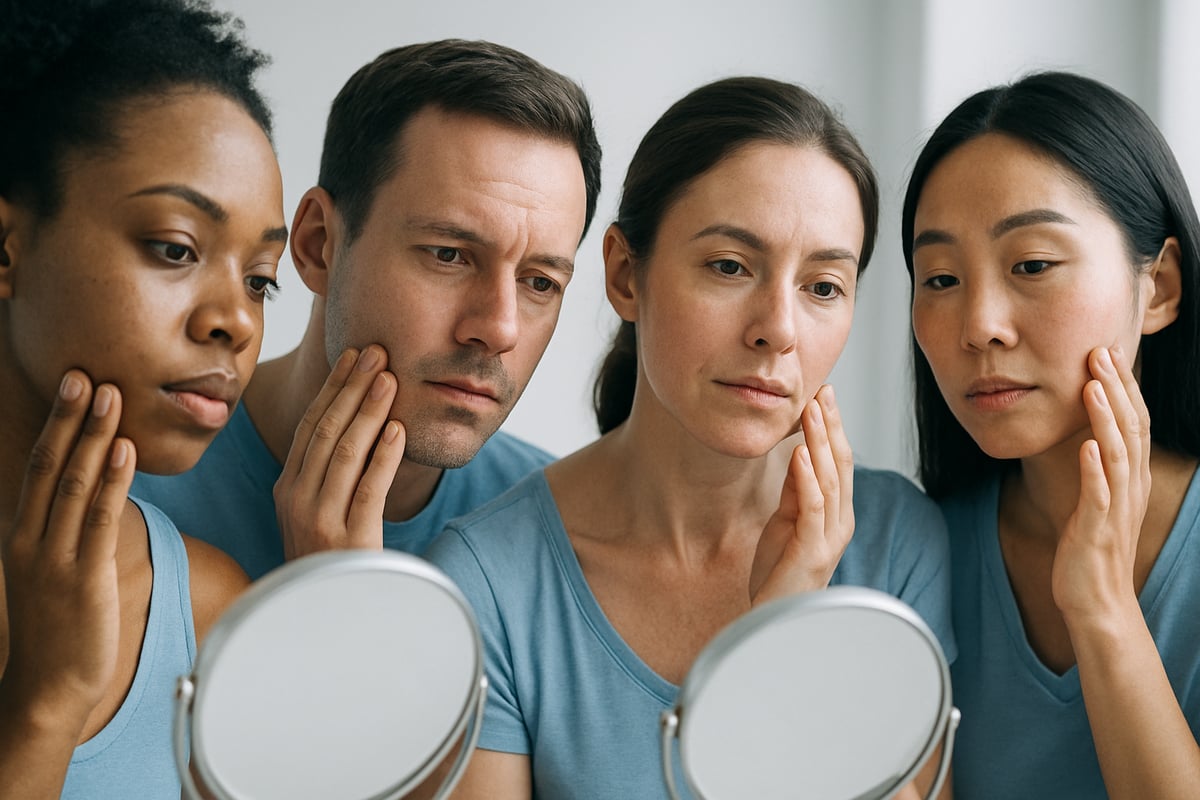
Skin types fall into five main categories: normal, oily, dry, combination, and sensitive. Each type has distinct characteristics, such as oil production, texture, and tendency toward redness or irritation. Genetics play a major role, but environmental factors like climate and pollution also influence your skin type.
For example, someone with oily skin may notice more shine and enlarged pores, while those with dry skin experience flakiness and tightness. According to the American Academy of Dermatology, 35 percent of adults misclassify their skin type, leading to less effective skin care and treatment. Identifying your true skin type is the first step toward choosing the right products and routines.
Common Skin Concerns in 2026
In 2026, skin care and treatment trends reflect a rise in issues such as acne, hyperpigmentation, aging, rosacea, and sensitivity. Urban living brings higher exposure to pollution, which, combined with stress and increased screen time, impacts skin health. For instance, 72 percent of urban dwellers report heightened sensitivity.
Recent years have also seen a surge in adult acne, often linked to mask-wearing and lifestyle shifts. Addressing these concerns requires a proactive approach, using products and routines tailored to your specific situation.
How to Assess Your Skin’s Needs
Assessing your skin at home starts with observation: notice oiliness, dryness, or redness after cleansing. Next, test for sensitivity by applying a gentle product and monitoring reactions. Technology now plays a vital role in skin care and treatment, with apps and AI-driven analysis tools offering up to 90 percent accuracy in identifying issues.
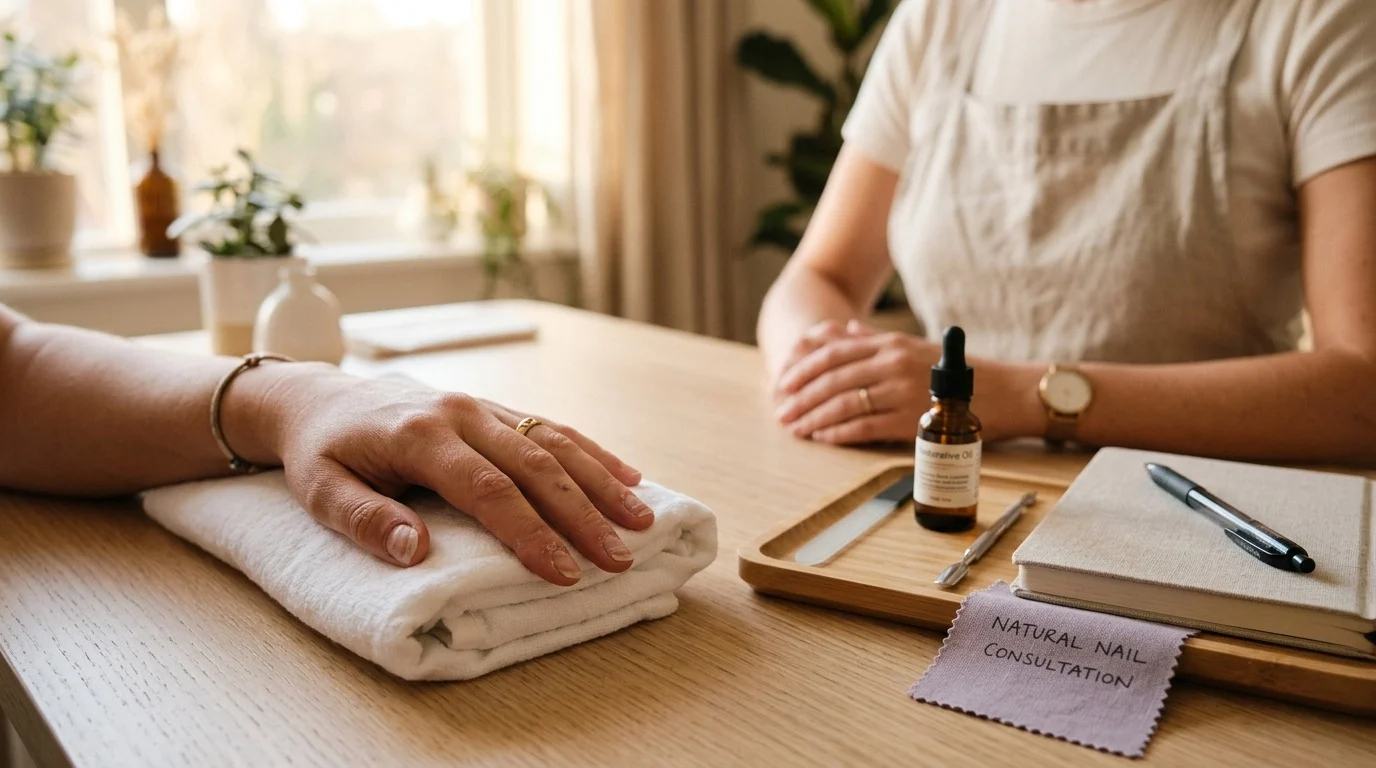
Professional consultations remain invaluable, especially for persistent or complex concerns. If you notice sudden changes, unresponsive breakouts, or severe irritation, seek expert evaluation for precise guidance.
Personalized Skin Care: Why One Size Doesn’t Fit All
Modern skin care and treatment emphasizes personalization. Your ethnicity, age, and lifestyle all influence what your skin needs. For example, custom formulation services are on the rise, offering products tailored to your unique profile.
Ongoing assessment is essential, as your skin changes over time. To learn more about individualized approaches and how they improve results, explore the Customized skin treatments overview. Personalized care leads to better outcomes and long-term skin health.
Building the Ultimate Skin Care Routine in 2026
A well-designed skin care and treatment plan is essential for maintaining vibrant, healthy skin in 2026. With science and technology rapidly advancing, routines are now more customizable and effective than ever. Let us walk through each step to help you build the ultimate regimen for your unique needs.
The Core Steps: Cleanse, Treat, Moisturize, Protect
Every effective skin care and treatment routine begins with four foundational steps. First, cleansing removes dirt and pollutants, preventing buildup that can trigger breakouts or dullness. In cities or high-pollution zones, double cleansing is especially helpful for maintaining a clear complexion.
Next comes treatment, where you target specific concerns such as acne, pigmentation, or redness using serums or spot treatments. Moisturizing supports the skin barrier, delivering hydration and balancing oil production. Finally, protection is crucial—daily sunscreen defends against UV damage and environmental stressors.
-
Cleanse: Remove impurities and makeup
-
Treat: Apply targeted serums or treatments
-
Moisturize: Lock in hydration
-
Protect: Use broad-spectrum sunscreen
Following these pillars ensures your skin care and treatment approach covers both prevention and correction.
Advanced Ingredients and Formulations
The world of skin care and treatment is evolving with innovative ingredients that deliver real results. Peptides, ceramides, and adaptogens are leading the industry, while microbiome-friendly actives support barrier health. Understanding ingredient labels is vital for choosing products that are both safe and effective.
Peptide-based products, for example, have seen a 40 percent market growth in 2025, thanks to their role in collagen support and firming. Ceramides help the skin retain moisture, and adaptogens protect against stress-induced damage. As consumers demand higher performance, personalized and advanced formulations are becoming mainstream. For a deeper dive into these cutting-edge options, explore Advanced skin care techniques.
Examining product labels for active percentages, clinical testing, and safety certifications ensures your skin care and treatment is built on evidence, not hype.
The Role of Technology in Daily Routines
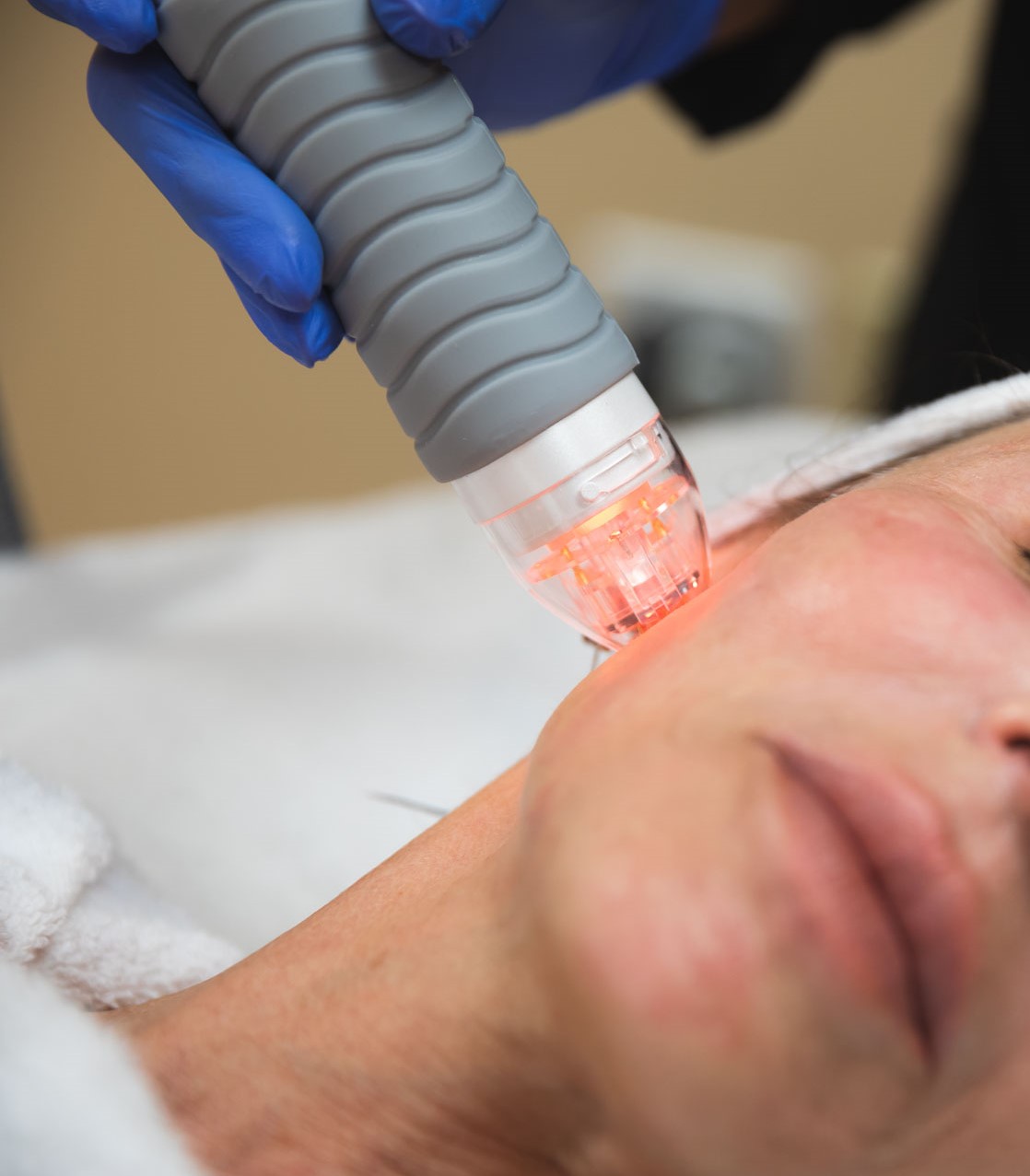
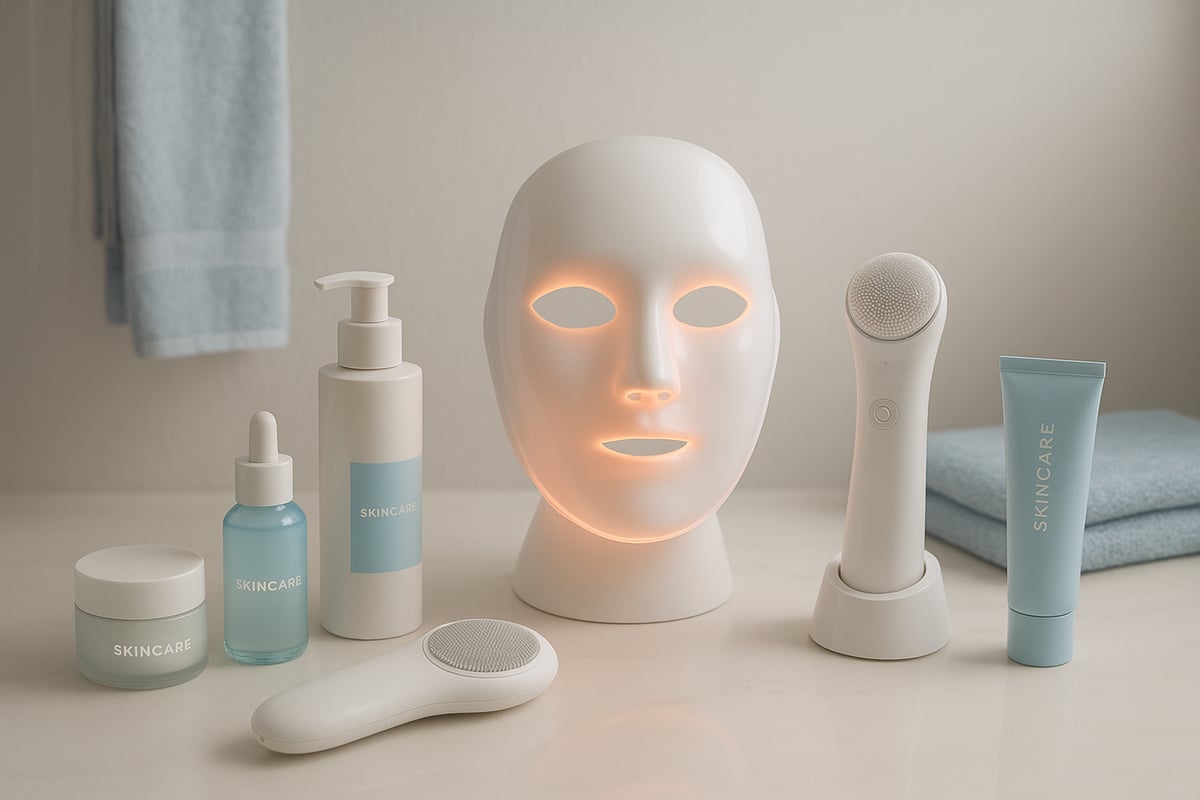
In 2026, technology is revolutionizing skin care and treatment routines. Smart cleansing brushes, LED masks, and app-connected devices allow for real-time feedback and adjustment. These tools personalize your regimen, optimizing product absorption and tracking progress over time.
A standout innovation is the smart serum, which adapts its formula based on your skin’s condition and environment. According to a 2026 survey, one in five consumers now use tech-enhanced tools daily, making high-level care accessible at home.
-
Smart cleansing brushes: Deep, gentle cleaning
-
LED masks: Boost collagen and reduce inflammation
-
App-connected devices: Analyze and monitor skin changes
Integrating technology into your skin care and treatment routine ensures precision and consistency with minimal effort.
Tailoring Your Routine by Age and Lifestyle
No single skin care and treatment plan fits everyone. Teens may need gentle, oil-controlling formulas, while adults often focus on hydration and early signs of aging. Mature skin benefits from richer moisturizers and advanced actives like retinoids or peptides.
Lifestyle factors also matter. Athletes require sweat-resistant products, frequent travelers need hydration boosters, and those with high-stress jobs might benefit from calming, barrier-repair formulas. Nighttime routines can be adapted for shift workers, focusing on renewal and protection from environmental stress.
-
Teens: Lightweight cleansers, oil control
-
Adults: Antioxidants, hydration, sun protection
-
Mature: Rich creams, firming actives, gentle exfoliation
Aligning your skin care and treatment with your life stage and habits ensures optimal results.
Seasonal and Environmental Adjustments
Environmental changes greatly influence how your skin responds to products. In winter, dry air calls for hydrating serums and barrier creams. Summer routines should include lightweight moisturizers and high-SPF sunscreens. Even in cloudy weather, year-round protection is vital to shield your skin from UV rays.
Pollution, humidity, and temperature shifts may also require tweaks to your skin care and treatment regimen. For example, those living in humid climates might opt for gel moisturizers, while dry environments call for occlusive products.
-
Winter: Hydrating serums, thicker creams
-
Summer: Lightweight SPF, oil-free hydrators
-
Year-round: Consistent sun protection
By adjusting your skin care and treatment approach throughout the year, you support long-term health and resilience.
Professional Treatments: What’s New and What Works
Professional skin care and treatment options have evolved rapidly, offering safer and more effective solutions for a wide range of concerns. Today’s in-office procedures blend scientific advancement with personalized care, giving patients greater control over their skin health. Whether you are considering rejuvenation, correction, or prevention, understanding the latest techniques is key to making informed decisions about your skin care and treatment journey.
Overview of In-Office Procedures
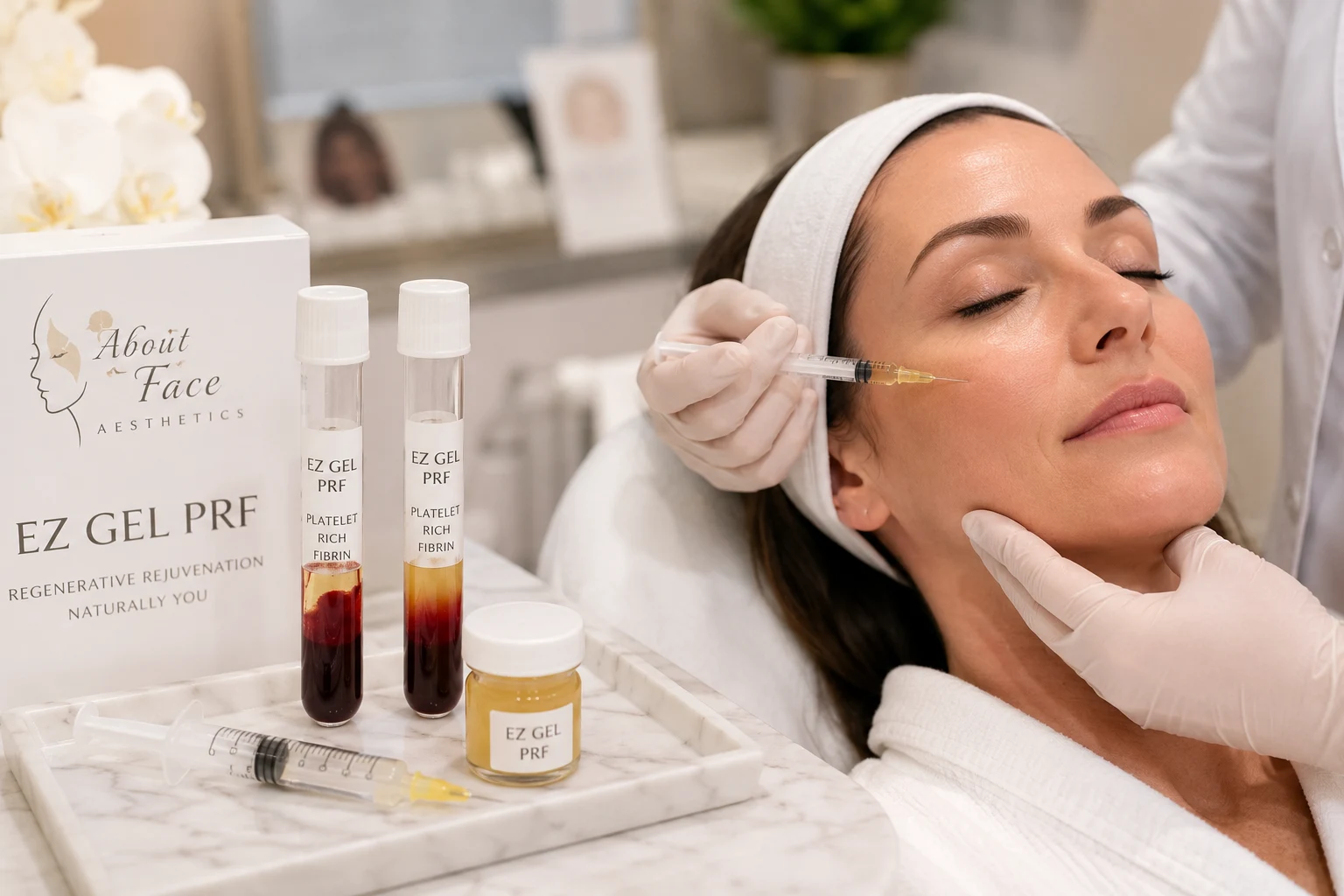
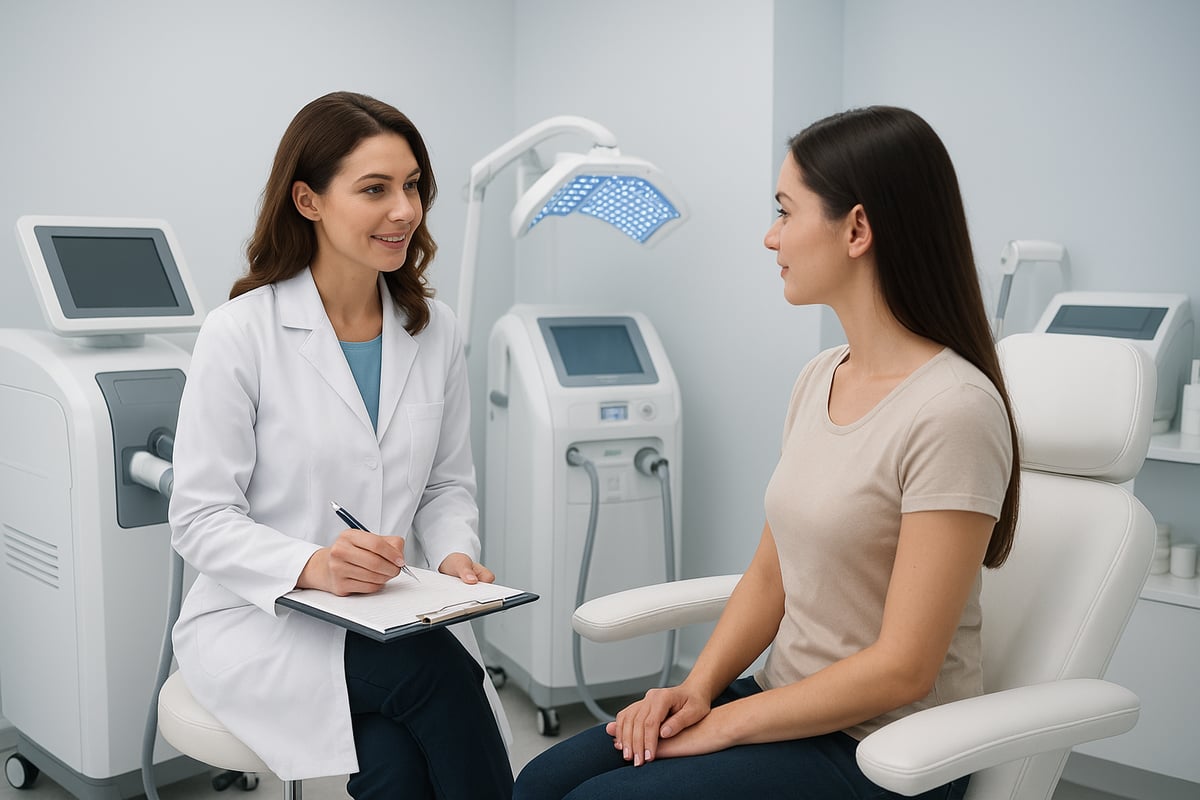
The world of in-office skin care and treatment has expanded to include a wide selection of non-invasive and minimally invasive procedures. Common offerings include chemical peels, microneedling, laser therapy, and injectable treatments. Each method targets specific concerns, from pigmentation and texture to volume loss and wrinkles.
Non-invasive procedures have surged in popularity, seeing a 25% increase since 2024. This shift reflects a growing preference for treatments with minimal downtime and lower risk profiles. To determine candidacy, providers assess factors such as skin type, medical history, and desired outcomes. Selecting the right skin care and treatment approach ensures optimal safety and effectiveness for each individual.
Breakthroughs in Laser and Light Therapies
Lasers and light-based technologies have revolutionized skin care and treatment, delivering precise and customizable results. Recent advancements include fractional lasers, intense pulsed light (IPL), and LED phototherapy, all designed to treat conditions like pigmentation, redness, and uneven texture.
Pico lasers, a new generation of devices, offer remarkable improvements in pigment correction and skin texture with fewer sessions and reduced recovery time. According to a 2025 survey, 87% of patients reported satisfaction with these modern laser treatments. As technology evolves, providers can tailor skin care and treatment strategies to address unique skin challenges more effectively than ever before.
Microneedling and Skin Rejuvenation Techniques
Microneedling has become a cornerstone in professional skin care and treatment, leveraging controlled micro-injuries to stimulate collagen production and enhance skin renewal. New developments, such as radiofrequency (RF) microneedling and combination therapies, further boost results by delivering energy deeper into the skin.
These innovations have led to reduced downtime and improved patient comfort. For those seeking smoother, firmer skin without surgery, microneedling offers a compelling solution. Providers now customize protocols to address specific concerns, making skin care and treatment more precise and patient-centered.
Chemical Peels and Exfoliation Innovations
Chemical peels remain a trusted method for resurfacing and revitalizing the skin. Today’s options range from superficial to deep peels, with advances like bioengineered acids and personalized blends enhancing both safety and results. Industry reports show that customized peels can achieve 30% higher efficacy compared to traditional formulas.
For a deeper dive into professional exfoliation and modern peel options, visit Chemical peels and exfoliation options. As part of your skin care and treatment plan, a provider can select the ideal peel strength and composition for your unique needs, ensuring safe and effective outcomes.
Choosing a Qualified Provider and Safety Considerations
Choosing the right provider is crucial for any skin care and treatment procedure. Look for certified, licensed professionals with specialized training in cosmetic treatments. Verify credentials through official medical boards and review clinic reputations via patient testimonials and independent ratings.
Key questions to ask include:
-
What experience do you have with my specific concern?
-
What are the risks, and how are complications managed?
-
Can you provide before-and-after photos of similar cases?
Watch for red flags such as lack of proper licensing, rushed consultations, or unrealistic promises. Prioritizing safety and expertise ensures that your skin care and treatment experience delivers the best possible results.
Ingredient Innovations and Product Trends for 2026
Ingredient innovation is reshaping skin care and treatment as we approach 2026. Consumers demand safer, more effective solutions, and brands are responding with eco-friendly formulas, microbiome science, and prescription-grade actives. Understanding these trends will help you make informed choices for your skin care and treatment journey.
The Rise of Clean and Sustainable Beauty
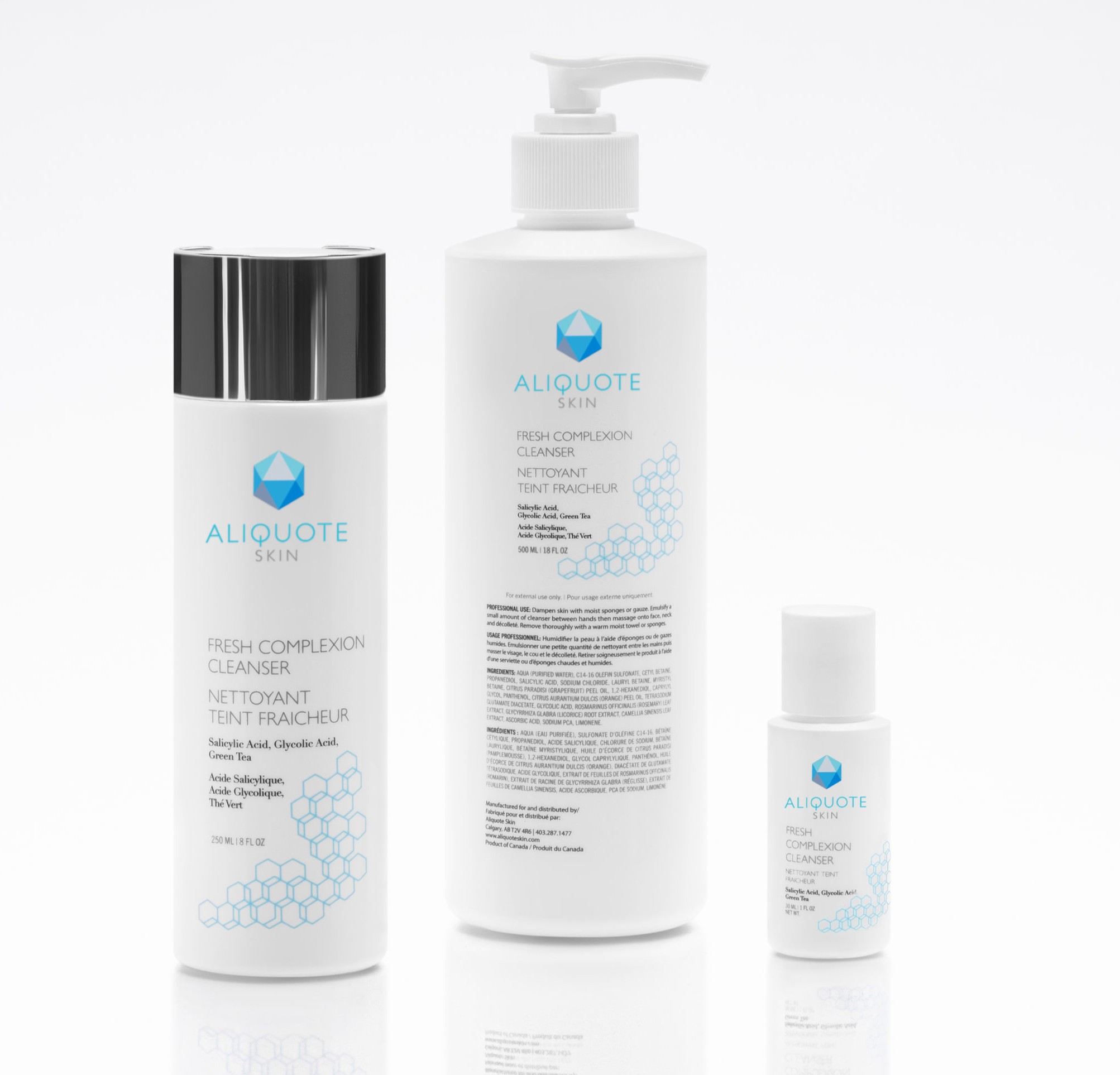
Clean and sustainable beauty is now a driving force in skin care and treatment. Brands are moving toward vegan and cruelty-free formulations, prioritizing biodegradable packaging and refillable systems. This shift is not merely ethical, it responds to strong consumer demand. In fact, 60% of shoppers now prefer sustainable brands according to a 2026 market survey.
This trend reflects broader industry changes. For example, the Trends shaping the cosmetic skin care industry 2025-2030 report highlights how eco-friendly practices and transparency are influencing product development. Expect to see more plant-based actives, minimalist ingredient lists, and innovative packaging as part of the evolving skin care and treatment landscape.
Microbiome-Friendly Formulations
The science of the skin microbiome is revolutionizing skin care and treatment. Researchers now understand how a balanced skin microbiome supports barrier health, reduces inflammation, and prevents common concerns like eczema. This has led to an influx of products containing prebiotics, probiotics, and postbiotics tailored to cultivate a healthy skin ecosystem.
Microbiome serums, for example, have demonstrated notable results in reducing eczema flare-ups and improving overall resilience. More brands are investing in microbiome-friendly formulations that avoid harsh preservatives and prioritize gentle, skin-compatible ingredients. When selecting products for your skin care and treatment regimen, look for those that specifically mention microbiome support on the label.
Navigating Hype vs. Evidence in Product Claims
With so many new products and bold marketing promises in skin care and treatment, how can you separate hype from evidence? Start by looking for products supported by clinical studies and third-party testing. Be cautious of influencer endorsements that lack scientific backing, particularly around claims like “blue light protection” or miracle cures.
Consider the following tips when evaluating product claims:
-
Check for published clinical trial results.
-
Look for certifications from reputable organizations.
-
Read ingredient lists for proven actives.
-
Avoid products with vague or exaggerated promises.
By staying informed and critical, you can build a skin care and treatment routine that delivers real, lasting results.
Future Trends and Technologies in Skin Care
The future of skin care and treatment is evolving rapidly, shaped by cutting-edge technology and new scientific discoveries. As we look ahead to 2026, the industry is witnessing unprecedented innovation that will redefine how individuals approach their daily routines and long-term skin health.
Artificial Intelligence and Personalized Regimens
Artificial intelligence is transforming the landscape of skin care and treatment by making personalized regimens accessible to everyone. AI-powered apps now analyze selfies and gather data on environmental exposure, lifestyle, and genetics to recommend tailored product routines.
These smart platforms adapt recommendations as your skin changes, even factoring in seasonal shifts or travel. According to a 2026 industry report, 70% of dermatology clinics use AI tools to optimize outcomes. The integration of AI is also accelerating innovation across the beauty sector, as highlighted in The future of the beauty industry in 2025 and beyond. This shift empowers users to take control of their skin care and treatment journey with confidence.
Holistic and Integrative Skin Care
A holistic approach to skin care and treatment is gaining momentum, with growing recognition of the impact of diet, stress, and sleep on skin health. Integrative regimens now often include nutraceuticals, adaptogens, and mindfulness practices alongside topical products.
Recent surveys show that 80% of dermatologists recommend lifestyle changes in addition to traditional skin care and treatment. This trend reflects a broader understanding that healthy skin is a reflection of overall well-being. By combining advanced science with holistic strategies, individuals can achieve optimal and lasting results.
After exploring the latest advancements in personalized skin care, technology-driven treatments, and science-backed routines, you might be wondering how to put all this knowledge into action for your unique skin needs. At SkinScience, we believe that your skin deserves a tailored approach built on expertise and research, not guesswork. If you’re ready to discover what truly works for you and experience measurable results, let’s take the next step together.
Book Your Personalized Skin Consultation Powered by Science, Proven by Results.
Your journey to healthier, more radiant skin can start today with guidance you can trust.The post The Expert Guide to Skin Care and Treatment (2026) appeared first on SkinScience.
What's Your Reaction?
 Like
0
Like
0
 Dislike
0
Dislike
0
 Agree
0
Agree
0
 Disagree
0
Disagree
0
 Excellent
0
Excellent
0
 Useful
0
Useful
0
 Great
0
Great
0