



































































The Real Dogma Isn’t Meat. It’s Confusion.



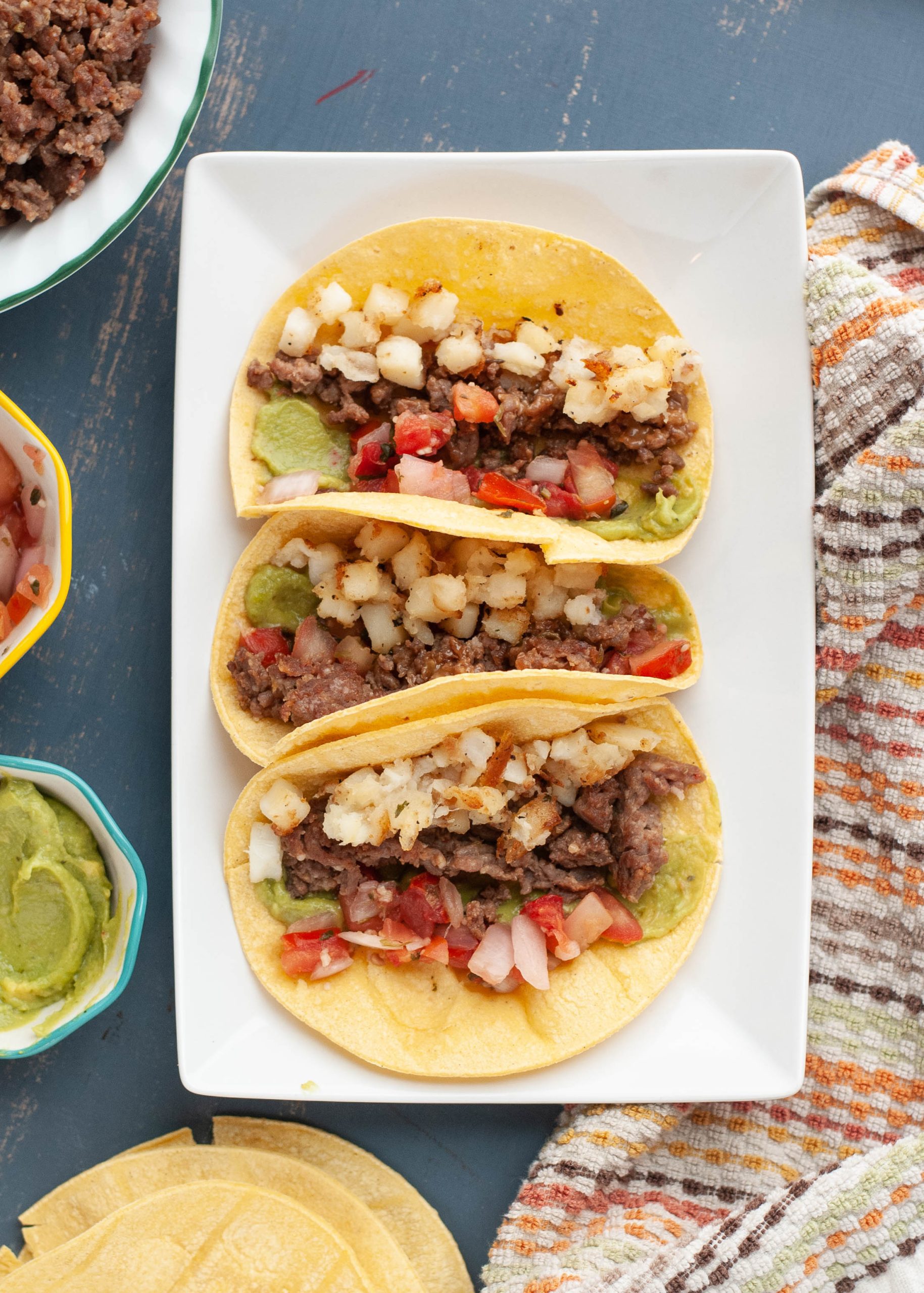
If steak were medicine, America would be one of the healthiest nations on Earth. Instead, we are among the sickest.
This contradiction sits at the center of today’s escalating debate over meat. In a recent New York Times essay, meat was framed less as nutrition and more as identity — a symbol in an increasingly polarized culture. That observation is compelling. But it misses the deeper issue.
The real problem is not only that Americans are eating too much meat. It’s that they are being told — increasingly and confidently — that nutrition science itself cannot be trusted.
Science isn’t perfect. But it is not arbitrary.
We are often told that evidence on meat is “conflicting”: that it is linked to heart disease and cancer, yet high-protein diets can support weight loss and glycemic control. This framing suggests chaos.
In reality, the confusion arises from asking the wrong question. Not: Is meat good or bad? But: What type of meat? In what quantity? Compared to what? And within what overall dietary pattern?
When these questions are asked, a consistent pattern emerges across large prospective cohort studies and randomized trials.
Dietary patterns centered on whole plant foods — vegetables, fruits, legumes, and whole grains — are associated with lower risk of cardiovascular disease, type 2 diabetes, and premature mortality. The PREDIMED trial, for example, demonstrated a roughly 30% reduction in major cardiovascular events with a plant-forward Mediterranean dietary pattern. Large cohort analyses, including those from the Harvard T.H. Chan School of Public Health, have consistently linked higher red and processed meat intake with increased mortality risk.
This is not fringe science. It is the foundation of modern preventive cardiology. So why are extreme claims gaining traction? Because they are simple — and simplicity sells.
Today’s nutrition discourse is saturated with biochemical language: bioavailability, heme iron, oxalates. These claims are often technically accurate. But they are clinically misleading.
Health is not determined by isolated nutrients. It is determined by dietary patterns over time. And at that level, the evidence is remarkably consistent: Diets lower in red and processed meat and richer in whole plant foods lead to better long-term health outcomes.
The most concerning shift is not cultural — it is clinical. Public figures now suggest that meat can reverse chronic disease, enhance cognition, or replace established therapies. These are extraordinary claims. And extraordinary claims require extraordinary evidence. That evidence does not exist.
What does exist is strong evidence that reducing ultra-processed foods improves metabolic health. But attributing those benefits to meat — rather than to the removal of harmful foods — is a fundamental scientific error. It confuses what is removed with what is added. This debate is not abstract.
Cardiovascular disease remains the leading cause of death in the United States. Type 2 diabetes continues to rise. Health care costs are unsustainable.
At the same time, Americans are consuming more meat than ever. If meat were the missing solution, we would expect a measurable improvement in population health. We are not seeing it.
We do not need another dietary ideology. We need clarity. We can acknowledge that nutrition science is complex. That individual responses vary. That no single food is a miracle.
And still say, with confidence: Diets built around whole plant foods — with minimal processed foods and limited red meat — remain the most evidence-based path to long-term health. That is not dogma. It is the weight of the data.
Food should not be a culture war. It should be one of the most practical, evidence-based tools we have to improve health — quietly, consistently, and without ideology. Because in the end, what we eat is not a political identity. It is a daily decision that shapes how long — and how well — we live.
Hana Kahleova, MD, PhD, is an endocrinologist board-certified in lifestyle medicine and serves as director of clinical research at the Physicians Committee for Responsible Medicine.
What's Your Reaction?
 Like
0
Like
0
 Dislike
0
Dislike
0
 Agree
0
Agree
0
 Disagree
0
Disagree
0
 Excellent
0
Excellent
0
 Useful
0
Useful
0
 Great
0
Great
0