





















































Can Nordic Adaptogens Change How We Think About Skin Resilience?
.png?format=1500w#)


As the beauty industry increasingly explores the relationship between skin health, stress and wellbeing, adaptogenic ingredients are attracting attention for their potential to support the skin's natural defences. We speak to Daniel Collins, founder of Forest Spa Finland, about the science behind Nordic botanicals and the growing influence of Finnish wellness rituals on modern skincare.
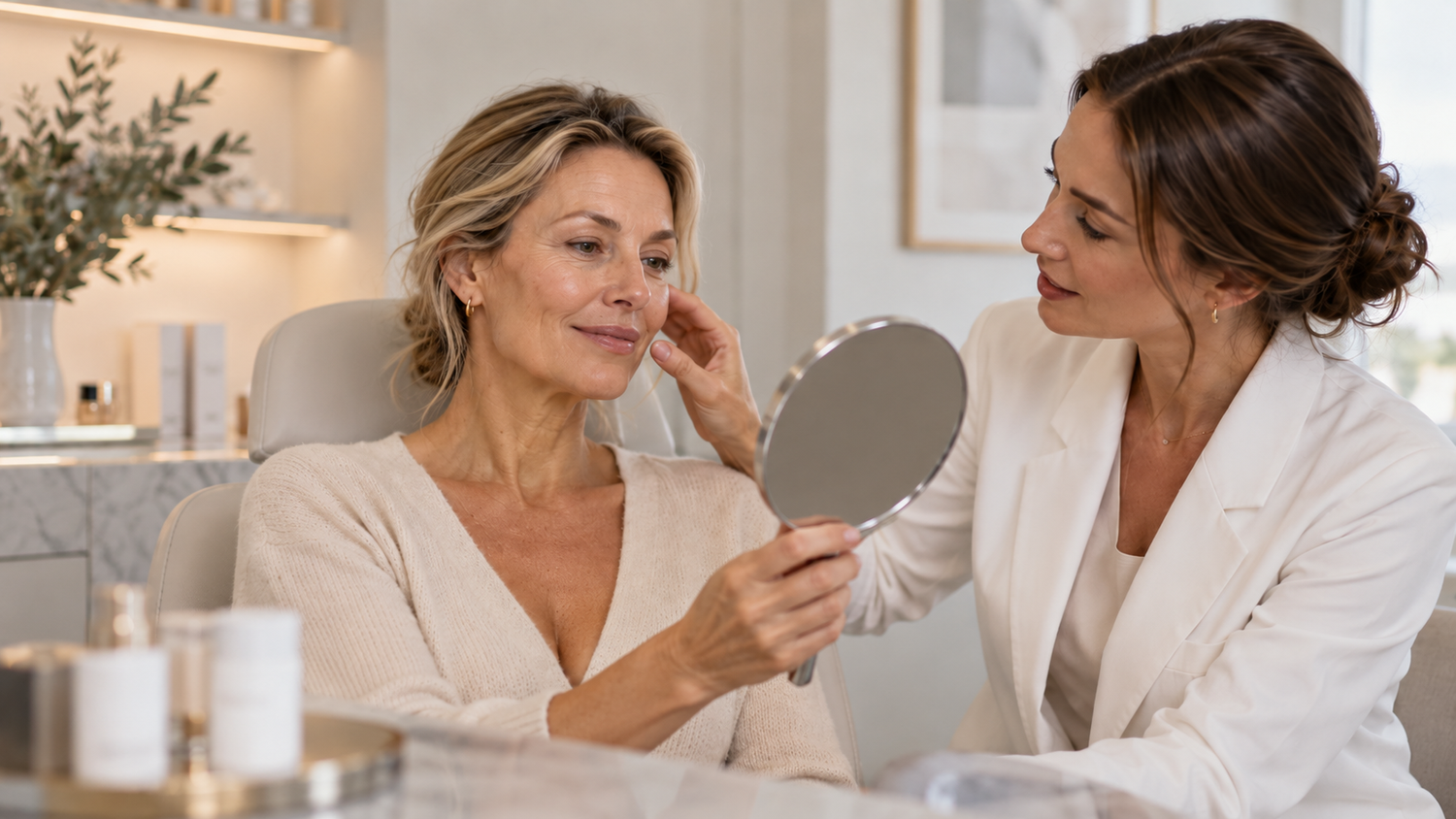
Stress has become an increasingly important consideration in professional skincare, with growing scientific understanding of how psychological and environmental pressures can influence everything from barrier function to inflammation and skin ageing. As a result, ingredients traditionally associated with herbal medicine and holistic wellbeing are finding their way into modern cosmetic formulations, bringing adaptogenic skincare into sharper focus.
Adaptogens are a group of substances, predominantly botanical in origin, traditionally used to help the body respond to stress. While ingredients such as ashwagandha, Rhodiola rosea and medicinal mushrooms have become familiar in the supplement market, their use in topical skincare is now attracting interest from formulators looking beyond conventional antioxidant and anti-ageing ingredients.
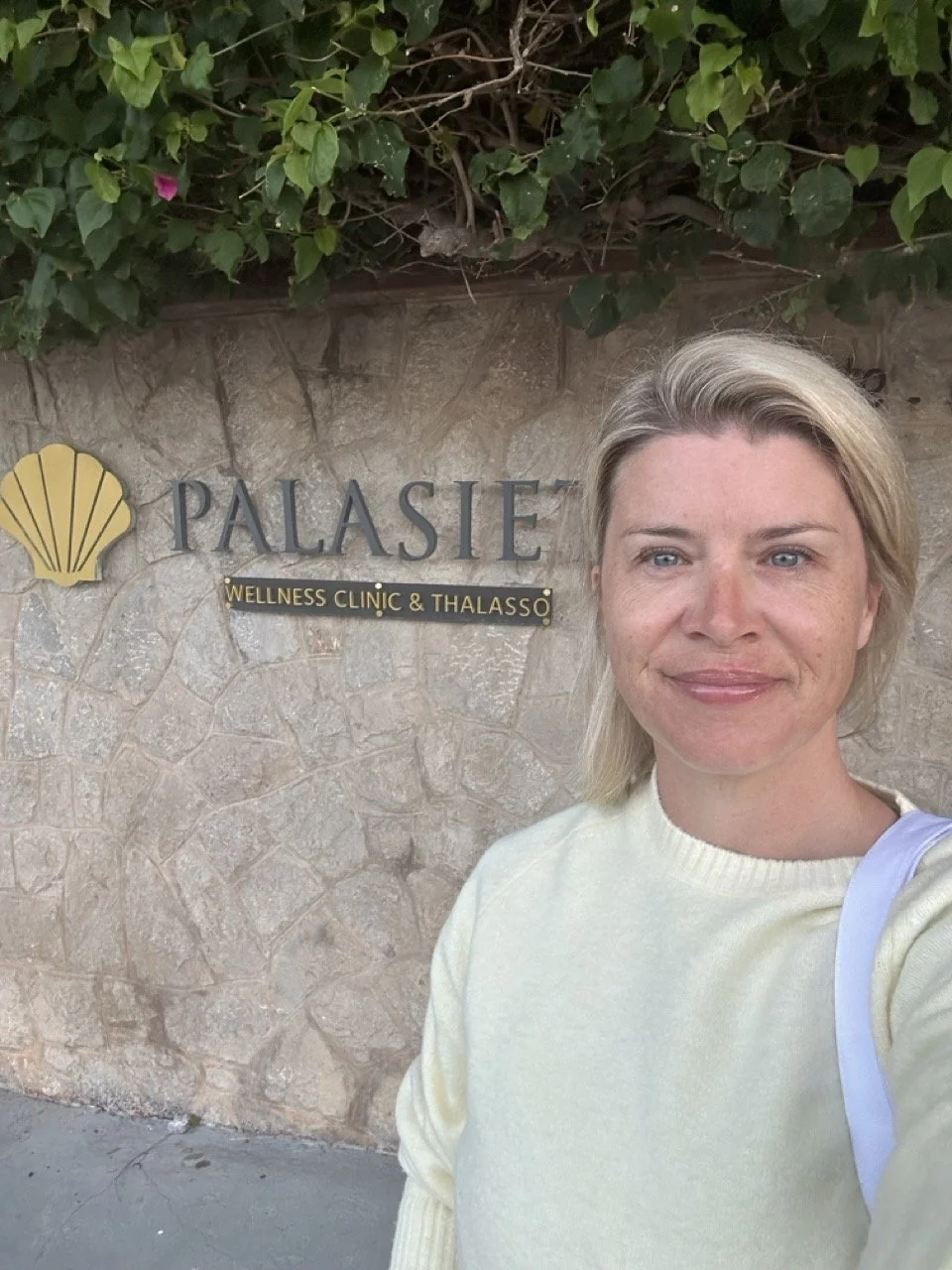
Among the brands exploring this approach is Forest Spa Finland, a Finnish-inspired skincare and wellness company founded by Daniel Collins. Drawing on the botanical diversity of Nordic forests and Finland's longstanding sauna culture, the brand combines topical skincare, nutritional supplements and sensory rituals in an approach centred on skin resilience.
For Collins, the relationship between stress and skin health is fundamental to the brand's philosophy.
"From pollution and UV exposure to poor sleep and everyday stress, modern life places constant demands on skin and body, contributing to oxidative stress, inflammation, barrier disruption and a tired, sensitised complexion."
The connection has a growing scientific foundation. Research published in the British Journal of Dermatology has linked psychological stress to changes in epidermal barrier function, including reduced hydration, increased transepidermal water loss and alterations in the production of skin lipids and structural proteins.
These findings have helped bring the relationship between psychological wellbeing and skin physiology into greater focus, although they do not establish that a particular skincare ingredient can reverse the effects of stress.
What makes adaptogens different?
The appeal of adaptogenic skincare lies in the complex mixture of bioactive compounds found in certain plants, including polyphenols and other substances being investigated for their antioxidant, anti-inflammatory and protective properties.
Many of these botanicals have developed chemical defence mechanisms that help them survive challenging growing conditions. Rhodiola rosea, for example, is native to cold and mountainous environments, while berries found across northern Europe are known for their naturally occurring antioxidant compounds.
Forest Spa Finland's Nordic Adaptogen Serum incorporates Rhodiola rosea, Siberian ginseng, cloudberry and sea buckthorn, selected for their different potential contributions to skin health.
Collins explains the distinction he sees between adaptogenic botanicals and ingredients typically associated with a single skincare concern.
"Unlike ingredients selected for a single benefit, adaptogenic botanicals contain complex combinations of polyphenols and other compounds that may influence multiple pathways associated with oxidative stress, inflammation and skin ageing."
Rhodiola is of particular interest because of its active constituents, including salidroside, which have been investigated for their antioxidant and cellular protective activity.
"Rhodiola rosea is particularly interesting. Research into its active compounds, including salidroside, has explored their potential to protect skin cells against oxidative damage and support cellular resilience."
Siberian ginseng, also known as Eleutherococcus senticosus, contains compounds being studied for antioxidant activity, while cloudberry provides naturally occurring polyphenols. Sea buckthorn, meanwhile, is a source of fatty acids and other compounds relevant to skin nourishment and barrier support.
Forest Spa Finland's approach extends beyond topical formulations through its Nordic Adaptogen Supplement, which combines chaga mushroom, wild bilberry, Rhodiola rosea and pine bark. These botanicals have histories of traditional use and contain compounds being investigated for their potential effects on oxidative stress and physiological stress-response pathways. Collins describes the range as part of a broader approach that connects botanical skincare with nutritional wellbeing and restorative Nordic rituals.
"Together, they reflect our belief that beauty is becoming wellness — combining botanical skincare, nutritional wellbeing and restorative Nordic rituals to support a more holistic approach to beauty."
From Finnish forests to the treatment ritual
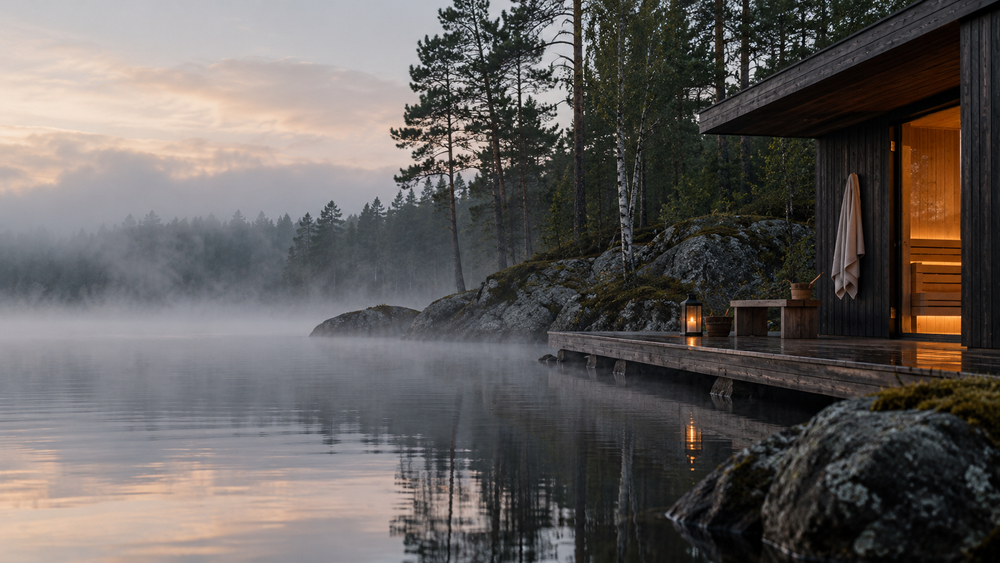
Alongside its botanical formulations, Forest Spa Finland draws heavily on the cultural significance of sauna and nature in Finnish life. In Finland, sauna is an established social and wellbeing practice, often associated with relaxation, recovery and time spent away from everyday demands. Traditional rituals may incorporate birch branches, known as vihta or vasta, which are used during sauna bathing. Forest Spa Finland has interpreted this heritage through its Nordic Water Activator, a product containing birch leaves and heather designed to be infused in warm water and incorporated into cleansing, facial compresses and other sensory skincare rituals.
For Collins, the product has a particularly personal connection to the landscapes and practices that inspired the brand.
"In Finland, the sauna is much more than a place to cleanse."
"I wanted to translate this tradition into a simple, versatile skincare ritual. The Nordic Water Activator infuses these botanicals into warm water for facial compresses, steam rituals or a refreshing skin tonic. It can also be incorporated into a traditional sauna experience."
The botanical infusion is intended to introduce a sensory dimension to everyday skincare, using warmth, fragrance and the tactile experience of a compress to encourage relaxation.
"But the ritual is about more than the ingredients. The warmth of the water, gentle forest aromas and sensation of a warm compress against the skin encourage us to slow down and reconnect with ourselves, transforming everyday skincare into a restorative experience."
Collins describes the concept as "forest bathing in your bathroom", translating elements of Finnish sauna culture into an accessible daily ritual. This approach illustrates the increasing overlap between skincare and experiential wellness. Rather than evaluating a treatment solely through its immediate visible results, clients may also place value on the opportunity to relax, disconnect and experience a sense of restoration. Sensory rituals can contribute to that experience, although their psychological benefits should be considered separately from claims about the direct biological effects of particular botanical ingredients.
What does this mean for professional skincare?
As interest in adaptogenic skincare develops, the category offers opportunities for brands and practitioners exploring treatments centred on barrier health, skin comfort and the effects of environmental stress. Botanical ingredients with antioxidant activity may complement established skincare approaches, but their effectiveness depends on factors including concentration, extraction method, stability and the formulation in which they are delivered.
The interest in adaptogens also reflects a broader shift in how skin health is discussed. Increasingly, clients are interested in understanding how stress, sleep, environmental exposure and daily routines may contribute to changes in their skin, creating greater scope for consultations that consider lifestyle alongside topical care. For Collins, integrating these elements is central to the future direction of Forest Spa Finland.
"This reflects our belief that skin health and wellbeing are closely connected. We want our products to support the skin while creating moments of calm and connection."
Whether adaptogenic skincare becomes an established category within professional beauty will depend on the continued development of clinical research and the ability of manufacturers to demonstrate meaningful benefits in finished formulations. In the meantime, the Nordic approach offers an interesting perspective on how the industry is evolving. As skincare becomes more closely connected with wellness, the experience surrounding a product or treatment is gaining significance alongside its ingredients.
Newsletter Block
This newsletter signup form needs a storage option. Edit the block and enter a storage location via the Storage tab.
Sign up with your email address to receive news and updates.
Subscribe
We respect your privacy.
Thank you!
What's Your Reaction?
 Like
0
 Dislike
0
 Agree
0
 Disagree
0
 Excellent
0
 Useful
0
 Great
0