

















































The Skin Barrier Explained: Why Calgary’s Dry Climate Damages Skin (and How to Repair It)


If you live in Calgary, chances are you’ve experienced the same seasonal skin cycle: tightness in the winter, flaking around the nose and cheeks, redness after cleansing, and moisturizers that seem to stop working after a few hours.
The culprit is not just “dry skin.”
The real issue is damage to the skin barrier.
In a semi-arid climate like Calgary’s, the skin’s protective barrier is constantly under environmental stress. Low humidity, cold temperatures, indoor heating, and sudden weather swings like Chinook winds can disrupt the skin’s natural defenses, causing water loss, inflammation, and premature aging. Understanding the skin barrier – how it works, how Calgary’s climate affects it, and how to repair it – is one of the most important steps toward healthier skin.
At SkinScience, this concept forms the foundation of many treatment plans. When patients visit for a consultation, the first goal is often restoring barrier function before moving into more advanced treatments like lasers, microneedling, or resurfacing.
Let’s explore what the skin barrier actually is, why Calgary’s climate damages it, and how to repair it using science-based concepts.
What Is the Skin Barrier?
The skin barrier refers primarily to the outermost layer of the skin—the stratum corneum—which acts as a protective interface between the body and the environment.
Dermatologists often describe this structure using the “brick and mortar” model:
-
Corneocytes (skin cells) = bricks
-
Lipids (ceramides, cholesterol, fatty acids) = mortar
Together, these elements create a protective wall that performs three essential functions:
-
Prevents water loss
-
Blocks irritants, bacteria, and allergens
-
Maintains healthy skin hydration and elasticity
When this barrier is functioning properly, the skin appears:
-
smooth
-
hydrated
-
resilient
-
even-toned
But when the barrier becomes damaged, the skin becomes vulnerable.
Symptoms of a compromised barrier include:
-
tightness after washing
-
flaking or peeling
-
redness and irritation
-
sensitivity to skincare products
-
dullness
-
increased acne or rosacea flare-ups
In clinical dermatology, one of the key measurements of barrier function is transepidermal water loss (TEWL) – the amount of water that escapes from the skin into the air. When TEWL increases, it means the barrier is compromised. Research consistently shows that environmental conditions such as low humidity and colder temperatures increase TEWL, making skin more vulnerable during certain seasons. And that is exactly what happens in Calgary.
Why Calgary’s Climate Is Hard on Skin
Calgary’s environment creates a “perfect storm” for barrier disruption. Several factors unique to the region affect skin health.
1. Low Humidity
Calgary has a semi-arid climate, which means the air contains relatively little moisture—especially in winter.
Dry air pulls water from the skin’s surface, increasing transepidermal water loss.
When humidity drops:
-
water evaporates faster from the skin
-
natural moisturizing factors decline
-
barrier lipids become disrupted
This is why people often say their moisturizer “stops working” in winter. The environment is literally pulling moisture out faster than the skin can replenish it.
2. Cold Temperatures
Cold air reduces the skin’s ability to produce protective oils.
At the same time, cold exposure causes blood vessels in the skin to constrict, reducing circulation and slowing skin repair.
The result:
-
dull complexion
-
rough texture
-
increased sensitivity
Cold wind also damages the lipid matrix in the skin barrier, making it easier for irritants to penetrate.
3. Indoor Heating
Ironically, the biggest skin stressor during winter is often inside your home or office.
Central heating dramatically lowers indoor humidity levels.
Prolonged exposure to dry indoor air accelerates dehydration and contributes to:
-
itching
-
redness
-
micro-cracking in the skin barrier
Studies show that environmental conditions such as temperature and humidity influence TEWL levels across seasons, with higher TEWL observed during colder months.
4. Chinook Weather Swings
Calgary is famous for Chinook winds, which can raise temperatures by 20–30°C within hours.
These dramatic shifts create sudden changes in humidity and atmospheric pressure.
Rapid environmental changes disrupt the skin’s moisture balance and weaken the protective barrier that keeps hydration in and irritants out.
The result is skin that feels unpredictable—calm one day and inflamed the next.
What Happens When the Skin Barrier Breaks Down
A compromised skin barrier does more than cause dryness.
It can trigger a cascade of skin problems.
> Increased inflammation
Barrier disruption activates inflammatory pathways in the skin, leading to redness, irritation, and sensitivity.
> Accelerated aging
Water loss reduces skin elasticity and makes fine lines more visible.
> Microbiome imbalance
When the barrier weakens, harmful bacteria can colonize the skin more easily.
> Worsening of skin conditions
Conditions such as:
often worsen when the barrier is damaged.
This is why repairing the barrier is often Step 1 in dermatologic treatment plans.
How to Repair a Damaged Skin Barrier
Fortunately, the skin barrier is remarkably capable of repair when given the right support.
Here are the most effective strategies used in clinical skincare.
1. Restore Lipids (Ceramides, Cholesterol, Fatty Acids)
The skin barrier relies heavily on lipids.
Ceramides alone make up approximately 50% of the skin’s lipid matrix, making them critical for maintaining barrier integrity.
Products containing:
-
cholesterol
-
essential fatty acids
help rebuild the “mortar” between skin cells.
These ingredients restore barrier function and reduce TEWL.
2. Use Humectants to Rehydrate Skin
Humectants draw water into the skin.
Examples include:
-
hyaluronic acid
-
glycerin
-
urea
-
sodium PCA
Hyaluronic acid can hold up to 1,000 times its weight in water, helping maintain hydration in dry climates.
However, humectants work best when combined with barrier-repairing lipids.
3. Avoid Over-Exfoliation
One of the most common mistakes people make in Calgary winters is over-exfoliating.
Excessive use of:
-
glycolic acid
-
scrubs
-
strong peels
can worsen barrier damage.
Instead, gentle exfoliation once or twice weekly is usually sufficient during colder months.
4. Switch to Gentle Cleansers
Harsh cleansers strip the skin’s natural oils and worsen barrier disruption.
Look for:
-
sulfate-free cleansers
-
low-foam formulas
-
hydrating cleansers
Gentle cleansing helps maintain the skin’s acid mantle and protective lipid layer.
5. Layer Hydration Strategically
Dermatologists often recommend layering hydration.
A typical barrier-repair routine might include:
-
Gentle cleanser
-
Hydrating serum
-
Barrier repair moisturizer
-
Sunscreen
Layering allows different types of hydration—humectants, emollients, and occlusives—to work together.
6. Increase Indoor Humidity
Because indoor heating worsens dehydration, adding moisture back into the air can significantly help.
Humidifiers that maintain 40–60% indoor humidity improve skin hydration and reduce irritation.
7. Seek Professional Skin Treatments
Sometimes home skincare is not enough to repair a damaged barrier.
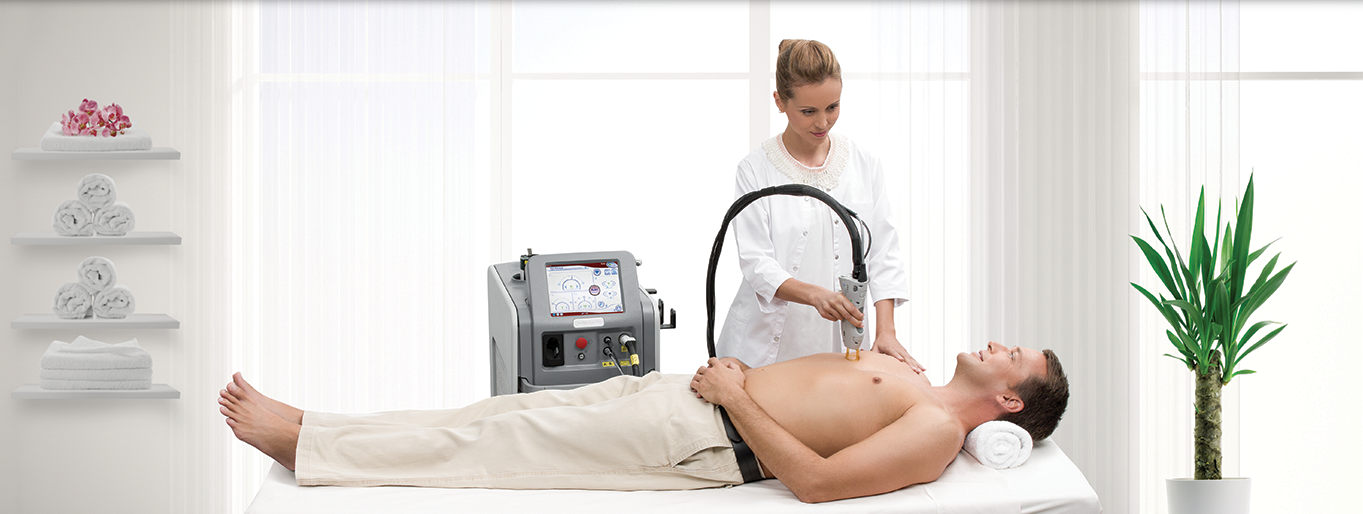
Professional treatments can accelerate recovery.
Common barrier-restoring treatments include:
-
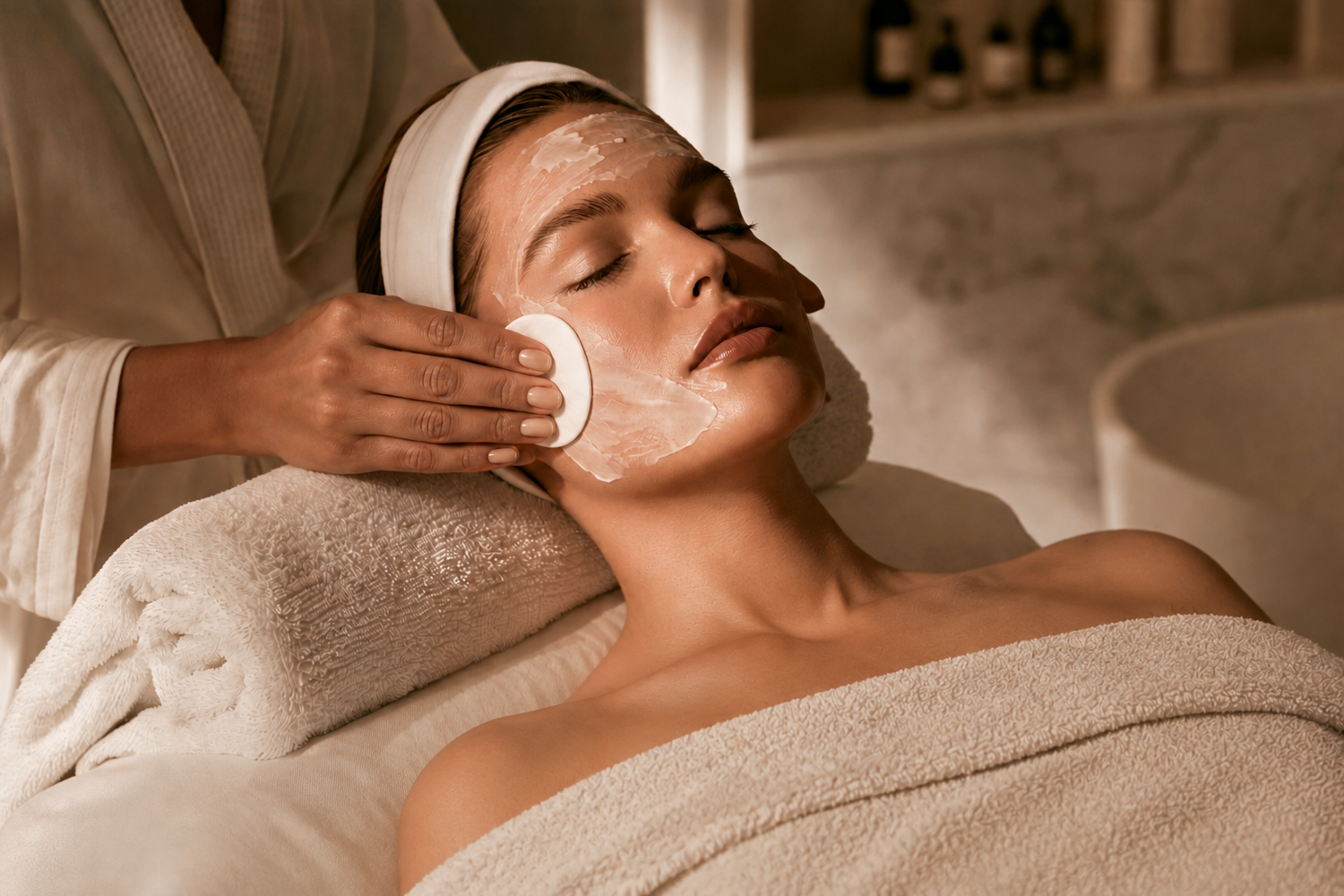
medical facials
-
hydrating infusion treatments, JetPeel PRO
-
LED therapy
-
gentle laser rejuvenation
-
barrier-repair skincare programs
Professional treatments can replenish hydration, calm inflammation, and strengthen the skin’s protective layers.
Why a Professional Skin Consultation Matters
Every person’s skin barrier is different.
Factors such as:
-
genetics
-
skin type
-
medications
-
environmental exposure
-
lifestyle
all influence barrier health.
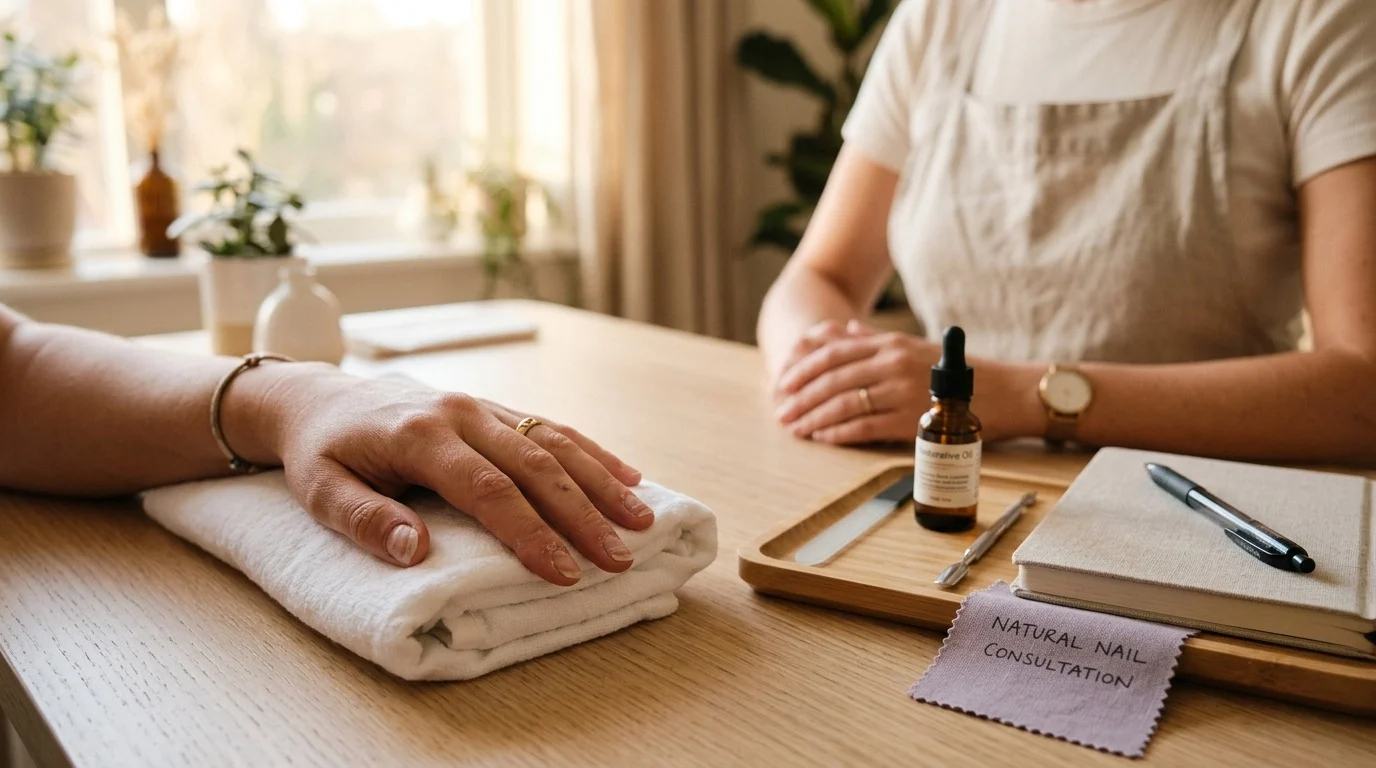
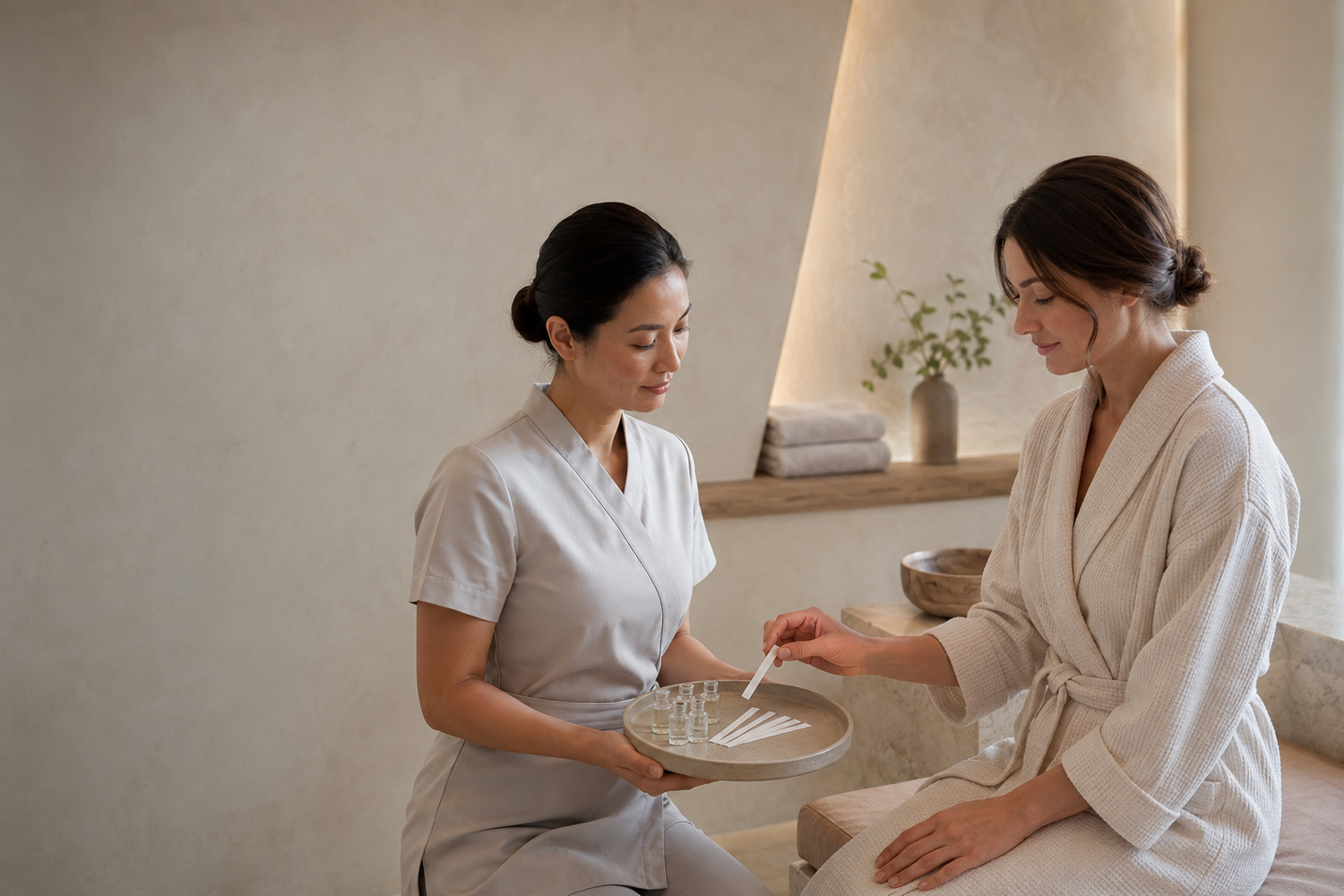
This is why personalized skincare consultations are essential. At SkinScience, consultations focus on identifying the underlying causes of barrier disruption.
A typical consultation includes:
-
skin analysis
-
discussion of environmental triggers
-
review of current skincare routine
-
customized treatment plan
Many patients discover that the issue isn’t simply dryness—it’s a dysregulated skin barrier. Once that barrier is restored, treatments for acne, pigmentation, aging, and redness become far more effective.
Signs You Should Have Your Skin Barrier Evaluated
Consider scheduling a consultation if you experience:
-
persistent dryness despite moisturizer
-
burning or stinging skincare products
-
redness that does not resolve
-
acne that worsens with treatment
-
flaking around the nose or mouth
-
tightness after cleansing
These are often indicators of barrier dysfunction rather than simple dehydration.
The Future of Skin Care: Barrier-First Dermatology
Modern dermatology increasingly emphasizes barrier-first treatment strategies.
Instead of immediately targeting wrinkles, pigmentation, or acne, clinicians first restore skin health.
Why?
Because treatments work better when the barrier is intact.
Barrier repair improves:
-
treatment outcomes
-
patient comfort
-
long-term skin resilience
In a climate like Calgary’s, this approach is especially important.
Book Your Complimentary Skin Consultation
If you live in Calgary and struggle with:
-
dry winter skin
-
redness and sensitivity
-
persistent dehydration
-
skincare that no longer works
your skin barrier may need professional support.
At SkinScience, we offer complimentary skin consultations designed to analyze your skin and create a personalized repair plan.
Our team can help you:
-
restore your skin barrier
-
choose the right medical-grade skincare
-
develop a routine suited to Calgary’s climate
-
determine whether professional treatments would accelerate results
Healthy skin starts with a healthy barrier.
And once that foundation is rebuilt, everything else—from hydration to anti-aging—works better.
About the Author
Marie Bertrand is the founder of SkinScience, a medical aesthetics and laser clinic in Calgary, and the creator of the 12 Pillars of Skin Longevity framework. With nearly two decades of experience in skin health, medical lasers, and advanced skincare formulation, she works with patients to develop personalized skin longevity strategies that combine medical aesthetics, regenerative treatments, and evidence-based skincare.

References (Scientific Literature)
-
Green M. Transepidermal Water Loss (TEWL): Environment and Pollution Effects on Skin Barrier Function.International Journal of Cosmetic Science. 2022.
-
Proksch E., Brandner J.M., Jensen J.M. The Skin: An Indispensable Barrier. Experimental Dermatology. 2008.
-
Elias P.M. Skin Barrier Function. Current Allergy and Asthma Reports. 2008.
-
Draelos Z.D. The Role of Ceramides in Skin Barrier Function. Dermatologic Therapy. 2018.
-
Rawlings A.V., Harding C.R. Moisturization and Skin Barrier Function. Dermatologic Therapy. 2004.
-
Madison K.C. Barrier Function of the Skin: “La Raison d’Être” of the Epidermis. Journal of Investigative Dermatology. 2003.
Frequently Asked Questions
What is the skin barrier?
The skin barrier is the outermost protective layer of the skin. It helps lock in moisture and keeps irritants, bacteria, and allergens out.
Why does Calgary’s climate damage the skin barrier?
Calgary’s low humidity, cold air, wind, indoor heating, and rapid weather shifts can all increase water loss from the skin and weaken its protective barrier.
How do I know if my skin barrier is damaged?
Signs include tightness, flaking, redness, sensitivity, stinging with skincare, rough texture, and dryness that does not improve easily.
How can I repair my skin barrier?
Use gentle cleansers, hydrating serums, barrier-repair moisturizers with ceramides and lipids, and avoid over-exfoliating or using too many harsh actives.
Can a damaged skin barrier cause acne or redness?
Yes. A weakened barrier can increase inflammation and make skin more reactive, which may worsen acne, redness, and sensitivity.
Do you offer complimentary skin consultations in Calgary?
Yes. SkinScience offers complimentary consultations to assess your skin and recommend a personalized plan.
The post The Skin Barrier Explained: Why Calgary’s Dry Climate Damages Skin (and How to Repair It) appeared first on SkinScience.
What's Your Reaction?
 Like
0
Like
0
 Dislike
0
Dislike
0
 Agree
0
Agree
0
 Disagree
0
Disagree
0
 Excellent
0
Excellent
0
 Useful
0
Useful
0
 Great
0
Great
0