






























































Vaginal and urinary symptoms in perimenopause and menopause



Written by the Progyny Editorial Team. Reviewed by the Progyny Clinical Team – August 2026.
During peri/menopause (perimenopause and menopause), it’s common to develop symptoms related to your vagina, vulva, bladder, and urethra. You may hear this called the genitourinary symptoms of menopause (GSM).
These symptoms aren’t always talked about openly. But they’re very common – up to 80% of all women* will have them at some point. For 50% of women, symptoms start in perimenopause. Yet few people discuss their symptoms with a healthcare provider. (*We’ll use “women” to refer to sex at birth.)
Learning more can help you feel more prepared to talk with your provider about managing vaginal and urinary issues. Treatments are available, and you have support as you look for the right care plan for you.
Vaginal, vulvar, and urinary symptoms
Estrogen plays an important role in the health of your vagina, vulva (outer genital area), bladder, and urethra (the tube where urine leaves the body). Estrogen helps with lubrication, increases blood flow to the area, and maintains tissue integrity and elasticity.
When estrogen falls during peri/menopause, it may cause:
- Vaginal dryness
- Vulvar dryness
- Thinning of vaginal tissue
- Irritation and burning
- Pain during sex
- Discomfort with friction (wiping, tight-fitting clothing)
- Increased urinary frequency
- Increased need to urinate at night
- Leaking urine
- Repeat urinary tract infections (UTIs)
Why does decreased estrogen affect the bladder and urination? A few reasons:
- The urethra may become weaker with low estrogen. This makes it easier for bacteria to travel through the urethra to the bladder.
- Estrogen helps healthy bacteria thrive in your vagina and bladder. When estrogen and healthy bacteria go down, the risk of infection may increase.
- The pelvic floor muscles which control urination may weaken with age. In addition, the pelvic floor has estrogen receptors, so it responds to dropping estrogen levels.
If they aren’t treated, vaginal and urinary issues usually get worse over time. They do not go away on their own when you reach menopause.
Seeking treatment for symptoms
Vaginal and urinary symptoms can be very uncomfortable. They may also weigh on you emotionally, disrupt your life, and interfere with sexual health.
Let your provider know if you have any kind of vaginal discomfort or urinary changes. If it feels uncomfortable to talk about, you can bring it up by saying, “I’ve been having some bothersome vaginal or urinary symptoms I wanted to tell you about.”
Your provider can work with you to find the right care. There are many options to consider.
Local (vaginal) hormone therapy
Vaginal estrogen therapy is a common, effective treatment for vaginal and urinary symptoms. It’s not right for everyone, so ask your provider what’s recommended for you.
Vaginal estrogen therapy is applied to your vagina and does not travel through the body. It has a lower dose of estrogen and fewer side effects, and is available in different forms:
- Tablet inserted into the vagina
- Cream applied to the walls of the vagina
- Vaginal ring (typically in place for 3 months)
Vaginal DHEA therapy is another option for painful sex. It is a daily vaginal insert.
Non-hormonal options
You can try non-prescription moisturizers or lubricants to help vaginal dryness and painful sex.
- Vaginal moisturizers are typically applied every few days to help with vaginal dryness. There are internal moisturizers for the vagina and external moisturizers for the vulva. Vaginal moisturizers with hyaluronic acid used twice a week may provide symptom relief.
- Lubricants may help with painful sex. Either water-based or silicone-based types are good. Many people in postmenopause prefer silicone lubricants due to their longer-lasting quality.
Talk to your doctor if repeat UTIs are a problem. Low-dose preventative antibiotics and certain supplements like cranberry tablets may be an option.
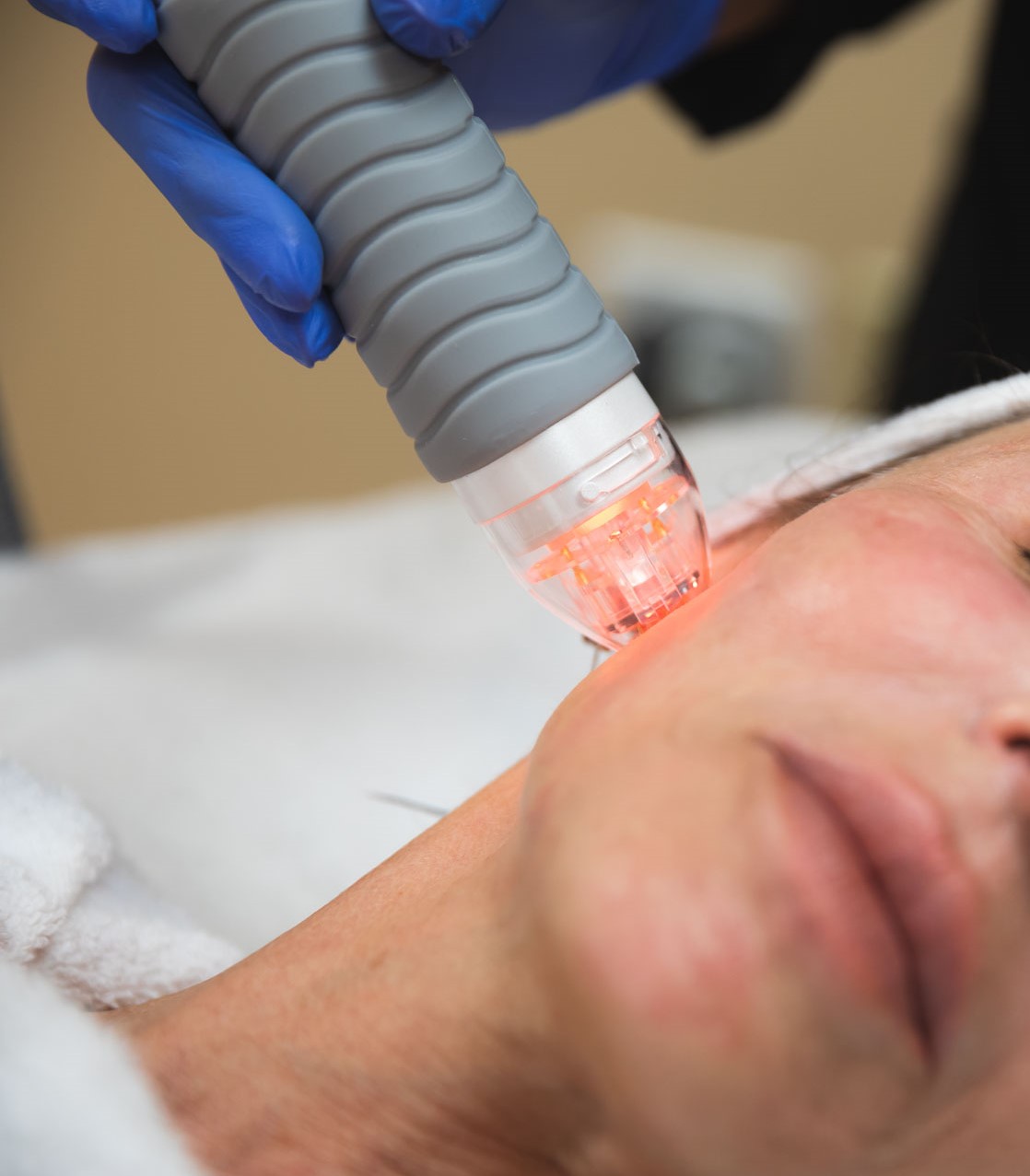
Research does not support supplements, laser therapy, or vaginal rejuvenation techniques. Talk to your provider if you have questions about any treatments you hear about.
Other strategies
Strategies to help your vaginal and bladder health include:
- Pelvic floor exercises (Kegels) to strengthen the muscles of your pelvic floor and help with leaking urine
- Sexual stimulation to help increase blood flow and lubrication
- Other forms of sexual expression help fulfill sexuality and pleasure
- Pelvic floor physical therapy to improve muscle strength, endurance, and relaxation
These strategies are often combined with local hormone treatment.
Finding support
Vaginal and urinary symptoms are common. Be open with your provider about how you’re doing and work together on a plan that’s personalized to you. They may recommend specialists, such as pelvic floor physical therapists, for additional help.
You can also reach out to your Progyny Care Advocate for confidential support and expert guidance. We are here to help with your peri/menopause questions and needs.
Explore related:
- Perimenopause: What can I expect?
- Sexual changes in perimenopause and menopause
- Menopause hormone therapy: Is it right for me?
Disclaimer: The information provided by Progyny is for educational purposes only and is not medical advice. Always consult a qualified healthcare provider for medical guidance.
The post Vaginal and urinary symptoms in perimenopause and menopause appeared first on Progyny.
What's Your Reaction?
 Like
0
Like
0
 Dislike
0
Dislike
0
 Agree
0
Agree
0
 Disagree
0
Disagree
0
 Excellent
0
Excellent
0
 Useful
0
Useful
0
 Great
0
Great
0