





















































Protecting your musculoskeletal health as you age


Medically Reviewed by Samantha M. Dunham, MD on December 1, 2024 | Written by Progyny Editorial Team
Your musculoskeletal health refers to your muscles, bones, joints, and connective tissues. No matter your stage in life, investing in your musculoskeletal health is essential.
As you age, hormonal changes raise your risk of osteoporosis (weak bones caused by low bone density). But you can take many steps — starting now — to maintain strong bones and muscles. This will help support mobility, balance, and wellness throughout your life.
Why musculoskeletal health matters before menopause
Whether menopause is years or decades away, it’s important to know how it will affect your bone density. Most bone loss happens in the few years before your final period and in the first few years after menopause.
The hormone estrogen protects bone density and prevents bones from becoming weaker. Your estrogen levels decrease with menopause, which can lead to rapid bone loss and a higher risk of osteoporosis. (Your bones develop until you are around 25. Bone density stays about the same until the few years around menopause.)
Protecting your bones and muscles before menopause is key, especially if you have a family history or other risk factors. It may lower your risks and build a strong foundation for your later years.
Nutrition for strong bones and muscles
A balanced eating plan rich in vitamins and nutrients is great for your health as you age. Calcium, vitamin D, and protein are particularly important.
Calcium
Calcium is necessary to build strong, healthy bones. And your bones are your body’s reservoir of calcium. The recommended daily intake for calcium varies by age:
- 19-50 years: 1,000 mg a day
- 51 and over: 1,200 mg a day
Our bodies can only absorb around 500 mg of calcium at once, so it’s best to have food and drinks with calcium over the course of the day. Good sources include:
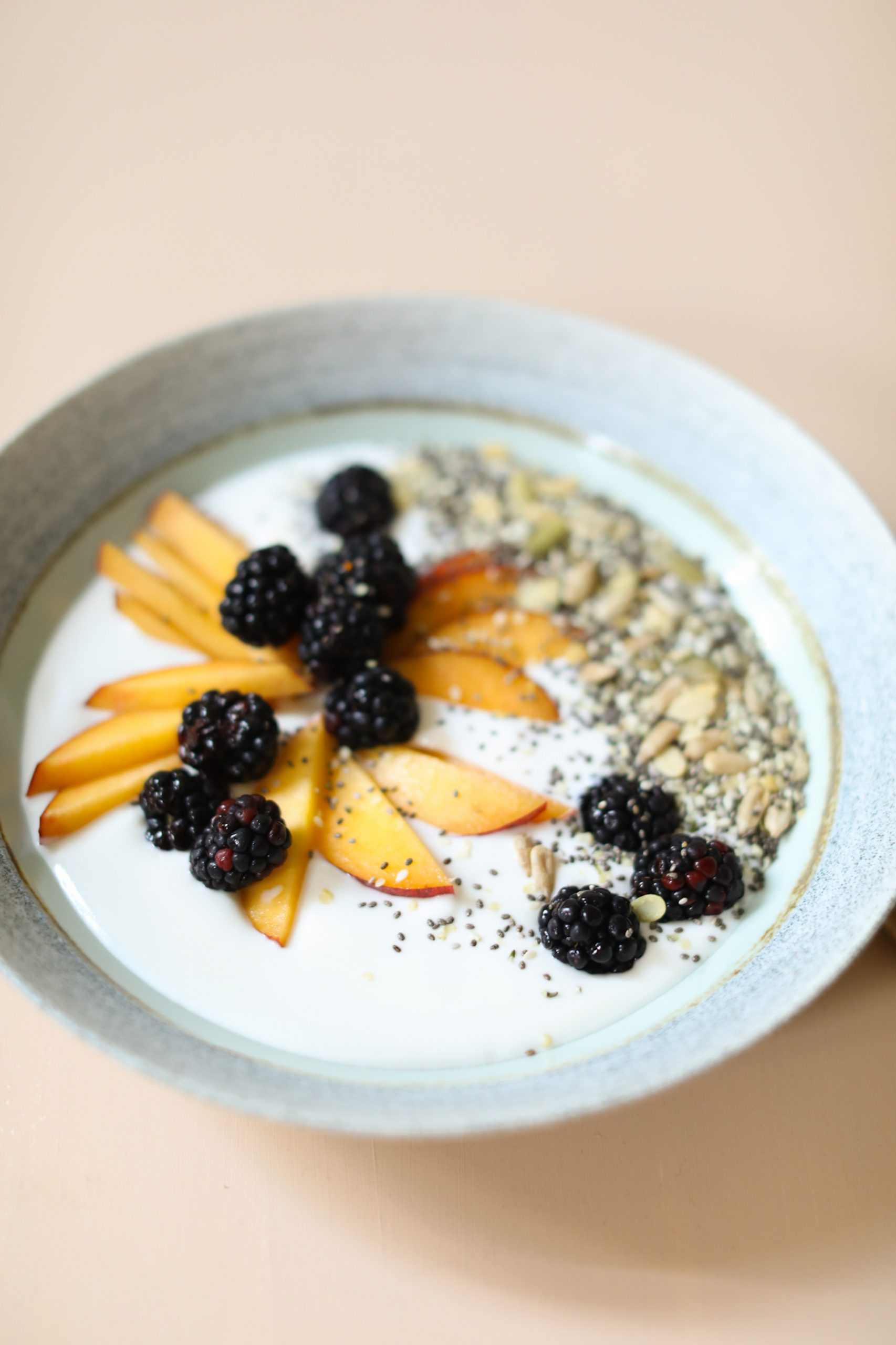
- Dairy (1 cup of plain yogurt has 415 mg)
- Foods fortified with calcium (1 cup of fortified cereal has 130 mg)
- Kale, broccoli, bok choy, tofu (1 cup of cooked kale has 94 mg)
Vitamin D
While calcium is great for your bones, calcium alone isn’t enough. Your body needs vitamin D to effectively absorb calcium and help prevent osteoporosis. The recommended daily intake for vitamin D is:
- 19-70 years: 15 mcg (600 IU) per day
The best way to meet your vitamin D intake is through what you eat. You can consider supplements if you’re low in vitamin D. Good sources include:
- Milk
- Plant-based milk
- Fatty fish
- Egg yolks
- Mushrooms
- Fortified cereals
Protein
Protein is a building block for strong bones and muscles. A daily supply of protein is necessary to maintain peak bone mass. In fact, increased protein intake later in life may decrease your risk of bone fractures.
The recommended intake for healthy adults is 0.36 g of protein for each pound of body weight. You can calculate your protein needs here. Good sources of protein include:
- Lean proteins: Seafood, poultry, lean meats, and eggs
- Plant-based proteins: Beans, soy products, nuts, and seeds
Exercise to strengthen bones and muscles
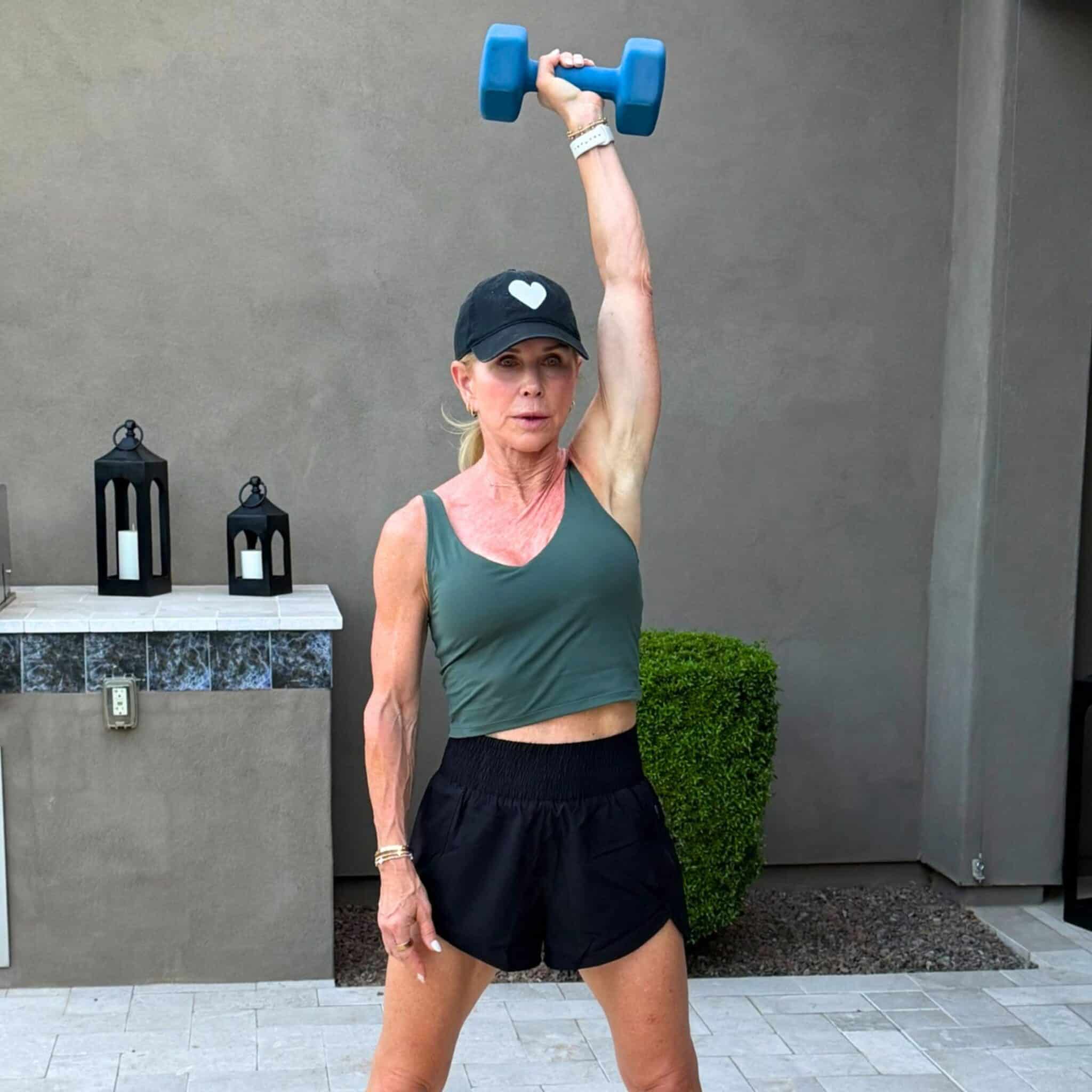
To reduce your risk for musculoskeletal disorders, strength training and weight-bearing exercises are essential.
Resistance training places stress on your bones — a good type of stress. And weight-bearing activities stimulate your bone-forming cells. This encourages your bones to remodel and grow stronger.
- Aim for 2 or more strength training sessions a week.
- Consider free weights, weight machines, medicine balls, and resistance bands.
- Increase resistance over time to help improve bone density and lower the risk of fractures.
- Work all major muscle groups (legs, hips, back, abdomen, chest, shoulders, and arms).
- Do movements that use multiple muscle groups at a time, such as:
- Chest press
- Bent-over row
- Push-up
- Squat
- Deadlift
- Lunges
Additionally, include exercises to improve your flexibility and balance. Flexibility and balance exercises improve your range of motion, which supports muscle and joint health. These include:
- Pilates
- Yoga
- Foam rolling
- Dynamic stretches
Work with a certified personal trainer and/or consult with your healthcare provider when starting a new exercise routine or experiencing pain with exercise.
Lifestyle habits
There are also some habits that can weaken bones and muscles. Here are a few to think about:
- Limit caffeine: Too much caffeine can increase calcium loss and worsen hot flashes and night sweats. To help avoid these negative effects, have less than 400 mg of caffeine (about 2 or 3 cups of coffee) a day.
- Limit or avoid alcohol: Excessive alcohol intake over your lifespan can harm your bone health. For women, have no more than 1 drink a day.
- Quit smoking: Smoking hinders your body’s ability to absorb calcium. This can decrease your bone density and increase your risk of osteoporosis.
- Maintain a healthy BMI: The recommended body mass index (BMI) is between 18.5 and 24.9.
- A BMI below 18.5 is a risk factor for osteoporosis.
- Increasing weight increases bone density, but without decreasing the risk of fractures. In fact, people who are obese are more likely to fall and break a bone.
Regular check-ups and screenings
An ounce of prevention is worth a pound of cure. Finding issues early can make a huge difference on your long-term health. Go to your routine check-ups and talk to your provider about bone density screening tests like the DEXA scan.
Your Progyny Care Advocate is also here to support you with 1:1 coaching, education, and guidance.
Explore related:
Disclaimer: The information provided by Progyny is for educational purposes only and is not medical advice. Always consult a qualified healthcare provider for medical guidance.
The post Protecting your musculoskeletal health as you age appeared first on Progyny.
What's Your Reaction?
 Like
0
Like
0
 Dislike
0
Dislike
0
 Agree
0
Agree
0
 Disagree
0
Disagree
0
 Excellent
0
Excellent
0
 Useful
0
Useful
0
 Great
0
Great
0