
































































Why Women Over 50 Need Jumping Exercises for Strong Bones and Better Balance



Many women over 50 assume jumping exercises are off-limits because of aging joints, knee pain, or fear of injury. But the truth is, the right kind of jump training can actually help improve bone density, strengthen muscles, boost balance, and support healthy aging.
In fact, low-impact jumping exercises are one of the most effective ways to help prevent osteoporosis and maintain mobility as we age.
And no, you don’t need intense plyometrics or high-impact workouts to see results.
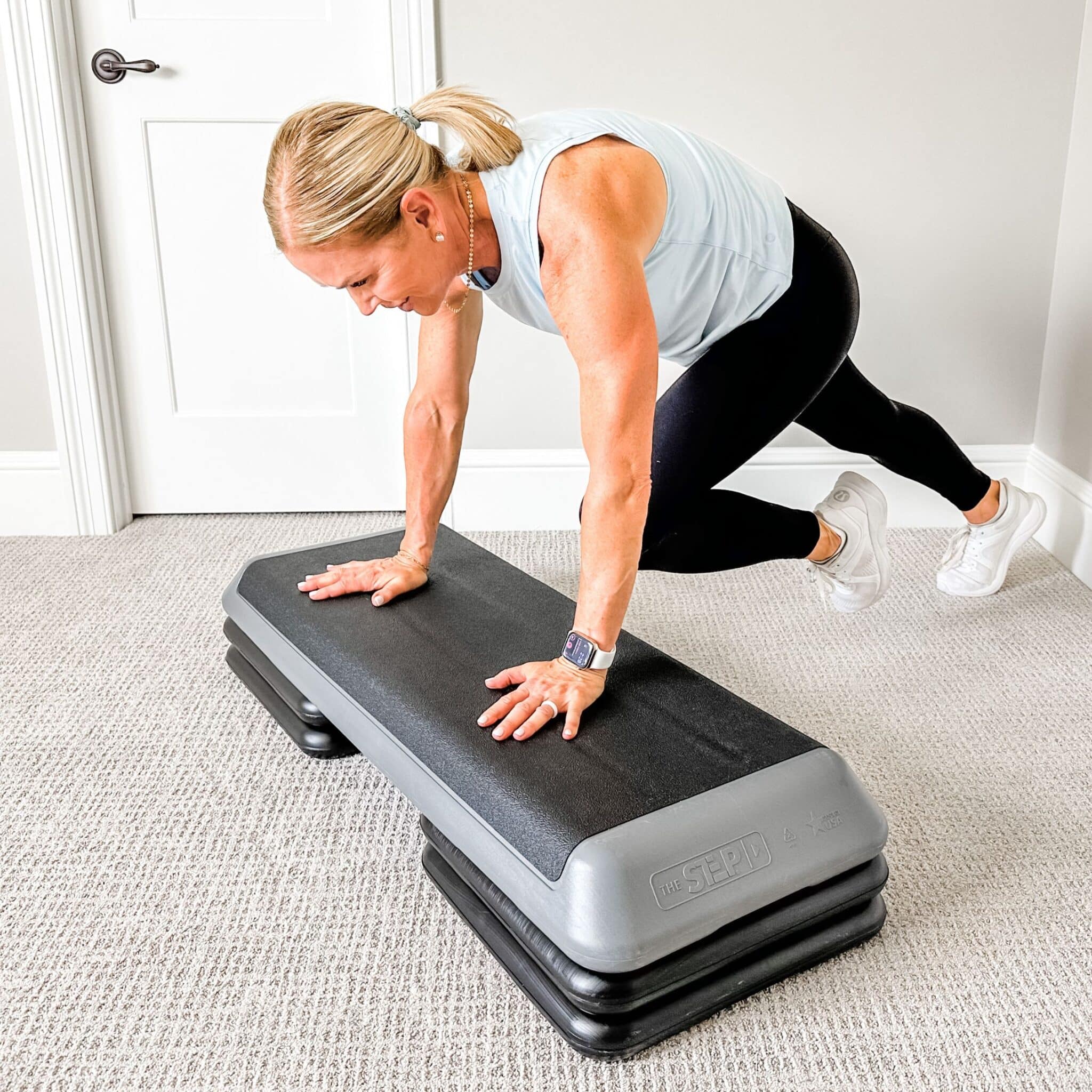
Small, controlled movements like gentle hops, skipping, jump rope, or modified jumping jacks can safely stimulate your bones and muscles while improving coordination and stability. For women over 50, this type of impact training may help reduce fall risk, preserve independence, and keep everyday activities feeling easier and stronger.
If you’ve ever thought, “My body can’t handle jumping anymore,” this article may completely change your mind.
Here’s why jumping exercises for women over 50 deserve a place in your fitness routine, and how to start safely.
Benefits of Jumping Exercises for Women Over 50
As we age, our bodies naturally change:
- Bone density decreases, increasing the risk of fractures and osteoporosis (check out these early osteoporosis signs to watch for!).
- Muscle mass declines, making everyday movements more challenging.
- Balance and coordination can falter, leading to a higher risk of falls.
This is where jump training comes in.
Small, controlled jumps create a safe, intentional impact that encourages your bones to grow stronger, your muscles to contract more efficiently, and your body to move with better stability.
How Jump Training Improves Bone Density
Impact exercises stimulate osteoblasts, the cells responsible for building new bone tissue. Essentially, a little stress on your bones tells your body, “Hey, we need to strengthen here!”
This is why research consistently shows that weight-bearing and impact exercises help reduce the risk of osteoporosis, a condition that affects many women over 50.
And it’s not just about bones. Jumping also engages your fast-twitch muscle fibers, which are essential for power, balance, and quick movements. Maintaining these fibers helps prevent muscle loss and keeps you moving confidently in daily life.
Safe Low-Impact Jumping Exercises for Beginners
If you’re thinking, “My hips and knees can’t handle that,” I hear you. The key is starting small and building gradually. Jump training isn’t about huge leaps or doing the most challenging moves on the first day.
It’s about controlled, low-impact movements that stimulate your body without causing strain.
Even tiny hops, gentle skips, or mini jumps while holding onto a sturdy surface can create enough impact to help your bones and muscles. Think of it as teaching your body to move explosively in a safe, joint-friendly way.
Best Jumping Exercises for Bone Health After 50
Here are some of my favorite ways to incorporate jumping safely and effectively:
1. Jump Rope
- Even 20–30 seconds at a time can boost bone health and cardiovascular fitness.
- Focus on short bursts and rest in between, quality over quantity.
Try this jump rope workout for beginners!
2. Jumping Jacks
- Start with low-impact jacks, stepping side to side instead of jumping.
- Progress to full jumping jacks as your joints get stronger.
See how to do a jumping jack with proper form!
3. Squat Jumps
- Begin with a basic squat.
- When ready, add a gentle lift off the floor, landing softly.
- Great for strengthening quads, glutes, and hamstrings.
See my full exercise guide on performing squat jumps properly.
4. Lunge Jumps
- Step into a lunge, then switch your feet with a controlled hop.
- Improves lower-body strength, coordination, and balance.
5. Skipping
- A fun, low-impact alternative to traditional jumps.
- Skipping helps stimulate bones and muscles while keeping joints happy.
Check out my guide on power skips!
How to Start Jump Training Safely After 50
The key to safe jump training after 50 is starting with low-impact movements, focusing on proper form, and progressing gradually as your strength, balance, and confidence improve.
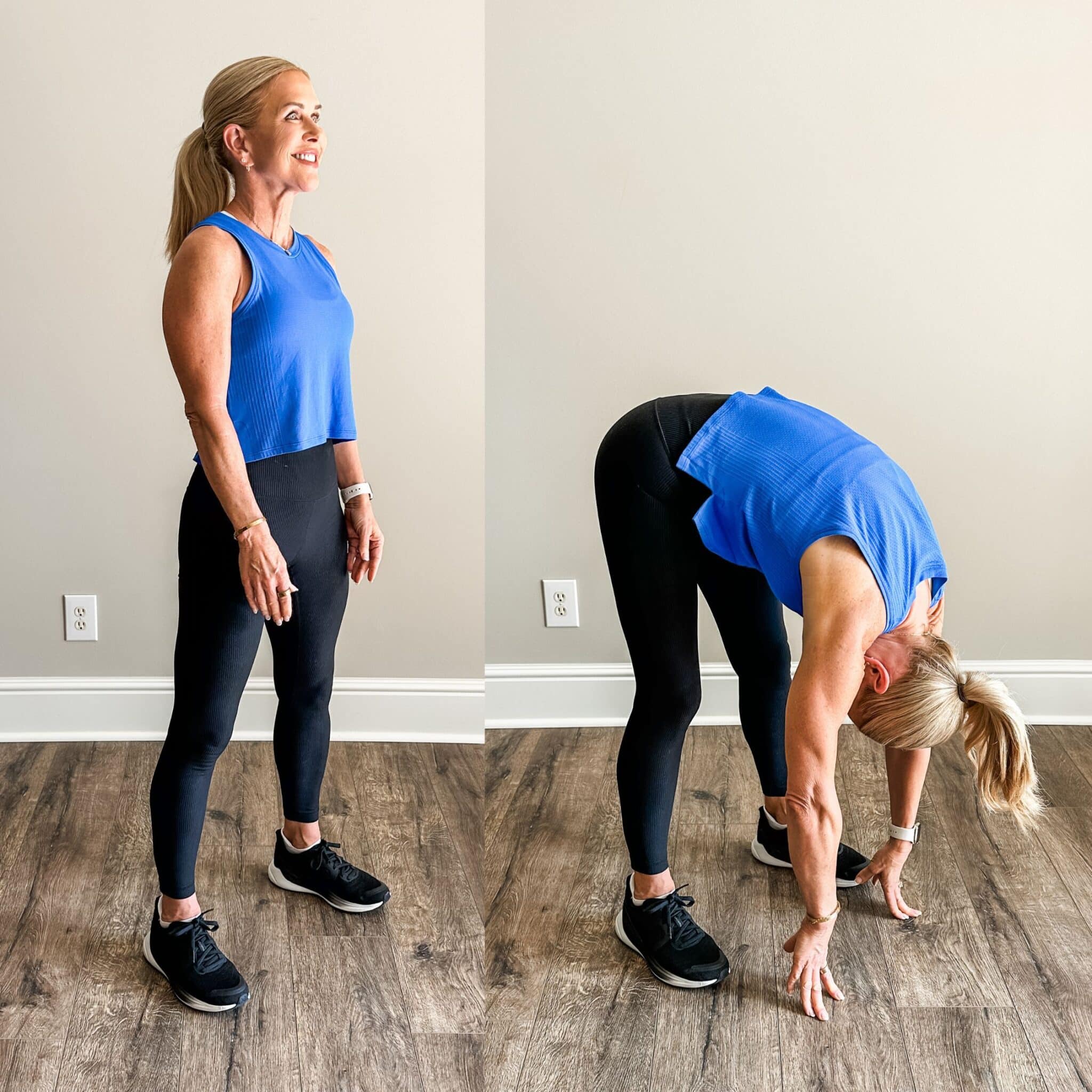
- Warm up first: Gentle dynamic stretches for hips, knees, and ankles will prepare your body.
- Start slow: Begin with 30–60 seconds of a jump variation, 2–3 times per week.
- Listen to your body: Mild soreness is okay, sharp pain is not. Modify exercises if needed.
- Progress gradually: Add more reps, longer intervals, or slightly higher jumps as your strength improves.
Remember: consistency matters more than intensity. Even a few minutes a day of low-impact jump training can help maintain strong bones, muscles, and balance.
Jumping isn’t just for kids or athletes, it’s a powerful tool for women over 50 who want to stay strong, independent, and active. By incorporating small, controlled jumps into your weekly routine, you’re investing in:
- Stronger bones to prevent fractures
- Muscle strength for daily activities
- Better balance and coordination to prevent falls
Start small, celebrate every lift off the ground, and build your confidence gradually. Your bones, muscles, and future self will thank you for it!
So grab a jump rope, try a few mini hops, and embrace the power of jumping for your health. You don’t have to fly, just move with intention, and you’ll see amazing results over time.
Jump Exercise FAQs
Yes, low-impact and controlled jumping exercises can safely improve bone density, balance, and muscle strength when performed correctly.
Weight-bearing impact exercises like jumping may help strengthen bones and reduce osteoporosis risk.
Jump rope, low-impact jumping jacks, squat jumps, and skipping are excellent beginner-friendly options.
Start with 2–3 short sessions per week and increase gradually as strength and balance improve.
What's Your Reaction?
 Like
0
Like
0
 Dislike
0
Dislike
0
 Agree
0
Agree
0
 Disagree
0
Disagree
0
 Excellent
0
Excellent
0
 Useful
0
Useful
0
 Great
0
Great
0