














































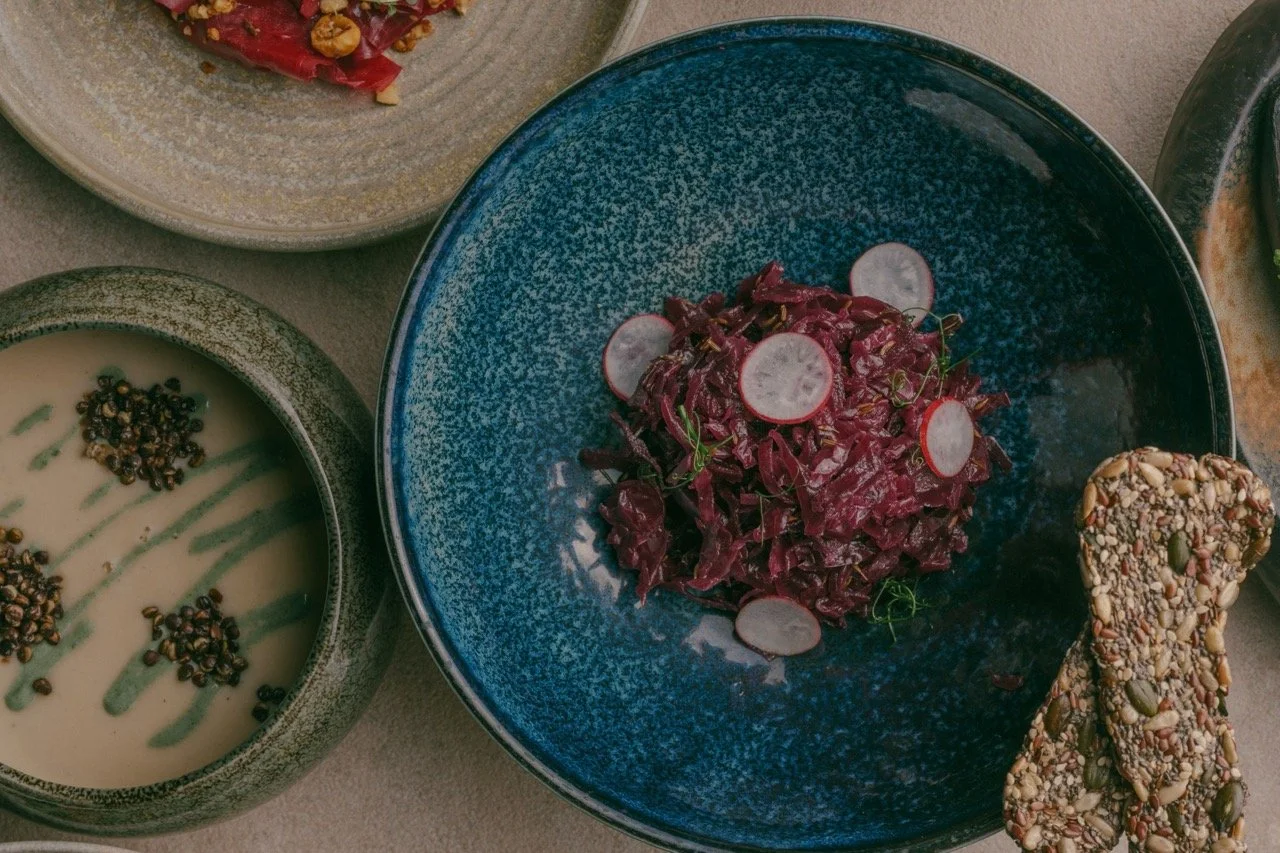






Sun, Skin and Savvy Supplements: A Nutritionist’s Summer Guide to Vitamins C, E, A and Zinc


As soon as the warm sun appears over our rooftops, the parks fill, the beaches beckon, and our collective mood lifts a few notches. It’s great to take advantage of that light, especially for a sensible vitamin D top-up. But while you’re catching rays on the sand or staking out a shady bench in the park, your skin is quietly negotiating with UV light, wind and pollution.
Four nutrients have earned a place in my summer toolkit: vitamin C, vitamin E, vitamin A and zinc. Food is your foundation, but supplements can act as supportive scaffolding, helping your skin and overall health to handle summer better.
Why These Four Work Together
UV exposure produces reactive oxygen species (ROS), which can degrade collagen, induce oxidative stress, damage skin lipids and cause inflammation. Vitamin C defends water‑based compartments from oxidative stress and supports collagen. Vitamin E protects fatty membranes and works synergistically with Vitamin C. Vitamin A helps to guide orderly cell turnover and repair. Zinc protects your skin barrier and supports wound healing. They don’t make you sun‑proof; they make you more sun‑resilient.
Quick Start: The Summer Skin Stack (at a glance)
- Vitamin C: Water‑soluble antioxidant; recycles vitamin E into its active form and supports normal collagen formation.
- Vitamin E: Lipid‑loving antioxidant; helps protect skin lipids and calm inflammation.
- Vitamin A: Helps to regulate skin cell turnover; supports repair after everyday environmental stress.
- Zinc: Cofactor for barrier integrity and wound healing; commonly used topically to soothe sunburn.
Vitamin C: The Repairer
Most animals make their own vitamin C, but humans do not. In summer, vitamin C’s antioxidant role becomes particularly relevant. Sunlight generates ROS in the skin; vitamin C helps to neutralise them in our aqueous compartments and, helpfully, regenerates oxidised vitamin E, so both antioxidants stay in the fight. It’s also essential for the enzymes that knit collagen together. Translation: after a breezy afternoon at the beach or a long park walk, your skin’s “repair crew” works more effectively when vitamin C is on board.
Food is the first port of call: citrus, berries, kiwi, peppers and broccoli. If your weekdays lack a variety of fruit and vegetables rich in vitamin C, a daily 500 mg supplement is a practical option for many adults, and Woods Health offers a chewable Vitamin C tablet that’s easy to fit into your routine. And remember: vitamin C won’t replace your sunscreen, but it does support the recovery your skin is already trying to do.
Vitamin E: The Lipid Bodyguard
Vitamin E takes up residence in your skin’s fatty membranes and natural oils, where UV light and pollution can cause problems. Have you experienced that tight, frazzled feeling after a blustery beach day? Oxidised lipids are often part of the story, and vitamin E helps keep that cascade in check. In real‑life terms, a Mediterranean-style plate of olive oil, nuts, seeds, and avocado goes a long way toward supporting your vitamin E status. A supplement can fill the gaps on hectic days, such as our Vitamin E tablets.
Vitamin A: The Project Manager
Vitamin A helps to regulate growth and differentiation in your skin. It acts as a powerful antioxidant and strengthens the skin barrier to minimise DNA damage and premature ageing. You can find vitamin A in animal foods (liver, eggs, dairy and fish) and in plants (carrots, tomatoes, leafy greens). Your body converts carotenoids to retinol as required, offering a helpful safety buffer. If your diet is lacking in these foods and your body needs some extra support, Woods Health offers Vitamin A as part of several of its supplement complexes.
Zinc: Barrier, Repair and Quiet Reliability
Zinc is a cofactor in hundreds of enzymes involved in immunity, structure, and repair. For skin, it helps maintain a vital barrier on hot, dry days and supports normal wound healing. On your plate, think of pumpkin seeds, lentils, meat, beans, and whole grains. If you are looking for extra support, Woods Health Zinc provides 15mg of zinc per tablet.
Further Reading on the Woods Health Blog
- Why are we noticing more Wrinkles, Stiff Joints, and Thinning Hair after 40? www.woodshealth.com/blog/2026/04/24/after-40-our-collagen-levels/
- Gut Feeling: Do Microbes Really Influence How We Age? www.woodshealth.com/blog/2026/01/16/gut-feeling-do-microbes-really-influence-how-we-age/
- Supporting Hair from Within: The Case for Saw Palmetto and Pumpkin Seed Extract www.woodshealth.com/blog/2026/02/06/hair-the-case-for-saw-palmetto-and-pumpkin-seed-extract/
- Explore more articles: www.woodshealth.com/blog/
Safety Notes
- Consult your GP before starting a new supplement, especially if you are on medication or have an existing or new condition.
- It’s good to remember that no capsule replaces sunscreen, shade, clothing and common sense.
Closing Thought
Sunscreen is not a marinade; you can’t apply it once and expect it to protect from UV all day. Reapply, feed your skin’s repair systems, and enjoy the sunshine in style. With good food, smart supplementation and sensible sun habits, you’ll arrive at September looking like you spent your summer outdoors and like you planned for it.
References
- Pullar JM, et al. (2017). The roles of vitamin C in skin health. Nutrients, 9(8):866. https://pubmed.ncbi.nlm.nih.gov/28805671/
- Thiele JJ, et al. (2007) Vitamin E in human skin: organ‑specific physiology and considerations for its use in dermatology. Molecular Aspects of Medicine, 28(5–6):646–667. https://pubmed.ncbi.nlm.nih.gov/17719081/
- Stahl W, et al. (2012) Carotenoids and UV protection. Photochemical & Photobiological Sciences, 11(8):1297–1304. https://pubs.rsc.org/en/content/articlelanding/2004/pp/b316082c
- Kafi R, et al. (2007). Improvement of naturally aged skin with vitamin A (retinol): a randomised, double‑blind, vehicle‑controlled study. Archives of Dermatology,143(5):606–612. https://pubmed.ncbi.nlm.nih.gov/17515510/
- Lansdown ABG, et al. (2007) Zinc in wound healing: theoretical, experimental, and clinical aspects. Wound Repair and Regeneration, 15(1):2–16. https://pubmed.ncbi.nlm.nih.gov/17244314/
- Prasad AS. (2008) Zinc in human health: effect of zinc on immune cells. Molecular Medicine, 14(5–6):353–357. https://pubmed.ncbi.nlm.nih.gov/18385818/
What's Your Reaction?
 Like
0
Like
0
 Dislike
0
Dislike
0
 Agree
0
Agree
0
 Disagree
0
Disagree
0
 Excellent
0
Excellent
0
 Useful
0
Useful
0
 Great
0
Great
0