








































Is the Bare Nail Quiet Luxury, or a Recession Indicator?
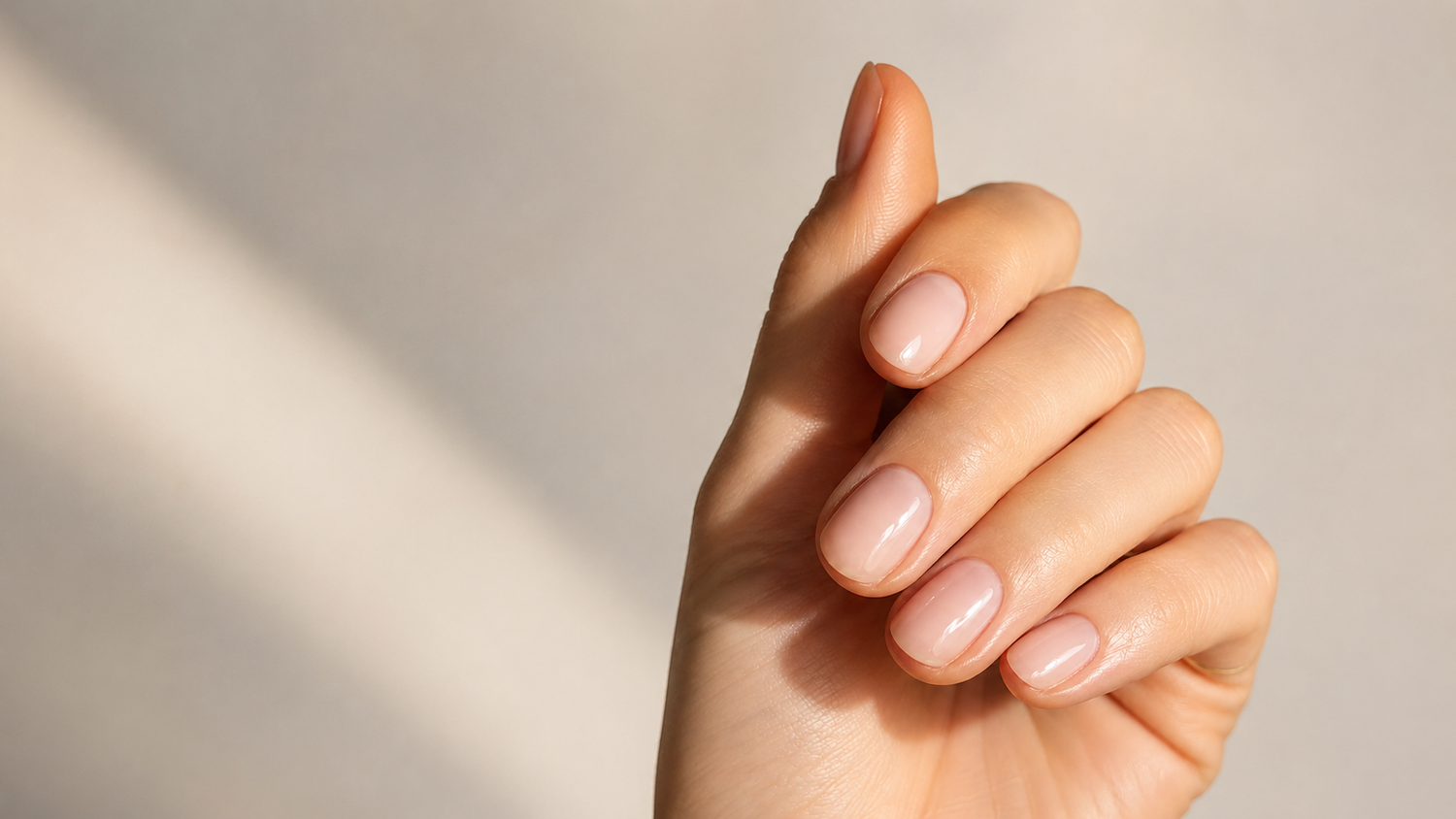


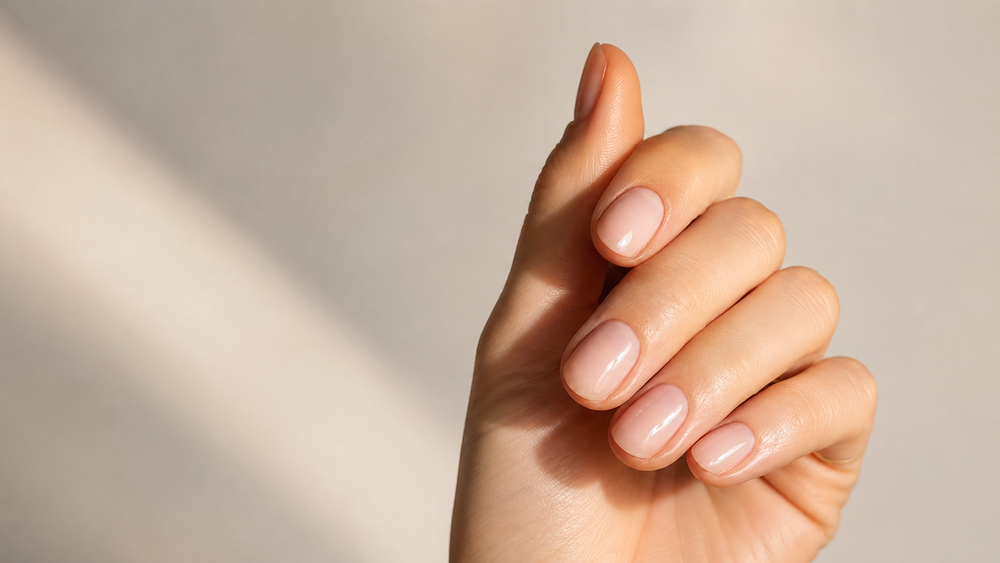
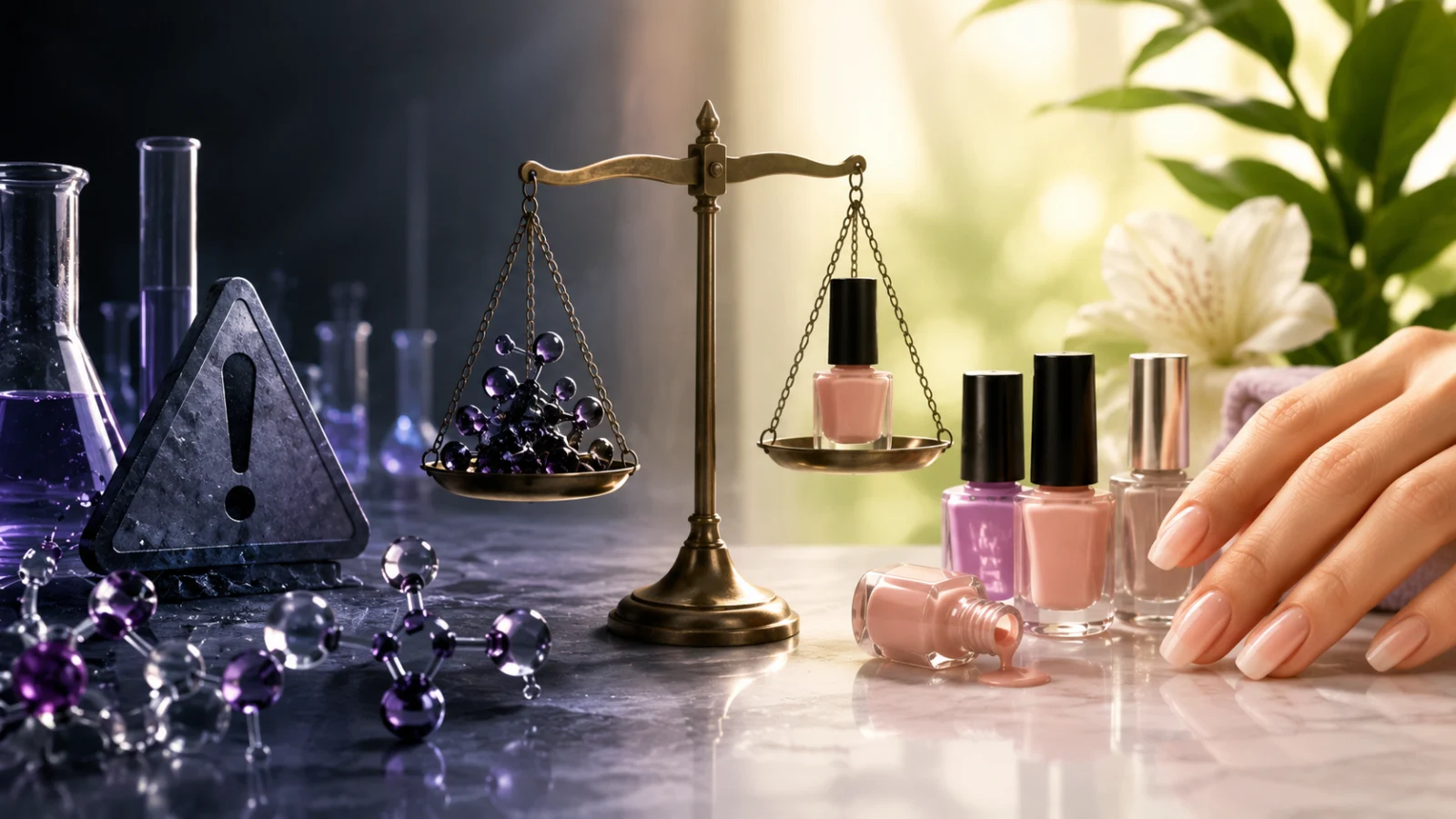
The shortest, sheerest manicure in years is having its moment, and nobody can agree on what it means. To one camp, the bare nail is the new quiet-luxury flex. To another, it's a recession indicator hiding in plain sight. The frustrating part for anyone working on the floor is that both camps may be right at once, and you cannot tell which client is sitting in front of you by looking at her hands.
A trend whose meaning depends entirely on the wearer is not really a trend. It is closer to a mirror, reflecting where the consumer is and what she wants to be read as. The job for salons is less about picking a side and more about understanding why both readings are gaining traction in the same season.
What the look actually is
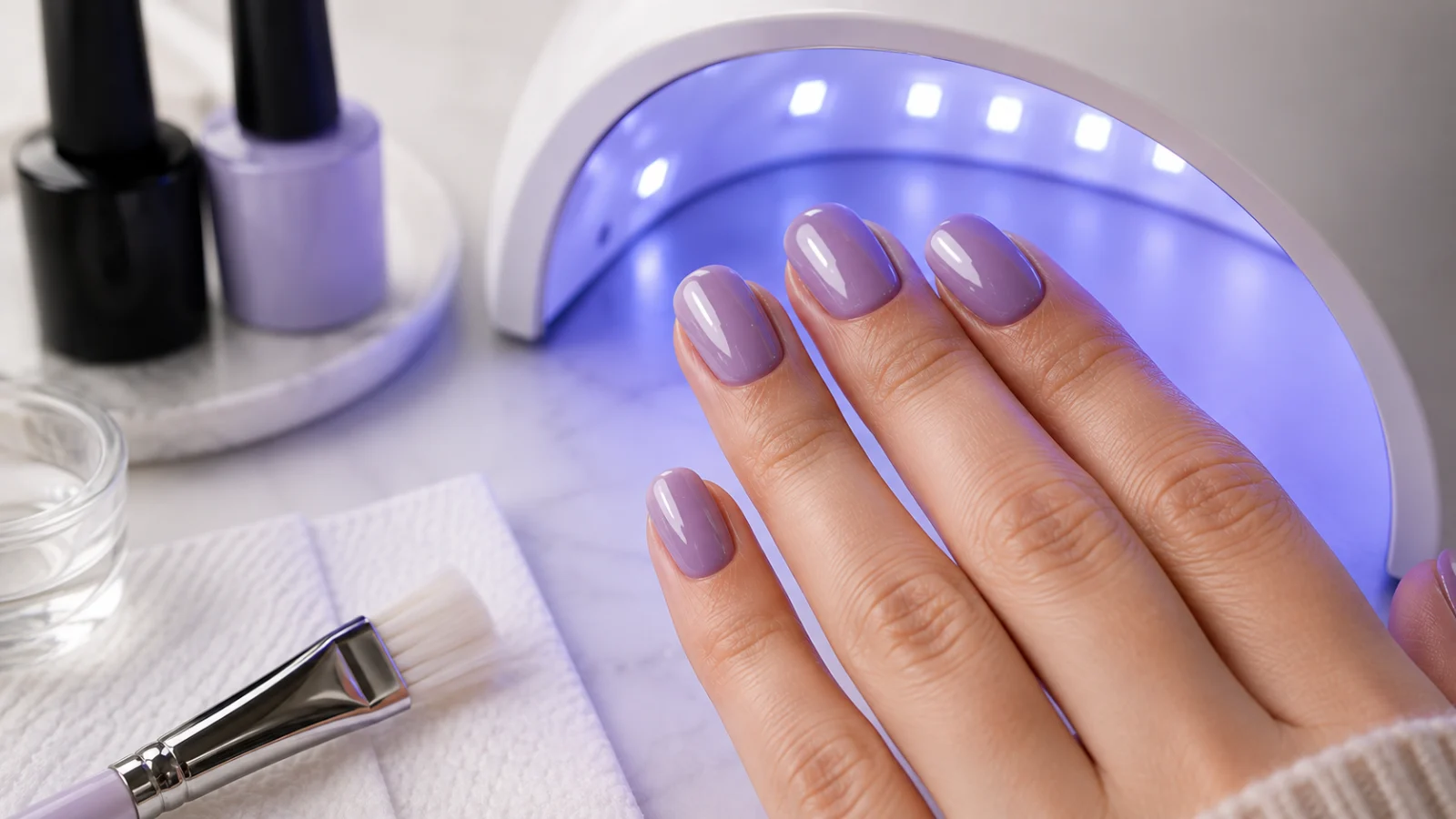
Strip the discourse away and the visual brief is genuinely simple. Short natural length, filed to a soft square or almond, finished with sheer pink, milky white, nude, or buffed to a high shine. No extension or chrome. None of the dense art that has dominated the past few years.
Fresha booking data shows minimal manicures up 250% year on year across UK salons, with milky white finishes climbing alongside. In the US, salon chains have flagged shorter-nail demand quietly building for over a year. Search interest for "Japanese manicure" and "soap nails" has climbed in step. It is not fringe and it is not slowing.
What complicates the picture is that maximalism is also up. Polka dots, sardine motifs, butter yellow, 3D floral work, none of it is dying. Two trends are running in parallel, which is itself an important commercial signal. The market is not consolidating around one look but instead, it is splitting.
The quiet flex
The idea stems from the concept of countersignalling. When a status marker becomes mainstream, the people at the top stop using it, because participating no longer separates them from anyone else. Gels, infills, art, visible salon maintenance, all of it was aspirational once. It became accessible to almost everyone, so opting out turned into the new signal.
The references this read pulls from are consistent. Fashion-week front rows. Sofia Richie. The Row campaign hands. Editorial photography that crops in tight on a buffed natural nail with no polish at all. In this framing, the bare nail says the wearer has the time and money for nail health, with enough security in her own taste not to need visible proof of effort. It reads as expensive in a way that visible cost cannot.
The Financial Times called it "naked nails as manicure flex." Marie Claire framed it as nail health over nail art. The thread running through all of it is that the bare look only works if the underlying nail is in genuinely good condition. Ragged is not the goal. Pristine is.
The recession tell
The other read calls these exact same nails "recession nails," and sometimes "princess nails," and arrives at the opposite conclusion. Shorter and barer is cheaper to maintain. It needs fewer infills and less frequent salon visits. Almost no product spend in between. The bare nail is what the consumer settles for when she still wants to look polished but is quietly stretching her beauty budget and something they can recreate at home.
This sits comfortably alongside the lipstick-index thinking that has been around since 2001. When money tightens, beauty spend rarely vanishes outright. It shrinks and migrates toward smaller categories. Recent commentary from the Black Beauty Club and others has updated this for the current moment, pointing out that the lipstick index itself may be giving way to a lip-gloss index, a strip-lash index, even a press-on index.
But here’s the catch - they have a different story, but at the end of the day, it is the same nail. The secure client and the squeezed client want the identical thing on the surface, and you cannot tell from the nail itself which one is sitting in your chair.
This is the part nobody saying "simply elevated" or "just more polished" really wants to admit. The motive is the part you cannot see, and the motive is what dictates how the client will respond when you mention add-ons, retail, or rebooking. One client will happily add a strengthening treatment and book again in four weeks. The other is mentally calculating whether she can stretch the same look to six weeks instead of three. Reading her wrong costs you the booking either way.
The other thing the discourse keeps walking past is who gets to set the taste standard in the first place. Framing bare nails as inherently "more tasteful" quietly codes one narrow aesthetic, predominantly white, fashion-adjacent, and quiet-luxury-coded, as superior. It writes over the deep history of length, art, embellishment, and craft in Black and working-class nail culture, traditions that mainstream luxury has been borrowing from for decades. It is worth keeping front of mind before anyone in the industry reaches for "low-status" or "high-status" language about a client's nails - both clients are profitable.
So what does any of this mean for the appointment book.
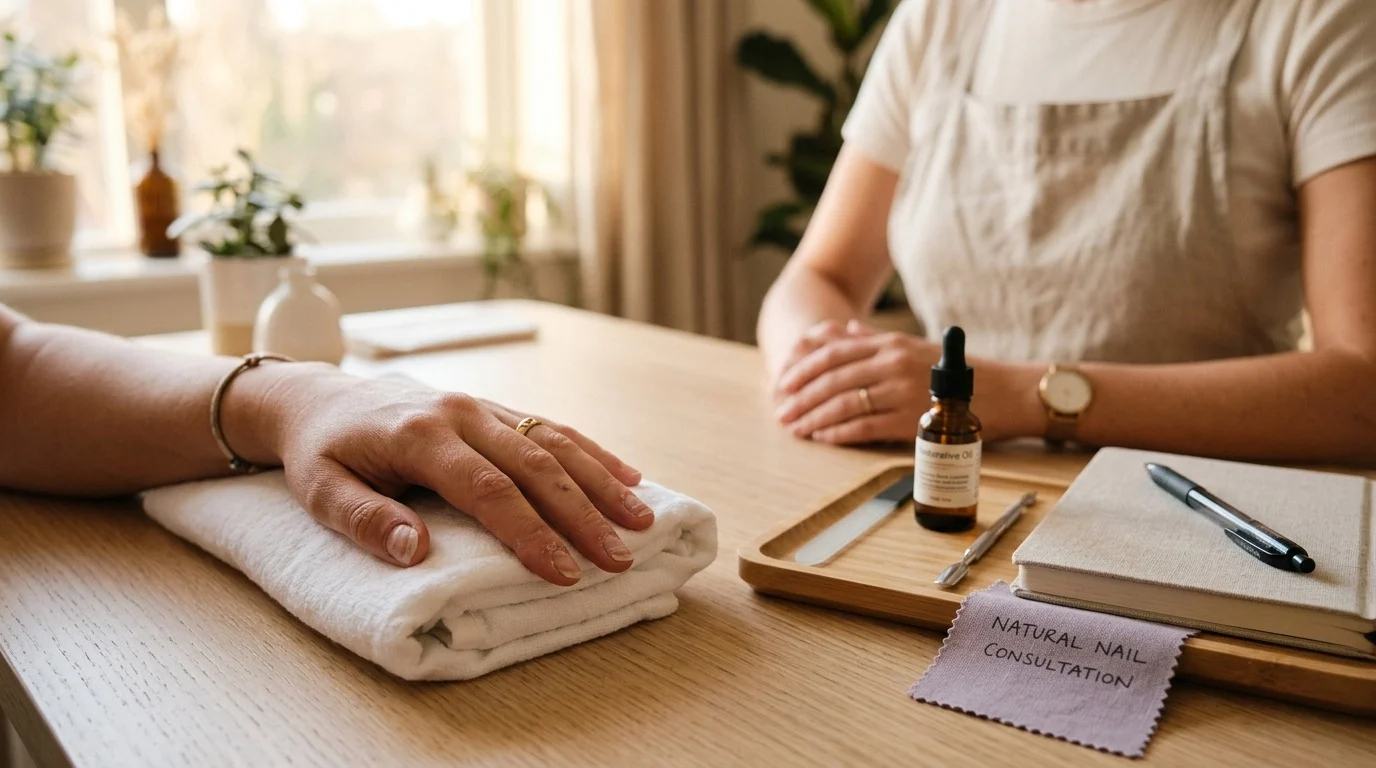
The first thing to hold onto is that bare nails are not the same as no service. The natural-looking nail that actually photographs well, holds up between appointments, and signals expense rather than neglect is genuine technical work. A proper Japanese manicure, with the paste work and buffing that delivers real shine on a bare nail, takes skill and product. So does a builder-gel overlay applied sheerly enough to read as natural. So does the kind of structured cuticle conditioning that makes short nails look intentional rather than worn down. Clients attempting any of this at home cannot replicate the finish, and most cannot replicate the underlying health work either. That gap is your retention.
The second is that menu language matters. "Plain manicure" undersells what the client is actually buying and almost guarantees she pushes back on price. Reframing the service around what it delivers, whether that is the Japanese manicure, the nail-health treatment, the strengthening reset, or the sheer overlay, gives the client a reason to value it. It also lets you price it correctly. A bare-look service costing the same as a standard polish manicure is a missed margin opportunity. A bare-look service positioned as a specialist treatment is a defendable price point.
The third is the retail and rebook conversation. The bare-nail client, whether her motive is quiet luxury or quiet cutback, is a strong candidate for take-home strengthener and cuticle care she can run between visits. Both motives support this. The status client wants the nail to look impeccable in week three. The recession client wants her appointments to stretch further without losing the polish.
The last thing to flag is that maximalism is not the enemy of any of this. The split market means a salon serving only minimal clients leaves money on the table, and one serving only maximalist clients does the same. The strongest commercial positioning right now is range. A menu that confidently prices a buffed Japanese manicure alongside intricate gel art, with no implied hierarchy between the two, captures both audiences without making either booking feel like the lesser one.
Where this leaves us
The bare-nail trend is not really about nails. It is about how the wider beauty consumer is currently managing two competing pressures, the pressure to look effortless and the pressure to spend less, and resolving both through whichever look gives her the most plausible deniability. The fact that the same service can read as luxury or as economy depending on the client is not a problem for the industry.
The salons that hold their pricing through this period will be the ones who name what they actually offer, rather than letting the client define it as "just a plain manicure." The bare nail is a service and you can charge for it accordingly.
What's Your Reaction?
 Like
0
Like
0
 Dislike
0
Dislike
0
 Agree
0
Agree
0
 Disagree
0
Disagree
0
 Excellent
0
Excellent
0
 Useful
0
Useful
0
 Great
0
Great
0