















































The Proactive Over-70s: How to Maintain Your Energy and Independence Every Day


The Proactive Over-70s: How to Maintain Your Energy and Independence Every Day
If there is one thing we know about being in your 70s today, it’s that the outdated stereotype of ‘slowing down’ no longer applies. Today’s over-70s are travelling, tending to beloved allotments, keeping up with energetic grandchildren, and taking on new hobbies. You are part of a proactive generation that values active independence.
However, even the most youthful mind can occasionally feel let down by a body that tires more quickly than it used to. If you’ve noticed that your energy reserves deplete faster in the afternoon, or that recovering from a busy weekend takes a day longer than it did in your 60s, you aren't alone.
Maintaining your vitality doesn't mean fighting against age; it means understanding how your body’s needs have changed and giving it what it requires to thrive.
The Science of 'Slowing Down': Why Your Energy Drops
To maintain our independence, we first need to understand what is happening on a cellular level. Inside almost every cell in your body are mitochondria, often described as the ‘battery packs’ of your cells. They convert the food you eat into usable energy.
When we are young, these batteries are highly efficient. But as we pass our 60s and enter our 70s, the body’s natural production of a crucial compound called CoEnzyme Q10 (CoQ10) begins to decline significantly. CoQ10 is the spark plug that helps those cellular batteries fire. When your levels drop, your cells simply cannot produce energy as efficiently, contributing to that familiar feeling of physical fatigue and sluggishness.
Furthermore, as we age, our digestive systems become less efficient at absorbing essential vitamins and minerals directly from our food. You could be eating a perfectly balanced, healthy diet, yet still fall short of the optimal nutrient levels required to sustain an active lifestyle.
Daily Habits for Sustained Vitality
The good news is that there are helpful things you can do to aid your daily energy levels. Incorporating a few strategic lifestyle habits may improve your physical independence.
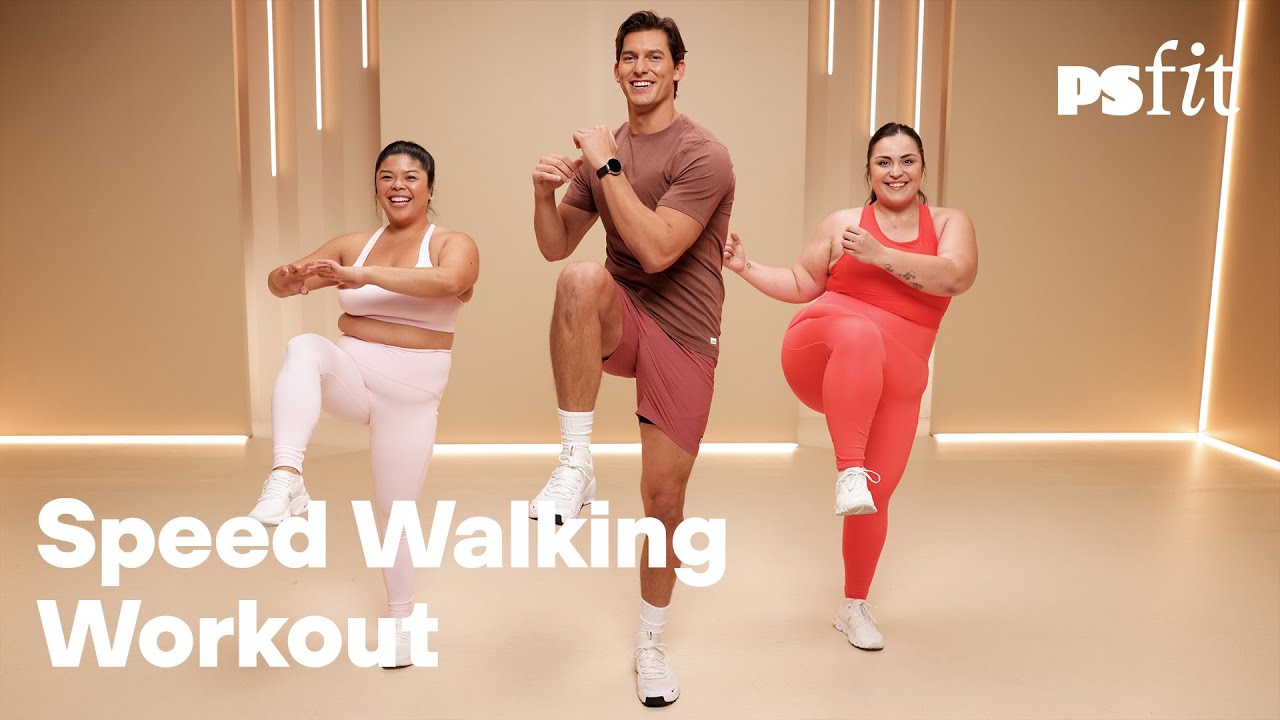
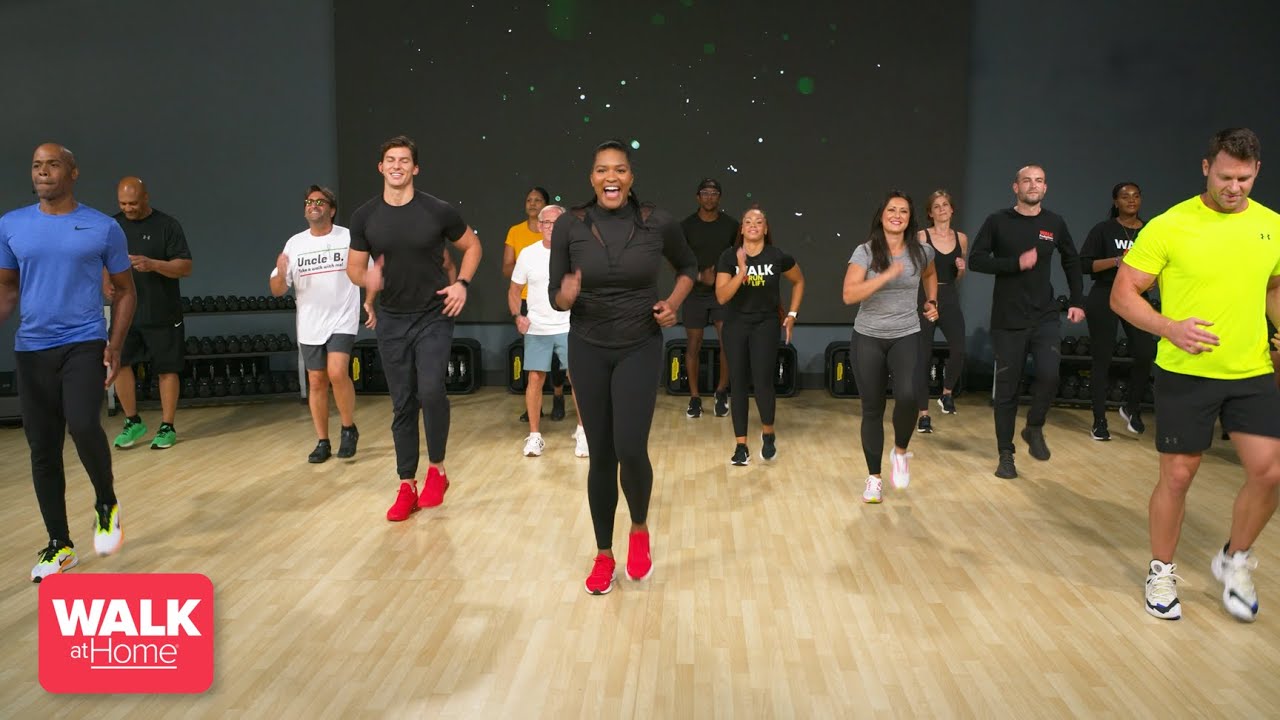
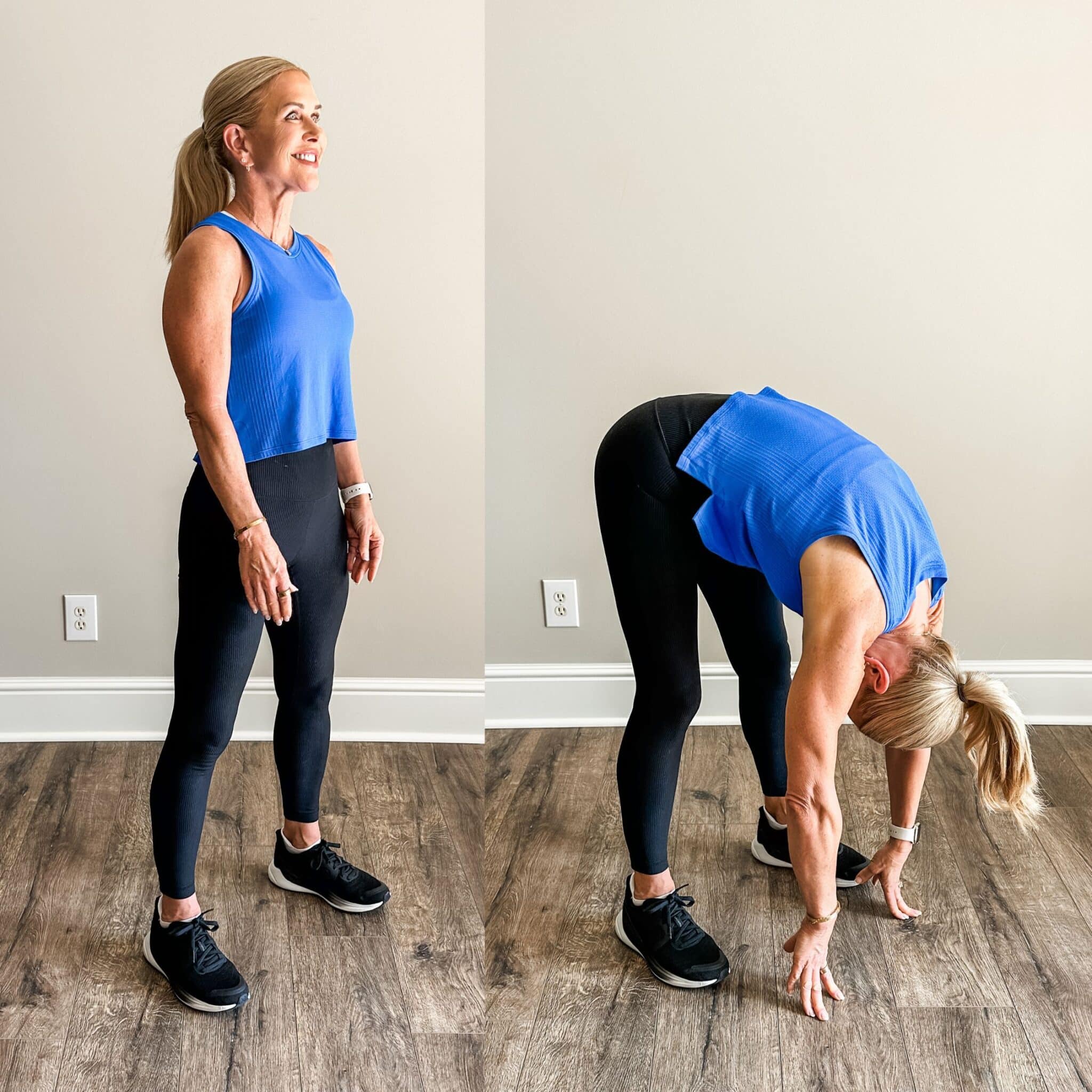
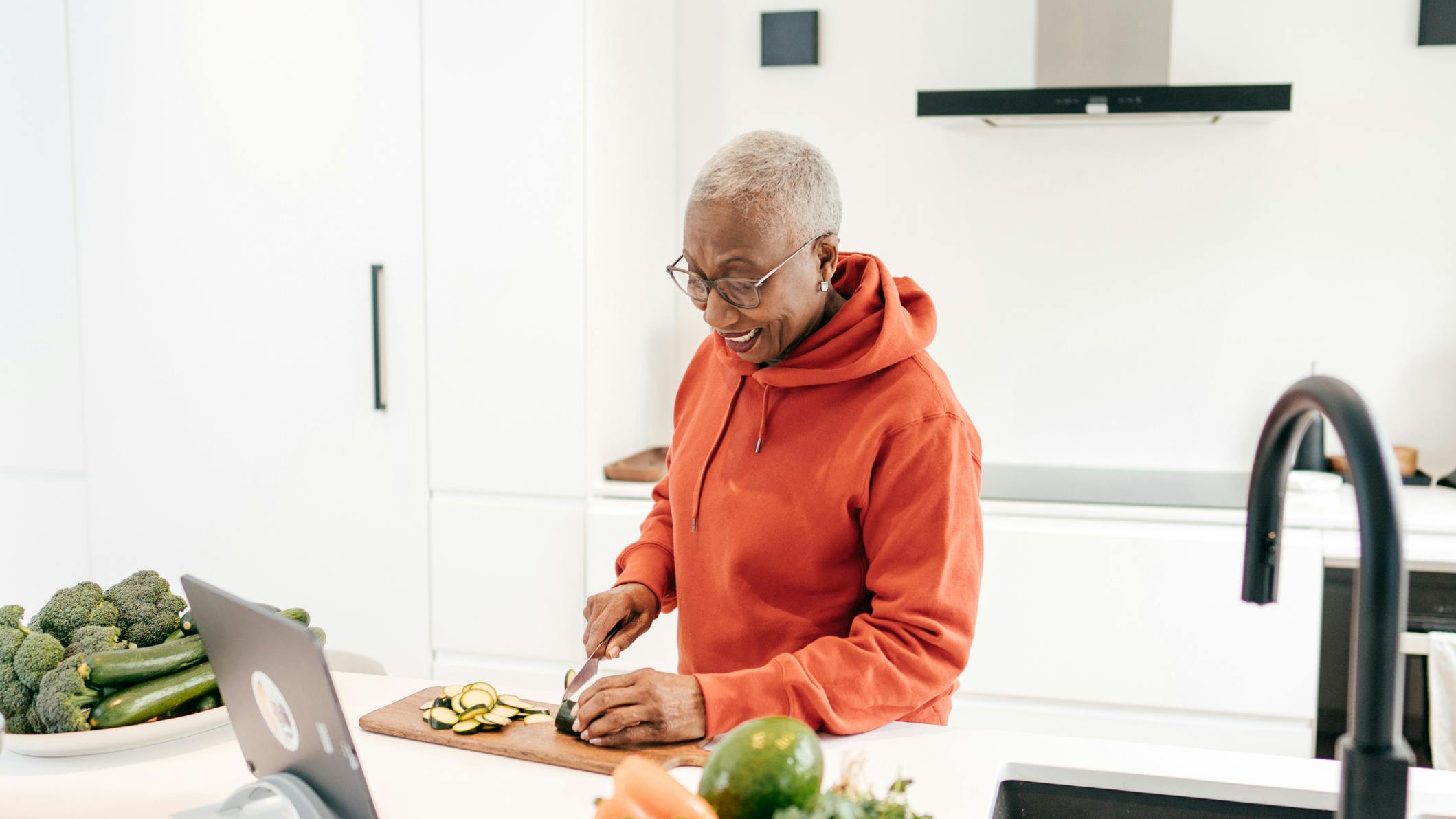
- Prioritise ‘Incidental’ Movement. You don’t need to join a gym to stay strong. The secret to longevity and independence is consistent, incidental movement throughout the day. Activities like gardening, walking to the local shops instead of driving, or light stretching while watching television help to maintain muscle mass and joint flexibility. If you have limited mobility, gentle options such as seated exercises or simple arm and leg movements while seated can also encourage circulation and support muscle tone.
- Guard Your Sleep Quality. It is a common myth that older adults need less sleep. You still require 7 to 8 hours of quality rest to repair tissues and consolidate memory. However, your sleep architecture changes, which may lead to more frequent waking. To help combat this, expose yourself to natural daylight soon after you wake up. A 15-minute walk after breakfast helps to reset your circadian rhythm, encouraging deeper, more restorative sleep at night.
- Hydrate for Cognitive Clarity. As we age, our natural thirst mechanism weakens. Often, what feels like the ‘afternoon slump’ or a bout of brain fog may actually be mild dehydration. Make it a habit to keep drinking the recommended 6-8 glasses of water a day.
The Nutritional Gap: Your Daily Insurance Policy
While diet and movement are your foundation, bridging the nutritional gap is essential for the over-70s. Because your body’s absorption rates have altered, a standard, off-the-shelf ‘A-Z multivitamin’ often lacks the specific, high-strength compounds required to make a tangible difference to your energy.
This is exactly why we formulated the Woods Health 70+ Multivitamins. Tailored specifically for the biology of the over-70s, this bespoke formula goes far beyond basic nutrition. It provides the ideal levels of Vitamins A, C, D and E, alongside higher concentrations of B-Vitamins, which are famously difficult to absorb from food in later life but are necessary for nervous system function and combating fatigue.
Crucially, our 70+ Multivitamins supplement includes these specialised ingredients:
- CoEnzyme Q10: To support natural, jitter-free energy production at a cellular level. While some people may notice a boost in energy within a few weeks, it often takes around four to eight weeks of consistent daily use to experience the full benefits. Patience is key, as long-lasting changes take time to build up within your cells.
- Siberian Ginseng: This is a highly regarded traditional botanical, classified as an 'adaptogen'. It has been historically used to support physical stamina, help the body adapt to stress, and promote overall well-being.
- Ginkgo Biloba: it supports cerebral blood flow and helps to reduce inflammation.
FAQs
Why do older adults feel more tired in their 70s? Fatigue in later life is often linked to a natural decline in cellular energy production. As we age, our bodies produce less CoEnzyme Q10 (CoQ10), a vital compound used by our cells to generate energy. Additionally, older digestive systems are less efficient at absorbing energy-yielding nutrients, like Vitamin B12, from food alone.
Is a standard daily multivitamin enough for a 75-year-old? Generally, standard multivitamins are formulated for younger metabolisms. Older adults require a tailored formula. The over-70s benefit from higher levels of Vitamin D (for bone health), elevated B-vitamins (for cognitive and nervous system support), and specialised additions like Ginseng and CoQ10 to specifically target age-related fatigue.
How can seniors safely increase their energy levels? A helpful way for seniors to increase energy is through a combination of daily, gentle movement (like walking or gardening), staying hydrated, eating a nutritious diet and taking an age-appropriate daily multivitamin that includes B-vitamins and CoQ10 to support natural metabolic energy production.
*Before starting any new supplement, especially if you are taking medication or have new or ongoing health conditions, it is wise to consult with your GP.
References & Further Reading
- Age UK (2025). Healthy Eating Guide. https://www.ageuk.org.uk/information-advice/health-wellbeing/healthy-eating/healthy-eating-guide/
- National Health Service (NHS). B Vitamins and Folic Acid.https://www.nhs.uk/conditions/vitamins-and-minerals/vitamin-b
- Mantle, D., Hargreaves, I. (2019). Coenzyme Q10 Supplementation in Fibrosis and Ageing. Reviews on Biomarker studies in ageing and Anti-Ageing Research. https://link.springer.com/chapter/10.1007/978-3-030-25650-0_6
- Koffel, E., et al., (2023) Sleep health and aging: Recommendations for promoting healthy sleep among older adults: A National Sleep Foundation report. Sleep Health Journal, 9(6). https://www.sleephealthjournal.org/article/S2352-7218(23)00196-1/fulltext
- The Association of UK Dietitians (BDA). Older Adults Food Facts. Outlining the specific micronutrient deficiencies commonly seen in the UK population over the age of 65. https://www.bda.uk.com/food-health/food-facts/older-adult-food-facts.html
What's Your Reaction?
 Like
0
Like
0
 Dislike
0
Dislike
0
 Agree
0
Agree
0
 Disagree
0
Disagree
0
 Excellent
0
Excellent
0
 Useful
0
Useful
0
 Great
0
Great
0