


























































Menopause and Hair Loss: What Practitioners Need to Know
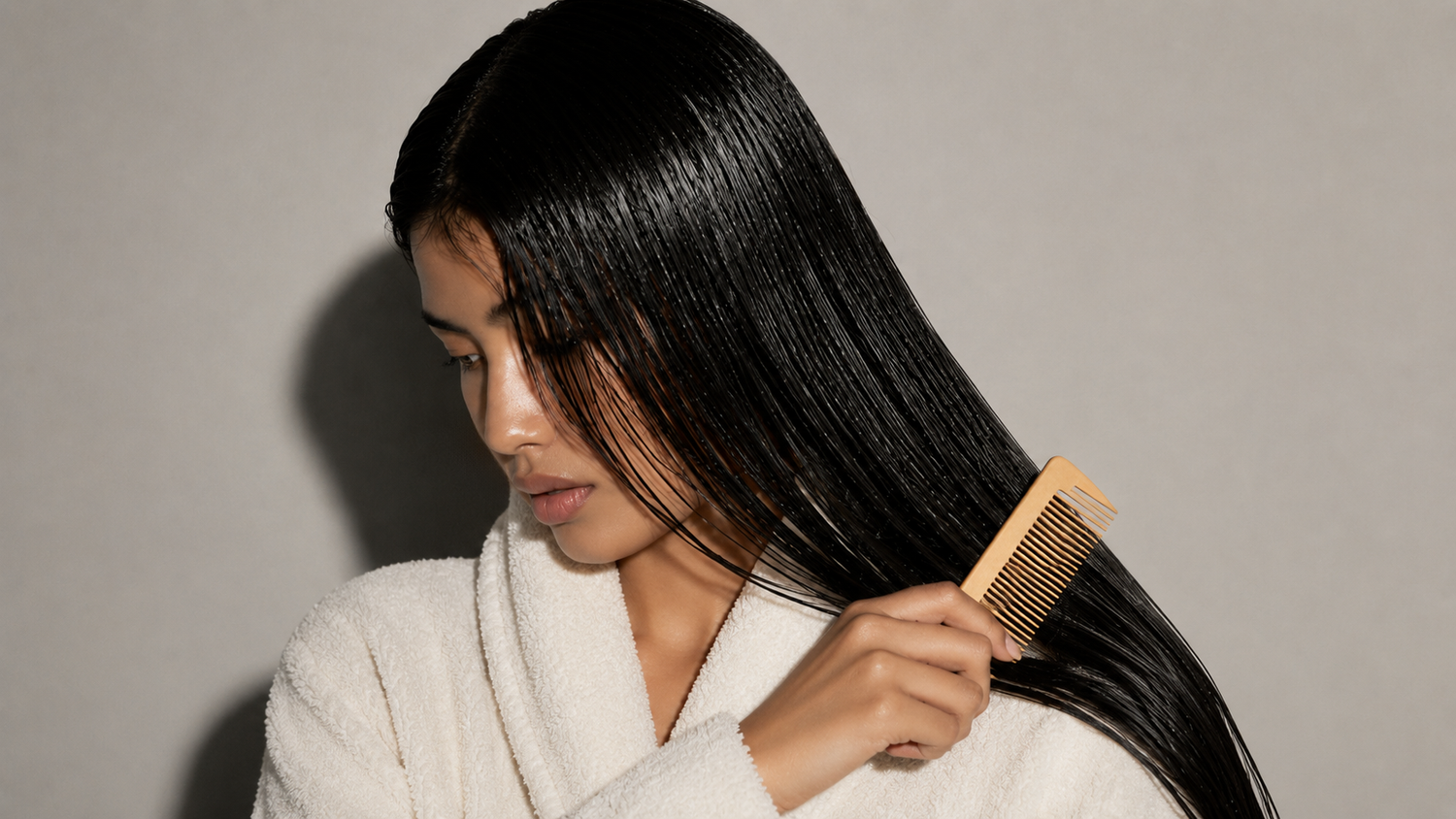


Menopausal hair thinning is becoming a major concern in aesthetic clinics and salons alike. Together with Kam Dogan, founder and clinical director of The PRP Lab, we look at why practitioners are under growing pressure to provide informed advice, successful treatments, and realistic expectations.
For practitioners working with hair, understanding the causes of menopausal hair loss is now essential. Menopause-related hair thinning is rarely caused by a single issue; hormonal changes, stress, genetics, nutrition and scalp wellness can all play a role.
At the same time, advances in regenerative medicine and minimally invasive procedures are creating new opportunities for practitioners working in hair restoration.
Why Menopause Affects Hair
During menopause, oestrogen and progesterone levels decline significantly. These hormones help regulate the hair follicle cycle and maintain hair density. As levels drop, hair follicles spend less time in the active growth phase and more time in the shedding phase. This often results in finer hair, reduced density, slower regrowth and increased shedding.
Lower oestrogen levels can also increase the relative impact of testosterone on the follicles, leading to follicular miniaturisation, in which hair gradually regrows thinner and weaker over time.
Understanding the hair cycle is important for practitioners assessing menopausal hair loss:
Anagen: the active growth phase
Catagen: the transition phase
Telogen: the resting and shedding phase
During menopause, the anagen phase shortens, while more follicles enter telogen prematurely. This leads to increased shedding and reduced replacement of lost hairs.
More Than Hormones
Although hormonal change is central to menopausal hair thinning, several additional factors can worsen the condition.
Stress and Cortisol:
Sleep disruption, anxiety and emotional stress during menopause can increase cortisol levels. This may push more follicles into the shedding phase and trigger telogen effluvium, a sudden, diffuse form of hair shedding. Clients often notice increased hair loss while washing or brushing their hair several months after a stressful event.
Nutritional Deficiencies:
Hair growth relies on adequate nutritional support. Kam highlights low ferritin levels, vitamin D deficiency, low B12 levels, zinc deficiency, and insufficient protein intake as common contributors to thinning hair and poor regrowth.
Rather than recommending generic supplements, Kam advocates diagnostic-led treatment plans supported by comprehensive blood testing. “Taking random hair supplements without understanding what the body actually needs is often ineffective,” he explains.
Genetics and Chronic Health Conditions:
Genetics also influence how sensitive follicles are to hormonal changes. Menopause can accelerate female pattern hair loss in genetically predisposed individuals, particularly around the crown and parting.
Underlying medical conditions such as thyroid disorders, insulin resistance, PCOS, and autoimmune disease may additionally contribute to hair thinning.
Common Myths Clients Still Believe
For practitioners, client education remains a key component of successful treatment outcomes.
“If My Hair Is Shedding, I’m Going Bald”
Excessive shedding does not always mean permanent hair loss. Temporary shedding conditions, such as telogen effluvium, can improve once the trigger is addressed. “The bigger concern is often miniaturisation, where hair regrows progressively finer over time,” Kam adds.
“Supplements Alone Will Fix Hair Loss”
While supplementation can support hair health where deficiencies exist, it cannot override hormonal or genetic factors on its own.
Kam recommends blood testing before starting supplementation to ensure treatment is targeted and appropriate.
“Washing Hair Causes Hair Loss”
Scalp wellness is frequently overlooked. Infrequent washing can allow oil, debris and inflammation to build up around follicles.
Kam recommends washing the scalp regularly with sulphate-free, silicone-free, paraben-free products to maintain scalp health and reduce irritation.
Recognising Different Patterns of Hair Loss
Correct diagnosis is essential when creating treatment plans or advising clients.
Menopausal Hair Loss
Typically presents as:
widening of the parting
diffuse thinning across the crown
reduced ponytail density
gradual progression
Stress-Related Telogen Effluvium
Usually involves:
sudden excessive shedding
diffuse thinning
noticeable hair loss during washing or brushing
Alopecia Areata
Commonly appears as:
smooth circular bald patches
sudden localised hair loss
autoimmune-driven inflammation
Traction Alopecia
Often caused by:
tight ponytails
braids
extensions
repeated tension on the follicles
In advanced cases, traction alopecia can become permanent.
The Value of Early Intervention
Kam believes early diagnosis is one of the most important factors for achieving successful outcomes: “I would recommend seeking professional advice as soon as you notice the first signs of thinning or shedding.”
For hairdressers in particular, this presents an important opportunity. Salon professionals are often the first to notice widening partings, reduced density or changes in scalp appearance during appointments.
Combination Treatments
Successful hair restoration increasingly relies on combination treatment plans rather than single-solution approaches.
Depending on the client’s needs, treatment pathways may include:
PRP therapy
enhanced PRP and exosomes
mesotherapy
IV vitamin support
topical minoxidil
supplementation
HRT
hair transplant surgery
“If the problem is a mixture of factors, then the solution should also be a combination,” Kam adds.
Advances in Regenerative Hair Restoration
One of the most exciting developments in hair restoration is the evolution of enhanced PRP treatments using autologous exosome technology.
At The PRP Lab, Kam and his team have introduced superior PRP using MCT technology created to increase the release of growth factors, ATP and autologous exosomes. The treatment aims to amplify the regenerative potential of traditional PRP and increase overall treatment efficacy.
Alongside restorative therapies, The PRP Lab has also launched its new Invisible Hair Transplant™ procedure. The technique combines follicular unit extraction (FUE) with direct hair implantation (DHI) to create natural-looking results with minimal downtime.
Unlike usual hair transplant procedures, the treatment requires only trimming in the donor area at the back of the head, leaving the recipient area untouched. Patients can therefore maintain their existing hairstyle throughout recovery.
The procedure is particularly suitable for small to medium treatment areas, patients seeking discreet results, clients wanting minimal downtime and individuals concerned about visible signs of surgery.
The treatment can also be adapted for larger restoration cases where required.
“I wanted to create a procedure that gives patients real results without visible signs of surgery,” says Kam. “Our method focuses upon precision, comfort and natural aesthetics.”
Demand for effective hair restoration solutions is increasing across both clinics and salons. Practitioners who understand the hormonal, nutritional and lifestyle factors behind menopausal hair thinning will be best placed to support clients with safe, realistic and evidence-led treatment pathways.
Sign up with your email address to receive news and updates.
Subscribe
We respect your privacy. Thank you!
What's Your Reaction?
 Like
0
Like
0
 Dislike
0
Dislike
0
 Agree
0
Agree
0
 Disagree
0
Disagree
0
 Excellent
0
Excellent
0
 Useful
0
Useful
0
 Great
0
Great
0