




































































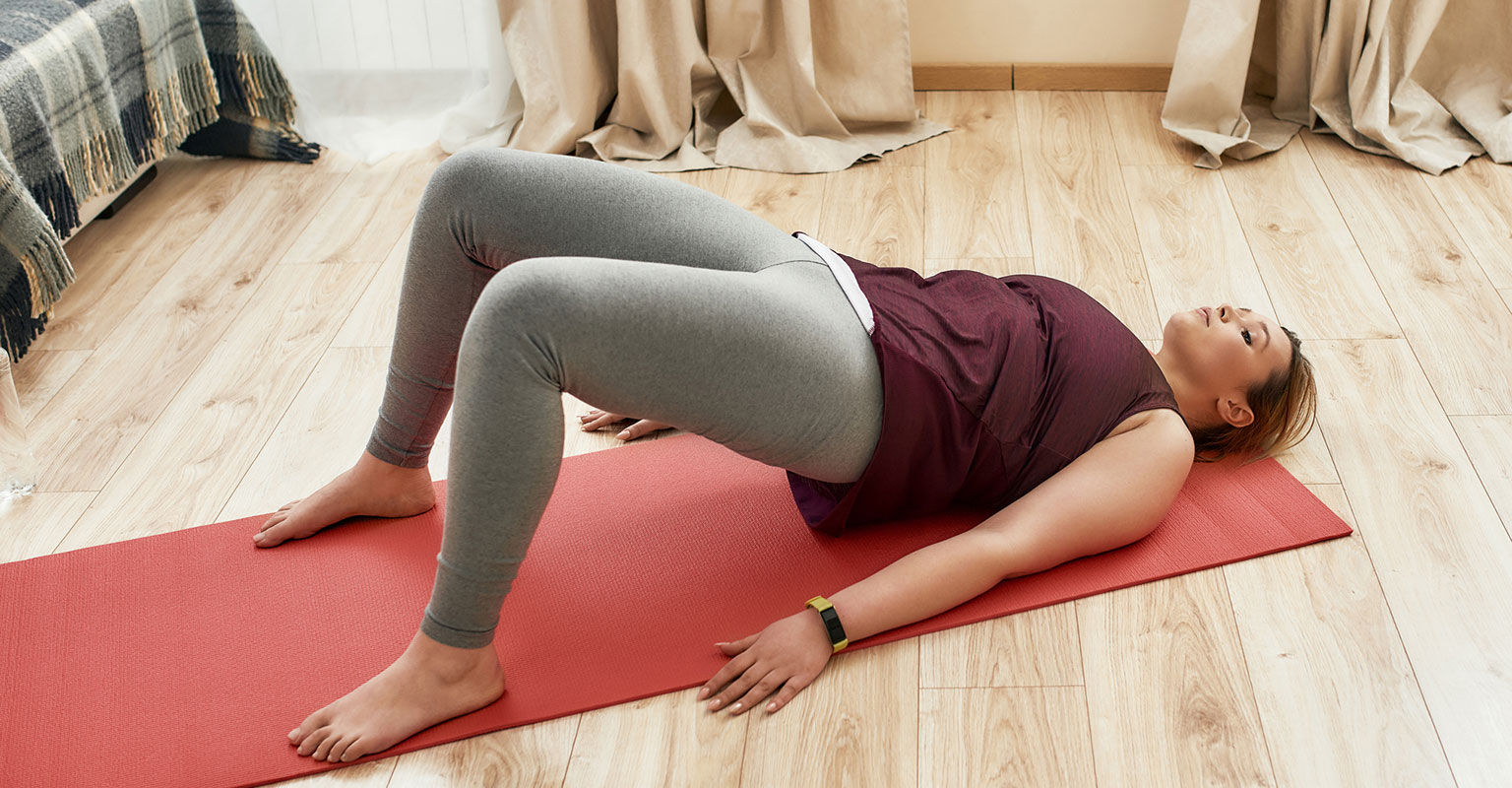
Starting pelvic floor therapy in the first trimester


Written by the Progyny Editorial Team. Reviewed by the Progyny Clinical Team – April 2026.
Pelvic floor physical therapy (PT) is often associated with postpartum recovery, but it’s not too early to think about it while pregnant. Starting as early as the first trimester can help you:
- Build strength and coordination.
- Prepare your body for the changes ahead.
- Manage symptoms that are common in the first trimester.
What is the pelvic floor?
The pelvic floor is a group of muscles and connective tissue that supports your uterus, bladder, and bowels. These muscles play an important role in bladder and bowel control, as well as supporting the uterus and vaginal walls.
During pregnancy, the pelvic floor is under increasing pressure. This can contribute to symptoms like pelvic pressure, discomfort, or loss of bladder control (urinary leakage).
How does pregnancy impact pelvic floor health?
The physical and hormonal shifts of pregnancy can lead to:
- Increased pressure
Weight gain from your baby, placenta, and increased blood volume strains the pelvic floor. This can lead to symptoms like urinary leakage. - Hormonal shifts
Hormones, such as relaxin, help prepare your body for birth, but can also make joints and ligaments less stable. - Digestive changes
Constipation is common and can place extra strain on pelvic floor muscles.
Some people may be at higher risk for pelvic floor concerns. Concerns include chronic constipation, connective tissue conditions, or frequent heavy lifting.
What is pelvic floor PT?
They are exercises that help prevent and treat pelvic floor issues. It involves strengthening exercises for the core and pelvic floor. It also involves breathing, relaxation, and other techniques.
Why start pelvic floor PT early?
It can offer several benefits:
- Prevent common symptoms by supporting strength and balance.
- Improve body awareness so you can engage and relax pelvic muscles.
- Ease early discomfort such as lower back, hip, or pelvic pain.
- Support posture and movement as your center of gravity shifts.
- Promote relaxation through breathing techniques.
Starting early also gives you time to practice these skills – so they feel more natural during labor and recovery.
Be sure to talk with your healthcare provider before you begin. They can help you see if pelvic floor PT is right for you.
Preparing for childbirth and recovery
Labor and delivery place significant stress on the pelvic floor, especially during pushing. However, pelvic floor issues are preventable and treatable. There are steps you can take during pregnancy to support your body:
- Learn proper pelvic floor exercises, such as Kegels.
- Practice breathing techniques that coordinate your core and pelvic floor.
- Stay active with pregnancy-safe movement, such as prenatal yoga.
The bottom line
Pelvic floor PT isn’t just for postpartum. Starting early can help you better understand your body, reduce discomfort, and prepare for both childbirth and recovery.
If you have questions, Progyny is here for you. Please contact your Progyny Care Advocate for support.
Disclaimer: The information provided by Progyny is for educational purposes only and is not medical advice. Always consult a qualified healthcare provider for medical guidance.
The post Starting pelvic floor therapy in the first trimester appeared first on Progyny.
What's Your Reaction?
 Like
0
Like
0
 Dislike
0
Dislike
0
 Agree
0
Agree
0
 Disagree
0
Disagree
0
 Excellent
0
Excellent
0
 Useful
0
Useful
0
 Great
0
Great
0