















































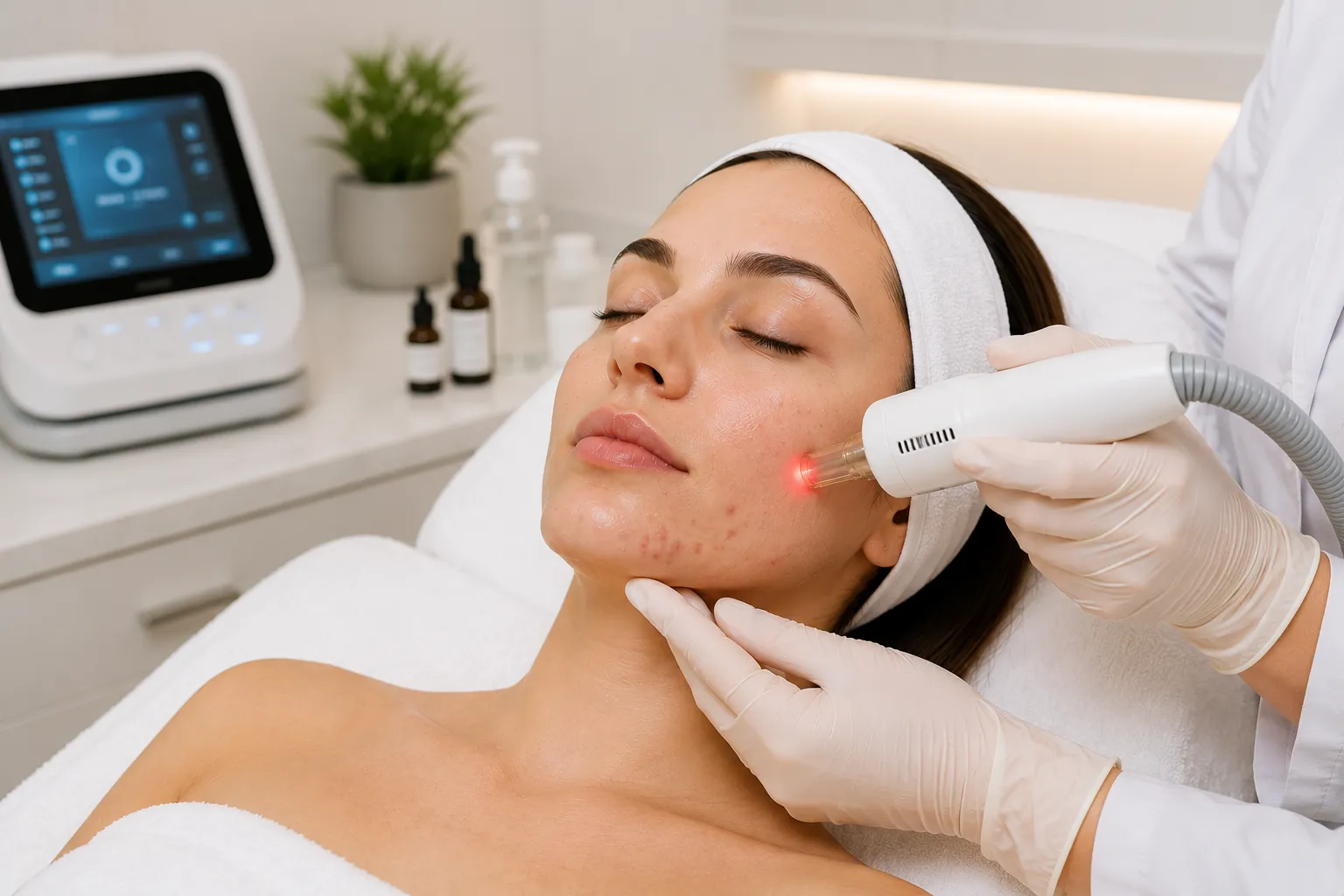
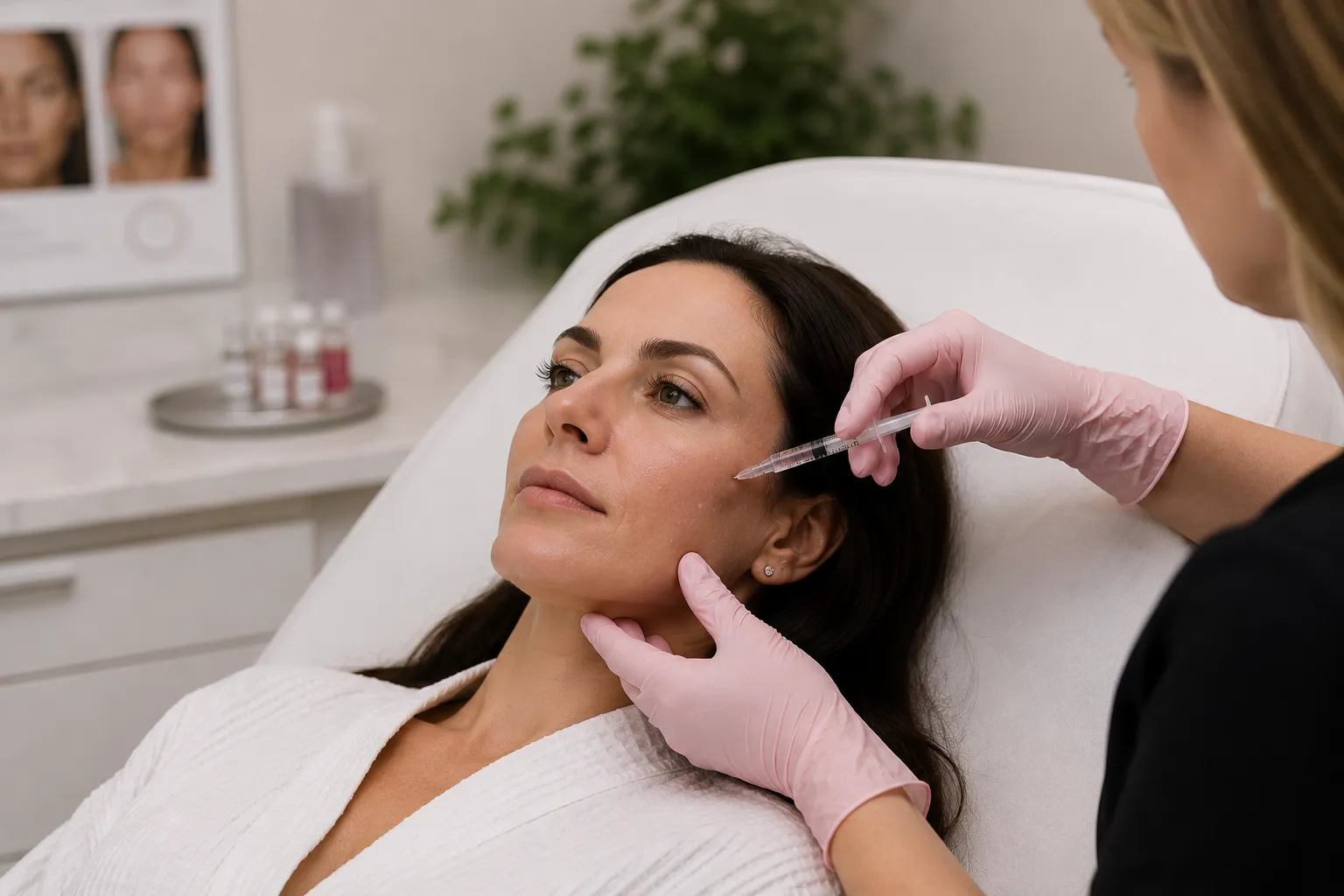
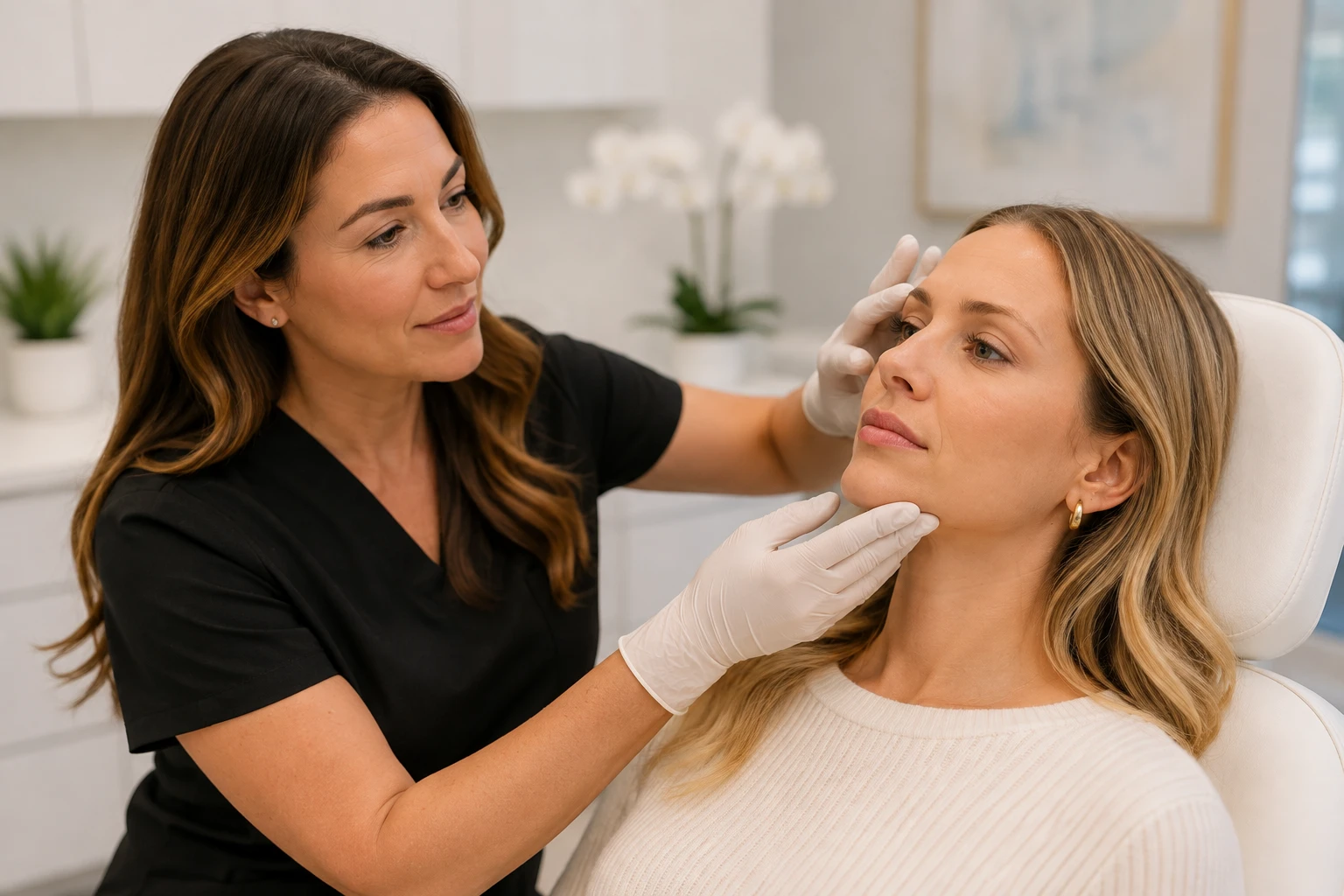




















How Medically Trained Providers in Philadelphia Approach Injectables Differently
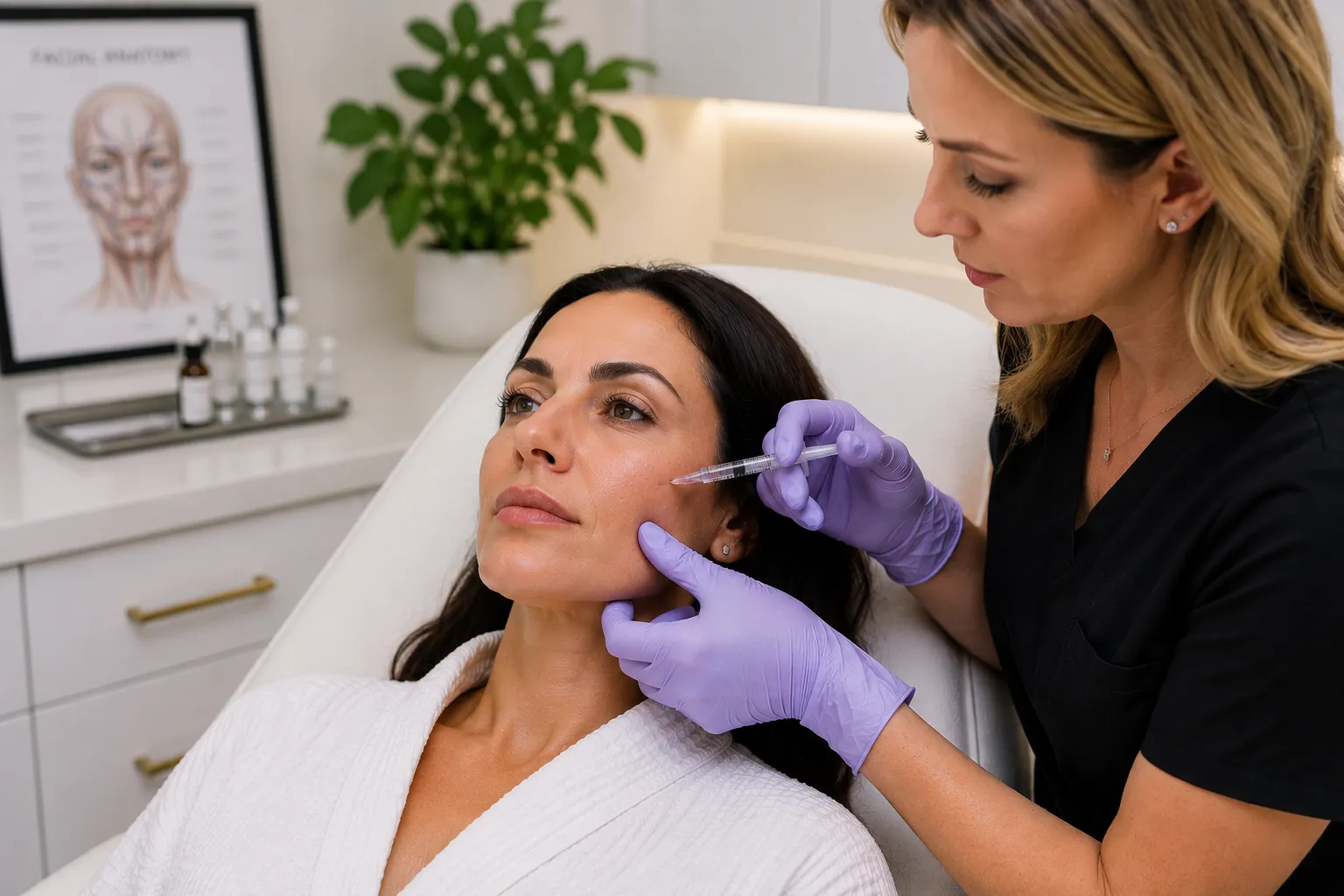


At About Face Aesthetics, the words medically trained describe a real standard of care, not a tagline. Every injectable treatment we perform is planned within a clinical framework that most aesthetic practices do not have. That difference matters far more than most patients realize when they start looking for a provider.
Medically trained providers approach injectables with clinical reasoning around anatomy, vascular structures, and tissue depth rather than product knowledge alone. This affects Botox precision, filler placement near vascular structures, and correct Sculptra tissue depth for collagen stimulation. Medical training also means providers are willing to decline treatments that aren’t appropriate for a patient’s anatomy.
Why Medical Training Changes the Way Injectables Are Performed
When patients sit in an injectable chair, they see the surface of what is happening. What they do not see is the clinical reasoning that runs underneath every decision. Medically trained providers think about anatomy, vascular structures, tissue depth, and patient variation in ways that go far beyond product knowledge or injection technique alone.
What Medically Trained Actually Means Here
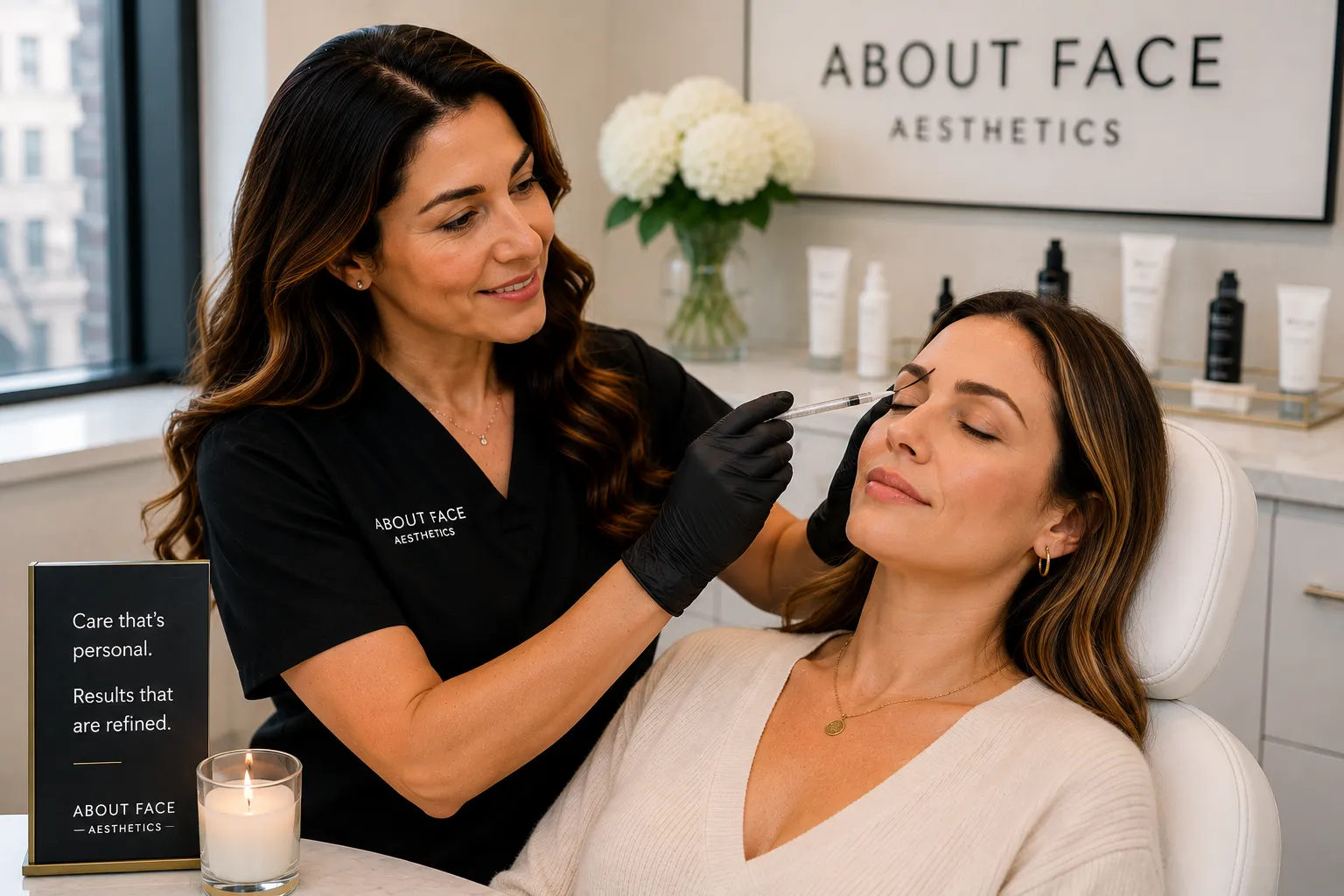
Our providers hold credentials as Licensed Medical Estheticians and Certified Medical Estheticians. Our founder, Naomi Fenlin, LME, CME, built this practice on the belief that aesthetic work requires the same clinical rigor as any medical discipline. That means understanding not only how to inject, but where, why, and when the answer is to do nothing.
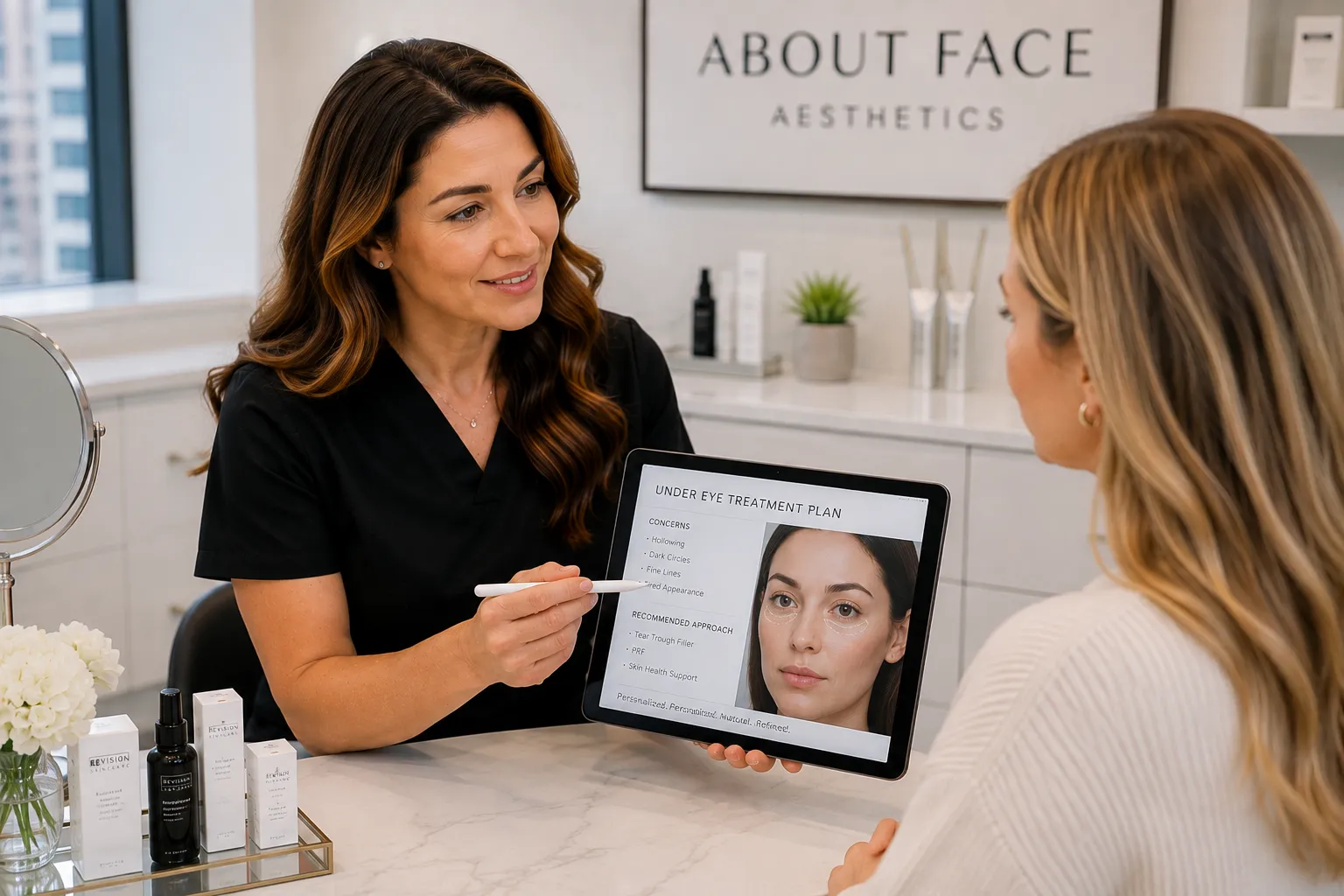
Before recommending Botox in Philadelphia or any filler treatment, our providers assess the full facial structure, map the relevant vascular landmarks, and develop a plan that accounts for how that specific face moves and ages. The goal is not to perform a treatment. It is to serve the person in front of us.
How Medical Training Shapes Botox and Dysport Outcomes
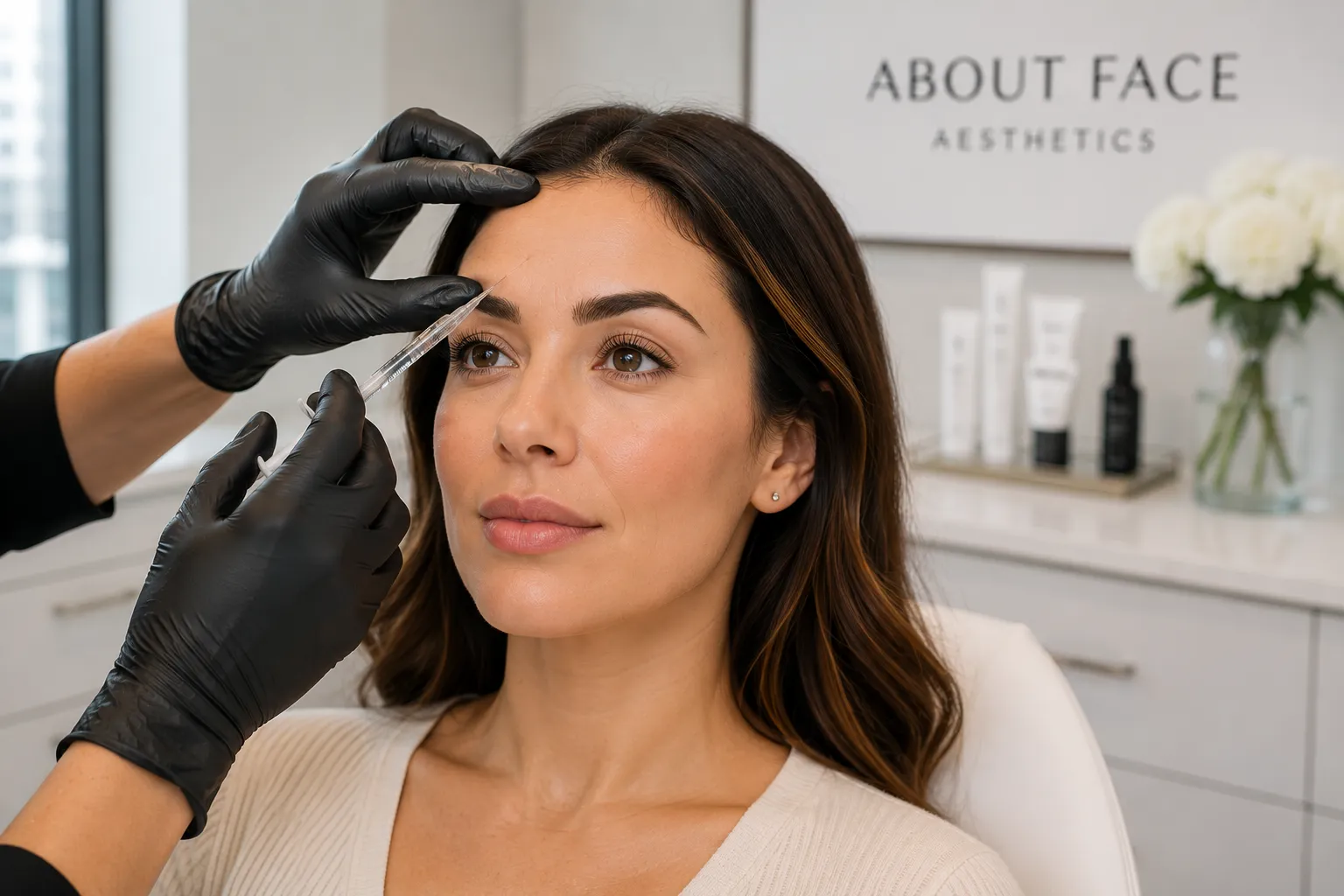
With neuromodulators like Botox in Philadelphia and Dysport in Philadelphia, the difference between a medically trained provider and an untrained one comes down to precision. A provider with real clinical grounding understands which muscles drive which expressions, how one injection point affects surrounding muscles, and how to account for individual anatomy rather than a standard pattern.
The outcome of that knowledge is movement that softens rather than disappears. Forehead lines ease without creating a flat brow. Crow’s feet reduce without leaving a frozen surface. The face still reads as the patient’s own face, just rested and refreshed. That result requires real anatomy level knowledge, not just product familiarity.
How It Changes Filler and Sculptra Treatment
Dermal fillers in Philadelphia carry a genuine risk when placed without clinical knowledge of facial vascular anatomy. Injecting filler near the wrong structures can cause serious complications. Medically trained providers understand where those structures are, which areas require extra caution, and what techniques reduce vascular risk. That knowledge protects every patient.
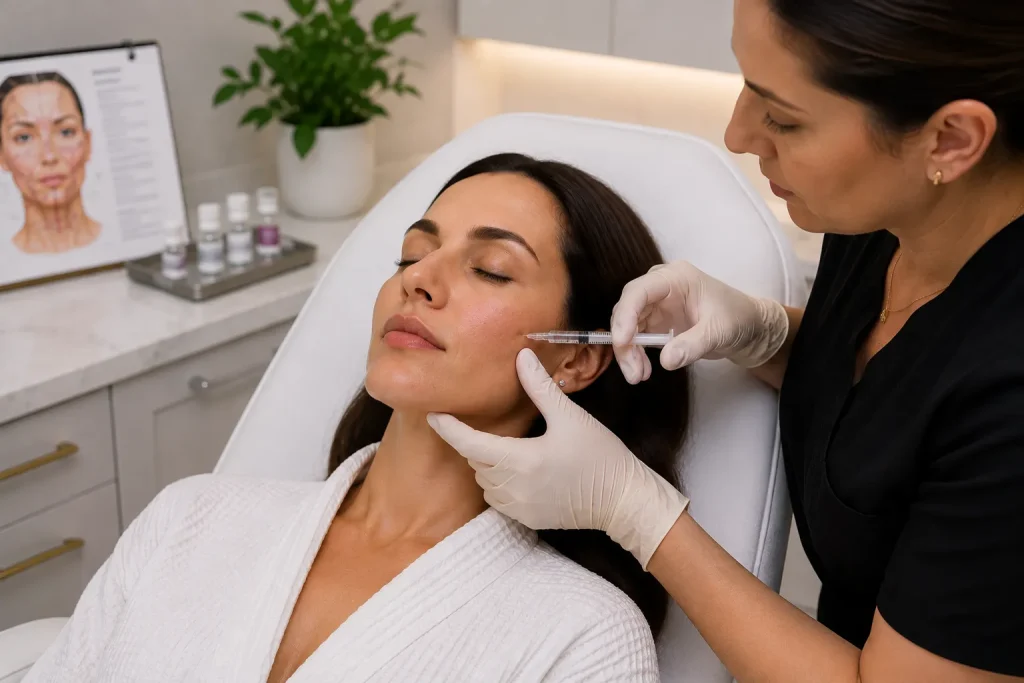
The same clinical depth applies to Sculptra in Philadelphia. Sculptra is a biostimulator that must be placed at the correct tissue depth to stimulate collagen production correctly. Incorrect placement produces uneven or problematic results. Getting it right requires a thorough understanding of tissue planes, not just product familiarity.
How Medical Training Affects Treatment Planning
One of the clearest differences is a willingness to say no. At About Face Aesthetics, we regularly turn away treatments we do not believe are right for a patient. We do not add filler because someone asks for it. We do not inject areas where risk outweighs benefit. We do not repeat a treatment that is not producing the right result.
This kind of restraint is built on medical knowledge. Patients come to us regularly after treatment elsewhere that left them with migration, asymmetry, or overcorrection. Addressing those problems, including through lip filler dissolving in Philadelphia when needed, requires the same clinical foundation that prevents them from happening in the first place.
What This Means for Long Term Skin Health
Providers with genuine medical training think past the single appointment. They understand that repeated overfilling changes tissue structure, that certain placements speed up rather than slow the effects of aging, and that doing less is often what serves the patient best across years rather than weeks.
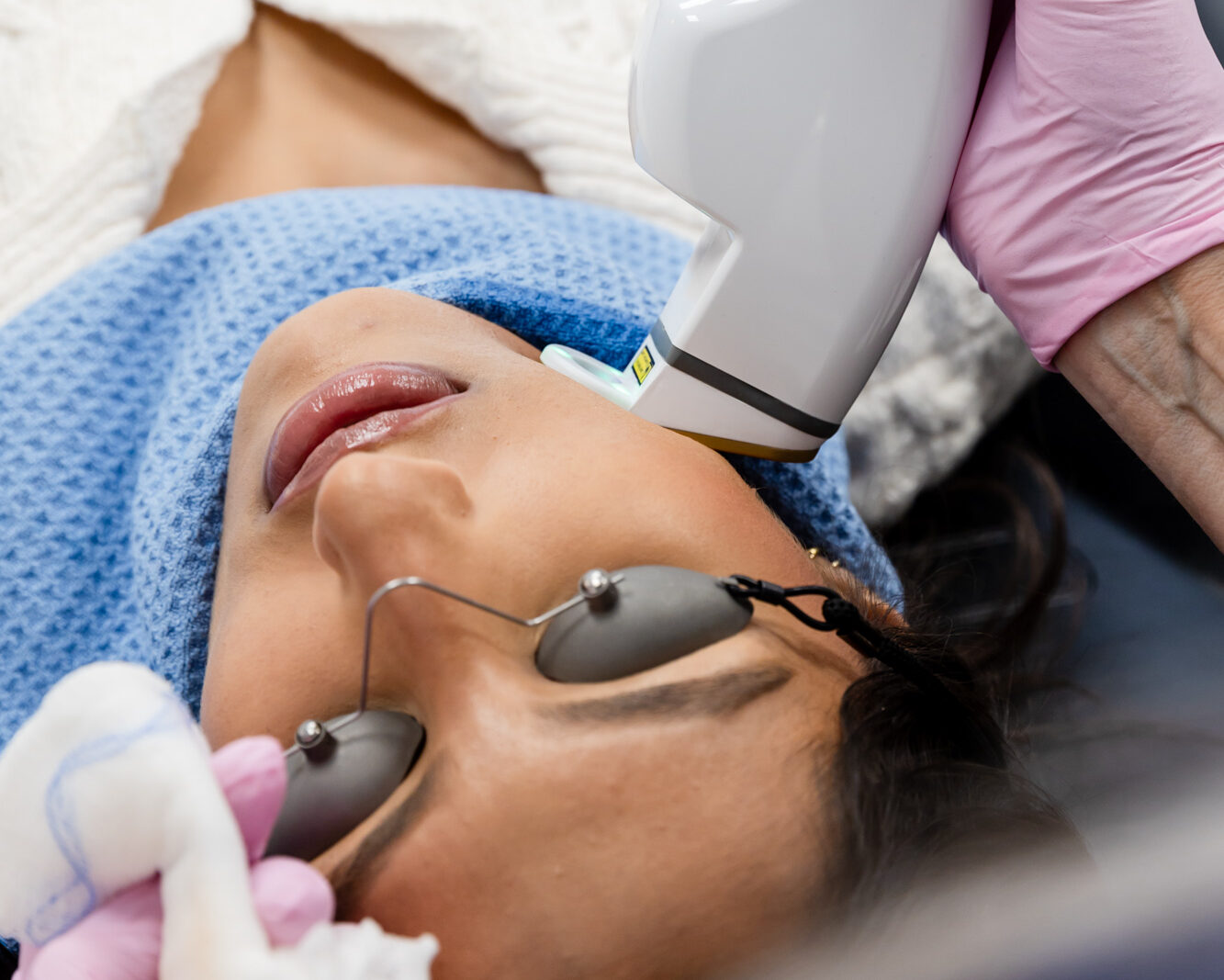
At About Face Aesthetics, we connect injectable care to a broader treatment picture that includes microneedling in Philadelphia, IPL in Philadelphia, and medical facials in Philadelphia. Skin health and injectable outcomes are not separate. Our medically grounded team builds plans that treat both together.
Conclusion
The gap between medically trained providers and untrained ones shows up in outcomes, safety, and how well results hold up over time. At About Face Aesthetics, fifteen plus years of clinically grounded injectable practice in Philadelphia is the foundation of everything we do. To start a consultation, contact us at (215) 923-5001 or visit us at 1015 Chestnut St, Suite 520, Center City Philadelphia.
FAQs
What credentials should I look for in an injectable provider?
Look for Licensed Medical Estheticians, Certified Medical Estheticians, or other licensed medical professionals with demonstrated clinical training in facial anatomy and injectable technique, not just a product certification course.
How do medically trained providers handle complications?
They are trained to recognize and respond to complications because they understand the underlying anatomy. At About Face Aesthetics, every provider is trained to manage adverse events and knows when to escalate care.
Why does medical training matter specifically for Botox?
Botox affects muscle function. A medically trained provider understands which muscles to treat, how they interact with neighboring muscles, and how much product produces the right outcome without overcorrecting.
Is About Face Aesthetics a medically grounded practice?
About Face Aesthetics is built on a clear clinical standard of care led by founder Naomi Fenlin, LME, CME. All providers are medically trained and approach every treatment with the same level of care and rigor.
The post How Medically Trained Providers in Philadelphia Approach Injectables Differently appeared first on About Face Aesthetics.
What's Your Reaction?
 Like
0
Like
0
 Dislike
0
Dislike
0
 Agree
0
Agree
0
 Disagree
0
Disagree
0
 Excellent
0
Excellent
0
 Useful
0
Useful
0
 Great
0
Great
0