















































Lymphatic System: The Missing Link to Clear, Youthful Skin


Your Lymphatic System: The Missing Link in Detox, Glow, and Aging Gracefully
Introduction: Why Your Skin Needs a “Drainage System”
When we talk about skin aging, most people think about collagen, sun damage, or wrinkles.
But there’s a hidden system working behind the scenes that determines how clear, calm, and resilient your skin looks:
👉 Your lymphatic system
This intricate network is responsible for:
- Removing waste and toxins
- Regulating inflammation
- Supporting immune defense
- Maintaining fluid balance
When it slows down (which it does with age), your skin doesn’t just “age”—it becomes:
- Puffy
- Dull
- Inflamed
- Slower to heal
This is one of the most overlooked pillars of skin longevity—and one of the most powerful to optimize.
What Is the Lymphatic System (and Why It Matters for Skin)?
It works by:
- Collecting waste, toxins, and excess fluid
- Transporting immune cells
- Filtering harmful substances through lymph nodes
- Returning clean fluid back into circulation
In the skin, this system exists as:
- Superficial lymphatic capillaries (just under the surface)
- Deeper collecting vessels that pump fluid away
Unlike blood circulation, the lymphatic system doesn’t have a central pump like the heart—it relies on:
- Muscle movement
- Tissue pressure
- Vessel contractions
Which means… it can slow down easily.
📌 When lymph flow is optimal → skin looks clear, sculpted, and radiant
📌 When lymph flow stagnates → skin looks congested, inflamed, and tired
The Role of Lymphatic Flow in Skin Health & Longevity
1. Detoxification: Clearing Cellular Waste
Every day, your skin produces:
- Metabolic byproducts
- Inflammatory molecules
- Environmental toxins
Your lymphatic system removes these.
When flow slows:
- Waste accumulates
- Oxidative stress increases
- Skin looks dull and congested
This contributes to:
- Acne persistence
- Uneven tone
- Loss of radiance
2. Inflammation Control: The Anti-Aging Superpower
Chronic low-grade inflammation (“inflammaging”) is one of the biggest drivers of skin aging.
The lymphatic system:
- Clears inflammatory cytokines
- Regulates immune responses
- Prevents prolonged tissue damage
When impaired:
- Redness lingers
- Pigmentation worsens
- Skin becomes reactive
3. Immune Surveillance: Your Skin’s Defense System
Your lymphatics transport:
- Immune cells
- Antigens
- Microbial signals
This allows your body to:
- Detect threats early
- Respond efficiently
- Maintain balance with your skin microbiome
4. Regeneration & Repair
Emerging research shows lymphatics interact with:
- Skin stem cells
- Hair follicle regeneration pathways
When lymphatic flow is strong:
- Healing is faster
- Skin renews efficiently
- Tissue quality improves
What Happens When Lymphatic Flow Slows Down?
Age-Related Decline (The Real Reason You Look Puffy)
As we age, the lymphatic system undergoes structural decline:
- Reduced vessel density
- Increased leakiness
- Decreased pumping ability
- Slower immune transport
This leads to:
Visible Skin Changes
- Puffiness (especially under eyes)
- Dull, congested skin
- Persistent redness
- Slower healing
- Pigmentation irregularities
Deeper Biological Effects
- Chronic inflammation
- Impaired detoxification
- Reduced regenerative capacity
Clinical Signs of Lymphatic Dysfunction in Skin
You may be dealing with lymphatic stagnation if you notice:
- Morning facial puffiness
- Fluid retention in the face or jawline
- Skin that looks “congested” or tired
- Slow recovery after treatments
- Persistent acne or inflammation
- Uneven skin tone or lingering redness
In more advanced cases:
- Chronic swelling
- Fibrotic (thickened) skin
- Recurrent infections
How We Assess Lymphatic Health (Advanced Perspective)
Clinically, lymphatic function can be evaluated using:
- Near-infrared imaging (ICG) to visualize flow
- Bioimpedance to measure fluid retention
- Tissue hydration metrics
- Molecular biomarkers (VEGFR-3, LYVE-1, Prox1)
These tools allow us to:
- Detect dysfunction early
- Track treatment response
- Personalize interventions
How to Improve Lymphatic Flow for Skin Longevity

1. Mechanical Stimulation (The Foundation)
- Facial lymphatic drainage massage
- Gua sha or sculpting tools
- Movement & exercise
These help physically move stagnant fluid
2. Clinical Treatments (SkinScience Approach)
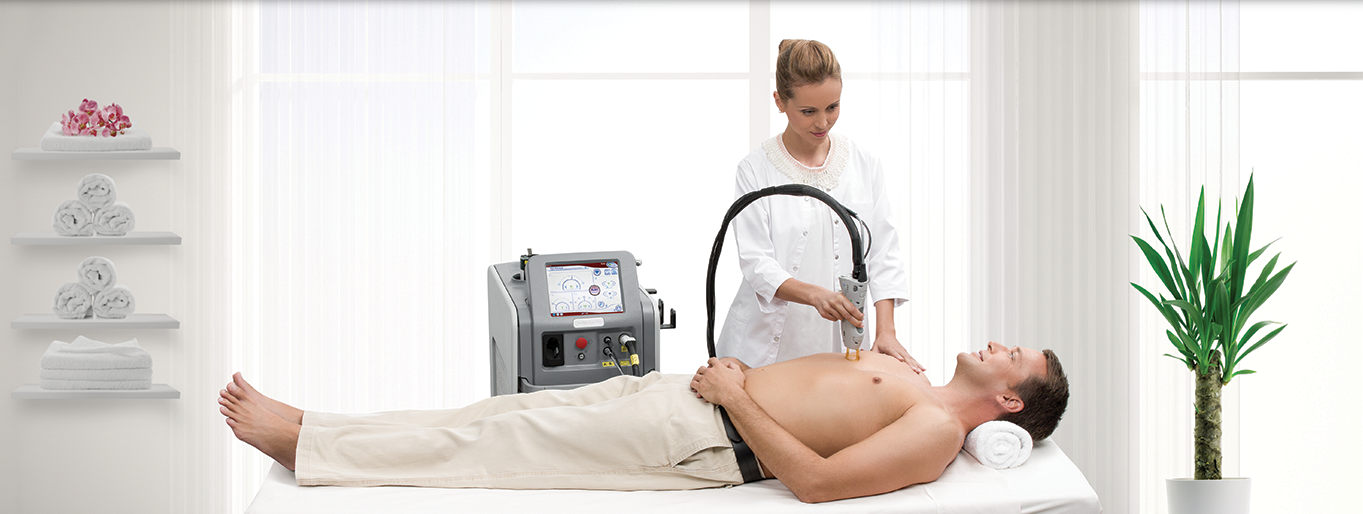
At SkinScience, lymphatic flow is enhanced through:
- Laser treatments (reducing inflammation load)
- Microneedling (stimulating repair pathways)
- LED therapy (supporting cellular function)
- Advanced facials with drainage techniques
These don’t just treat the surface—they reduce the burden on lymphatic clearance systems
3. Barrier & Microbiome Support
A healthy skin barrier reduces:
- Inflammatory load
- Immune burden
Key strategies:
- Ceramides
- Niacinamide
- Microbiome-friendly skincare
4. Antioxidant Protection
UV and pollution increase:
- Oxidative stress
- Waste load
Use:
- Vitamin C
- Vitamin E
- Broad-spectrum SPF
This reduces what your lymphatic system needs to clear.
5. Lifestyle (Often Overlooked)
- Movement (walking = lymph flow)
- Hydration
- Sleep
- Gut health (skin-gut-lymph axis)
FOR THE SKIN NERDS 🧬
Lymphatic vessels are not passive drains—they are active signaling hubs.
Key mechanisms include:
- VEGF-C / VEGFR-3 signaling → lymphangiogenesis
- Prox1 regulation → lymphatic endothelial identity
- Wnt signaling → interaction with hair follicle stem cells
- TGF-β pathways → suppression of lymphatic regeneration
Aging disrupts:
- Contractility of lymphatic muscle cells
- Ion channel function
- Endothelial junction integrity
This leads to:
- Reduced ejection fraction of lymphatic vessels
- Increased permeability
- Impaired antigen clearance
FOR PROFESSIONALS 👩⚕️
From a clinical and translational standpoint:
Key Pathophysiological Drivers:
- LEC dysfunction and reduced Prox1 expression
- Mast cell–mediated suppression of lymphatic pumping
- Chronic cytokine burden (IL-1β, TNFα, IL-6)
- Microbiome dysbiosis increasing inflammatory load
Assessment Tools:
- ICG lymphangiography
- Bioimpedance spectroscopy
- Tissue dielectric constant (TDC)
- Flow contractility analysis
Emerging Interventions:
- VEGF-C mediated lymphangiogenesis
- Engineered dermal grafts with lymphatic integration
- Ambulatory compression devices
- Microsurgical reconstruction (LVA, VLNT)
Clinical implication:
👉 Lymphatic optimization may become a central anti-aging strategy, not just a lymphedema treatment.
The Bottom Line: The “Drainage Theory” of Skin Aging
If collagen is structure…
And inflammation is damage…
👉 Then lymphatics are clearance
And without clearance:
- Nothing works optimally
- Healing slows
- Aging accelerates
At SkinScience in Calgary, we take a comprehensive approach to skin health by addressing not only visible concerns like wrinkles and pigmentation, but also underlying systems like lymphatic flow, inflammation, and barrier function. If you’re experiencing puffiness, congestion, or skin that just isn’t responding to treatments, a personalized consultation can help identify whether lymphatic stagnation is part of the issue.

About the Author
Marie Bertrand is the founder of SkinScience, a Calgary-based medical aesthetics clinic specializing in advanced skin treatments, laser technologies, and skin longevity strategies. With a background in microbiology and over 19 years in clinical practice, she is known for translating complex skin science into practical, results-driven protocols.
References
(Adapted from your white paper + cited literature)
- Jiang Y, Perez-Moreno M. Lymphatics in Skin Regeneration (2024)
- Aldrich MB et al. NIR Imaging in Lymphatic Function (2022)
- DiFrancisco-Donoghue J et al. Lymphatic Pump Techniques (2022)
- Cheon H et al. ICG Lymphangiography Optimization (2023)
- Herath UML et al. Oxidative Stress in Skin (2024)
- Additional references from source document
The post Lymphatic System: The Missing Link to Clear, Youthful Skin appeared first on SkinScience.
What's Your Reaction?
 Like
0
Like
0
 Dislike
0
Dislike
0
 Agree
0
Agree
0
 Disagree
0
Disagree
0
 Excellent
0
Excellent
0
 Useful
0
Useful
0
 Great
0
Great
0