
































































The Essential Skin Care Therapist Guide for 2025


The skin care industry is evolving at an unprecedented pace, with market forecasts predicting record growth for 2025. As the demand for skilled professionals rises, the role of a skin care therapist becomes more vital and rewarding. This comprehensive guide is designed to empower both new and experienced therapists with the essential knowledge, practical tools, and emerging trends needed to thrive. Inside, you will discover key competencies, innovative treatment techniques, technology integration, effective client communication, regulatory updates, and strategies for career advancement. Whether you are looking to enhance your expertise or future proof your practice, these expert insights will help you excel and deliver outstanding results for your clients.
Core Competencies for Modern Skin Care Therapists
Modern success as a skin care therapist hinges on mastering a dynamic set of core competencies. As client expectations rise and technology evolves, therapists must blend foundational expertise with adaptability. The following skills are crucial for excelling in the current landscape and meeting the highest standards of client care.
Foundational Knowledge and Certification
Every skin care therapist must start with a solid educational foundation. Accredited programs are essential, providing the theoretical and practical background needed to deliver safe, effective treatments. In the U.S., Canada, and EU, regulatory bodies require therapists to maintain up-to-date certifications, which often include continuing education.
A 2024 survey found that 85 percent of leading clinics now require advanced certification for all staff. This trend reflects the growing emphasis on expertise and client safety. Continuous learning not only builds client trust but also ensures therapists stay compliant with evolving industry standards.
Skin Analysis and Assessment Techniques
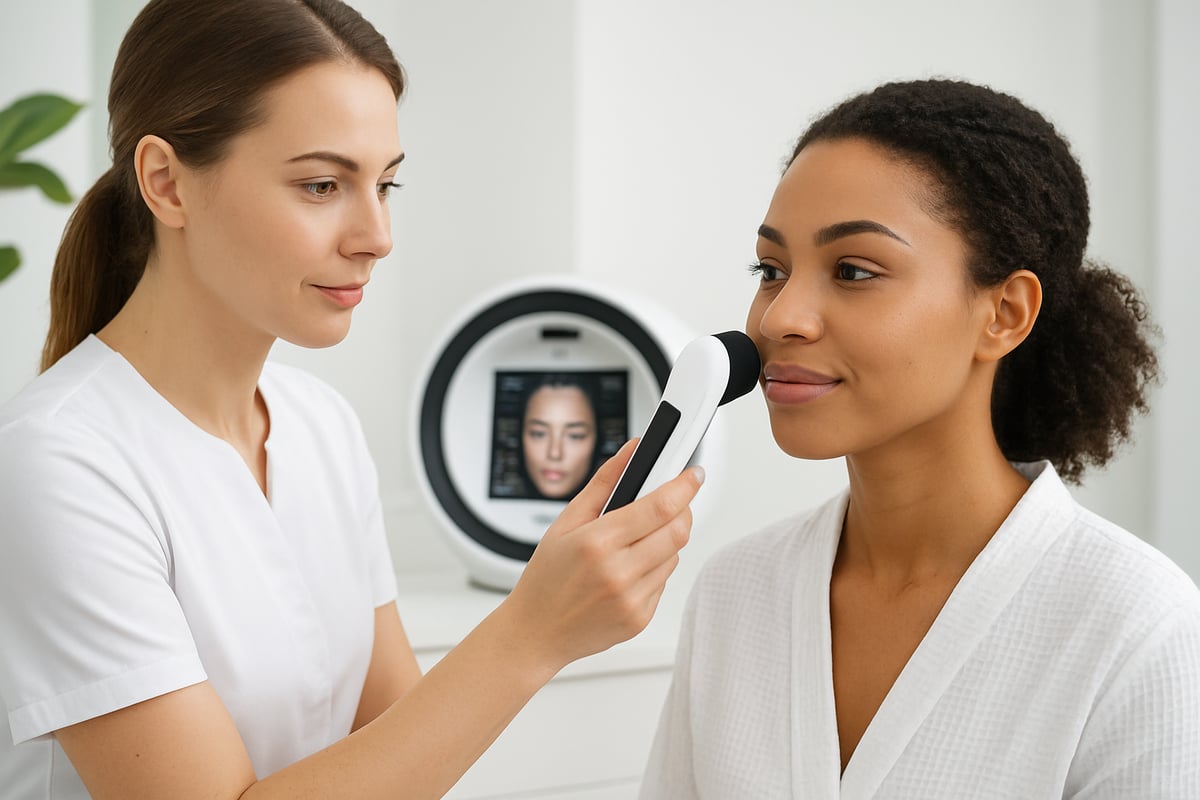
A skin care therapist excels by accurately assessing diverse skin types and conditions. Mastery in skin typing, condition evaluation, and the use of digital analysis tools is increasingly important. AI-powered diagnostics, such as the Visia digital skin analysis, have led to measurable improvements in treatment outcomes.
For example, clinics implementing AI skin analysis report higher precision in treatment planning. Addressing the unique needs of various ethnicities and skin types further highlights a therapist’s commitment to inclusive, personalized care.
Product Ingredients and Formulation Science
Understanding ingredients is vital for any skin care therapist. Therapists must evaluate ingredient efficacy, safety, and potential allergens. With rising demand for hypoallergenic and vegan products, therapists should be skilled at reading and interpreting product labels.
Clients increasingly seek transparency about what goes on their skin. By staying informed about the latest formulation science, therapists can confidently recommend products and avoid adverse reactions, reinforcing their role as trusted advisors.
Hygiene, Safety, and Infection Control
Post-pandemic, hygiene protocols have become even more critical for the skin care therapist. Updated sterilization practices for tools and surfaces are now standard in reputable clinics. Adhering to these protocols protects both clients and staff.
A case study revealed that clinics updating infection control measures saw a 30 percent reduction in infection rates. Educating clients about hygiene expectations also builds confidence and sets professional standards for every appointment.
Ethical Practice and Client Confidentiality
Every skin care therapist is responsible for ethical conduct and safeguarding client information. Building trust starts with honest recommendations and respecting privacy. Legal frameworks like HIPAA and GDPR set clear requirements for handling sensitive data.
Breaches of confidentiality can have serious consequences, including loss of reputation and legal action. Therapists must document client interactions securely and discuss privacy policies transparently to foster long-term trust.
Professional Communication and Consultation Skills
Active listening and empathy are the hallmarks of an effective skin care therapist. During consultations, setting realistic expectations and offering clear, supportive guidance fosters strong client relationships.
Digital platforms now enable therapists to follow up and provide ongoing support, enhancing the consultation process. This commitment to communication not only improves client satisfaction but also sets the stage for repeat business and referrals.
Advanced Treatment Techniques and Technology Trends
The landscape for every skin care therapist is shifting rapidly as new treatments and tools emerge. Staying current with these advancements is vital for delivering exceptional results and maintaining a competitive edge.
Cutting-Edge Therapies for 2025
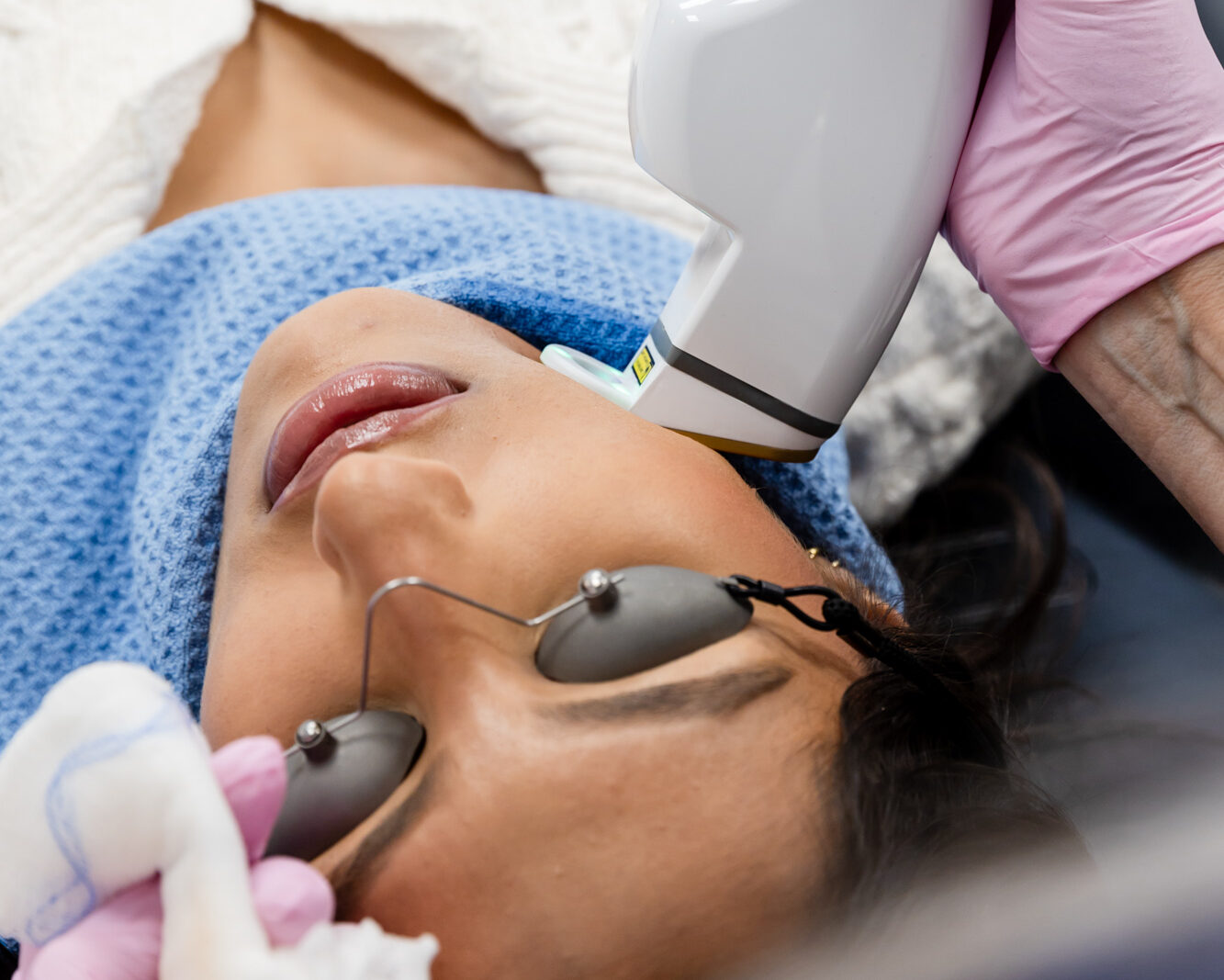
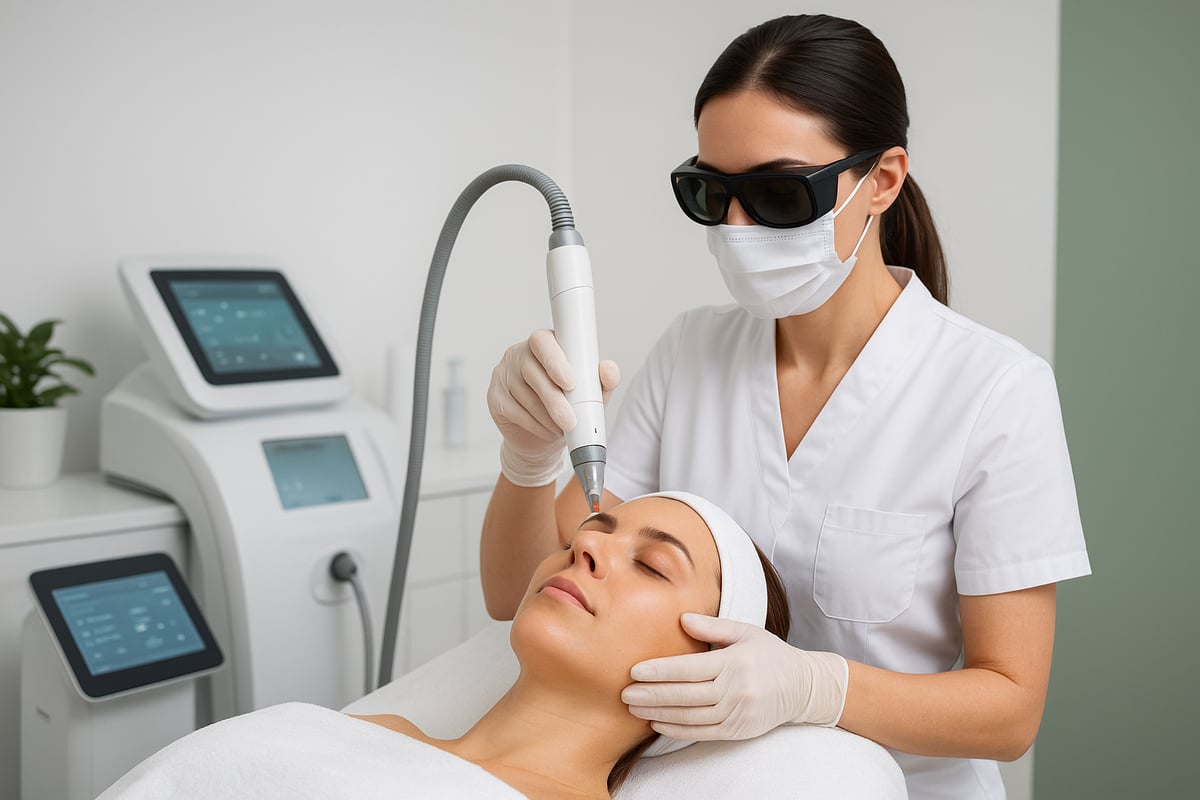
Emerging therapies are redefining what a skin care therapist can offer. Treatments such as laser resurfacing, microneedling, and LED therapy are in high demand due to their proven efficacy and safety.
According to 2025 market analysis, laser therapy has surged by 15 percent in popularity, driven by client demand for visible, long-lasting results. Devices now feature improved precision and reduced downtime, making them suitable for a wider range of clients.
To stay ahead, a skin care therapist should explore advanced skin care techniques that address specific concerns, such as pigmentation and aging. Adopting these therapies not only attracts new clients but also builds professional credibility.
Integration of AI and Digital Tools
Artificial intelligence is transforming how a skin care therapist designs and delivers treatments. AI-powered diagnostics offer precise skin analysis, enabling more customized care.
Virtual consultations and teledermatology expand access for clients, making expert advice available from anywhere. Clinics using AI tools report a 20 percent increase in client retention, as recommendations become more tailored.
For the modern skin care therapist, integrating digital platforms streamlines appointment scheduling, follow-up, and progress tracking. Embracing these tools positions therapists as leaders in a tech-driven industry.
Non-Invasive vs. Invasive Procedures
Choosing between non-invasive and invasive treatments is a core skill for any skin care therapist. Non-invasive options like chemical peels and microdermabrasion offer minimal risk and quick recovery, while invasive procedures may provide deeper results but involve greater downtime.
Client suitability must be carefully assessed. Data indicates non-invasive procedures are projected to grow by 12 percent in 2025, reflecting a trend toward safer, more convenient solutions.
A skin care therapist should discuss benefits and risks openly, helping clients make informed decisions aligned with their goals.
Sustainable and Eco-Friendly Practices
Sustainability is now a top priority for both clients and practitioners. Every skin care therapist can make a difference by selecting green products and adopting low-waste treatment protocols.
Clients increasingly seek out clinics that prioritize eco-friendly practices, from biodegradable disposables to responsibly sourced ingredients. Sustainable clinics report a notable rise in business from eco-conscious consumers.
By championing these values, a skin care therapist not only protects the environment but also strengthens client loyalty and trust.
Customization and Personalization in Services
Personalized care is at the heart of client satisfaction. A skilled skin care therapist tailors treatments based on individual skin type, genetics, and lifestyle factors.
Modern tools analyze genetic markers and daily habits to develop truly customized regimens. Personalized services have been shown to increase client satisfaction and foster long-term relationships.
Offering tailored solutions ensures each client feels valued, setting a skin care therapist apart in a crowded market.
Monitoring Results and Adjusting Plans
Continuous monitoring is essential for optimal outcomes. A skin care therapist uses apps and imaging tools to track progress and document changes over time.
Real-time feedback allows protocols to be adjusted quickly, ensuring treatments remain effective and safe. This proactive approach demonstrates commitment to client care and promotes trust.
By leveraging technology and consistent assessment, a skin care therapist can deliver measurable, lasting results for every client.
Client Relationship Management and Communication
Establishing meaningful client relationships is the foundation of a successful skin care therapist career. In 2025, exceptional communication and trust-building are essential for client retention and professional growth. By mastering these core areas, a skin care therapist can consistently deliver superior outcomes and foster loyalty in a competitive market.

Building Trust and Long-Term Relationships
Trust begins the moment a skin care therapist greets a client. A welcoming environment, transparent communication, and genuine empathy set the tone for a lasting partnership. Clients return to professionals they trust, making rapport-building a top priority.
Follow-up is equally important. Consistent check-ins, whether after a treatment or between appointments, demonstrate commitment to each client’s well-being. Research shows that 70 percent of repeat business is linked to strong therapist-client relationships. For a skin care therapist, investing in these connections leads to higher satisfaction and more referrals.
Consultation Best Practices
A structured consultation process helps the skin care therapist understand each client’s unique needs. Using detailed intake forms and digital records ensures nothing is overlooked. Asking open-ended questions uncovers hidden concerns and helps tailor individualized plans.
For step-by-step guidance, review these skin care consultation best practices to optimize your approach. Clinics that implement structured consultations report 30 percent fewer adverse events, highlighting the value of thorough assessment and documentation.
Educating Clients for Home Care Success
Education is a vital role for every skin care therapist. Teaching clients about effective at-home routines empowers them to maintain results between visits. Personalized product recommendations, based on scientific evidence, can enhance outcomes.
When a skin care therapist provides clear, actionable guidance, clients feel supported and motivated. Therapist-guided home care plans have been shown to significantly improve skin health and client satisfaction.
Leveraging Social Media and Online Reviews
A modern skin care therapist uses digital platforms to engage and educate clients. Sharing expert tips, before-and-after photos, and treatment updates builds an online presence and attracts new clients.
Encourage satisfied clients to leave positive reviews. Strong online testimonials enhance credibility and can influence potential clients’ decisions. Social media also offers a channel for ongoing communication, reinforcing trust and loyalty.
Navigating Regulatory Changes and Industry Standards
Staying ahead in the evolving world of skin care therapy requires a thorough understanding of new laws, standards, and best practices. Every skin care therapist must be proactive in adapting to regulatory updates, ensuring both compliance and client safety. Let’s break down the most crucial areas to watch in 2025.
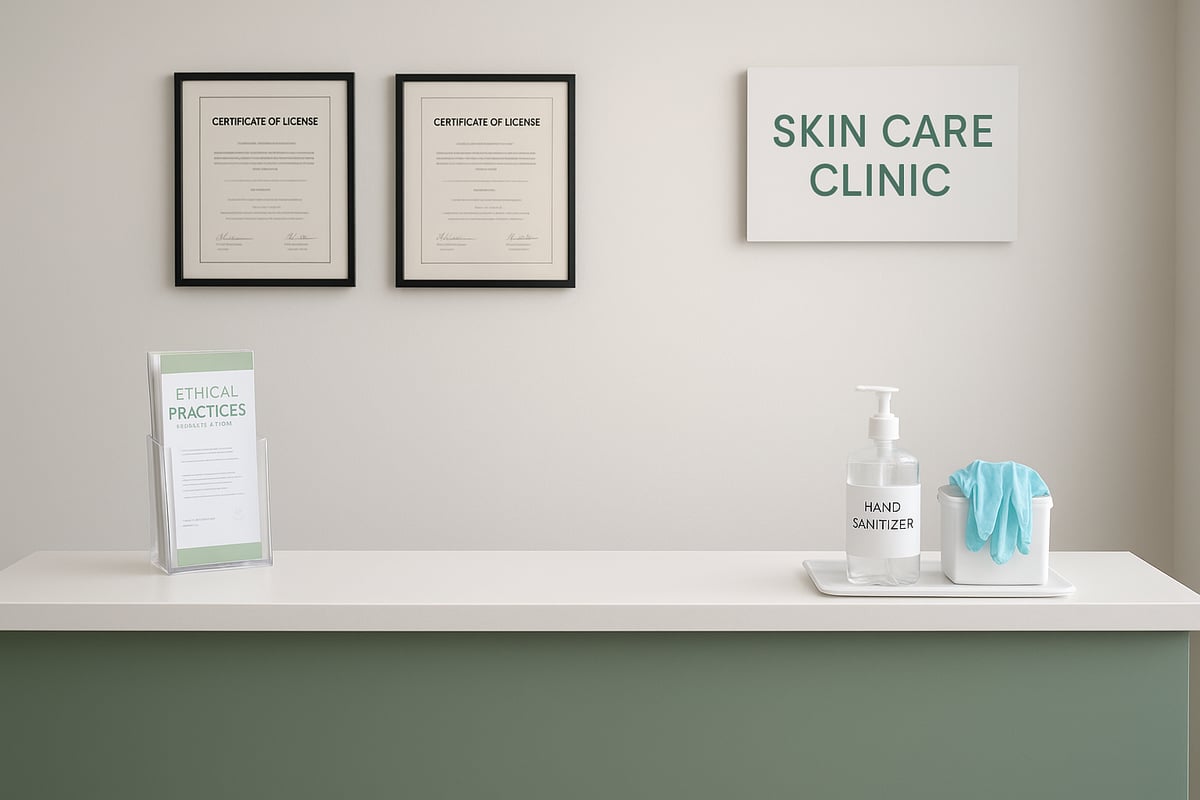
Understanding Regional Licensing and Certification Updates
Regulatory requirements for a skin care therapist are shifting in 2025, with many regions introducing stricter licensing and ongoing education mandates. For instance, Canada has rolled out new continuing education requirements, while the EU is reviewing cross-border certification equivalency.
In the United States, state boards are expected to increase audits, so keeping digital and physical copies of all credentials is crucial. A table comparing select regions’ 2025 updates is provided below:
| Region | Key 2025 Update | Renewal Frequency |
|---|---|---|
| US (CA, NY) | More CE hours, digital tracking | 2 years |
| Canada | Mandatory annual continuing ed | 1 year |
| EU (France) | New cross-border recognition pilot | 3 years |
Staying compliant as a skin care therapist means reviewing local laws each year and participating in accredited training to avoid costly penalties.
Health and Safety Protocols Post-Pandemic
Heightened health and safety standards remain a top priority for every skin care therapist post-pandemic. Enhanced sanitation, proper PPE usage, and strict sterilization protocols are now industry norms. According to recent data, 90% of clients prefer clinics with visible, up-to-date safety measures.
Implementing rigorous protocols not only boosts client confidence but also supports business continuity. For detailed guidance on maintaining hygiene and reducing infection risk, review best practices such as deep pore cleansing procedures, which highlight effective sterilization and safe treatment environments.
Regular staff training and visible signage about hygiene expectations further reinforce the trust clients place in their skin care therapist.
Insurance and Liability Considerations
A responsible skin care therapist must secure the right insurance coverage to protect both clients and their practice. The most common policies include:
- Professional liability (malpractice) insurance
- General business liability
- Product liability coverage
Consent forms and clear, documented informed disclosure procedures are essential. Reviewing case studies of liability claims reveals that clinics with robust documentation and regular policy reviews experience fewer disputes.
A skin care therapist who prioritizes insurance and risk management can confidently deliver services, knowing clients and their own reputation are protected.
Ethical Marketing and Advertising Standards
Regulatory bodies are closely monitoring the claims made by every skin care therapist in promotional materials. Truth-in-advertising laws require all marketing to be accurate, evidence-based, and free from misleading statements.
Recent regulatory actions have targeted false advertising in skin care, underscoring the importance of transparent communication. For example, avoid exaggerating treatment outcomes or omitting potential risks.
Ethical advertising not only ensures compliance but also builds long-term trust between the skin care therapist and their clients.
Professional Associations and Resources
Membership in professional associations provides vital support for the modern skin care therapist. These organizations offer access to legal updates, educational resources, and networking opportunities.
Associations also advocate for industry standards and can guide members through regulatory changes, helping each skin care therapist stay informed and prepared for the future.
Upskilling and Specialization Opportunities
Continuous education is the backbone of a successful skin care therapist’s career. In 2025, demand for advanced skills in areas such as pigmentation correction, anti-aging, and holistic wellness is surging. Taking specialized courses or earning new certifications not only increases your employability but also attracts a broader client base.
For example, specialists in pigmentation are seeing 25% higher demand. Staying updated with 2025 Wellness Treatment Trends helps you identify which techniques and therapies are gaining traction. Proactive upskilling builds credibility and keeps you competitive as a skin care therapist.
Networking and Collaboration in the Industry
Building a professional network is essential for growth. Connecting with mentors, joining professional associations, and attending industry conferences open doors to new opportunities. Peer support can help you navigate challenges and celebrate successes.
Therapists who actively network often report faster career progression and access to exclusive learning resources. Sharing insights and collaborating on case studies can also spark innovation. Remember, a connected skin care therapist is better equipped to adapt to industry changes and client needs.
Embracing Digital Transformation
Embracing technology is no longer optional. Practice management software streamlines appointments, records, and billing, freeing up time for client care. Offering virtual consultations and e-commerce expands your reach beyond local clients.
Digital adoption is linked to 35% revenue growth for clinics, showing that technology boosts both efficiency and profitability. As a skin care therapist, integrating digital tools helps you deliver seamless experiences and track client progress. Stay informed about digital trends to remain at the forefront of the industry.
Setting Up or Expanding Your Practice
Whether you are starting out or looking to grow, choosing the right business model is key. Evaluate the benefits of solo practice, partnerships, or joining established clinics. Understand legal and financial requirements, from licensing to insurance.
Many startups find that online booking systems and digital marketing accelerate growth. For a skin care therapist, a well-structured practice ensures stability and attracts more clients. Careful planning and adaptability lay the foundation for long-term success.
Work-Life Balance and Mental Health
Maintaining a healthy work-life balance is crucial for sustained success. The demands of being a skin care therapist can lead to burnout if self-care is neglected. Set boundaries, schedule regular breaks, and seek professional support when needed.
Access to mental health resources and peer groups can make a significant difference. Prioritizing your own wellness ensures you can provide the best care for your clients and enjoy a rewarding, sustainable career.
As you look ahead to excelling as a skin care therapist in 2025, it is clear that success is built on both expertise and a truly personalized approach. At SkinScience, we understand how vital it is to integrate the latest science, technology, and ethical care into every client experience. Whether you are refining your skills or seeking guidance tailored to your unique needs, we are here to support your journey. If you are ready to see measurable results and discover what a customized, science-based plan can do for your skin health, I invite you to Book Your Personalized Skin Consultation Powered by Science, Proven by Results.The post The Essential Skin Care Therapist Guide for 2025 appeared first on SkinScience.
What's Your Reaction?
 Like
0
Like
0
 Dislike
0
Dislike
0
 Agree
0
Agree
0
 Disagree
0
Disagree
0
 Excellent
0
Excellent
0
 Useful
0
Useful
0
 Great
0
Great
0