



















































Skin Longevity: 5 Scientific Truths That Change Everything


Introduction: Why “Anti-Aging” Is an Outdated Concept
For decades, skincare has been built on a flawed premise: treating aging as a surface-level problem. Creams, peels, and injectables have been positioned as solutions – but they often address symptoms, not systems.
Modern longevity science tells a very different story.
Your skin is not just a barrier – it is a biological ecosystem, a communication network, and a living record of cellular health. Aging is not simply the passage of time; it is the breakdown of systems: barrier function, inflammation control, mitochondrial energy, cellular signaling, and epigenetic regulation.
At SkinScience in Calgary, this is exactly where our 12 Pillars of Skin Longevity framework begins.
To understand how to truly slow (and even reverse) visible aging, we need to move beyond cosmetic thinking and into cellular strategy.
Here are five scientific truths redefining skin health.
1. Your Skin Barrier Is Not Static – It’s a Living, Intelligent System
The traditional “brick-and-mortar” model of the skin barrier describes corneocytes (bricks) held together by lipids (mortar). For optimal function, this lipid matrix must maintain a precise ratio:
- 50% ceramides
- 25% cholesterol
- 10–20% free fatty acids
When this balance is disrupted, transepidermal water loss (TEWL) increases, leading to dryness, sensitivity, and inflammation.
But here’s what most people (and even many professionals) don’t realize:
👉 The barrier is not just produced by your skin—it is co-created by your microbiome.
Certain bacteria, such as Staphylococcus epidermidis, actively stimulate ceramide production through enzymatic activity. Your skin barrier is therefore not passive – it is biologically responsive and microbially supported.
Clinical Insight
Over-cleansing, high-pH products, and aggressive treatments can disrupt this ecosystem, impairing the very system responsible for protecting your skin.
Skin Longevity Takeaway
Barrier strength is not just about hydration—it is about microbial balance + lipid synthesis + inflammation control.
2. “Inflammaging” Is the Hidden Driver of Skin Aging
Aging is not just wear and tear: it is chronic inflammation at the cellular level.
This process, known as inflammaging, occurs when damaged or stressed cells enter a state called cellular senescence. Instead of dying off, these cells release inflammatory signals (cytokines like IL-6, TNF-α), which:
- Damage surrounding healthy cells
- Break down collagen and elastin
- Accelerate tissue degeneration
Even more concerning, this becomes a self-perpetuating cycle.
As collagen degrades, fragments called matrikines are released – further triggering inflammation and continuing the aging loop.
Clinical Insight
This is why some patients “age faster” despite good skincare: it’s not about products, it’s about unresolved inflammation pathways.
Skin Longevity Takeaway
You cannot treat aging effectively without addressing chronic inflammation at the molecular level.
3. The Botox Paradox: Immediate Results vs Long-Term Biology
Neuromodulators (like Botox) remain one of the most popular aesthetic treatments – and for good reason: they deliver fast, visible results.
However, emerging research suggests a more nuanced reality.
Repeated neuromodulation has been associated with:
- Activation of caspase pathways (linked to apoptosis)
- Increased expression of senescence-related genes
- Potential disruption of proteostasis (protein repair systems)
This introduces what we call the Botox Paradox:
👉 You may be improving appearance short-term while subtly impacting long-term cellular resilience.
Clinical Insight
This does not mean Botox is harmful, but it should be integrated into a broader longevity strategy, not used in isolation.
Skin Longevity Takeaway
Every aesthetic intervention should be paired with cellular support (topicals, nutrition, regenerative treatments) to preserve long-term skin health.
4. The Lymphatic System Is the Missing Link in Skin Health
Most people associate the lymphatic system with detox – but its role is far more sophisticated.
Recent research shows that lymphatic vessels:
- Regulate stem cell environments
- Influence hair growth cycles
- Control tissue repair and regeneration
As lymphatic flow declines with age:
- Waste accumulates
- Inflammation increases
- Stem cell function becomes impaired
This directly contributes to:
- Puffiness
- Dullness
- Slower healing
- Accelerated aging
Clinical Insight
Manual lymphatic drainage, energy-based treatments, and lifestyle interventions (movement, hydration) can restore flow and cellular signaling.
Skin Longevity Takeaway
Lymphatic health is not optional: it is a core pillar of regenerative skin function.
5. Your Epigenetic Clock Determines How Fast You Age
Chronological age is fixed.
Biological age is not.
Your skin is governed by epigenetics ie. the system that controls which genes are turned “on” or “off.”
This is influenced by:
- Nutrition
- Stress
- Sleep
- Environmental exposure
- Skincare + treatments
Key nutrients that support epigenetic health include:
- Folate → DNA methylation + repair
- Choline → cellular communication
- Vitamin C → collagen synthesis + barrier support
These compounds act as “epi-nutrients”, helping regulate gene expression and maintain youthful cellular behavior.
Clinical Insight
This is why two patients of the same age can have dramatically different skin.
Skin Longevity Takeaway
Your daily choices are literally rewriting your biological age.
Conclusion: From Anti-Aging to Skin Resilience
The future of skincare is not about reversing wrinkles, it’s about engineering resilience.
Healthy, youthful skin depends on:
- A balanced barrier ecosystem
- Controlled inflammation
- Efficient lymphatic flow
- Strong cellular communication
- Stable epigenetic signaling
This is the foundation of the 12 Pillars of Skin Longevity, a system designed to move beyond trends and into true biological optimization.
At SkinScience, we don’t ask:
👉 “How do we make skin look younger?”
We ask:
👉 “How do we make skin function younger?”
Because when function improves, true skin health follows. Book your skin consultation today ~ 403-287-1477
About The Author
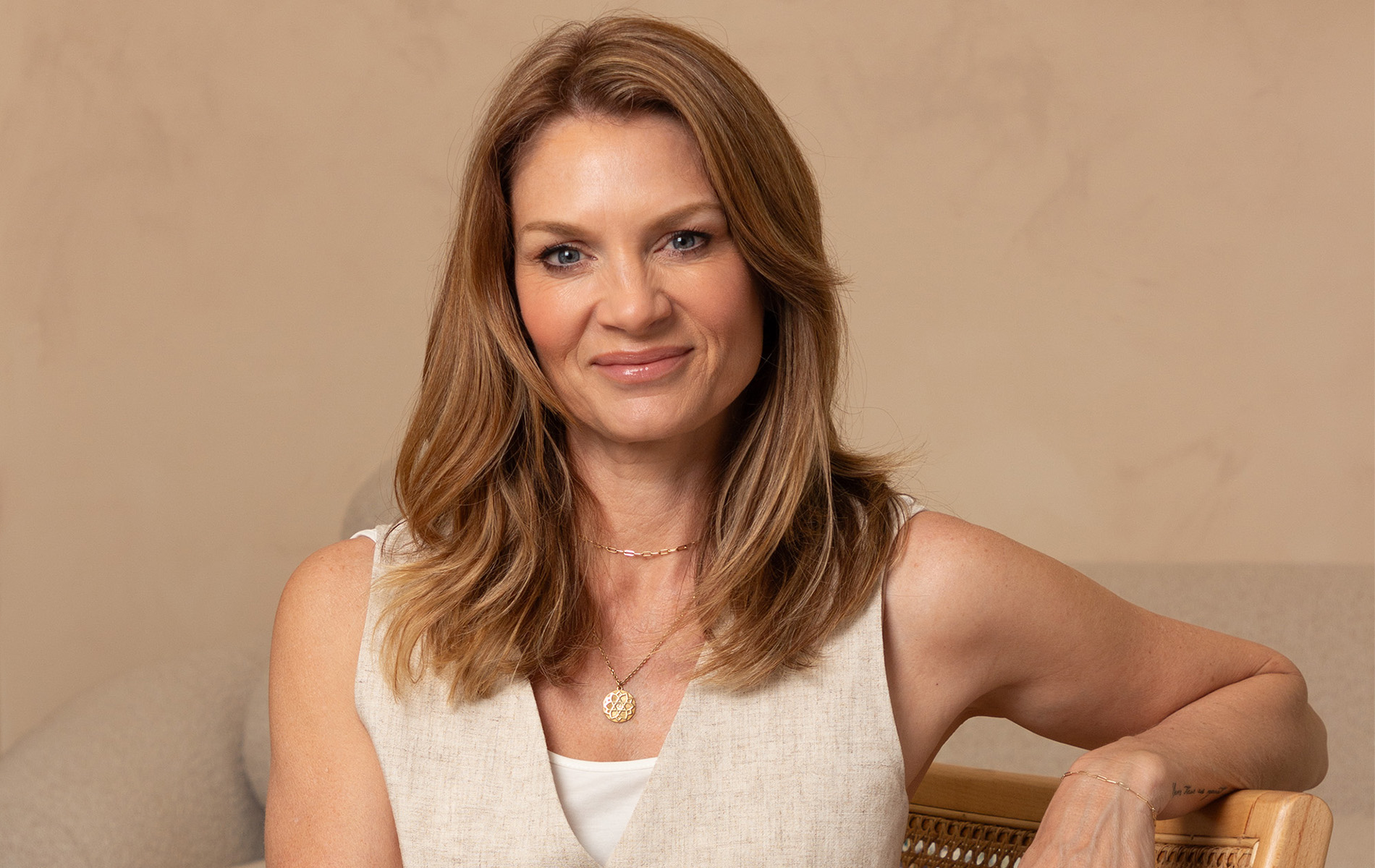
Marie Bertrand is a skin longevity pioneer, microbiologist, and the founder of SkinScience, a leading medical aesthetics clinic in Calgary. With over 19 years of experience in advanced skin treatments, she specializes in evidence-based approaches to acne, pigmentation, and aging skin.
As the creator of the 12 Pillars of Skin Longevity™, Marie is known for translating complex scientific research into practical, results-driven skin strategies that combine skincare, devices, lifestyle, and nutritional interventions. She is also the founder of Aliquote Skin, a professional skincare line designed to support long-term skin health at the cellular level.
Through her work, Marie helps patients and professionals move beyond traditional “anti-aging” and into true skin resilience and longevity.

Marie Bertrand, founder of SkinScience in Calgary, is a skin longevity expert and microbiologist specializing in advanced skin treatments, inflammation control, and cellular aging.
Frequently Asked Questions About Skin Longevity
What is skin longevity?
Skin longevity refers to the ability of the skin to maintain function, structure, and resilience over time—not just appearance.
Unlike traditional anti-aging, skin longevity focuses on cellular health, including barrier strength, inflammation control, collagen production, and DNA repair. This approach addresses the root causes of aging, rather than just visible symptoms like wrinkles or pigmentation.
What causes skin aging at a cellular level?
Skin aging is driven by several biological processes, including:
- Chronic inflammation (inflammaging)
- Collagen and elastin breakdown
- Oxidative stress and free radical damage
- Mitochondrial dysfunction (reduced cellular energy)
- DNA damage and epigenetic changes
- Impaired skin barrier function
These processes interact, accelerating visible signs of aging such as fine lines, sagging, dullness, and uneven skin tone.
What is inflammaging and how does it affect the skin?
Inflammaging is a state of chronic, low-grade inflammation that accelerates aging.
In the skin, it occurs when damaged or stressed cells release inflammatory signals that:
- Break down collagen and elastin
- Trigger pigmentation issues
- Increase sensitivity and redness
- Accelerate cellular aging
Over time, inflammaging creates a self-perpetuating cycle, making it one of the most important targets in any skin longevity strategy.
How can I improve my skin barrier?
To repair and strengthen your skin barrier, focus on:
- Using products with ceramides, cholesterol, and fatty acids
- Avoiding over-exfoliation and harsh cleansers
- Maintaining a balanced skin microbiome
- Incorporating hydrating ingredients like hyaluronic acid
- Protecting skin daily with broad-spectrum SPF
A healthy skin barrier reduces sensitivity, improves hydration, and slows visible aging.
What treatments support skin longevity?
Effective skin longevity treatments go beyond surface-level results and support deeper biological processes. These include:
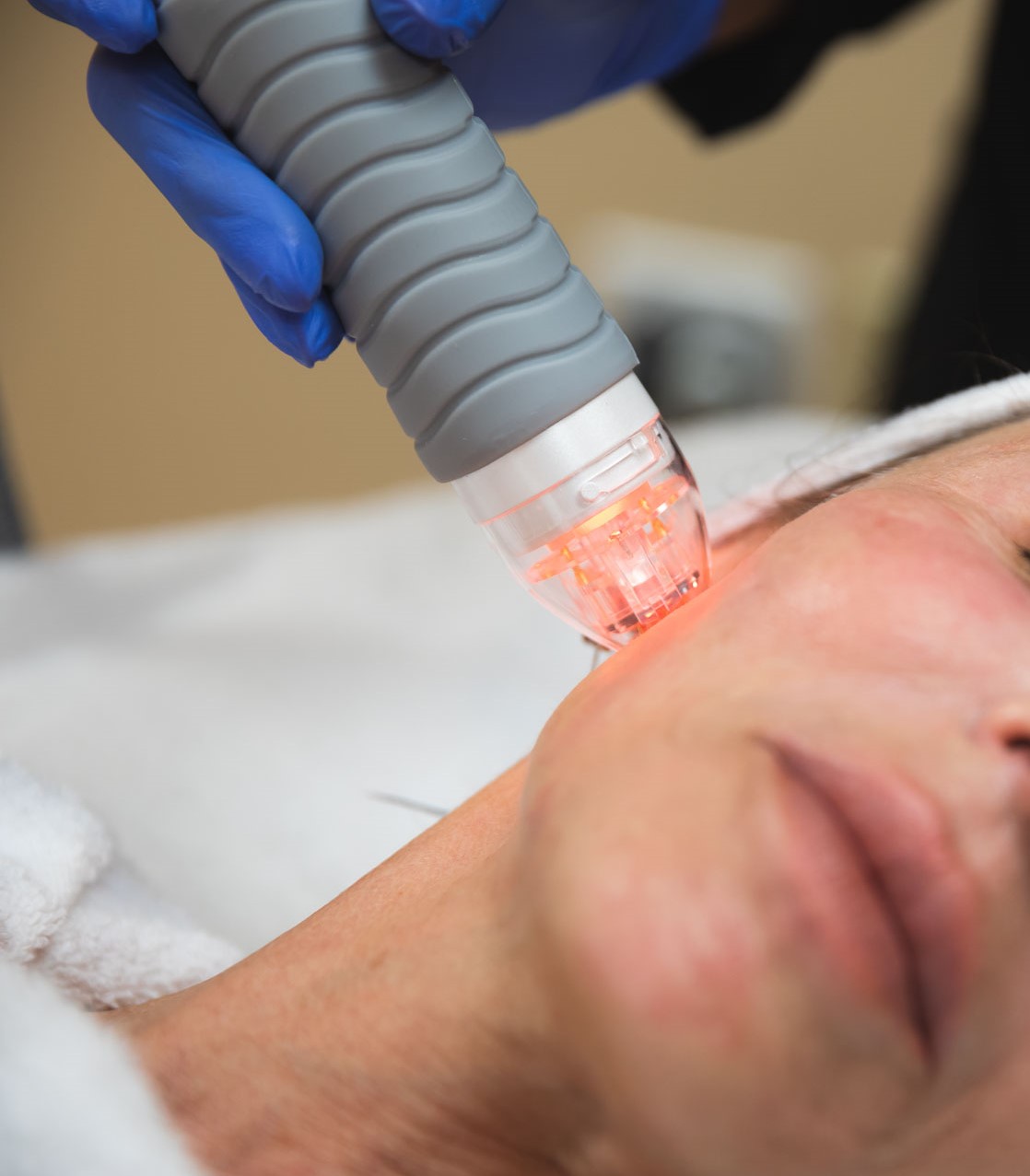
- Laser treatments (e.g., collagen stimulation and vascular correction)
- Microneedling and RF microneedling (collagen + remodeling)
- Chemical peels (cell turnover + pigmentation)
- IPL / photofacials (sun damage + redness)
- LED therapy (cellular energy + healing)
At SkinScience, treatments are customized based on your skin’s biology, not just symptoms.
Can you reverse skin aging naturally?
While you cannot stop time, you can significantly slow and partially reverse biological aging by targeting key pathways:
- Reducing inflammation
- Supporting collagen production
- Optimizing nutrition and sleep
- Using medical-grade skincare
- Protecting against UV damage
The goal is not just to look younger, but to restore younger skin function.
What role does nutrition play in skin longevity?
Nutrition plays a critical role in skin health by supporting:
- Collagen synthesis (vitamin C, amino acids)
- DNA repair and methylation (folate, B vitamins, choline)
- Antioxidant protection (polyphenols, carotenoids)
- Barrier function (essential fatty acids)
These nutrients act as “epi-nutrients”, influencing how your genes express aging or longevity.
How does the lymphatic system affect the skin?
The lymphatic system helps remove waste, toxins, and excess fluid from tissues.
When lymphatic flow is impaired, it can lead to:
- Puffiness and fluid retention
- Dull, congested skin
- Slower healing
- Increased inflammation
Supporting lymphatic circulation through treatments and lifestyle improves skin clarity, tone, and regeneration.
Why is my skin aging faster than expected?
Accelerated skin aging can be caused by:
- Chronic stress
- Poor sleep
- UV exposure
- Inflammation
- Hormonal changes
- Incorrect skincare routines
Even with good products, underlying biological imbalances can prevent optimal results. A personalized assessment is often needed to identify the root cause.
What is the best skincare routine for aging skin?
The most effective routine includes:
Morning:
- Gentle cleanser
- Antioxidant serum (e.g., vitamin C)
- Moisturizer
- Broad-spectrum SPF
Evening:
- Cleanser
- Targeted treatment (retinoids, peptides, pigment correctors)
- Barrier-repair moisturizer
The key is consistency and personalization based on your skin’s needs.
Where can I get a professional skin longevity consultation in Calgary?
For a comprehensive, science-based approach, you can book a consultation at SkinScience.
Your skin will be assessed using advanced diagnostics, and a customized plan will be created combining:
- Skincare
- Treatments
- Lifestyle and nutrition
- Long-term skin health strategies
The post Skin Longevity: 5 Scientific Truths That Change Everything appeared first on SkinScience.
What's Your Reaction?
 Like
0
Like
0
 Dislike
0
Dislike
0
 Agree
0
Agree
0
 Disagree
0
Disagree
0
 Excellent
0
Excellent
0
 Useful
0
Useful
0
 Great
0
Great
0