































































The Key Behind Lymphatic Drainage Is Technique
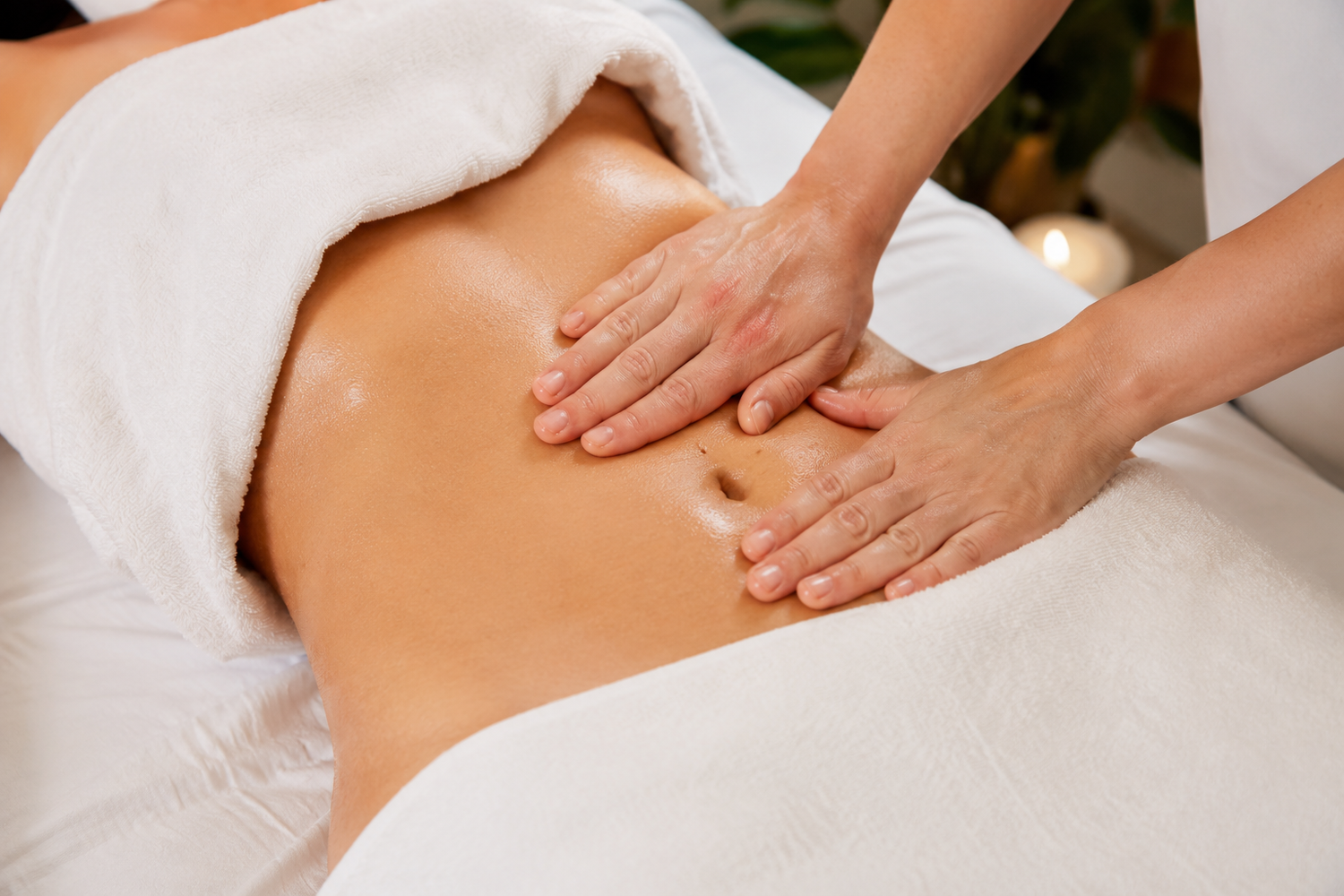


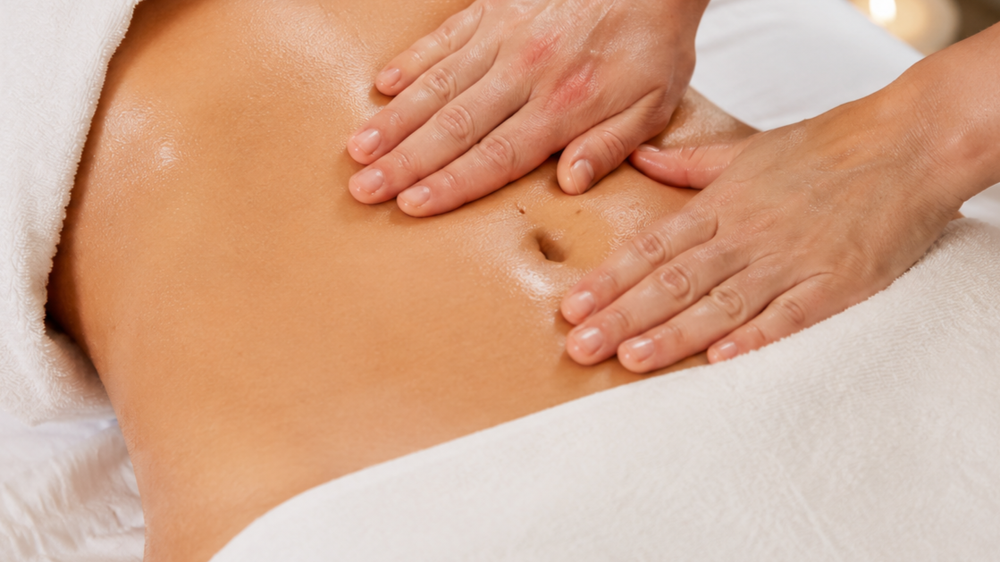
Lymphatic drainage gets sold short. It tends to sit in the same mental box as a relaxation massage, only gentler, and that framing does the treatment no favours with clients who equate pressure with value. Walk a client through what is actually happening under their skin, though, and the picture changes. The reason a good drainage treatment works has almost nothing to do with how hard you push. It has everything to do with where you push, in what direction, and at what rhythm.
For anyone offering lymphatic work, whether as a standalone or folded into a facial or body treatment, knowing the physiology is what separates a confident practitioner from someone repeating spa marketing. So here is the science, what the research actually supports, and a few lines you can borrow when a client asks why your hands are moving so lightly.
Where lymph starts
Lymph begins life as interstitial fluid, the watery medium sitting in the spaces between cells. It carries proteins, immune cells and various large molecules that the body needs to move and recirculate. That fluid has to get into the lymphatic system somehow, and the entry point is the initial lymphatics, vessels that sit in the superficial tissue close to the skin surface.
These are not built like the veins most people picture. Initial lymphatics are blind ended and extremely thin walled, and their endothelial cells overlap like a series of microscopic one way flaps. When pressure in the surrounding tissue rises, anchoring filaments tethered to the extracellular matrix tug those flaps open. Fluid, protein and cells flood in. Once the vessel fills and internal pressure climbs, the overlapping cells close back over, which keeps fluid from washing straight back out.
A 2023 review in Nature describes the mechanism plainly, noting that when interstitial pressure increases, the anchoring filaments pull on the lymphatic endothelial cells and open the overlapping flaps. That single sentence explains the whole logic of the treatment. The aim is to gently raise tissue pressure and create skin movement so those flaps open and the system takes fluid up. Squeezing fluid through the tissue as though it were a pipe misses how the entry mechanism actually works.
The pump that isn't a pump
Once fluid is inside, it moves into the deeper collecting lymphatics, and here the system relies on a different trick. These vessels are divided into segments called lymphangions, each separated by valves, and each segment contracts in sequence to push lymph along. There is no central pump driving any of this. The lymphatic system has nothing equivalent to the heart.
Instead, lymph keeps moving thanks to a combination of factors working together. The vessels themselves have their own muscle that contracts both steadily and in rhythmic bursts. Valves stop backflow between contractions. On top of that, skeletal muscle movement, breathing, the pulse of nearby arteries and external manual stimulation all help shift fluid onward. NCBI Bookshelf material on the subject confirms that collecting lymphatics show both tonic and phasic contractile activity, that spontaneous contractions propel lymph along the valve separated lymphangions, and that massage is one of the factors capable of facilitating lymph formation by raising local tissue pressure.
That last point matters for practitioners - your hands are one input among several, and they are arguably the only one a client cannot supply for themselves. A client who walks, breathes well and stays mobile is already running the other pumps. What manual work adds is a deliberate, directional stimulus applied exactly where the system needs help, which is why a few minutes of skilled hands can do what hours of incidental movement do not. You are working with a system that already has its own rhythm, and the job is to support and guide it rather than override it.
Why force is the wrong tool
The target of manual lymphatic drainage is not muscle. It is the superficial lymphatic network and its pressure sensitive entry system, all of which sits close to the surface.
Push too hard and you stop doing lymphatic work altogether. Heavy pressure compresses the deeper tissues, the hands start to slide rather than stretch the skin, and you end up stimulating blood flow more than lymphatic uptake. At that point you are giving a conventional massage, which is a perfectly good treatment but a different one. Clinical descriptions of manual lymphatic drainage are consistent on this. It is light, superficial, rhythmic skin distension. NCBI material describing manual lymphoedema therapy refers to very light superficial massage with gentle rhythmic skin distention, working in the region of 30 to 45 mmHg, considerably lighter than a lot of conventional massage.
Pressure is not a fixed setting either. A quantitative study of the pressures certified lymphoedema therapists actually apply in breast cancer related lymphoedema found they varied by disease stage, lower in stages one and two, higher in stage three, ranging roughly from the mid teens to the mid thirties in mmHg depending on the area of the limb and the stage. The takeaway is that effective drainage is calibrated to the tissue in front of you, not cranked up as far as it will go.
What the imaging shows
In a 2011 exploratory pilot study, Tan and colleagues used indocyanine green imaging before and after manual lymphatic drainage in people with lymphoedema and in healthy controls. Average apparent lymph velocity rose by 23 percent in symptomatic limbs, 25 percent in the asymptomatic limbs of people with lymphoedema, and 28 percent in healthy control limbs. The interval between lymphatic propulsion events also shortened, meaning the vessels were firing more often after treatment. Skilled hands changed the contractile behaviour of the system.
In a 2022 lymphoscintigraphy study, researchers compared skin mobilisation, non specific massage and manual lymphatic drainage across 80 patients with lower limb lymphoedema. Drainage improved visualisation of the lymphatic pathways in 48 cases, 60 percent, against the previous phase, and it was the only technique that managed to show lymphatic drainage at the root of the swollen limb, in 6 cases, 7.5 percent. The authors concluded that physical therapy can open more lymphatic collaterals in areas other decongestive methods cannot reach.
Translating the science to the treatment bed
The physiology has direct consequences for how you actually work. Because the initial lymphatics open in response to skin stretch, the productive part of any drainage stroke is the stretch phase, not the return. Your hand should distend the skin in the direction of the nearest drainage point and then release, letting the tissue and the vessel recoil before the next stroke. Rushing that recoil gives the lymphatics no time to fill, which is one reason rhythm matters as much as it does.
Direction follows anatomy rather than convenience. Lymph drains toward regional node clusters, so the sequence of any treatment should clear the proximal areas first, opening the route, before working the more distal tissue that needs to drain into it. Working distal to proximal without first clearing the path is like emptying a sink into a blocked drain. Practitioners trained in the established methods, whether Vodder, Leduc or Földi, will recognise this as the reason node regions get attention at the start of a sequence.
Skin condition also sets a ceiling on what you can do. On compromised, fragile or recently treated skin, the lighter end of that 30 to 45 mmHg range is the sensible default, and on healthy tissue you still have little reason to exceed it. The pressure is there to nudge the entry flaps open rather than to drive fluid mechanically, so once the skin is moving and the stretch is happening, additional force adds risk without adding benefit. For facial work in particular, where the lymphatics are exceptionally superficial and the tissue is delicate, this restraint is not optional.
The evidence supports physiological effects far more strongly than it supports every wellness and beauty claim attached to the treatment. In a medical setting, drainage is usually one component of complex decongestive therapy, sitting alongside compression, exercise and skin care rather than standing alone.
A Cochrane review found manual lymphatic drainage safe and well tolerated and noted it may add benefit to compression bandaging, particularly in mild to moderate breast cancer related lymphoedema, though results were mixed once it was added to compression sleeves. A 2021 systematic review reached similar ground, with some benefit in early or mild cases but less clear added value in moderate to severe cases when used within full complex decongestive therapy. So the most defensible claims a practitioner can make are about fluid movement, swelling management, tissue comfort and support for impaired lymphatic transport. Detox and weight loss are not where the science sits.
If a client questions why you are working so lightly, always explain that initial lymphatics behave less like pipes to be squeezed and more like one way, pressure sensitive doors that open in response to directional skin movement. More force does not mean more drainage. What the system responds to is rhythm, direction, sequence and tissue stretch, because lymph has to be guided through valves, lymphangions and whatever drainage routes are available to it. Reframing the treatment and educating the client, positions lymphatic drainage as a precise, anatomically informed technique rather than a soft option, and it sets honest expectations about what the work can and cannot do. A client who understands they are paying for accuracy rather than effort tends to be a client who comes back. The skill lives in where the hands go and how they move. The amount of pressure behind them is close to incidental.
What's Your Reaction?
 Like
0
Like
0
 Dislike
0
Dislike
0
 Agree
0
Agree
0
 Disagree
0
Disagree
0
 Excellent
0
Excellent
0
 Useful
0
Useful
0
 Great
0
Great
0