



































































Tranexamic Acid: The Science Behind Clearer, More Even Skin


Hyperpigmentation is one of the most common – and most frustrating – skin concerns seen in clinical practice. Whether it presents as melasma, post-inflammatory hyperpigmentation (PIH), or more complex pigmentary disorders, the underlying biology is multifactorial and deeply rooted in inflammation, vascular signaling, and melanocyte dysregulation.
Over the past decade, the treatment landscape has evolved significantly. Traditional depigmenting agents like hydroquinone, retinoids, and acids are now being complemented – or even replaced – by more sophisticated molecules that target multiple pathways simultaneously. Among these, tranexamic acid (TXA) has emerged as one of the most compelling and evidence-backed options.
This article explores the full spectrum of depigmenting agents, with a deep dive into tranexamic acid – its mechanisms, clinical evidence, and how advanced formulations (like Aliquote Skin Call It Even Serum) are redefining outcomes in pigment management.
Understanding Hyperpigmentation: More Than Just Melanin
Hyperpigmentation is not simply an overproduction of melanin – it is the visible outcome of a complex biological cascade involving:
- UV-induced oxidative stress
- Inflammatory mediators (prostaglandins, cytokines)
- Vascular signaling (VEGF, endothelin-1)
- Barrier dysfunction
- Hormonal influences
This aligns closely with the 12 Pillars of Skin Longevity, particularly:
- Inflammation Control
- Pigmentation & Melanin Balance
- DNA Protection
- Vascular Integrity
Traditional treatments often focus on only one pathway (typically tyrosinase inhibition), which explains why results can be inconsistent or relapse is common.
Traditional Depigmenting Agents: Strengths and Limitations
Hydroquinone: The Historical Gold Standard – With Important Limitations
Hydroquinone has long been considered the gold standard in the treatment of hyperpigmentation due to its potent ability to inhibit tyrosinase, the key enzyme responsible for melanin synthesis. By interfering with the conversion of tyrosine to melanin within melanocytes, hydroquinone effectively reduces pigment production and can lead to visible lightening of dark spots, melasma, and post-inflammatory hyperpigmentation over time. It is typically used in concentrations ranging from 2% (over-the-counter in some regions) to 4% or higher in prescription formulations, and is often combined with other agents such as retinoids and corticosteroids in so-called “triple combination creams” to enhance efficacy and accelerate results.
However, despite its effectiveness, hydroquinone is not without significant drawbacks. One of the primary concerns is cutaneous irritation, which can manifest as redness, dryness, and inflammation – ironically triggering further pigmentation in susceptible individuals, particularly those with darker skin types. With prolonged or improper use, hydroquinone has also been associated with exogenous ochronosis, a rare but disfiguring condition characterized by paradoxical blue-black pigmentation. These risks have led to regulatory restrictions or bans in several countries, and increasing caution among clinicians when prescribing long-term use. Additionally, hydroquinone works primarily at the level of melanin production and does not address the underlying drivers of pigmentation, such as inflammation, vascular signaling, or barrier dysfunction. This limitation contributes to the common clinical challenge of relapse after discontinuation, especially in conditions like melasma where the pathophysiology is multifactorial. As a result, while hydroquinone remains a powerful tool in pigment correction, modern approaches are increasingly shifting toward multi-pathway agents and combination strategies that offer improved tolerability, safety, and long-term control.
- Irritation and rebound pigmentation
- Risk of ochronosis with prolonged use
- Regulatory restrictions in many countries
Retinoids
Retinoids are among the most extensively studied and clinically validated ingredients in dermatology, valued for their ability to regulate cellular behavior at a genetic level. Derived from vitamin A, this class includes over-the-counter retinol and retinaldehyde, as well as prescription-strength forms such as tretinoin, adapalene, and tazarotene. In the context of hyperpigmentation, retinoids work through several complementary mechanisms. First, they accelerate epidermal turnover, promoting the shedding of melanin-laden keratinocytes and facilitating a more even distribution of pigment across the skin surface. This helps visibly fade discoloration over time, particularly in superficial pigment disorders.
Beyond exfoliation, retinoids also modulate melanocyte activity indirectly by influencing gene expression and reducing the transfer of melanosomes from melanocytes to surrounding keratinocytes. They enhance the penetration of other active ingredients—making them a valuable partner in combination therapies with agents like hydroquinone, azelaic acid, or tranexamic acid. Additionally, retinoids support collagen synthesis and dermal remodeling, which can improve the overall quality and resilience of the skin, indirectly reducing the persistence of pigment.
However, their effectiveness comes with important considerations. Retinoids can be irritating, especially during the initial weeks of use, leading to dryness, redness, and barrier disruption – factors that can paradoxically worsen pigmentation in sensitive or darker skin types if not properly managed. They also increase photosensitivity, making daily sun protection essential. For these reasons, retinoids are best introduced gradually and used within a barrier-supportive routine. While they remain a cornerstone in pigment correction, modern strategies increasingly position retinoids as part of a broader, multi-pathway approach – complementing agents like tranexamic acid that address inflammation and vascular signaling, thereby improving both efficacy and long-term stability of results.
Azelaic Acid
Azelaic acid is a naturally occurring dicarboxylic acid (found in grains like wheat and barley) that has earned a strong reputation in dermatology for its multi-functional, well-tolerated profile, particularly in patients who cannot tolerate more aggressive agents like hydroquinone or retinoids. In the context of hyperpigmentation, azelaic acid works primarily by inhibiting tyrosinase, thereby reducing melanin synthesis. What makes it particularly valuable, however, is its selective action – it tends to target abnormal, overactive melanocytes more than normal ones, which helps minimize the risk of unwanted hypopigmentation and supports a more even skin tone over time.
Beyond its direct pigment-reducing effects, azelaic acid also exerts anti-inflammatory and antibacterial properties, making it especially beneficial in conditions where pigmentation is driven or worsened by inflammation, such as acne-related post-inflammatory hyperpigmentation or rosacea. By reducing inflammatory mediators and calming the skin, it helps break the cycle where inflammation triggers further pigment production. Additionally, azelaic acid has mild keratolytic effects, supporting gentle exfoliation and improving skin texture without the irritation often associated with stronger acids.
Clinically, azelaic acid (typically used in concentrations of 5-15%) has demonstrated efficacy comparable to some traditional treatments for certain types of pigmentation, although results tend to be more gradual and require consistent use. Its excellent safety profile makes it suitable for long-term use, including in sensitive skin types and during pregnancy (under medical guidance). However, because it primarily targets melanin production and inflammation, it may be less effective as a standalone treatment in more complex cases like vascular-driven melasma. For this reason, azelaic acid is often best used as part of a combination strategy, working alongside agents like tranexamic acid that address additional pathways such as vascular signaling and deeper inflammatory triggers, resulting in more comprehensive and durable pigment correction.
Chemical Exfoliants (AHAs/BHAs)
Chemical exfoliants – most commonly alpha-hydroxy acids (AHAs) like glycolic and lactic acid, and beta-hydroxy acids (BHAs) such as salicylic acid – play an important supporting role in the management of hyperpigmentation by accelerating the desquamation of the stratum corneum. By loosening the bonds between corneocytes, these acids facilitate the removal of pigmented, melanin-laden cells at the skin’s surface, leading to a brighter and more even complexion over time. AHAs, being water-soluble, primarily target the superficial layers of the epidermis and are particularly effective for epidermal pigmentation, while BHAs, which are oil-soluble, penetrate deeper into pores and are beneficial in acne-prone skin where post-inflammatory hyperpigmentation is common.
Beyond simple exfoliation, chemical exfoliants can also improve the penetration and efficacy of other active ingredients, making them valuable in combination protocols with agents like retinoids or tranexamic acid. In clinical settings, stronger formulations are used in the form of chemical peels, which can produce more rapid and noticeable improvements in pigmentation by inducing controlled skin renewal. However, their mechanism remains largely surface-focused, meaning they do not directly address the deeper drivers of pigmentation such as inflammation, vascular signaling, or melanocyte dysregulation.
This limitation is clinically significant. Overuse or improper use of exfoliating acids can compromise the skin barrier, leading to irritation and inflammation – two key triggers of rebound pigmentation, especially in patients with melasma or skin of color. In these cases, aggressive exfoliation can paradoxically worsen the very condition it aims to treat. For this reason, chemical exfoliants are best viewed not as standalone solutions, but as adjunctive tools within a balanced, barrier-conscious regimen. When used strategically, at appropriate concentrations, frequencies, and in combination with anti-inflammatory and pigment-regulating agents, they can enhance overall treatment outcomes while minimizing the risk of relapse or irritation.
Tranexamic Acid: A Paradigm Shift in Pigment Management
What is Tranexamic Acid?
Tranexamic acid (TXA) is a synthetic derivative of the amino acid lysine, originally developed and widely used in medicine as an antifibrinolytic agent to reduce bleeding in surgical, trauma, and gynecologic settings. Its primary systemic role is to inhibit the conversion of plasminogen to plasmin, thereby stabilizing blood clots. What makes tranexamic acid particularly interesting in dermatology is that this same mechanism extends far beyond coagulation and into the realm of inflammation, cellular signaling, and pigment regulation. Over the past decade, clinicians and researchers have recognized that plasmin is not only involved in fibrinolysis but also plays a critical role in UV-induced skin inflammation and melanocyte activation. By inhibiting plasmin activity in the skin, TXA reduces the release of inflammatory mediators and pigment-stimulating signals from keratinocytes, effectively interrupting one of the earliest steps in the development of hyperpigmentation .
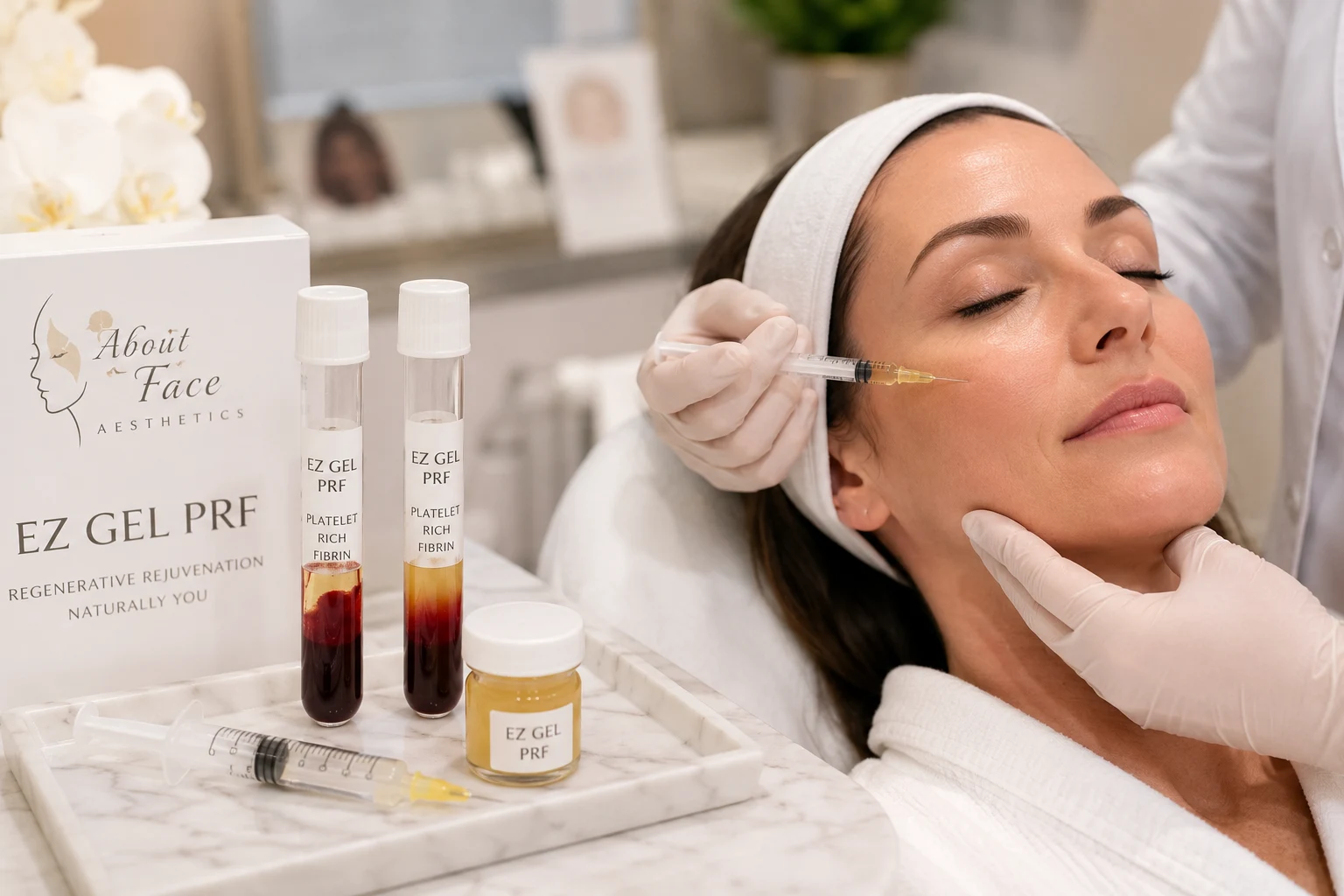
Today, tranexamic acid is used in dermatology through multiple routes ~ oral, topical, and intradermal (mesotherapy) ~ each offering distinct advantages depending on the severity and type of pigmentation being treated. Unlike traditional depigmenting agents that act primarily on melanin synthesis at the surface level, TXA works deeper within the skin’s biological network, addressing the vascular, inflammatory, and cellular drivers of conditions like melasma and post-inflammatory hyperpigmentation. This repositioning of a well-established medical molecule into a dermatologic context reflects a broader shift toward mechanism-based, multi-pathway treatment strategies, where understanding the underlying biology leads to more effective and sustainable clinical outcomes.
Mechanism of Action: Why TXA Works Differently
What sets tranexamic acid apart from traditional depigmenting agents is that it intervenes upstream in the pigmentation cascade, targeting the biological signals that initiate and sustain melanocyte activation rather than simply blocking melanin production at the endpoint. At the core of its mechanism is the inhibition of the plasminogen–plasmin pathway. Under UV exposure and skin stress, keratinocytes increase plasmin activity, which in turn stimulates the release of inflammatory mediators such as prostaglandins and arachidonic acid, key signals that activate melanocytes and upregulate tyrosinase. Tranexamic acid disrupts this process by preventing the conversion of plasminogen to plasmin, effectively dampening the inflammatory trigger before melanogenesis even begins . Beyond inflammation, TXA also influences the vascular component of pigmentation, which is particularly relevant in melasma. By reducing levels of vascular endothelial growth factor (VEGF) and endothelin-1, it helps normalize the abnormal dermal vasculature that contributes to persistent and recurrent pigmentation . This anti-angiogenic effect is a critical differentiator, as few traditional agents address this dimension of pigment biology. Additionally, TXA indirectly reduces tyrosinase activity by limiting melanocyte stimulation, rather than inhibiting the enzyme directly, resulting in a more balanced, less aggressive modulation of pigment production. The cumulative effect is a molecule that works across inflammation, vascular signaling, and melanocyte activation simultaneously, making it uniquely suited for complex, relapsing pigmentary disorders where single-pathway interventions often fall short.
Key mechanisms include:
1. Reduction of UV-Induced Inflammation
UV exposure activates plasmin, which increases inflammatory mediators like prostaglandins. TXA blocks this cascade, reducing melanocyte stimulation .
2. Inhibition of Tyrosinase Activation
By suppressing inflammatory signaling, TXA indirectly reduces tyrosinase activity, the enzyme responsible for melanin production.
3. Vascular Regulation
TXA reduces vascular endothelial growth factor (VEGF) and endothelin-1, both implicated in melasma’s vascular component .
4. Anti-Angiogenic Effects
This is critical in melasma, where increased vascularization contributes to pigment persistence.
Clinical Evidence: What the Data Shows for Tranexamic Acid
The recent 2026 review in the Journal of Cosmetic Dermatology provides compelling evidence for TXA across multiple modalities.
The clinical data supporting tranexamic acid is not only robust but also unusually consistent across different study designs, patient populations, and delivery methods. The 2026 review published in the Journal of Cosmetic Dermatologysynthesizes findings from randomized controlled trials, observational studies, and comparative analyses, and highlights a clear pattern: tranexamic acid delivers meaningful, reproducible reductions in pigmentation with a strong safety profile . Oral TXA, typically dosed between 250–500 mg twice daily, has demonstrated reductions in melasma severity indices (mMASI) approaching 50% or more within 8–12 weeks, with some studies reporting improvement rates as high as 90% in longer protocols. Importantly, these benefits are not purely transient, moderate cases often maintain improvement even after discontinuation, suggesting a deeper modulation of pigment pathways rather than superficial suppression . Topical TXA formulations, while slightly more gradual in onset, have shown comparable efficacy to hydroquinone in randomized trials, but with significantly fewer adverse effects such as irritation or rebound hyperpigmentation, an advantage that makes them particularly suitable for long-term use and for patients with sensitive or barrier-impaired skin . Intradermal delivery (mesotherapy) further expands TXA’s utility, achieving response rates of 60–90% in refractory cases, although maintenance strategies are often required to prevent recurrence. Perhaps most compelling is the data on combination therapy, where TXA, used alongside hydroquinone, lasers, or chemical peels, consistently enhances both the speed and durability of results compared to monotherapy. Across all modalities, adverse effects remain mild and transient, reinforcing TXA’s position as a highly tolerable option. Taken together, the evidence positions tranexamic acid not as an adjunct or niche treatment, but as a foundational, evidence-based agent in modern pigment correction protocols.
Oral Tranexamic Acid
- Up to 49% reduction in melasma severity (mMASI) in randomized trials
- Sustained improvement even after discontinuation
- High patient satisfaction rates
Topical Tranexamic Acid
- Comparable efficacy to hydroquinone
- Fewer side effects and better tolerability
- Visible improvement within 4-8 weeks
Intradermal TXA (Mesotherapy)
- 60–90% response rates
- Effective for resistant melasma
- Minimal systemic risk
Combination Therapies
TXA combined with:
- Hydroquinone
- Laser treatments
- Chemical peels
- Microneedling
→ produces enhanced and longer-lasting results compared to mono therapy.
Why Tranexamic Acid is Superior to Traditional Agents
Tranexamic acid represents a meaningful evolution in how we approach hyperpigmentation because it targets the upstream triggers of pigment formation rather than just the final step of melanin production. Traditional agents like hydroquinone primarily inhibit tyrosinase, which can be effective but often comes with irritation, rebound pigmentation, and long-term safety concerns. In contrast, tranexamic acid works at multiple levels of the pigmentation cascade: it reduces UV-induced inflammation, downregulates melanocyte stimulation, and modulates vascular factors such as VEGF and endothelin-1 that are increasingly recognized as key contributors to persistent melasma . This multi-pathway mechanism makes it uniquely effective for complex and stubborn pigmentary disorders, particularly those driven by inflammation or vascular dysregulation. Clinically, studies show that tranexamic acid delivers comparable improvements to hydroquinone while offering superior tolerability and fewer side effects, which is critical for long-term management . Perhaps most importantly, its ability to be used across oral, topical, and intradermal routes, and to synergize with lasers, peels, and other actives, positions tranexamic acid not just as another brightening ingredient, but as a cornerstone therapy in modern, evidence-based pigment correction.
In other words, compared to hydroquinone and other actives, TXA offers:
- Multi-pathway targeting (inflammation + vascular + melanocyte signaling)
- Lower irritation risk
- Better long-term tolerance
- Compatibility with combination therapies
This makes it particularly valuable for:
- Melasma
- Post-inflammatory hyperpigmentation
- Laser-induced pigmentation
- Skin of color
The Evolution of TXA Formulations: Why Not All Products Are Equal
While tranexamic acid has proven itself as a powerful depigmenting molecule, the reality is that formulation determines outcome – and not all TXA products are created equal. Early-generation formulations often relied on simple aqueous bases with tranexamic acid added at a fixed concentration (typically 2–5%), assuming that presence alone would translate into efficacy. However, TXA is a hydrophilic molecule, which inherently limits its ability to penetrate the lipid-rich stratum corneum and reach the deeper epidermal and dermal targets where melanocyte signaling and vascular factors reside. This means that many over-the-counter or poorly formulated serums may deliver only superficial benefits, failing to fully leverage TXA’s anti-inflammatory and anti-angiogenic capabilities. Modern, clinically optimized formulations have evolved to address these limitations through advanced delivery systems, including penetration enhancers, encapsulation technologies, and synergistic ingredient pairing that improve bioavailability and stability. In addition, the most sophisticated formulations no longer treat TXA as a standalone active, but rather as part of a multi-pathway architecture that simultaneously targets oxidative stress, barrier dysfunction, and inflammatory signaling, key drivers of recurrent pigmentation. This evolution reflects a broader shift in dermatology: moving from single-ingredient solutions to systems-based formulations that align with the complex biology of skin. As supported by emerging evidence showing TXA’s efficacy across different delivery routes and its enhanced performance in combination therapies , it becomes clear that the future of pigment correction lies not just in what ingredient is used, but how it is formulated, delivered, and integrated into a comprehensive skin strategy.
In simpler terms, not all tranexamic acid products deliver the same results. Efficacy depends on:
- Concentration and stability
- Delivery system
- Synergistic ingredients
- Barrier compatibility
Many commercial formulations rely on TXA as a single hero ingredient, which limits outcomes.
This is where advanced formulations, like medical-grade skin care line Aliquote Skin, differentiate themselves.
Aliquote Skin Call It Even Serum: A Clinical-Grade Approach to Pigment Correction with Tranexamic Acid
The Aliquote Skin Call It Even Serum represents a next-generation approach to pigmentation management – one that aligns with a systems-based model of skin longevity rather than single-pathway correction.
Unlike many TXA serums on the market, this formulation is designed to target the full biology of hyperpigmentation, not just melanin synthesis.
Why It Outperforms Other TXA-Based Serums
Compared to:
- SkinCeuticals Discoloration Defense
- SkinMedica Even & Correct
- Alastin A-Luminate Brightening Serum
the Aliquote formulation stands apart in several critical ways:
1. Multi-Pillar Targeting (Beyond Tyrosinase)
Most competitor products focus on:
- Tyrosinase inhibition
- Surface-level pigment correction
Aliquote Skin takes a broader approach by addressing:
- Inflammation (Pillar 2)
- Vascular signaling (Pillar 9)
- Barrier function (Pillar 1)
- Cellular signaling
This results in:
- More stable pigment correction
- Reduced relapse rates
- Improved skin resilience
2. Optimized Delivery System
Many TXA serums struggle with penetration due to:
- Hydrophilic nature of TXA
- Poor dermal delivery
Aliquote Skin’s formulation strategy prioritizes:
- Enhanced penetration
- Sustained release
- Barrier-friendly delivery
This ensures TXA reaches target sites within the skin, not just the surface.
3. Synergistic Ingredient Architecture
While competitors often rely on TXA + niacinamide alone, Aliquote Skin integrates:
- Anti-inflammatory actives
- Barrier-repair lipids
- Antioxidants targeting oxidative stress
This synergy amplifies TXA’s effects by:
- Reducing melanocyte stimulation upstream
- Supporting recovery of damaged skin
- Preventing recurrence
4. Clinical Philosophy: Skin Longevity vs. Quick Fix
Many brightening serums are designed for:
- Fast visible results
- Short-term use
Aliquote Skin is built for:
- Long-term skin health
- Recurrence prevention
- Integration with clinical treatments
This aligns directly with your 12 Pillars framework, making it not just a product—but a therapeutic tool.
How to Use Tranexamic Acid for Maximum Results
To fully leverage tranexamic acid (TXA), it must be integrated into a structured, multi-layered routine that respects skin biology rather than overwhelming it. Unlike single-target brightening agents, TXA performs best when used consistently and in synergy with barrier-supportive, anti-inflammatory, and photoprotective strategies. At a foundational level, TXA should be applied twice daily in topical form, ideally after cleansing and before heavier serums or moisturizers, to maximize penetration. In the morning, pairing TXA with antioxidants such as vitamin C or polyphenols enhances protection against UV-induced oxidative stress – one of the primary triggers of pigmentation. This must always be followed by broad-spectrum sunscreen, as UV exposure can easily override any progress made with pigment-correcting ingredients. Sunscreen is not optional; it is a non-negotiable pillar in any pigmentation protocol.
In the evening, TXA can be combined with complementary actives such as retinoids or mild exfoliants, depending on the patient’s tolerance. Retinoids enhance cellular turnover and improve penetration, while gentle exfoliation helps remove pigment-laden cells, allowing TXA to act more effectively at deeper levels. However, this combination must be approached carefully to avoid barrier disruption, particularly in patients prone to inflammation-driven pigmentation. For more resistant cases such as melasma or chronic post-inflammatory hyperpigmentation, TXA should be incorporated into a combination strategy, including in-clinic treatments like laser therapy (e.g., vascular or low-fluence pigment lasers), chemical peels, or microneedling. Clinical evidence shows that TXA significantly enhances both the speed and durability of results when used alongside these modalities, reducing recurrence rates and improving overall outcomes.
Equally important is the concept of long-term consistency and maintenance. Hyperpigmentation is rarely a one-time treatment scenario; it is a chronic condition influenced by internal and external triggers. TXA’s favorable safety profile makes it well-suited for extended use, allowing it to function not only as a corrective agent but also as a preventative toolagainst relapse. When used within a thoughtful, personalized protocol that addresses inflammation, barrier health, and environmental exposure, tranexamic acid becomes far more than a brightening ingredient: it becomes a central component of a clinically intelligent, longevity-focused approach to skin health.
Morning
- Antioxidant serum
- TXA serum
- MINERAL Broad-spectrum SPF (non-negotiable and tinted formulas preferred)
Evening
- Gentle cleanser
- TXA serum
- Retinoid (if tolerated)
- Barrier-repair moisturizer
In-Clinic Pairings
TXA works exceptionally well with:
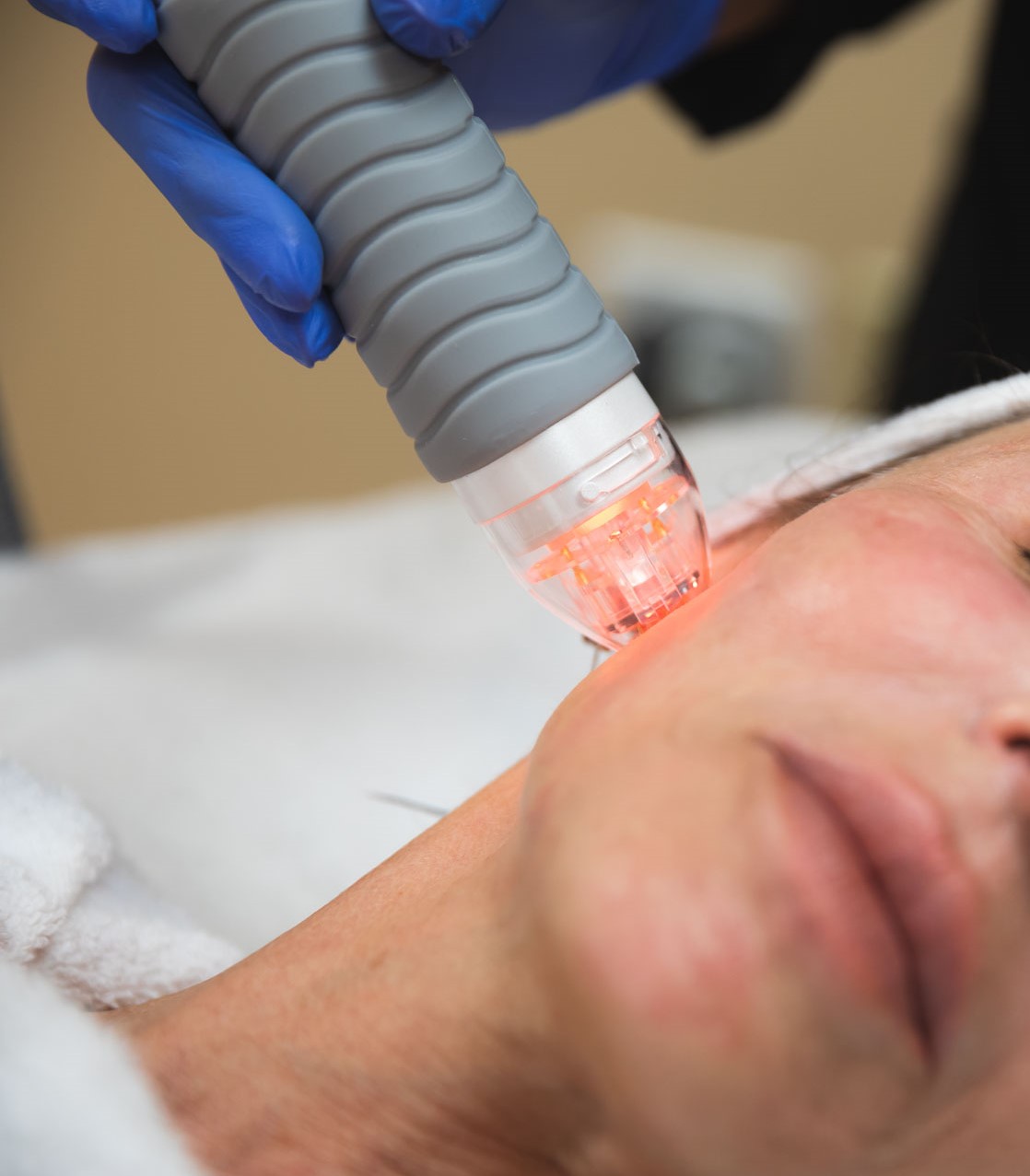
- Laser Genesis / vascular lasers
- Chemical peels
- Microneedling
- IPL
- BioRePeel series
Combination therapy enhances outcomes and reduces recurrence risk
Who Should Use Tranexamic Acid?
TXA is particularly effective for:
- Melasma (epidermal and dermal)
- Post-acne hyperpigmentation
- Laser-induced pigmentation
- Skin of color
- Patients intolerant to hydroquinone
Safety Profile: What You Need to Know
One of the most compelling advantages of topical tranexamic acid (TXA) is its exceptionally favorable safety and tolerability profile, especially when compared to traditional depigmenting agents. Unlike hydroquinone, which is associated with irritation and rare but serious complications such as exogenous ochronosis, topical TXA is generally non-cytotoxic to melanocytes and does not disrupt normal pigment cell function. Instead, it modulates upstream signaling pathways, which translates clinically into lower irritation risk and better long-term usability. Studies consistently report minimal adverse effects with topical TXA, most commonly mild, transient sensations such as slight dryness or tingling, if any, making it suitable even for patients with sensitive or barrier-compromised skin .
Another important distinction is that topical TXA has negligible systemic absorption, meaning it does not carry the same theoretical risks associated with oral antifibrinolytics, such as thromboembolic events. This makes it a particularly attractive option for patients who are not candidates for oral TXA or who prefer a topical, low-risk approach. In clinical studies comparing TXA to hydroquinone, both agents achieved similar improvements in pigmentation, but TXA demonstrated higher patient satisfaction and fewer irritant reactions, reinforcing its role as a safer alternative for long-term management .
From a practical standpoint, this safety profile allows TXA to be used continuously and in combination with other active ingredients, including retinoids, antioxidants, and procedural treatments – without significantly increasing the risk of inflammation or rebound pigmentation. This is particularly important in conditions like melasma, where chronic inflammation and barrier disruption can perpetuate the cycle of pigmentation. By offering effective pigment control without compromising skin integrity, topical tranexamic acid supports a more sustainable, barrier-respecting approach to treatment, aligning with modern strategies that prioritize long-term skin health over aggressive, short-term correction.
The Future of Depigmenting Agents
The future of pigment correction is moving toward:
- Multi-pathway targeting
- Combination therapies
- Personalized protocols
- Integration with longevity science
Tranexamic acid is at the center of this evolution, not as a standalone solution, but as a foundational molecule in advanced pigment strategies.
Final Thoughts: From Correction to Control
Hyperpigmentation is not just a cosmetic issue: it is a reflection of deeper biological imbalances.
Tranexamic acid represents a shift from:
- Reactive treatment → proactive control
- Single-target approaches → systems-based therapy
When combined with advanced formulations like Aliquote Skin Call It Even Serum, it becomes part of a comprehensive, clinically intelligent approach to skin longevity.
At SkinScience, we take a comprehensive, evidence-based approach to hyperpigmentation by combining advanced skincare, clinical treatments, and personalized protocols. If you are struggling with melasma or uneven skin tone, a consultation can help identify the root causes and create a targeted treatment plan.
Book a personalized skin consultation to understand the root cause of your pigmentation and build a treatment plan that actually works.
About The Author
Marie Bertrand is the founder of SkinScience and the creator of the 12 Pillars of Skin Longevity™, a science-based framework designed to address the root causes of skin aging and chronic conditions such as hyperpigmentation, acne, and rosacea. With over 18 years of experience in medical aesthetics and a background in microbiology, she is known for her evidence-driven, mechanism-focused approach to skin health – bridging advanced skincare, clinical treatments, and longevity science. Marie is also the founder of Aliquote Skin, a professional skincare line developed to align with the biological pathways that drive skin function and regeneration. Through her clinic, educational platforms, and published work, she is committed to elevating standards in the aesthetics industry and helping patients achieve long-term, sustainable skin health through personalized, clinically intelligent care.
FAQs
What is hyperpigmentation and how does it develop?
Hyperpigmentation is a skin concern caused by complex biological processes including UV-induced stress, inflammation, vascular signaling, barrier dysfunction, and hormonal influences that lead to uneven melanin production, not just excess melanin.
Why has the treatment landscape for hyperpigmentation evolved?
The treatment has evolved from using traditional agents like hydroquinone and retinoids to more sophisticated molecules like tranexamic acid that target multiple pathways, offering better safety and more durable results.
What are the limitations of hydroquinone in treating hyperpigmentation?
Hydroquinone can cause skin irritation, rebound pigmentation, and, with prolonged use, exogenous ochronosis, and it mainly targets melanin production without addressing underlying causes like inflammation or vascular issues.
How do retinoids work in managing hyperpigmentation, and what should be considered?
Retinoids accelerate epidermal turnover, modulate melanocyte activity, and enhance other treatments’ penetration, but they can cause irritation and increase photosensitivity, requiring careful use and sun protection.
What makes tranexamic acid a promising agent in pigment correction?
Tranexamic acid works upstream in the pigmentation cascade by reducing inflammation, vascular signaling, and melanocyte stimulation, leading to more comprehensive and longer-lasting results with fewer side effects compared to traditional agents.
References
- AlEtebi et al. J of Cosm Derm, 2026: Tranexamic Acid for Hyperpigmentation Disorders: A Literature Review on Efficacy and Safety in Melasma and PIH
- Wang et al. J Am Acad Dermatol, 2023
- Kim et al. Clin Exp Dermatol, 2016
- Bala et al. Dermatologic Surgery, 2018
- Del Rosario et al. JAAD, 2018
- Chowdhary et al. Arch Dermatol Res, 2021
- Sobhan et al. J Res Med Sci, 2023
- Feng et al. Dermatology and Therapy, 2023
What's Your Reaction?
 Like
0
Like
0
 Dislike
0
Dislike
0
 Agree
0
Agree
0
 Disagree
0
Disagree
0
 Excellent
0
Excellent
0
 Useful
0
Useful
0
 Great
0
Great
0