































































When Should You Take Electrolytes?


You usually feel it before you measure it - the workout that suddenly feels harder, the afternoon heat that drains your energy, the headache after a long flight, or the cramp that hits when you are still trying to finish strong. If you are asking when should you take electrolytes, the short answer is this: take them when you are losing fluids and minerals faster than water alone can replace them.
That does not mean everyone needs an electrolyte drink all day, every day. It means timing matters. The right moment depends on how much you are sweating, how long you are active, what the weather is doing, and whether your body is under extra stress from travel, illness, or recovery.
When should you take electrolytes during the day?
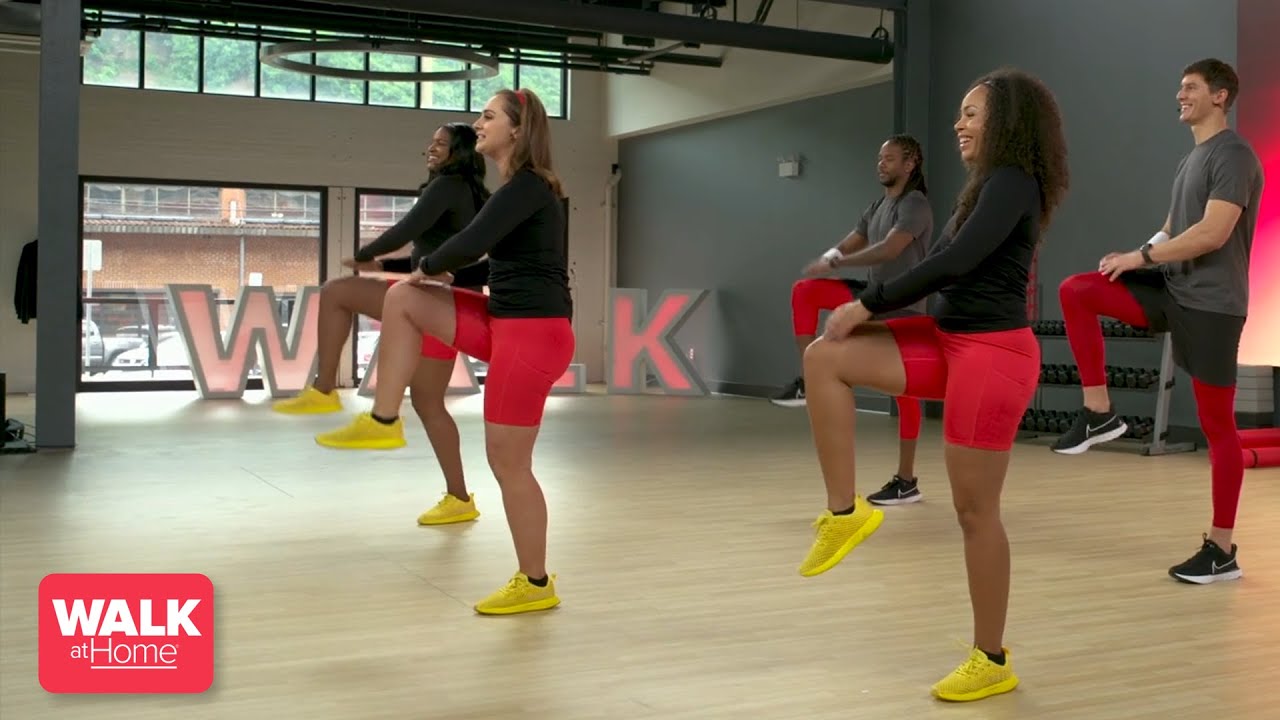
For most active adults, electrolytes make the biggest difference before, during, or after situations that increase fluid loss. Think hard workouts, long runs, hot job sites, hikes, tournaments, flights, stomach bugs, and days when you are simply not bouncing back the way you should.
If you are lightly active in cool weather and eating balanced meals, plain water may be enough most of the time. But once sweat loss goes up, relying on water alone can leave you feeling flat. You may replace the fluid without replacing the sodium and other electrolytes your body uses to maintain hydration, muscle function, and nerve signaling.
A simple rule is to look at the demand in front of you. If you know you are heading into heat, extended exercise, or heavy sweating, start early rather than waiting until you feel depleted. Thirst is useful, but it is not always the first sign that your hydration is slipping.
Before exercise or heat exposure
Taking electrolytes before activity can help you start in a better place, especially if you are training hard, exercising first thing in the morning, or heading into hot and humid conditions. If you begin already underhydrated, it is much harder to catch up once sweat loss starts.
This is one of the best times to use electrolytes if you tend to sweat heavily or notice early fatigue, muscle tightness, or a drop in performance. Drinking them 30 to 60 minutes before your workout, game, or outdoor shift can help support fluid balance from the start.
This matters even more if your session will last longer than an hour or your environment is working against you. Summer runs, garage workouts, long bike rides, and outdoor labor all raise the stakes. The goal is not to overdrink. It is to begin well hydrated and give your body what it actually loses.
During long or intense activity
During exercise, electrolytes are most useful when the effort is long, intense, or sweat-heavy. If you are doing a quick 30-minute walk in mild weather, water is probably fine. If you are training hard for 75 minutes, playing multiple games, working outside all day, or logging miles in the heat, electrolytes become a much smarter choice.
Sodium is especially important here because it helps your body retain and use the fluid you drink. Without enough of it, you may keep drinking water and still feel off. That can show up as sluggishness, dizziness, cramping, or the sense that your energy is fading faster than it should.
A glucose-based electrolyte drink can also make a difference during demanding activity because glucose helps support fluid absorption. That is why isotonic formulas are often preferred by people who want fast hydration without extra junk. Clean ingredients matter, but performance matters too.
After workouts for faster recovery
Post-workout is another smart time to take electrolytes, especially after sessions that leave your clothes soaked, your body weight down, or your recovery dragging into the next day. You are not just replacing water. You are helping your body restore what it lost through sweat.
If you finish a hard workout and only drink plain water, you may rehydrate more slowly than you expect. That is one reason some people still feel tired, headachy, or cramp-prone after training. Electrolytes can help you recover more efficiently so you are not starting the rest of your day from behind.
This timing is especially useful for back-to-back training days, tournament weekends, double sessions, or physically demanding jobs where recovery time is limited. When you have to perform again soon, hydration is not a side detail. It is part of the job.
When you are sweating more than usual
Sometimes the answer to when should you take electrolytes has nothing to do with a workout. It has to do with conditions. Hot weather, humidity, sun exposure, altitude, layers of protective gear, and long hours on your feet can all increase fluid and electrolyte loss.
This is why hikers, golfers, construction workers, warehouse teams, festival crews, and anyone working outdoors often benefit from electrolytes even if they are not doing formal exercise. Sweat loss is sweat loss. If your environment pushes your body harder, your hydration strategy should adjust.
The same goes for people who naturally sweat a lot. Some are simply heavier or saltier sweaters than others. If your clothes show white salt marks, or you regularly feel drained after sweating, that is a clue that electrolytes may need to be part of your routine more often.
During travel, flights, and long days on the go
Travel is a sneaky dehydration trigger. Airplane cabins are dry, schedules get thrown off, caffeine intake goes up, and you may not drink enough water because you are moving all day. By the time you arrive, you feel tired, puffy, or oddly sluggish.
Taking electrolytes during travel can help keep hydration more stable, especially on long flights, road trips, and active vacations. It is also a practical move before or after travel days that include heat, walking, or poor sleep.
This is where convenience really matters. A clean electrolyte option in a portable format is easier to use consistently than something bulky or loaded with artificial ingredients you do not want.
When you are sick or losing fluids
If you are dealing with vomiting, diarrhea, fever, or anything else that causes rapid fluid loss, electrolytes can be more helpful than plain water alone. Your body is not just losing water in those situations. It is losing minerals that help maintain normal hydration and function.
This is one of the clearest cases where electrolytes make sense quickly. Small, steady sips are often easier to tolerate than chugging large amounts at once. If symptoms are severe, persistent, or affecting a child, older adult, or anyone with a medical condition, medical guidance matters.
The point is simple: when fluid loss is high, replacement should be smarter, not just bigger.
Signs you may need electrolytes
You do not need to overthink every sip, but there are common clues that water alone may not be cutting it. Frequent muscle cramps, headaches after sweating, unusual fatigue, dizziness, dry mouth, and a noticeable drop in performance can all point to a hydration gap.
Dark urine can be another sign, though it is not perfect on its own. So can that washed-out feeling after training or time in the heat. If you consistently feel better when you use electrolytes around sweaty or demanding days, that is useful feedback.
The flip side matters too. If you are sedentary, not sweating much, and already getting enough sodium through your diet, you may not need extra electrolytes at every moment. More is not automatically better. The best approach is to match your intake to your actual losses.
How often should you take them?
This depends on your routine. Some people only need electrolytes around long workouts or hot weekends. Others benefit from them daily because their job, training load, or climate keeps sweat losses high.
A good starting point is to use electrolytes intentionally - before tough sessions, during long or sweaty activity, after heavy fluid loss, and during travel or illness. Then pay attention to how you feel. Better endurance, fewer cramps, steadier energy, and faster recovery are signs your timing is working.
If ingredient quality matters to you, choose a formula that keeps things clean and functional. Fast hydration works best when the formula is built to absorb well and skips the artificial colors, sweeteners, and filler ingredients that do nothing for performance. That is why many active adults reach for a trusted isotonic option like Vitalyte when they want pure hydration with no nonsense.
The best time to take electrolytes is not some fixed hour on the clock. It is the moment your body starts losing more than water can replace. Get ahead of that moment, and hydration becomes one less thing that can hold you back.
What's Your Reaction?
 Like
0
Like
0
 Dislike
0
Dislike
0
 Agree
0
Agree
0
 Disagree
0
Disagree
0
 Excellent
0
Excellent
0
 Useful
0
Useful
0
 Great
0
Great
0