














































Why Antioxidants Matter More As You Age


Aging changes a lot in the body.
Recovery is not always as fast. Stress can feel harder to shake off. Energy, resilience, and even how well your cells handle everyday wear and tear can all start to shift over time. One reason for that is that aging is closely linked with higher oxidative stress and, in many tissues, weaker antioxidant defenses. Reviews on aging consistently describe oxidative stress as an important contributor to age-related decline and disease risk.
That does not mean aging is just “rusting from the inside out,” or that antioxidants are some magic anti-aging shortcut. The science is more nuanced than that. But it does mean antioxidants become more relevant with age because the body may be facing more oxidative pressure while having a harder time keeping balance.
First: what changes as we age?
As we get older, several things can happen at once:
- oxidative damage can build up over time
- mitochondria may function less efficiently
- inflammation can become more persistent
- antioxidant enzyme activity may decline in some tissues
- recovery from physical and metabolic stress may get slower
That combination matters because it creates an environment where the body may need stronger antioxidant support just to maintain balance.
Why oxidative stress becomes a bigger deal
Oxidative stress happens when reactive molecules build up faster than the body can comfortably neutralize them. Those molecules can damage proteins, fats, DNA, and other important cell structures when they get out of control. Reviews on aging describe oxidative stress as one of the major mechanisms linked to age-related functional decline and many chronic diseases.
This is one reason antioxidants matter more with age: they help the body defend against the kind of cumulative wear and tear that becomes more relevant over the years.
It is not just about lifespan — it is about how well you age
This is an important distinction.
A lot of anti-aging talk focuses on living longer. But in real life, most people care just as much about health span — how well they function, feel, and recover as they age. Reviews of oxidative stress and aging note that even when antioxidant interventions do not clearly extend lifespan, oxidative stress still appears to influence many age-related diseases and aspects of functional decline.
So when we say antioxidants matter more as you age, we are not just talking about “living forever.”
We are talking about supporting:
- cellular protection
- healthier aging tissues
- resilience
- recovery
- long-term function
Aging and antioxidants are connected in several body systems
This is another reason the topic matters so much.
Oxidative stress is not limited to one organ or one symptom. Research has linked oxidative stress to age-related changes in:
- the cardiovascular system
- the brain
- the muscles
- the skin
- metabolic health
- immune and inflammatory balance
That is why antioxidants are not just a “beauty” or “wellness trend” issue. They are part of the body’s broader defense network.
Your body still makes antioxidants — but support may matter more
The body has its own antioxidant systems, including antioxidant enzymes and compounds like glutathione. But aging can affect how well some of those systems keep up. Reviews have described age-related reductions in antioxidant defenses and increased oxidative burden in older tissues, which helps explain why antioxidant support becomes more relevant over time.
This does not mean older adults are automatically deficient in antioxidants.
It means the balance can become more fragile.
So should everyone just take antioxidant supplements?
Not so fast.
This is where things need to stay grounded. The National Center for Complementary and Integrative Health notes that antioxidant supplements have been studied extensively, but they are not a guaranteed fix for chronic diseases associated with aging. In some cases they have shown limited or mixed results, and more is not always better.
That is why the smartest takeaway is not:
“Aging means I need huge doses of antioxidant pills.”
It is more like:
“Aging means I should take antioxidant support seriously — especially through food, lifestyle, and foundational habits.”
Food-first antioxidant support makes the most sense
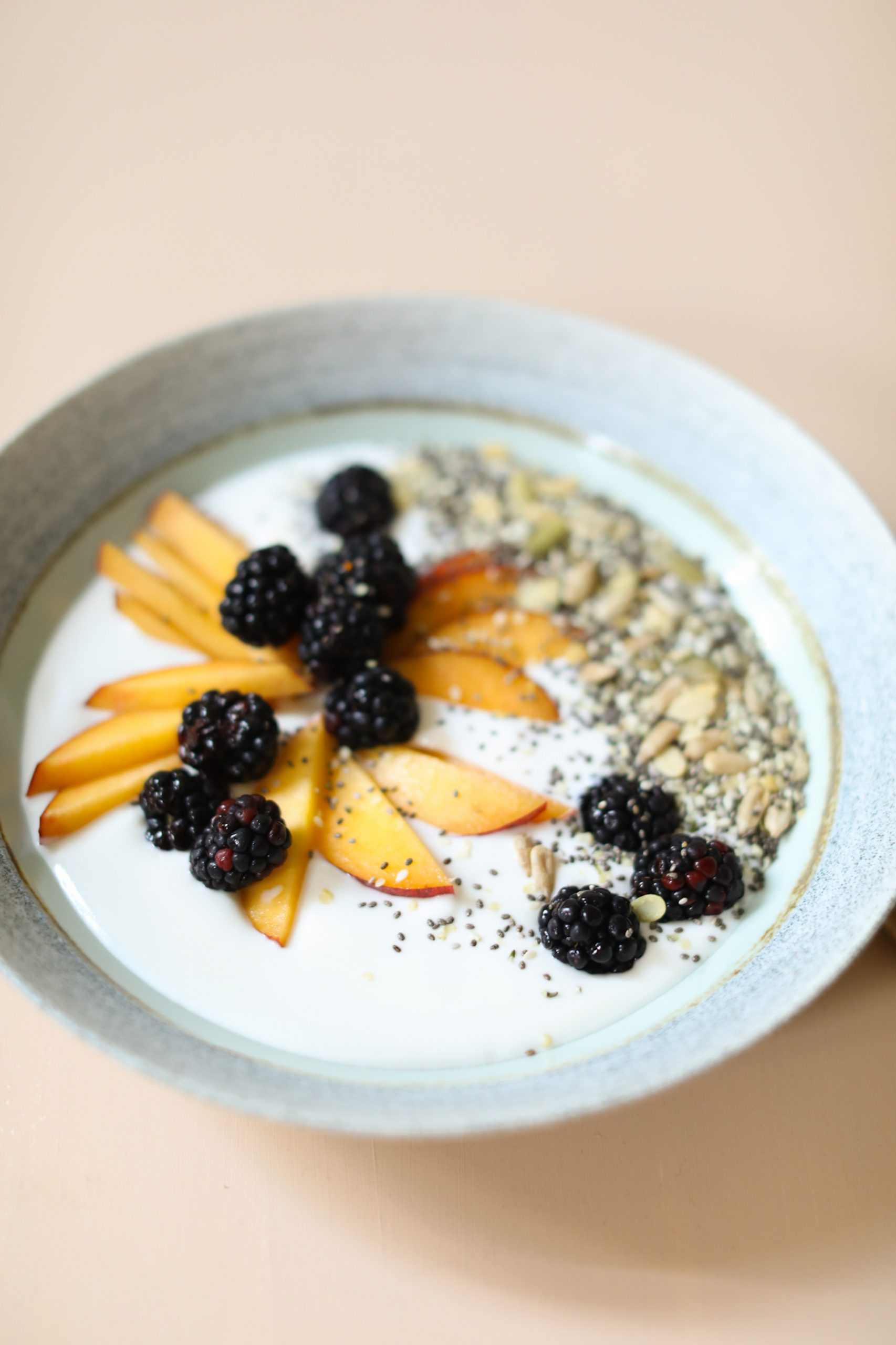
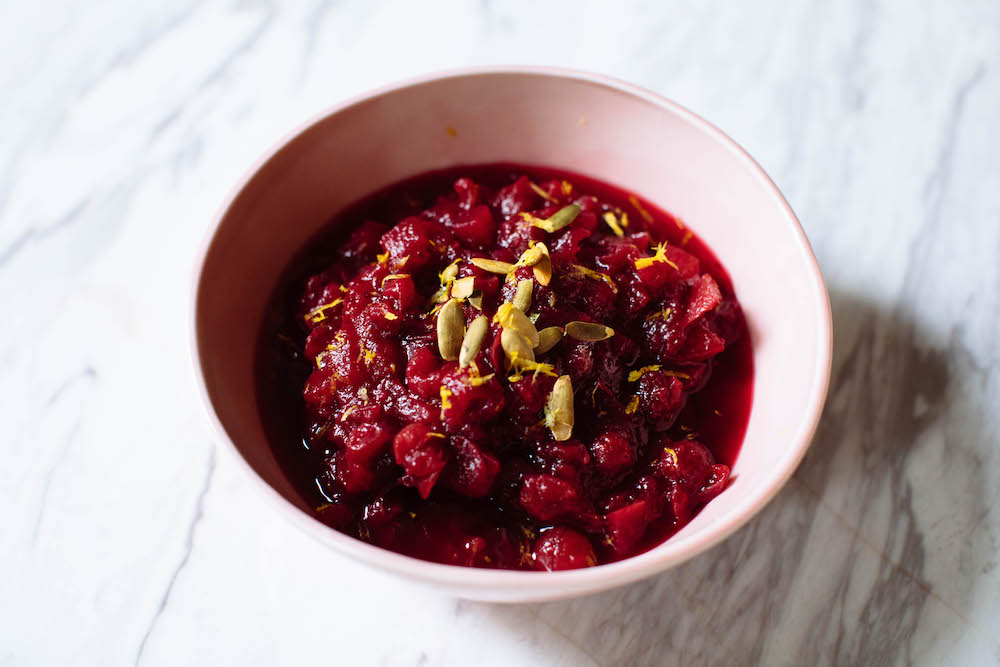
NCCIH notes that our bodies make some antioxidants, and we also get additional antioxidants from foods such as fruits, vegetables, and grains. That is a big reason food-first support matters so much, especially as you age.
A more antioxidant-supportive way of eating usually means more of the basics:
- fruits and vegetables
- colorful plant foods
- enough protein
- less ultra-processed food
- an overall pattern that supports metabolic health and recovery
That kind of eating pattern helps the body from multiple angles at once, rather than betting everything on one supplement.
There are some specific cases where antioxidants do matter clinically
This is worth mentioning because it shows the topic is not just theoretical.
NCCIH notes that certain antioxidant formulations, such as the AREDS/AREDS2 formulas, may help reduce the risk of progression to advanced age-related macular degeneration in specific groups of people. That does not mean antioxidant supplements are broadly protective against every age-related problem, but it does show that antioxidants can matter in specific aging-related contexts.
So the right way to think about antioxidants and aging is not all-or-nothing.
It is targeted, practical, and context-dependent.
Where glutathione fits in
Glutathione is one of the body’s key internal antioxidants, which is one reason it becomes so relevant in conversations about aging. It helps the body manage oxidative stress, maintain redox balance, and protect cells from ongoing wear and tear. Since aging is associated with higher oxidative burden and, in some cases, weaker antioxidant defenses, glutathione naturally becomes part of the healthy-aging conversation.
That does not make glutathione a miracle anti-aging compound.
It makes it one of the more foundational forms of antioxidant support the body already relies on.
(Click here for a special promo on Purality Health’s Glutathione for readers like you!)
The bottom line
Antioxidants matter more as you age because aging tends to increase oxidative stress while making some antioxidant defenses more vulnerable. That does not mean antioxidants stop aging or that supplements are a shortcut to longevity. But it does mean that supporting the body’s antioxidant systems becomes more important for resilience, recovery, and long-term health.
That is the real takeaway:
As you age, the goal is not to chase anti-aging hype. It is to help your body stay better protected, better balanced, and better supported over time.
The post Why Antioxidants Matter More As You Age appeared first on Purality Health® Liposomal Products.
What's Your Reaction?
 Like
0
Like
0
 Dislike
0
Dislike
0
 Agree
0
Agree
0
 Disagree
0
Disagree
0
 Excellent
0
Excellent
0
 Useful
0
Useful
0
 Great
0
Great
0