





























































Why Protein Matters for More Than Just Muscle


When most people hear the word protein, they think about muscle.
That makes sense. Protein is closely tied to building and maintaining muscle tissue. But that is only part of the story. Protein is found throughout the body and is needed for the structure, function, and regulation of tissues and organs. It helps make enzymes, hormones, and hemoglobin, and your body needs it to build and maintain bones, skin, blood, organs, and immune cells.
So yes, protein matters for muscle.
But it also matters for just about everything else.
Protein helps build and maintain the body
Protein is in every living cell in the body. Harvard notes that it is found in muscle, bone, skin, hair, and virtually every other body part or tissue, while MedlinePlus explains that proteins do most of the work in cells and are essential to the structure and regulation of the body.
That means protein supports much more than gym goals. It helps your body maintain:
- muscles
- bones
- skin
- organs
- blood
- connective tissues
Protein is how your body makes enzymes and hormones
Another reason protein matters so much is that your body uses it to make enzymes and many important hormones. Harvard notes that protein makes up the enzymes that power many chemical reactions in the body, and proteins are also involved in signaling and regulation.
In other words, protein is not just “bodybuilding fuel.”
It is part of how your body actually runs.
Protein helps carry oxygen through your blood
Here is a piece many people do not think about: protein also helps transport oxygen.
Harvard’s Nutrition Source notes that hemoglobin — the protein in red blood cells that carries oxygen — is made of protein. That means protein plays a role in helping oxygen get where it needs to go throughout the body.
That is a pretty big job for something people often reduce to shakes and chicken breasts.
Protein supports the immune system too
Your immune system needs protein.
NIH MedlinePlus Magazine notes that the body needs protein to build and maintain immune cells, and MedlinePlus also explains that proteins are essential to the body’s structure and function more broadly.
That means low protein intake is not just a “fitness” issue. It can affect how well the body maintains and repairs many of its most important systems.
Your body does not store protein the way it stores some other nutrients
This is another reason protein deserves more attention.
NIH MedlinePlus Magazine states that your body does not store protein, which is why you need to get it from food regularly. MedlinePlus also notes that healthy adults generally need protein as part of daily calorie intake, with the usual recommended range being 10% to 35% of total calories.
That does not mean everyone needs a super high-protein diet.
It just means protein is something your body depends on consistently.
Protein can also help with fullness and appetite
Protein is not only structural. It can also affect how satisfied you feel after eating.
Harvard notes that protein-rich foods move more slowly from the stomach to the intestine, which can help you feel full for longer. That is one reason protein often comes up in conversations about appetite control and weight management.
So protein is not only about what it builds in the body.
It can also influence how you feel between meals.
Quality matters too
Protein is important, but so is where it comes from.
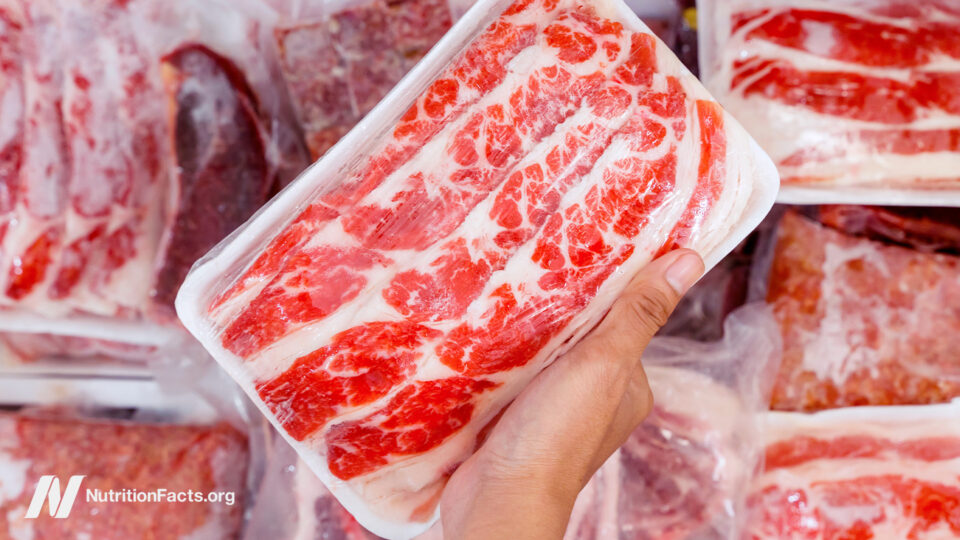
Harvard’s Healthy Eating Plate recommends protein-rich foods such as beans, nuts, fish, and poultry, while advising people to limit red meat and avoid processed meats. Harvard also notes that not all protein food sources are created equal.
For plant-based eaters, soy can be especially useful because Harvard notes that soy protein is a complete protein containing all nine essential amino acids.
So the better question is not only “Am I getting enough protein?”
It is also:
“Am I getting protein from good overall sources?”
Where glutathione fits in
This matters in the glutathione conversation too.
Glutathione is made from amino acids, so protein intake matters because amino acids are the building blocks your body uses for many critical compounds and processes. MedlinePlus and Harvard both emphasize that proteins are essential building materials used throughout the body for structure, regulation, and function.
That is one reason protein matters for more than muscle.
It helps support the deeper systems underneath the surface too.
(Click here for a special promo on Purality Health’s Glutathione for readers like you!)
The bottom line
Protein matters for far more than muscle growth. Your body needs it to build and maintain tissues, make enzymes and hormones, carry oxygen in the blood, support immune cells, and keep many core functions running the way they should.
That is why protein is not just a gym nutrient.
It is a whole-body nutrient.
The post Why Protein Matters for More Than Just Muscle appeared first on Purality Health® Liposomal Products.
What's Your Reaction?
 Like
0
Like
0
 Dislike
0
Dislike
0
 Agree
0
Agree
0
 Disagree
0
Disagree
0
 Excellent
0
Excellent
0
 Useful
0
Useful
0
 Great
0
Great
0