

























































Are Electrolytes Better Than Plain Water?


You finish a hard workout, step off a hot jobsite, or land after a long flight and chug water - but you still feel drained. That is usually the moment people start asking, are electrolytes better than plain water?
The honest answer is simple: sometimes yes, sometimes no. Plain water is essential and often all you need. But when you are sweating heavily, losing minerals, or trying to recover fast, electrolytes can do a better job of helping your body hold onto fluid and get back to normal.
Hydration is not just about how much you drink. It is also about what your body can absorb and use. If you are active, work outdoors, travel often, or deal with heat and sweat on a regular basis, that difference matters.
Are electrolytes better than plain water for hydration?
Water is the foundation. Your body needs it for temperature control, circulation, muscle function, and energy. If you are sitting at a desk in a cool room and eating normal meals, plain water is usually enough to stay hydrated.
But sweat changes the equation. When you sweat, you lose water and electrolytes, especially sodium and chloride, along with smaller amounts of potassium and other minerals. If you replace only the water and not the electrolytes, hydration can be slower and less effective, especially after long or intense activity.
That is why electrolytes are often better than plain water in situations where fluid losses are high. They help support absorption, encourage fluid retention, and reduce the chance that what you drink just passes through too quickly.
This does not mean every bottle of water should be replaced with an electrolyte drink. It means the right hydration tool depends on what your body is losing.
What electrolytes actually do
Electrolytes are minerals that help regulate fluid balance, nerve signaling, and muscle contractions. Sodium is the big one for hydration because it helps your body maintain the right amount of fluid inside and outside your cells.
That matters during exercise, physical labor, hot weather, and recovery. If sodium drops too much, you may notice fatigue, headaches, sluggishness, muscle cramps, or that washed-out feeling where water alone does not seem to help.
A well-formulated electrolyte drink gives your body what sweat takes out. Some formulas also include glucose, which can support faster absorption when balanced correctly. That is one reason isotonic hydration drinks are popular with endurance athletes and people working in the heat. They are designed to match what the body can absorb efficiently, without a lot of extra junk.
When plain water is enough
For everyday hydration, plain water still does the job. If your activity is light, the weather is mild, and you are eating regular meals, you are probably getting enough electrolytes from food.
Water also makes sense for short workouts. A quick walk, easy strength session, or light bike ride under an hour usually does not require anything more complicated.
There is also a practical point here: not every person who feels tired is low on electrolytes. Sometimes you need sleep, calories, or simply more total fluids. Electrolytes are helpful, but they are not magic.
When electrolytes are the better choice
The case for electrolytes gets stronger when sweat losses go up. If you are training hard, doing endurance work, playing sports in the heat, working outside for hours, or recovering after heavy sweating, plain water may not be enough.
This is especially true if you are a salty sweater. If your clothes dry with white streaks, your skin tastes salty after exercise, or you tend to cramp in the heat, you are likely losing a meaningful amount of sodium.
Electrolytes can also help during travel, illness with fluid loss, or long days when regular eating is off schedule. In those moments, hydration is not just about thirst. It is about restoring balance so you can feel and perform like yourself again.
For active adults, this is where the difference becomes noticeable. Better hydration can mean steadier energy, fewer cramps, stronger performance, and a smoother recovery instead of that flat, depleted feeling.
Are electrolytes better than plain water during exercise?
During exercise, the answer depends on duration, intensity, and heat. For shorter, easier sessions, water is usually enough. Once exercise gets longer, hotter, or harder, electrolytes become more useful.
Think of it this way: if you are sweating enough to lose both fluid and minerals, replacing only one side of the equation is incomplete. Water helps, but electrolytes help your body use that water more effectively.
That can matter during runs, long rides, team sports, high-intensity training, hikes, and physically demanding work shifts. It also matters afterward. Recovery is faster when you replace what you actually lost.
A clean electrolyte formula can be a smart fit here because it supports performance without loading you up with artificial colors, sweeteners, or unnecessary additives. If you care about what goes into your body, the ingredient label should work as hard as the formula.
The trade-off most people miss
There is a middle ground that gets overlooked. Not all electrolyte drinks are automatically better than water.
Some are packed with sugar, artificial ingredients, or flashy extras that do not improve hydration. Others are so low in sodium that they offer flavor more than function. If the goal is better hydration, the formula matters.
That is why clean, purpose-built options stand out. You want electrolytes in amounts that make sense, ingredients your body can use, and nothing there just for marketing. Pure hydration. No nonsense.
There is also such a thing as overdoing it. If you barely sweat and drink electrolyte products all day out of habit, you may be solving a problem you do not actually have. Hydration works best when it matches your real needs.
How to know what your body needs
Your body usually gives clear signals. If you feel good, your energy is steady, your urine is light yellow, and you are not dealing with headaches or heavy fatigue, your hydration is probably on track.
If you are drinking plenty of water but still feel depleted after sweating, that points toward electrolyte loss. Thirst that lingers, post-workout headaches, muscle tightness, dizziness in the heat, and sluggish recovery can all be clues.
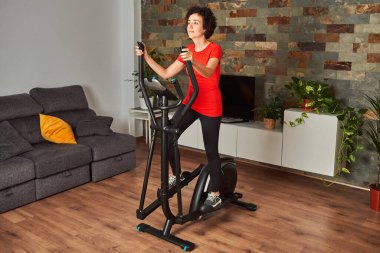
Your routine matters too. Someone doing 30 minutes on a treadmill in a cool gym has different hydration needs than someone roofing houses in July or running ten miles on a humid morning.
The best approach is practical. Use water for normal daily hydration. Add electrolytes when sweat loss, heat, exertion, or recovery demands more.
Choosing a better electrolyte drink
If you decide you need more than water, keep the checklist simple. Look for enough sodium to actually replace sweat losses, a formula designed for absorption, and ingredients that support hydration without artificial colors, flavors, sweeteners, caffeine, or filler.
This is where a trusted formula makes a real difference. Vitalyte has built its reputation on fast, clean hydration with an isotonic formula that has been trusted for more than 50 years. For people who want performance support without the nonsense, that kind of simplicity matters.
Convenience matters too. A product only works if you will actually use it, whether that means keeping stick packs in your gym bag, a pouch at home, or hydration ready for travel and long workdays.
So, are electrolytes better than plain water?
Sometimes they absolutely are. If you are dealing with sweat, heat, long workouts, physical labor, or tough recovery, electrolytes can outperform plain water because they help replace what your body is actually losing.
But water is still the baseline. It is enough for many everyday situations, and it should stay part of your routine. The smarter question is not whether one is always better. It is which one fits the moment.
When hydration needs are low, keep it simple. When your body is under real stress, give it more than plain water. The right drink at the right time can be the difference between just getting by and feeling ready for what is next.
What's Your Reaction?
 Like
0
Like
0
 Dislike
0
Dislike
0
 Agree
0
Agree
0
 Disagree
0
Disagree
0
 Excellent
0
Excellent
0
 Useful
0
Useful
0
 Great
0
Great
0