







































%20and%20Batch%20Production%20Records%20(BPR).png)









Why every potential SAFE Clear Aligner Diploma delegate is interviewed
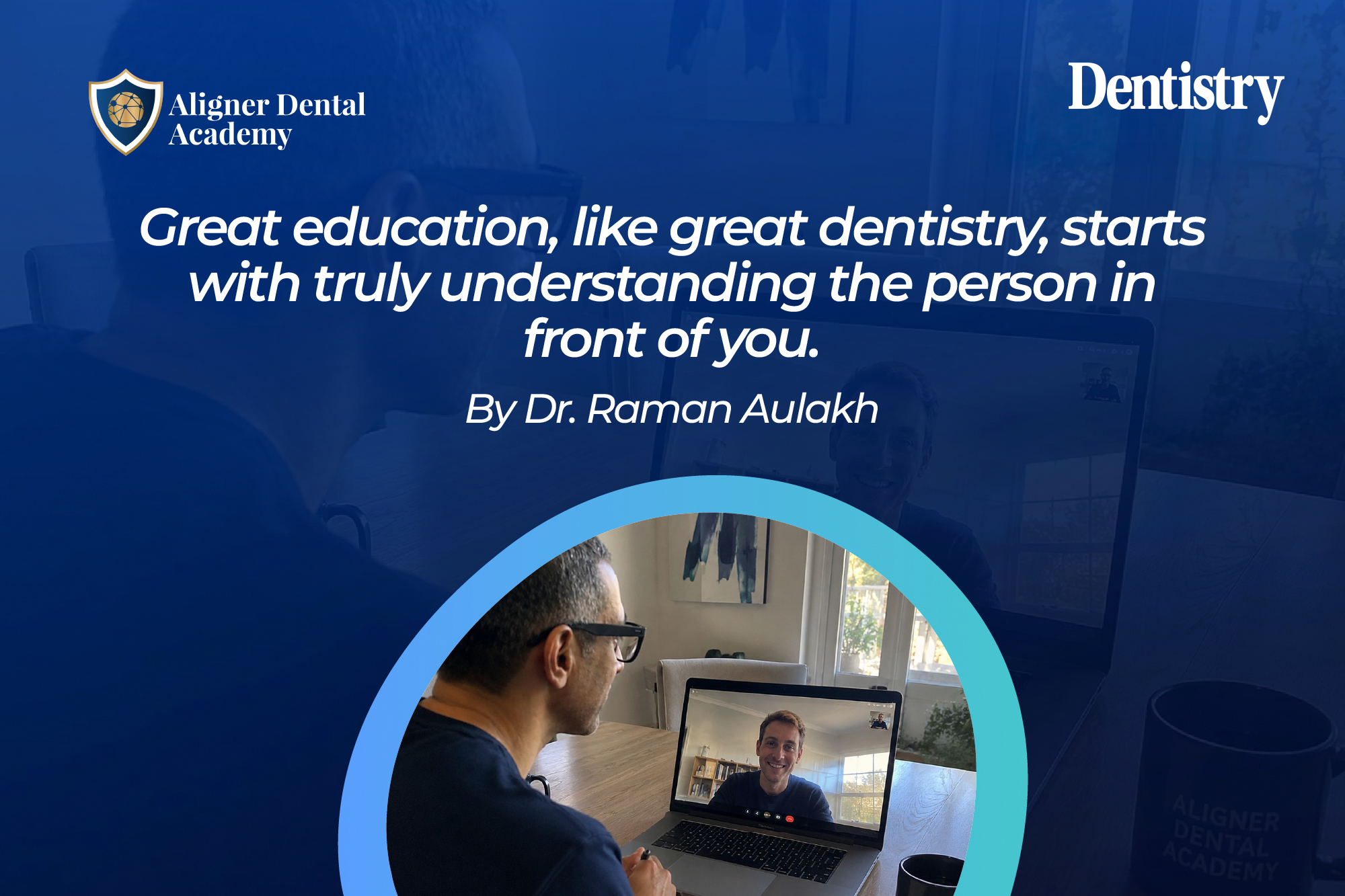
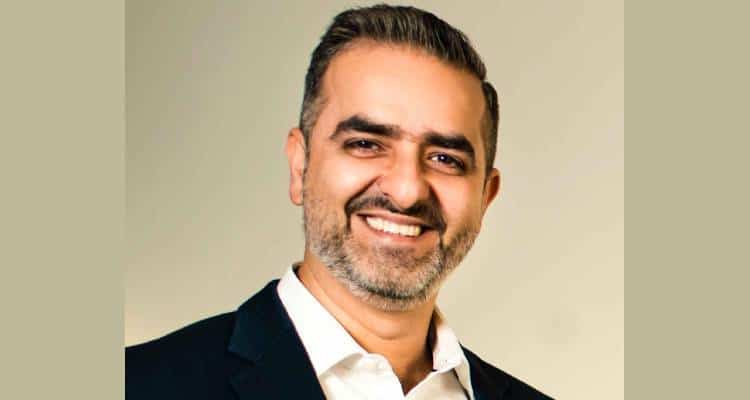
Raman Aulakh explains why every delegate is interviewed for the SAFE Clear Aligner Diploma and what the interviewers are looking for.
In dentistry, we would never begin treatment without first understanding the patient.
We listen, we assess, we diagnose. We explore what they want, what they understand, what they expect and whether the proposed treatment is genuinely appropriate for them.
Education should be no different.
That is why every potential delegate for the SAFE Clear Aligner Diploma is interviewed before joining. It is not a sales process. It is the first step in an educational relationship and often, the beginning of a mentor-mentee journey. To learn more about the Diploma, simply book an enrolment call at a time that suits you with one of our course directors, Dr Raman Aulakh or Dr Andy Toy.
Clear aligner therapy is not something a dentist ‘adds’ to their current practice. It requires diagnosis, judgement, communication, case selection, biomechanical understanding and the confidence to know when to proceed, when to pause, and when to ask for support. For that reason, choosing the right course matters. But so does choosing the right delegates.
The first thing to understand is the delegate’s ‘why‘
Adult learners do not arrive as blank pages. They bring experience, habits, anxieties, previous successes, and sometimes, difficult cases that have shaped how they now approach orthodontic treatment. One dentist may want to feel more confident reviewing a ClinCheck. Another may want to understand aligner biomechanics more deeply. Another may be looking to integrate orthodontics into wider restorative and aesthetic planning.
The interview helps us understand that motivation.
This matters because adult learning theory tells us that mature learners engage more deeply when education connects with their own experience, goals, and clinical reality. In other words, dentists learn best when they can see why the learning matters and how it will change what they do on Monday morning.
We are not looking for perfect answers. We are listening for purpose.
- Does the dentist want more cases, or better cases?
- Do they want shortcuts, or principles?
- Do they want to be told what to click, or do they want to understand why they are clicking?
Those are very different starting points.
The second reason for interviewing is to protect the learning environment
A strong postgraduate programme is built by the faculty and by the people in the room.
The SAFE Diploma is interactive. Delegates discuss cases, challenge ideas, share experiences and learn from one another. That only works if the group is engaged. We want delegates who will contribute, not simply consume. We want clinicians who are prepared to ask questions, show cases, reflect honestly, and support their peers.
This idea is well recognised in education through the concept of communities of practice: groups of professionals who learn and improve through shared activity, discussion, and reflection. In clear aligner therapy, this is particularly important. Many of the most valuable learning moments come not from polished cases, but from honest conversations about what did not track, what was missed, or what could have been planned differently. The WhatsApp group the delegates belong to becomes a formidable resource and support system.
For that to happen, delegates need to feel safe.
Psychological safety is essential in clinical education. Dentists will not ask questions if they fear embarrassment. They will not share uncertainty if they feel judged. Yet uncertainty is often where real learning begins.
Understanding culture
The interview gives an early opportunity to explain the culture of the diploma. It is rigorous, but supportive. Evidence-based, but practical. Challenging, but human. We expect delegates to think, engage, and reflect, but we also make it clear that they are not expected to know everything before they arrive.
That is the point of education.
The interview also allows us to manage expectations honestly. The SAFE Clear Aligner Diploma is not a weekend course, a collection of tips and tricks, or a shortcut to confidence. It is designed to develop clinical thinking. It includes structured teaching, case discussion, mentoring, assessment, and support. Delegates need to know what the programme involves and what level of commitment it requires.
This is important because good education depends on alignment. The learner’s goals, the course outcomes, the teaching methods, and the assessment process all need to point in the same direction. When expectations are clear from the beginning, the learning experience is stronger.
Finally, the interview begins the mentoring relationship
Mentoring should not be considered only for answering clinical questions. It is a developmental relationship built on trust, honesty, and continuity. A mentor helps a clinician grow in judgement, not just knowledge. That cannot begin with a login code or a set of modules. It begins with a conversation.
- Where are you now?
- Where do you want to be?
- What cases are you treating?
- Where do you feel exposed?
- What would confidence look like for you?
Those questions help us understand how best to support each delegate. The diploma is not a box-ticking exercise. We are honest about readiness because we only want dentists to enrol if we know they will thrive.
Ultimately, this is about patient care. Clear aligner therapy is more accessible than ever, but accessibility must not be confused with simplicity. Dentists need to assess comprehensively, plan biologically, communicate ethically and understand their limitations.
The SAFE approach places clear aligners within comprehensive dentistry. It is about structure, aesthetics, function, and biology, and about helping dentists make better decisions for their patients.
That is why we interview every potential delegate.
Because the right conversation at the beginning helps create the right learner, the right cohort, and the right educational relationship.
And in the end, better education leads to better dentistry.
References
- Aulakh R. Making an IMPACTT: A framework for developing a dentist’s ability to provide comprehensive dental care. BDJ In Practice. 2022.
- Mukhalalati BA, Taylor A. Adult learning theories in context: a quick guide for healthcare professional educators. Journal of Medical Education and Curricular Development. 2019.
- Wenger E. Communities of practice and social learning systems.
- Biggs J. Constructive alignment in university teaching. HERDSA Review of Higher Education. 2014.
- Hill SEM, Ward WL, Seay A, Buzenski J. The nature and evolution of the mentoring relationship in academic health centers. Journal of Clinical Psychology in Medical Settings. 2022.
This article is sponsored by Aligner Dental Academy.
Apa Reaksi Anda?
 Suka
0
Suka
0
 Kurang Suka
0
Kurang Suka
0
 Setuju
0
Setuju
0
 Tidak Setuju
0
Tidak Setuju
0
 Bagus
0
Bagus
0
 Berguna
0
Berguna
0
 Hebat
0
Hebat
0