





















Computer vision expected to improve cage-free layer house management

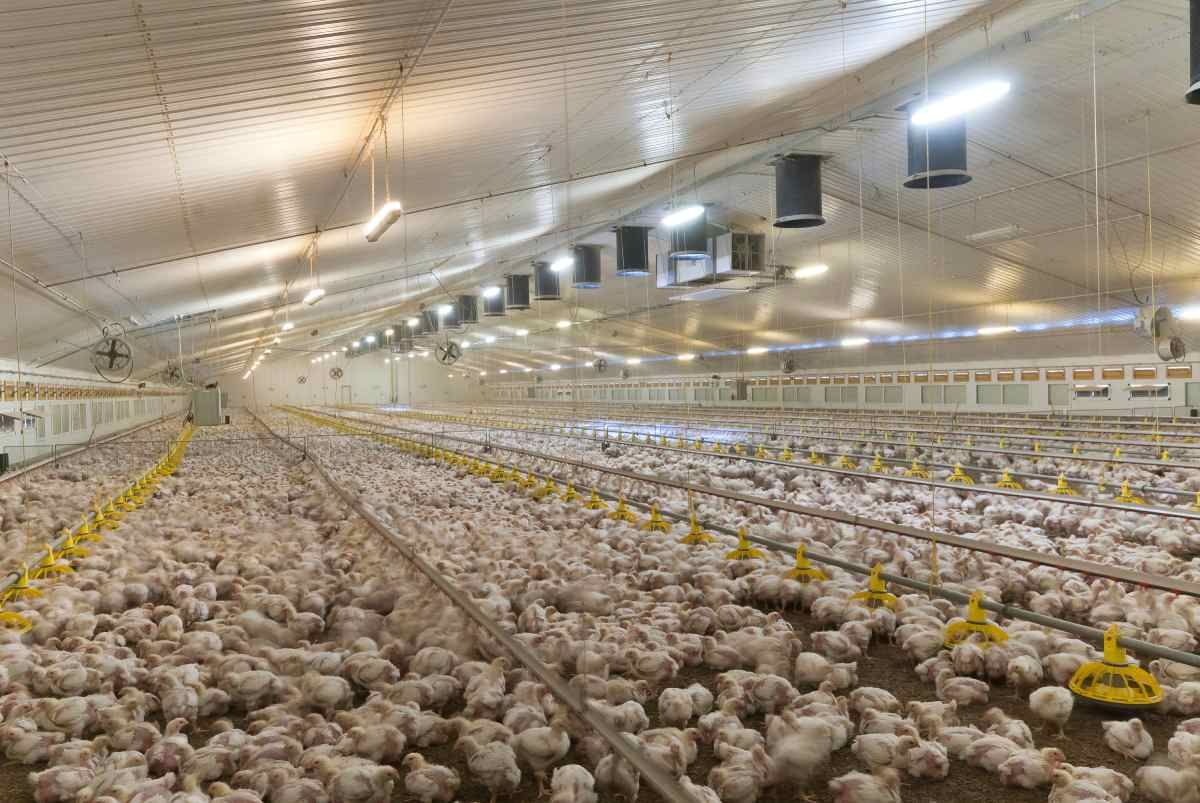
Future cage-free layer-hen facilities are expected to include computers and robotic technologies to help farmers avert costly problems such as piling, severe pecking and floor eggs.
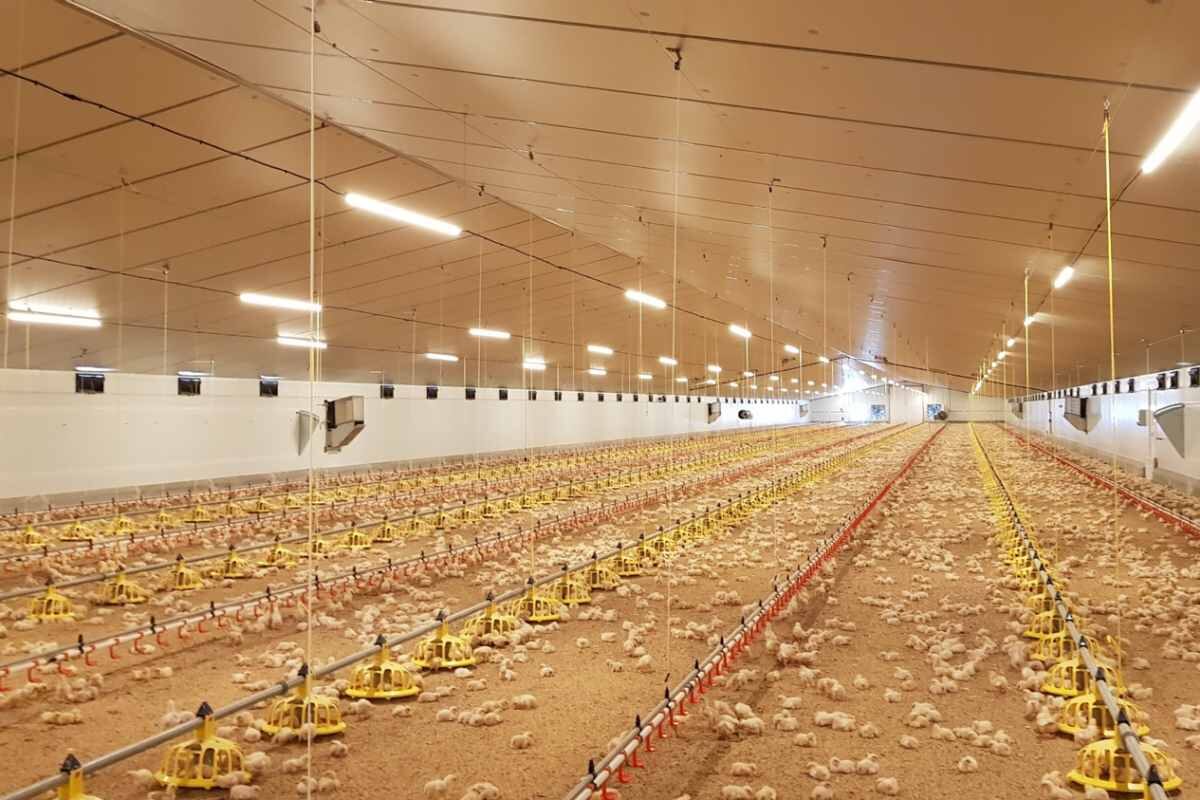
“Cage-free is now 40% of the egg-layer market due to public concern about animal welfare,” stated Lilong Chai, PhD, associate professor of poultry science, University of Georgia (UGA). “But the current system still has animal welfare issues, like pecking that leads to bird injury. Consequently, mortality rates in cage-free systems have doubled.
“The poultry lab at UGA is using machine vision, computers and robotic technology to help monitor and manage these issues,” he continued. “The technology is called computer vision.”
Chai discussed research on computer vision during a presentation at the 2026 Annual Egg Industry Issues Forum.
Machine learning
“The basic principle of computer vision is that we first use a camera to collect videos of chickens and label the chicken behavior, like pecking and foraging,” Chai explained. “Then we train the computer model on what chickens are doing. Sometimes, we use thousands of pictures to train a small model. Then the model is tested and validated.”
Today, the lab conducts real-time analysis using computer models to detect up to 300 chickens and analyze individual behaviors.
“Our students developed a model to automatically track pecking injuries and behavior,” he said. “For example, if the computer detects a blood spot on a White Leghorn, we can put lotion on the spot so the bird will recover. The lotion smells so bad that other birds won’t peck the injured bird and kill it.”
The computers are also trained to detect dead birds and alert workers to their locations. “Our chicken camera models can monitor chicken houses 24/7 and very easily detect dead chickens on the floor based on bird posture,” Chai explained. “Farmers want to get rid of dead birds as soon as possible for necropsy analysis or other diagnostic testing. Computer vision can help improve flock health management.
“Piling is another headache for farmers,” he continued. “High piles lead to dead or injured birds at the bottom. With computer vision, we can detect piling behavior and inform farm managers to check on it. Or we can use a robot to move the birds away.”
Mislaying behavior and floor-egg issues
Mislaying behavior also causes piling and other problems in cage-free hen housing. Chai said some of the first cameras installed in UGA’s cage-free housing documented hens competing for the same spot to lay eggs.
“Hens like a spot with a dark environment and deep litter,” he noted. “Thus, up to 50 birds may simultaneously try to compete for that spot to lay eggs in cage-free houses, which leads to piling.
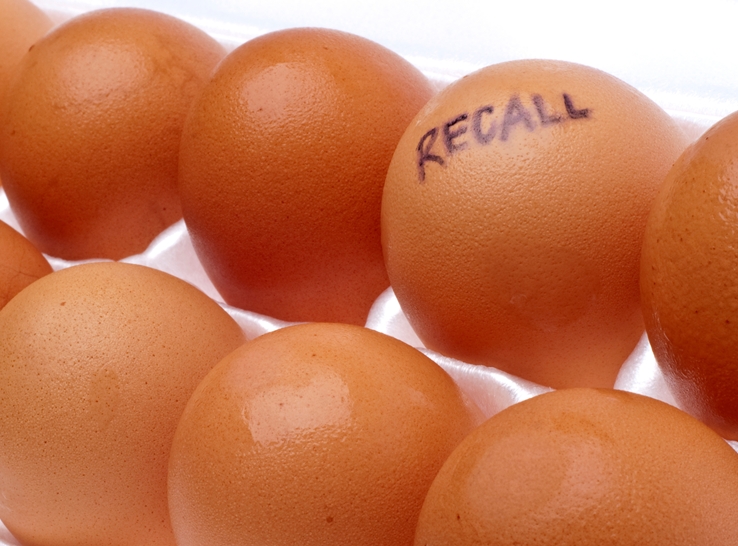
“We know eggs laid on the floor could be contaminated by bacteria,” he continued. “And the eggs on the floor should be collected promptly because floor-laying is a learned behavior. If other birds see the eggs on the floor, they think it’s a natural space, and they all go lay eggs there.
“The farm staff collects eggs frequently, but sometimes they may miss one or two that become buried in deep litter. If the farm staff found buried eggs from last month, they don’t know that, and then it becomes a food safety issue.”
To better study laying behavior, Chai’s students built a small cage-free facility at UGA and used video to track bird behaviors. They were able to identify where birds preferred to lay eggs and measure how long it took to lay the eggs.
“Sometimes it took 20 minutes, and sometimes 40 minutes, to lay an egg,” he said. “By quantifying the time, we can run a robot in a chicken house to disturb birds on the floor and nudge them, so they don’t have enough time to lay the eggs there.”
Chai also tested a roving robot that successfully detected all the eggs and dead birds on the floor in a breeder house. He hopes to test it next in a commercial cage-free laying-hen house.
‘Patient ladies’
Machine vision picked up another hen-laying behavior that Chai calls the “patient ladies.” These are hens that stand in front of nesting boxes and wait patiently for other birds to come out. They do not lay eggs on the floor.
“From a genetic standpoint, that’s a very good thing,” he said. “I shared this information with scientists to see if the genotype of this bird is different from that of other birds. Maybe we can improve the genetic breeding.”
Footpad monitoring
Cage-free housing can lead to serious footpad issues. To address it, Chai’s students developed a device using a GoPro camera to photograph the bottom of hens’ feet as they jump to the top tier of the nesting area.
“We can scan footpad lesions automatically and rate them 0, 1 or 2,” he said. “If it’s 1, then we can do something about it, such as replace or add more wood shavings. But don’t wait until the situation becomes a score of 2 because, by then, it can be too late.”
New robotic options
Chai’s lab and many others are working on robots, including some that walk chicks to increase feed conversion, reduce floor eggs, collect eggs and disinfect chicken houses
Some robotic products are already on the market. The autonomous Octopus Robot XO has been designed to loosen and turn litter, sanitize and disinfect it, and monitor the environment and birds.
Another robot called the Scout hangs from the ceiling to monitor temperature, humidity, air speed, air quality, sound levels, light intensity and even bird distribution. University of Tennessee researchers conducted research on it.
“In the future, I would like to develop both ceiling and ground robots paired with different cameras and a thermal camera so we can track where a chicken is located,” Chai said. “The farm staff can find the injured bird for treatment and locate floor eggs for timely collection.
“I’ve talked to a lot of farmers, and some don’t like to use computers, but they use smartphones,” he added. “So, we could share everything on the smartphone. Farm staff can tap the phone to see where in the chicken house they need to go if any alerts are found.
“We are not replacing farm workers. We are supporting farm workers with AI and robotic technologies to do better work to improve the welfare of both the chickens and the farm staff.”
The post Computer vision expected to improve cage-free layer house management appeared first on Modern Poultry.
Apa Reaksi Anda?
 Suka
0
 Kurang Suka
0
 Setuju
0
 Tidak Setuju
0
 Bagus
0
 Berguna
0
 Hebat
0