



































US chicken production growth to slow to 0.6% in 2027
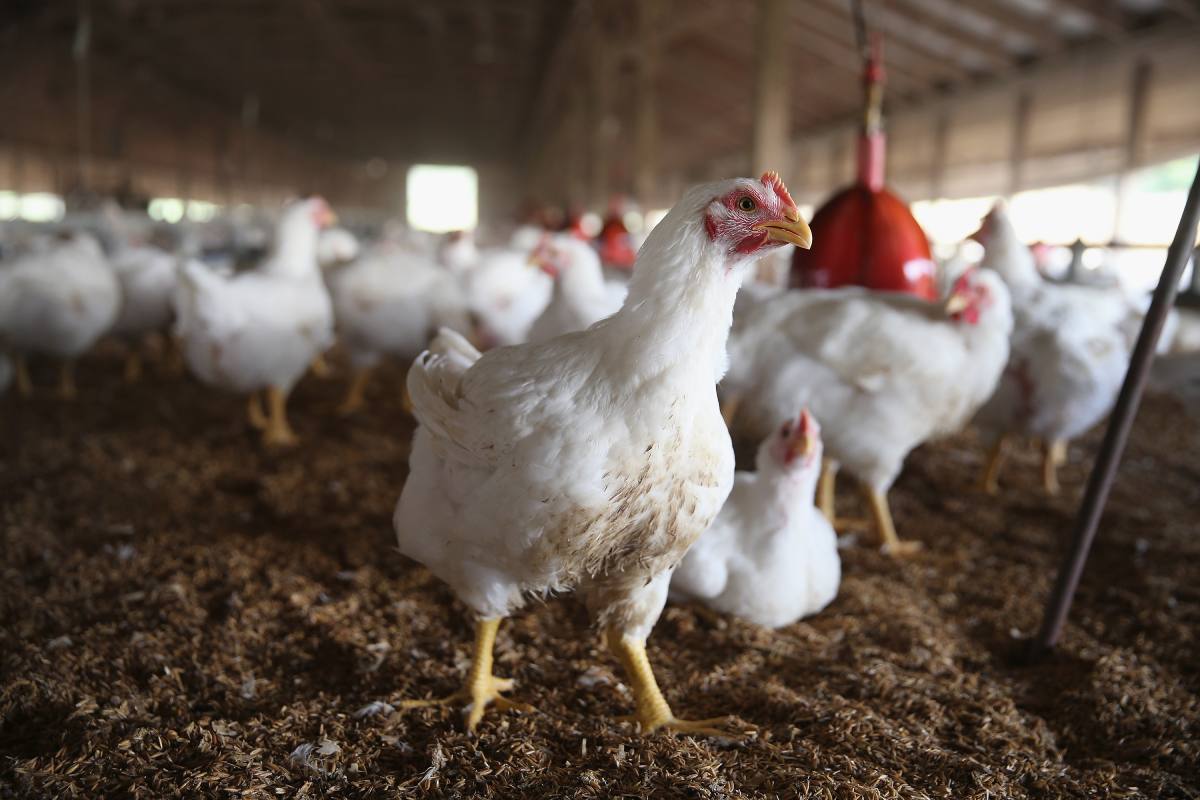
RaboResearch forecasts a sharp slowdown in US chicken production growth as the industry adjusts supply to weaker domestic demand. Breast meat prices remain under pressure, while dark meat and exports are holding up better.
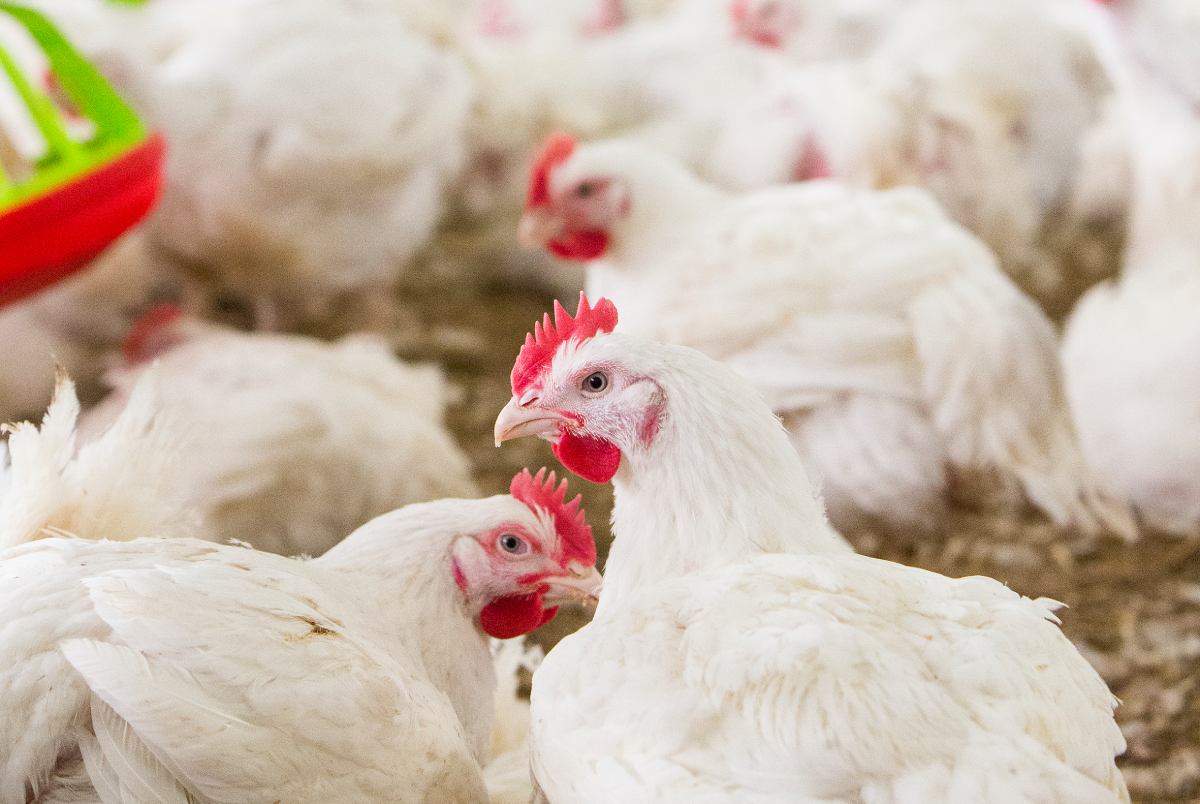
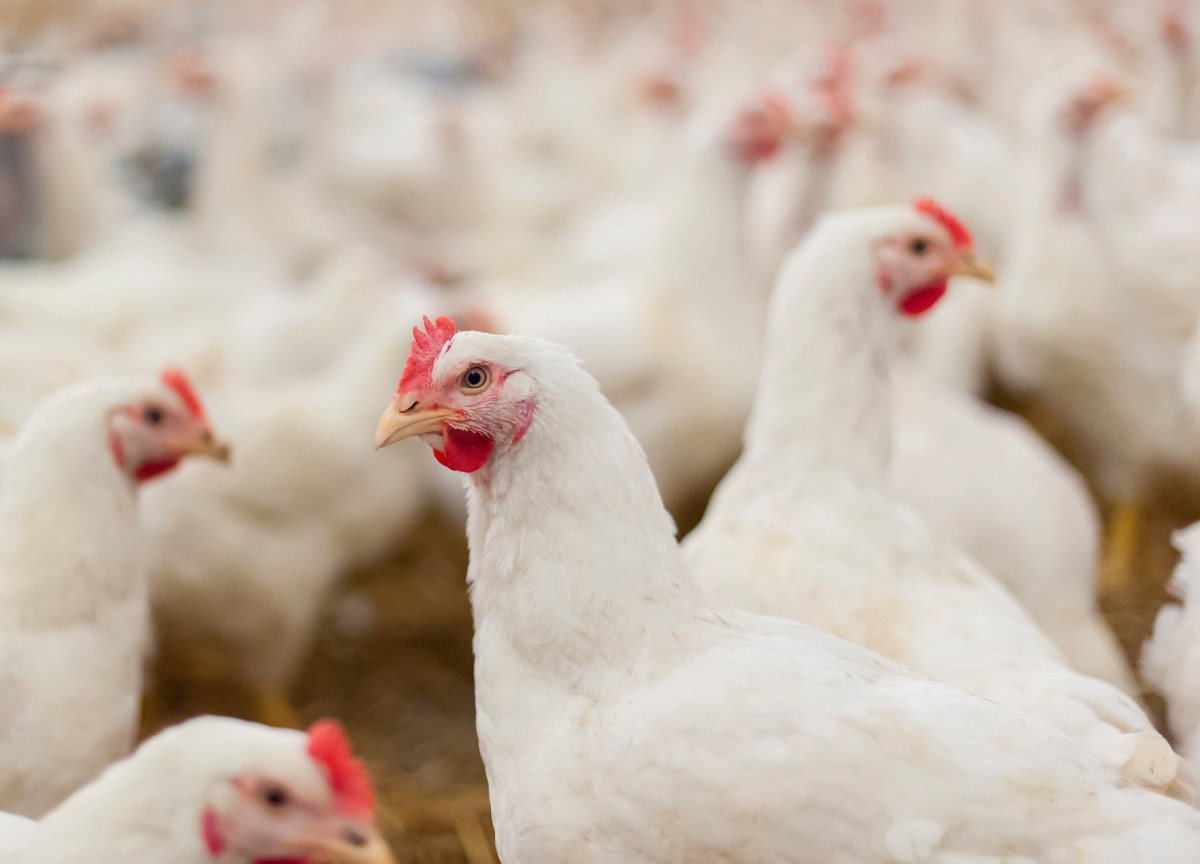
US ready-to-cook (RTC) chicken production is forecast to grow by just 0.6% in 2027, down from an estimated 2.8% in 2026. In its latest North American Agribusiness Quarterly, RaboResearch reports that chicken supplies have been exceeding domestic retail and foodservice demand, prompting the industry to slow production growth.
RTC production rose 2.2% year on year in the third quarter of 2026, helped by increased output and improved bird livability. Weekly slaughter has since declined, with a noticeable slowdown beginning in September. Chicken inventories are still at manageable levels, standing 5% below a year earlier.
Breast prices lag behind dark meat
Jumbo boneless breast and tender prices remain depressed. Foodservice demand has been inconsistent, and retail sales continue to favour value products supported by promotions.
Dark meat prices are above year-earlier levels, supported by stronger domestic demand and steady exports. The outlook for wings is less favourable, given continued weakness in foodservice and fewer promotional features involving wings.
RaboResearch expects inventories to begin normalising in the first quarter of 2027. Chicken prices are forecast to recover seasonally and move back towards trend levels during the first half of the year.
Commodity chicken margins should also improve in the final quarter of 2026, helped by tighter supplies and some moderation in raising costs.
Broiler exports gain ground
US broiler exports rose 9% in volume and 10% in value in September 2026 compared with the same month a year earlier.
Shipments to Mexico increased by 4.8%, and exports to China jumped 65%. Cuba, Angola, the Dominican Republic, Haiti and Colombia also recorded double-digit growth. Exports to Canada, Taiwan and the Philippines declined.
Geopolitical tensions and further outbreaks of highly pathogenic avian influenza could disrupt trade with individual markets. Recent currency movements and policy changes have also favoured Brazilian chicken exports, making them more competitive relative to US products.
Source: RaboResearch Food & Agribusiness, North American Agribusiness Quarterly Q4 2026, November 2026.
Apa Reaksi Anda?
 Suka
0
 Kurang Suka
0
 Setuju
0
 Tidak Setuju
0
 Bagus
0
 Berguna
0
 Hebat
0