



















































The Intangible Ingredient


When skincare carries more than what’s listed on the label
Standfirst
What if the most powerful ingredient in your skincare wasn’t listed on the label?
Across a new generation of conscious beauty brands, formulation is becoming more than chemistry. Alongside botanicals, actives and clinical innovation, some creators are weaving in intention—through meditation, crystal infusion, prayer, frequency-based practices and energetic ritual. It’s a movement that draws from ancient healing traditions while intersecting with modern conversations about nervous system health, touch and the mind–body connection.
Whether viewed as spiritual, sensory or symbolic, the rise of energetically infused skincare reflects a deeper shift: from routine to ritual, from product to experience, and from skin care to self-care.
Beyond the Ingredients List
There is something quietly changing in the way we think about skincare.
For decades, the conversation has centred on what can be measured—active ingredients, clinical efficacy, molecular size and delivery systems. We’ve become educated consumers, fluent in the language of retinoids, antioxidants and barrier repair.
Yet alongside this science-led approach, another philosophy is gaining momentum. One that suggests the value of a product may extend beyond what can be seen on the label.
Across a growing number of conscious beauty brands, formulation is no longer viewed as purely chemical. It is becoming experiential—woven with intention, ritual and what many describe as energetic influence.
Not measurable in milligrams. Not visible in the INCI list. Yet, for those who create and use these products, deeply meaningful.
Research Highlight
Stress slows skin repair
Studies have shown that psychological stress can delay skin barrier recovery and slow wound healing, reinforcing the importance of relaxation and ritual in supporting skin health.
From Ancient Healing to Modern Ritual
The idea that intention matters is far from new.
Traditional healing systems—including Ayurveda, Traditional Chinese Medicine and many Indigenous cultural practices—have long described the body as more than physical. These systems recognise forms of life force energy, known by different names: prana, qi, spirit.
Plants themselves were often selected not only for their biochemicIbal properties, but for their energetic qualities—whether calming, stimulating or balancing.
Today, these philosophies are re-emerging in contemporary wellness culture. Not as replacements for science, but as companions to it.
Modern skincare rituals, particularly those rooted in spa traditions, have always recognised the value of presence—slow application, intentional touch, sensory immersion. What we are now seeing is a conscious effort to bring those elements into the product itself.
Research Highlight
Scent changes the brain
Essential oils interact with the limbic system—the part of the brain linked to emotion, memory and stress regulation—helping explain why aromatic rituals can influence mood before they influence skin.
Why Energy and Intention Are Entering Skincare
Part of this shift reflects a broader cultural movement.
Consumers are no longer seeking only results. They are seeking experiences—moments of connection in an increasingly fast-paced world.
Skincare, by its nature, is tactile and intimate. It is one of the few daily rituals that involves direct touch, repeated over time. That makes it uniquely positioned to support not only skin health, but emotional wellbeing.
When intention is introduced into this process—whether through mindful formulation, sound frequencies, crystal infusion or prayer—it adds another layer to the experience.
Even for those who remain sceptical of energetic explanations, the emotional impact of ritual is difficult to dismiss.
Because ritual changes behaviour.
And behaviour changes biology.
The Ritual Effect
There is growing recognition that how we apply skincare may matter just as much as what we apply.
The act of slowing down, breathing deeply and engaging the senses activates the parasympathetic nervous system—the body’s rest and restore state. This shift reduces stress hormone output, supports immune function and encourages repair processes.
Aromatherapy research demonstrates that scent molecules influence brain regions associated with memory, emotion and stress response. This helps explain why a product can shift mood before it shifts skin.
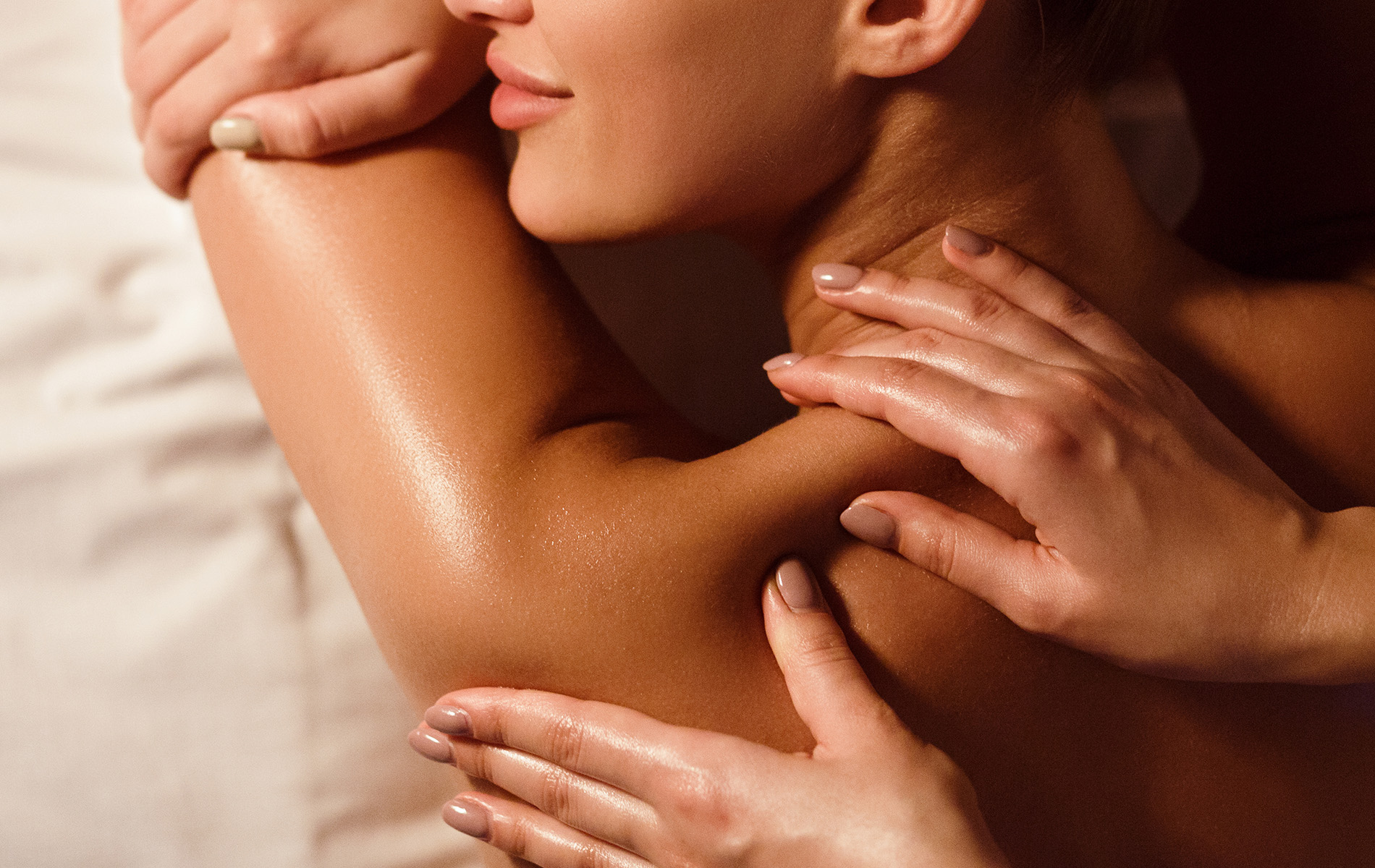
Touch also plays a powerful role. Gentle pressure on the skin stimulates nerve endings that communicate directly with the brain, reinforcing relaxation pathways.
In this way, skincare becomes more than topical—it becomes neurological.
Research Highlight
Touch signals safety
Gentle, slow touch stimulates nerve pathways associated with calm and emotional regulation, helping lower heart rate and support a relaxation response.
Science Explainer — Biofield, Intention and Emerging Research
Many discussions about energetic skincare draw on the concept of the biofield—a proposed field of energy and information surrounding living organisms.
While still considered an emerging scientific area, biofield-based practices such as Reiki, therapeutic touch and qigong have been studied in clinical settings. Some research suggests these therapies may help reduce anxiety, improve mood and enhance overall wellbeing when used alongside conventional care.
Researchers believe multiple mechanisms may contribute:
• Nervous system regulation — relaxation responses shift the body into parasympathetic mode.
• Expectation and belief — the placebo effect demonstrates measurable physiological changes based on expectation alone.
• Stress reduction — reduced cortisol supports immune health and tissue repair.
Importantly, the existence of subtle energy fields remains scientifically debated, and more high-quality research is needed to fully understand these mechanisms.
What is widely accepted, however, is that ritual, attention and relaxation measurably influence wellbeing—and these factors alone may support healthier skin.
Research Highlight
The nervous system supports skin health
When the body shifts into a more relaxed state, inflammatory responses decrease and repair processes increase—supporting stronger, healthier skin function.
Can Intention Influence Matter?
One of the more fascinating questions in this space is whether intention itself can influence biological systems.
Research exploring mind–body interactions continues to expand, particularly in areas such as meditation, placebo responses and psychoneuroimmunology—the study of how thoughts and emotions influence immune function.
We know that emotional states affect inflammatory processes. We know that stress impairs wound healing. We know that relaxation improves recovery.
So while the idea of energetically infused skincare may sound abstract, the connection between emotional state and skin health is not.
Stress, after all, is one of the most underestimated drivers of skin dysfunction—linked to inflammation, impaired barrier function and delayed healing.
Anything that reduces stress has the potential to benefit skin.
Whether that reduction comes from chemistry, ritual or belief.
Frequency Explainer — Understanding Frequency-Based Wellness
Frequency-based wellness is grounded in the idea that the human body responds to vibration and sound. Every cell in the body produces measurable electrical activity, and research in areas such as vibroacoustic therapy and sound therapy suggests that specific frequencies may influence relaxation, stress response and nervous system regulation.
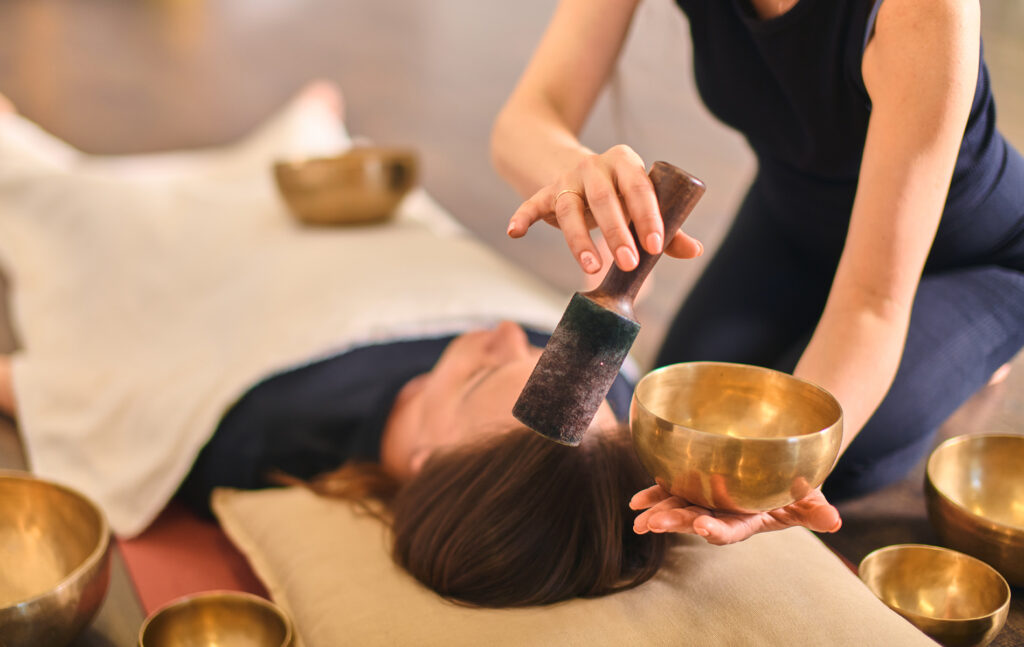
Practices such as sound healing, tuning fork therapy and vibroacoustic treatment have been explored in clinical and wellness settings. While research is ongoing, early findings suggest these approaches may support relaxation, reduce perceived stress and improve mood.
In skincare philosophy, frequency-based concepts are less about altering the chemistry of ingredients and more about enhancing the ritual experience—supporting calm, presence and sensory engagement during application.
Research Highlight
Frequency research is growing
Sound and vibration therapies are being studied in clinical and wellness settings for their potential to support relaxation, reduce perceived stress and improve mood.
The Role of Belief
Few scientific phenomena are as misunderstood as the placebo effect.
Often dismissed as psychological trickery, placebo responses demonstrate the extraordinary influence of belief on biology.
Research shows that expectation alone can alter pain perception, immune function and stress responses. These effects are measurable—not imagined.
In skincare, belief plays a powerful role.
When a ritual feels meaningful, calming or nurturing, it influences behaviour. Behaviour influences stress levels. Stress levels influence skin function.
In this way, belief becomes biology.
The Brands Leading the Conversation
Across Australia and internationally, several brands are exploring how intention and energetic philosophy can sit alongside botanical formulation.
Each approaches the concept differently—but all share a belief that skincare is more than a product. It is an experience.
Brand Spotlights
Sodashi
Where stillness becomes part of formulation
Founded in Western Australia, Sodashi has long been recognised for its deeply sensory botanical skincare and spa rituals.
Meditation and intentional stillness form part of its philosophy, reflecting the belief that presence influences the creation process. Treatments and products are designed to engage all senses—combining aroma, texture and touch in ways that encourage deep relaxation.
For many spa therapists, Sodashi represents a bridge between traditional holistic practices and modern botanical formulation.
Subtle Energies
Ancient wisdom meets modern skin science
Drawing inspiration from Ayurvedic traditions, Subtle Energies integrates ancient plant knowledge with contemporary cosmetic research.
Ayurveda considers plants not only for their chemical composition, but for their energetic and emotional influence. This philosophy is reflected in formulations that prioritise both sensory experience and visible results.
It’s a model that honours heritage while embracing innovation.
Synthesis Organics
Bioenergetic beauty from plant to product
Founded by Theme Rains, Synthesis Organics embraces a philosophy of bioenergetic skincare—where the energetic qualities of ingredients and environments are considered alongside formulation science.
Daily rituals and intentional practices form part of the brand’s identity, alongside a strong commitment to sustainability and botanical purity.
For many practitioners, the brand represents a deeper integration of plant science and energetic philosophy.
Shemana
Crystalline alchemy and sensory ritual
Shemana explores the relationship between crystals, aromatics and skincare ritual.
Through the use of crystal essences and aromatic blends, the brand aims to create products that support emotional wellbeing as well as skin health.
Whether interpreted energetically or symbolically, these practices encourage mindfulness—turning everyday skincare into a moment of presence.
The Arcturian
Skincare at the intersection of spirituality and beauty
Positioned at the more esoteric edge of the wellness landscape, The Arcturian represents a growing movement towards spiritually inspired skincare.
Blending botanical ingredients with metaphysical philosophy, the brand speaks to consumers seeking meaning, connection and intentional living.
For many, the attraction lies not only in performance—but in philosophy.
Alchemy of Healing
Where frequency meets formulation
Grounded in practitioner-led healing traditions, Alchemy of Healing integrates skincare with therapeutic ritual, drawing on frequency-based philosophies designed to support both skin health and energetic balance.
Central to the brand’s approach is the use of frequency-informed and vibrational principles, where products are created with the intention of supporting the body’s natural rhythms and energetic coherence.
While rooted in botanical formulation, the philosophy extends beyond ingredients alone—embracing the belief that frequency, intention and ritual can deepen the experience of skincare, transforming it into a moment of connection rather than simply correction.
Brand Comparison Table
| Brand | Philosophy | Energetic Method | Hero Ingredients |
|---|---|---|---|
| Sodashi | Holistic spa traditions | Meditation and intentional stillness | Sandalwood, rose, frankincense, calendula |
| Subtle Energies | Ayurvedic traditions with modern skin science | Prana-based energetic philosophy | Turmeric, neem, ashwagandha, sandalwood |
| Synthesis Organics | Bioenergetic skincare with sustainability focus | Intentional rituals during formulation | Kakadu plum, Davidson plum, finger lime |
| Shemana | Crystal and aromatherapy traditions | Crystal essences and vibrational ritual | Essential oils, aromatic botanicals, crystal essences |
| The Arcturian | Spiritual and vibrational wellness philosophy | Intention and vibrational practices | Botanical extracts, essential oils |
| Alchemy of Healing | Practitioner-led holistic philosophy | Frequency-based and vibrational ritual practices | Botanical oils, therapeutic essential oils, frequency-informed essences |
From Product to Ritual
Perhaps the most important shift happening in skincare today is not technological—but philosophical.
We are moving from efficiency to experience. From application to ritual. From treating skin as surface to understanding it as part of a complex, interconnected system.
In an age of speed and overstimulation, skincare offers something rare: permission to pause.
To touch.
To breathe.
To reconnect.
And perhaps that is the true intangible ingredient.
Not simply energy.
Not simply science.
But presence.
Pull Quotes
“Perhaps the most powerful ingredient in skincare isn’t chemical—it’s experiential.”
“Ritual transforms routine into regulation.”
“When skincare becomes intentional, it becomes neurological.”
“The future of beauty may not be faster or stronger—but more meaningful.”
The post The Intangible Ingredient appeared first on Spa & Wellness.
What's Your Reaction?
 Like
0
Like
0
 Dislike
0
Dislike
0
 Agree
0
Agree
0
 Disagree
0
Disagree
0
 Excellent
0
Excellent
0
 Useful
0
Useful
0
 Great
0
Great
0