




























































7 Preconception Tips: Preparing for a Healthy Pregnancy



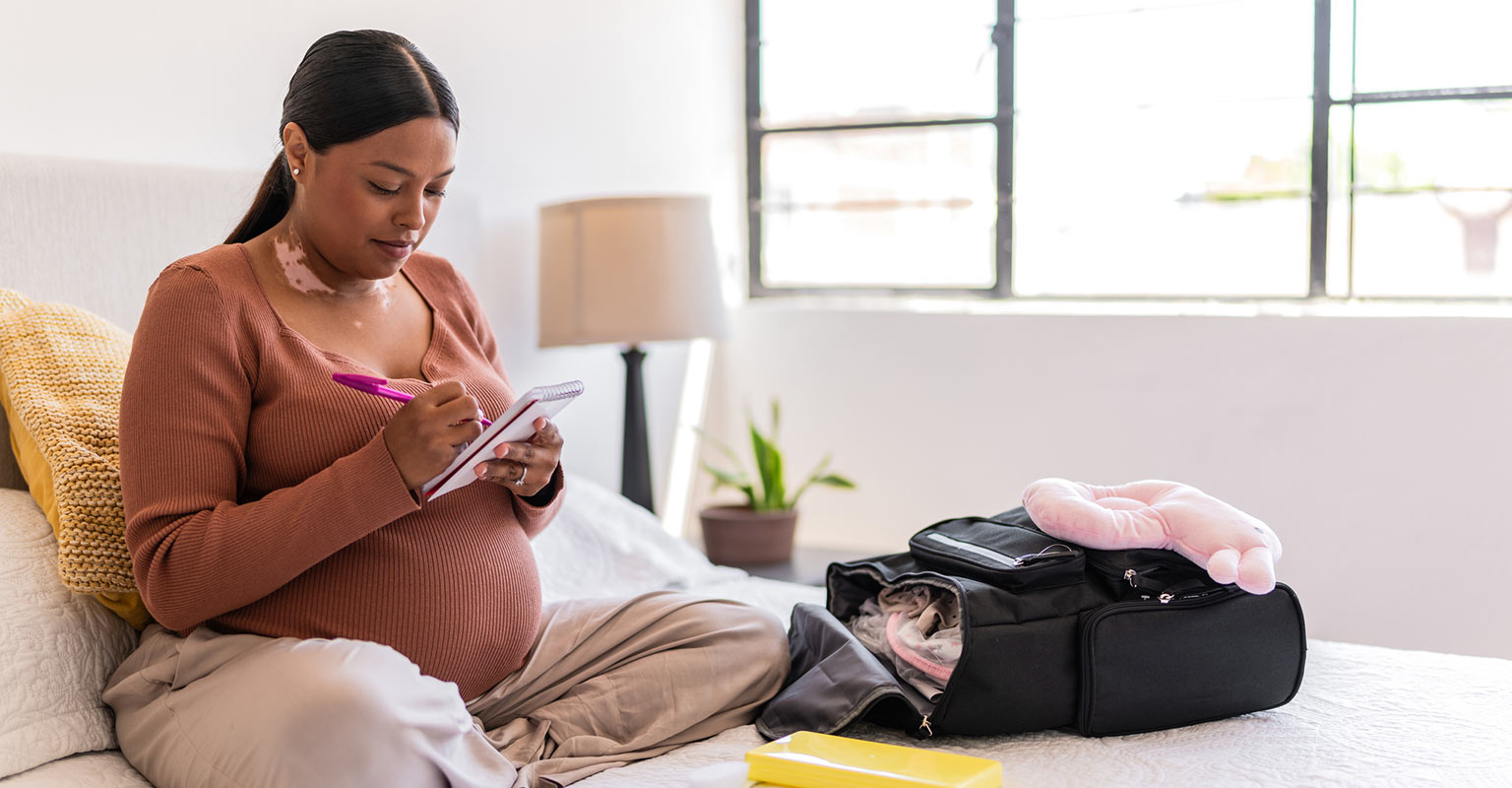
Only you know when you’re ready to try for a pregnancy, but there are a range of things you can do to improve your chances of conceiving a healthy, full-term baby.
Here are 7 preconception tips to start you on the path to parenthood!
7 Ways to Improve Your Chances of Getting Pregnant
1) Prepare Your Body
Studies have found that the healthier you are, both physically and mentally, the higher likelihood for conception. This also carries over into carrying your baby to full-term, and giving birth to a healthy baby. This information is true for those who get pregnant without assistance, as well as those who need fertility treatments.
It doesn’t seem like it, but something as simple as getting your body healthy for your baby is the most important thing you can do to begin the parenting journey.*
2) Consider Your Age
Your biological age, regardless of your sex, affects your fertility rate. The so called “biological clock” starts ticking for men around age 45, however for women, it begins at around 35. If you are under 34 years old, give yourself a full 12 months of trying to conceive before scheduling an appointment with a fertility specialist.
If you are 35-38 years old, give yourself six full menstrual cycles, and if you’re 38+, check with a specialist after 3 cycles of consecutive attempts to conceive.
3) Time conception with ovulation
If you’re tracking your ovulation, and waiting until you are actually ovulating to have intercourse, it is likely you are actually missing the fertility window. Because sperm live longer than eggs, we recommend having sex for the few days leading up to your ovulation, as well as a few days after to allow for you to take advantage of the whole ovulation window.
Read, When is the Best Time for Sex: Timing Intercourse for Conception, for details.
4) Have sex often
Research shows that couples who have sex more regularly, even outside of the “fertility window” get pregnant easier and more often.
5) Inform Your Male Partner About What He Can Do Too.
Men play an equally important role in conceiving, and having your partner prepare as well increase chances of conception. There are many things men can do to increase their fertility from losing weight and ceasing unhealthy lifestyle habits, to doing all he can to increase his sperm count and motility.
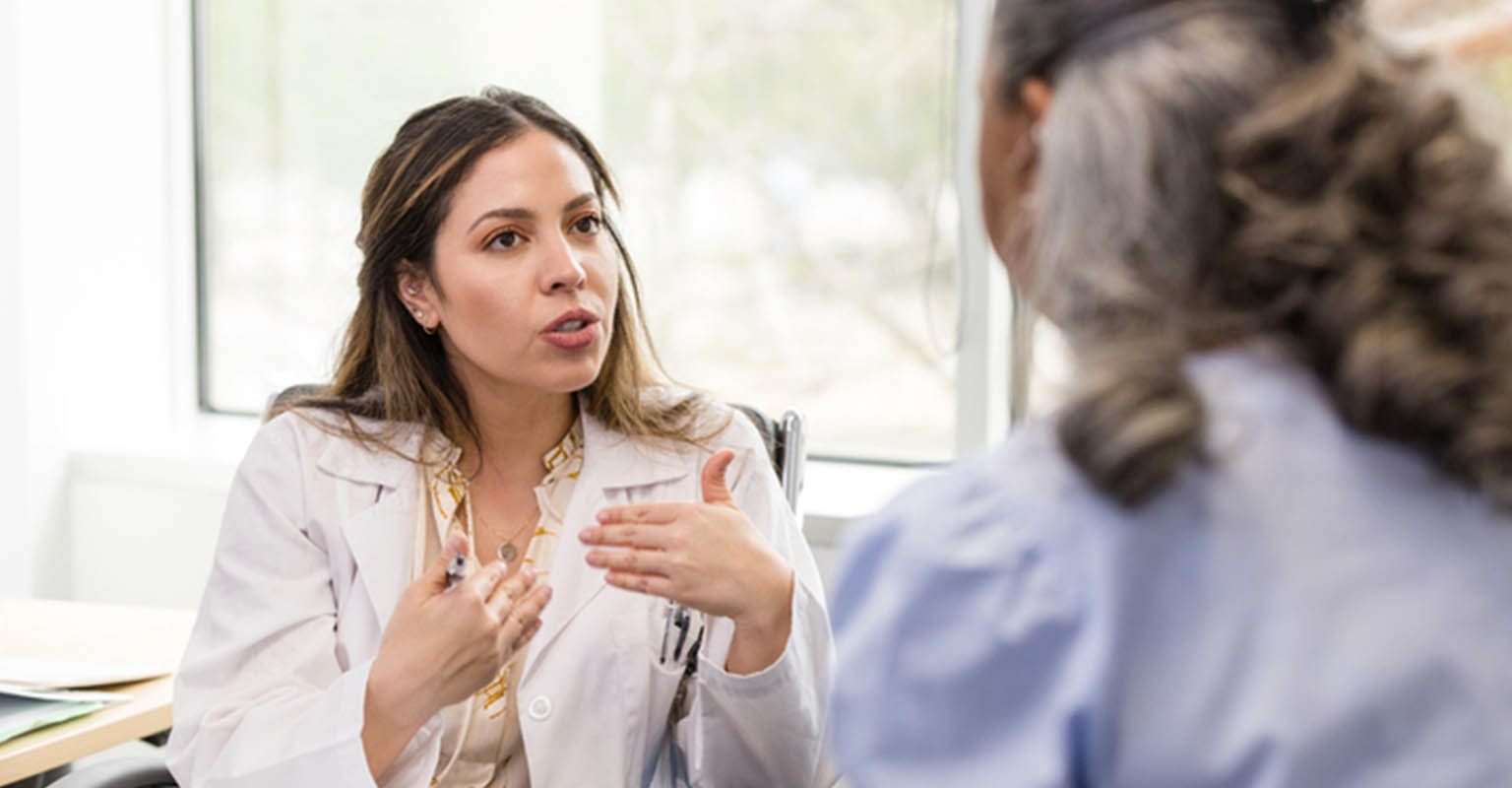
6) Make a Preconception Appointment with your OB/GYN
Your yearly visit to the OB/GYN is extremely important. Being at these appointments lets you learn all kinds of things, like whether your periods are normal or not, where any signs or symptoms of latent reproductive health issues will be flagged, and where you can get some initial advice about conception! Be completely honest with your gynecologist so that they can provide you with the BEST treatment tailored just for you.
7) Prioritize Your Mental Health
Your mental health should be just as important, and healthy, as your physical health when you are trying to conceive. Living a life full of stress is unhealthy normally, but current research has found that stress can cause issues with your fertility rates. Take the time to break your stress cycle by finding relaxation techniques that work for you. The less stress in your life, the better chance you have of conceiving.
If you think it is taking longer than you expected to get pregnant, check in with us here at the Reproductive Resource Center and schedule a fertility consultation.
The post 7 Preconception Tips: Preparing for a Healthy Pregnancy appeared first on Reproductive Resource Center Kansas City IVF.
What's Your Reaction?
 Like
0
Like
0
 Dislike
0
Dislike
0
 Agree
0
Agree
0
 Disagree
0
Disagree
0
 Excellent
0
Excellent
0
 Useful
0
Useful
0
 Great
0
Great
0