










































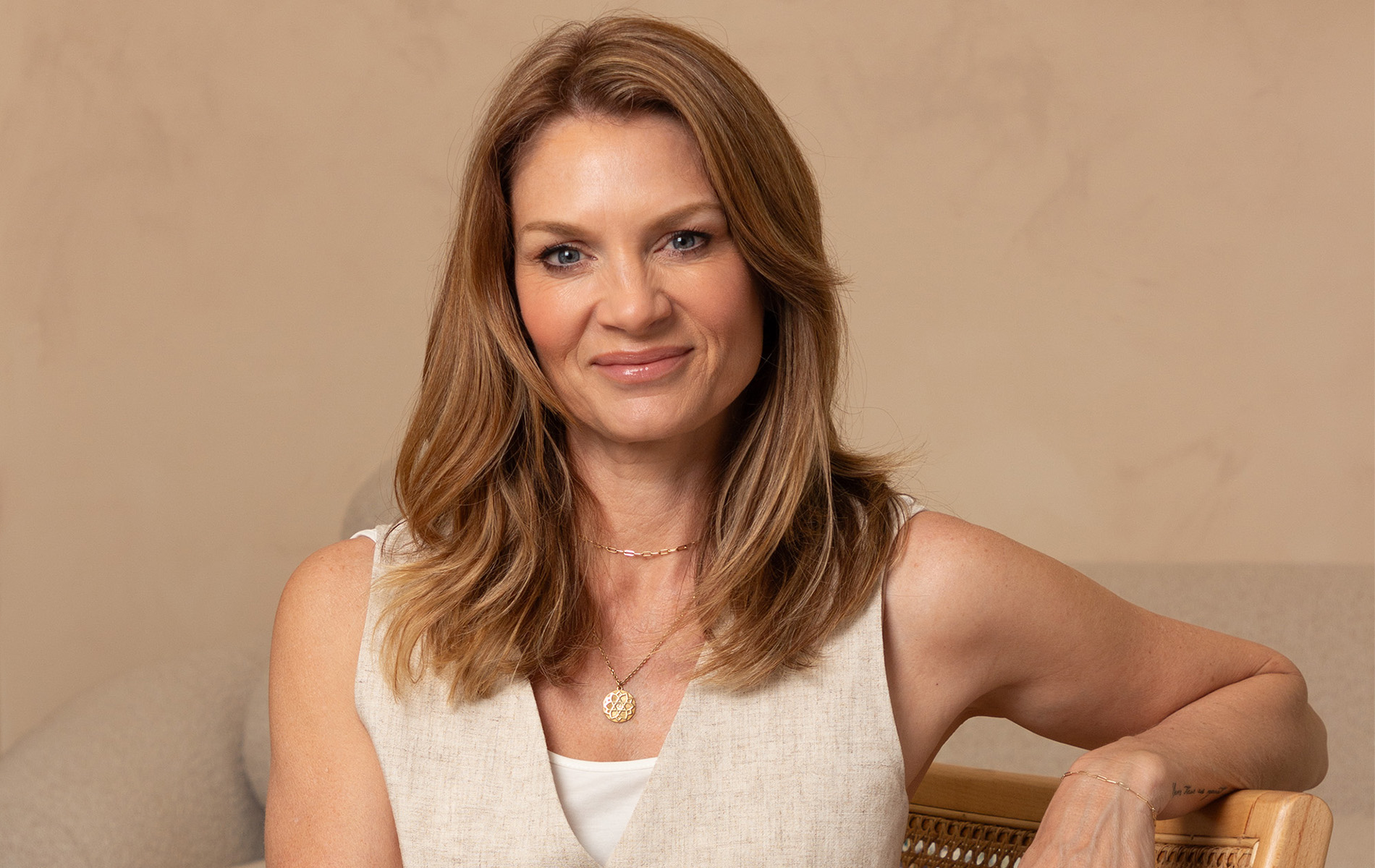




Interview with Dr Katherine Armour – Bespoke Skin Technology
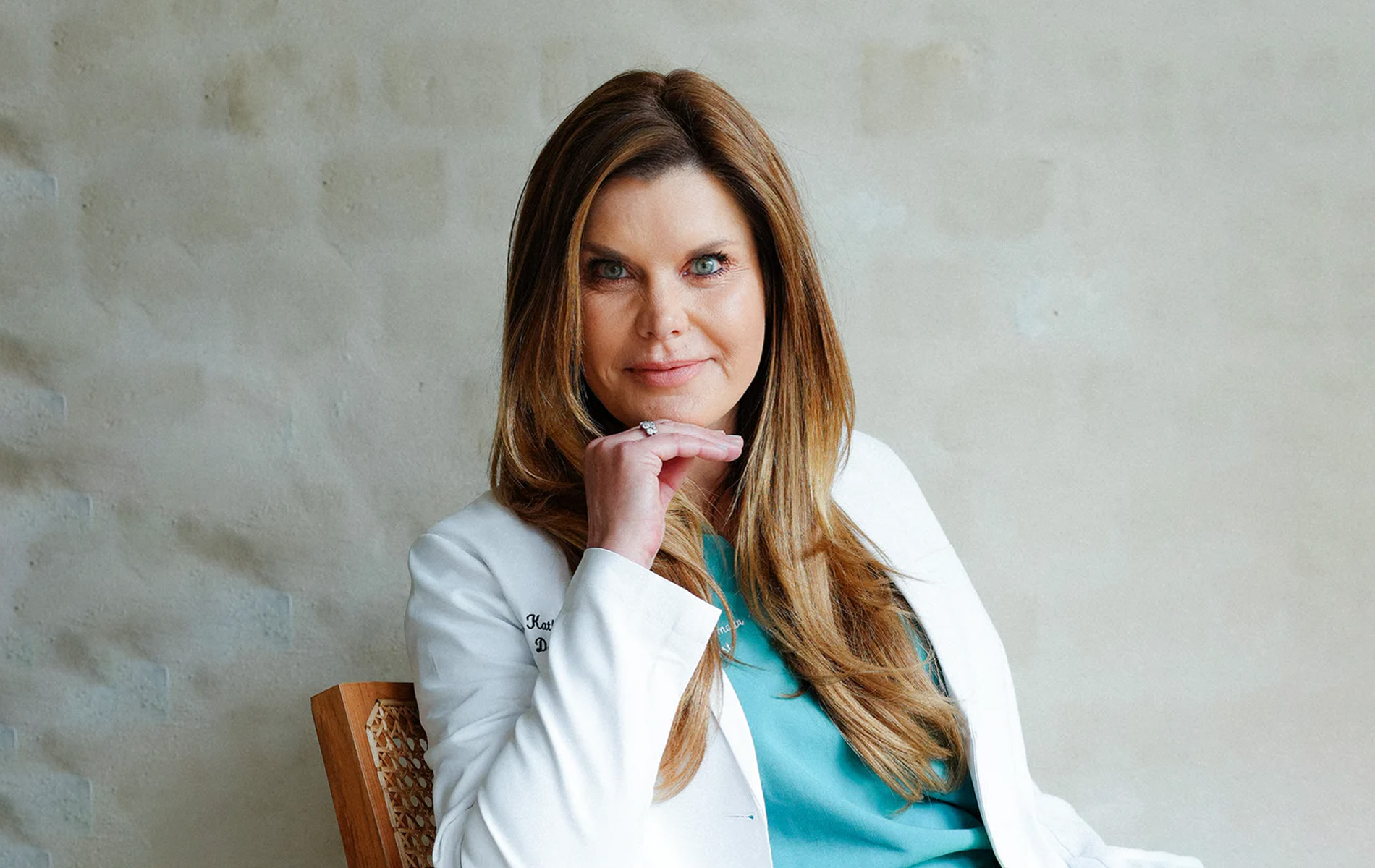


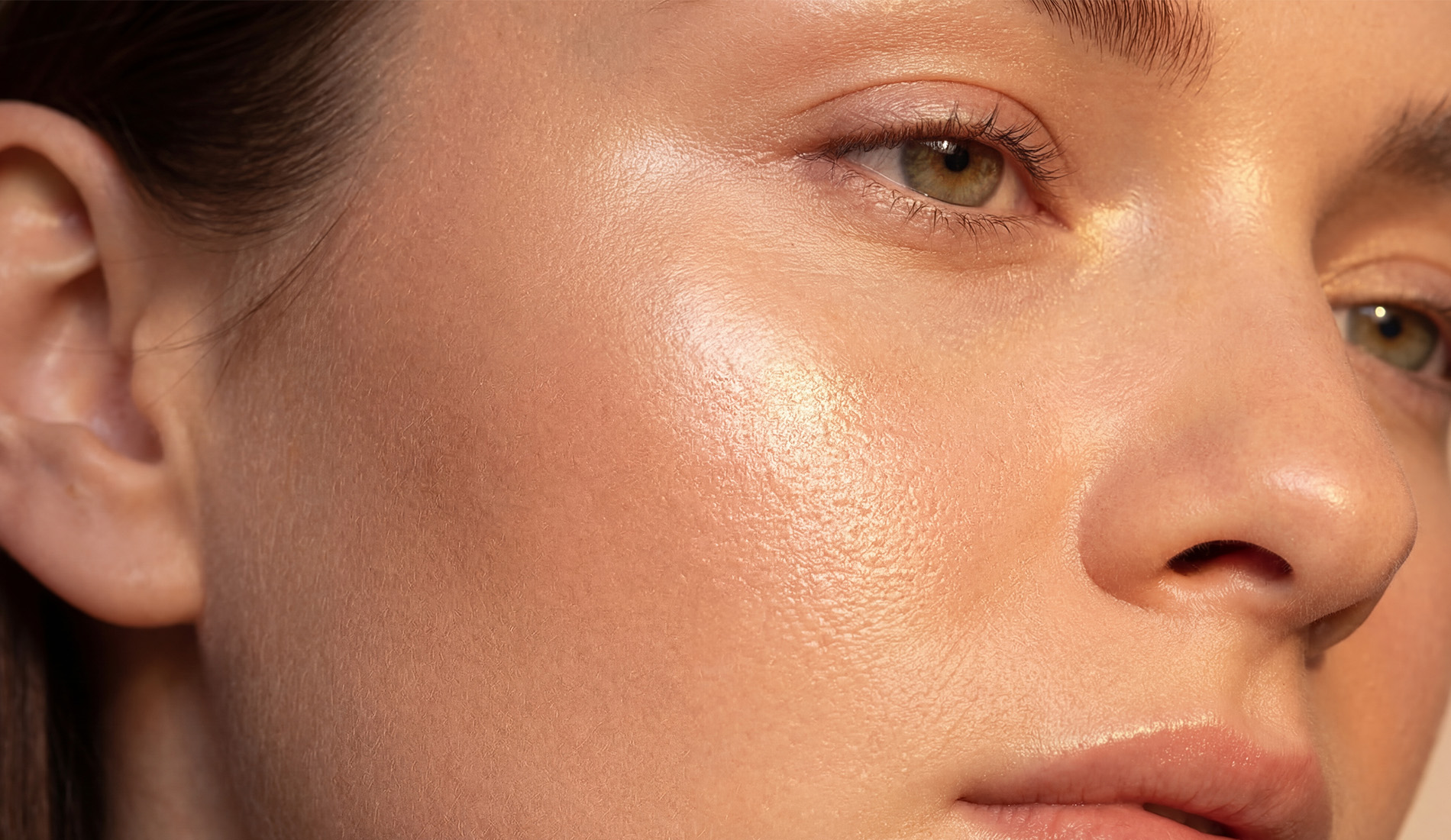
As the beauty conversation shifts from chasing youth to supporting long-term skin health, dermatologist Dr Katherine Armour is helping redefine how we care for our skin—focusing on resilience, prevention and simplicity in an increasingly complex skincare world.
The conversation around skincare is shifting. Rather than focusing on reversing the visible signs of ageing, there is growing interest in supporting the long-term health and function of the skin—an approach often referred to as skin longevity. It’s a movement grounded in science, prevention and personalised care, and one that reflects a broader understanding of skin as an essential organ closely connected to overall health and wellbeing.
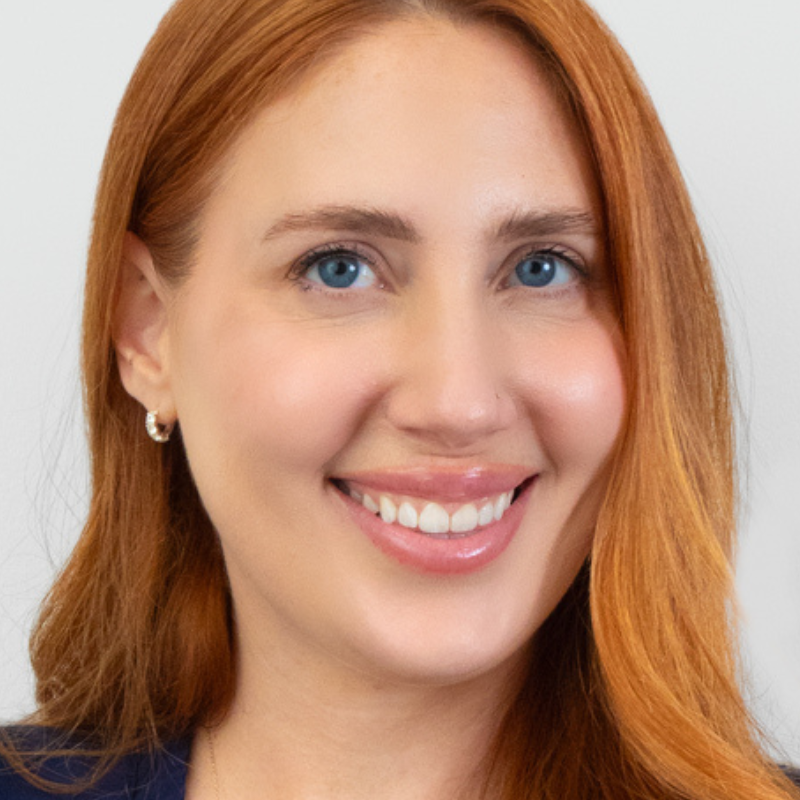
Dermatologist Dr Katherine Armour, Founder of Bespoke Skin Technology, has spent more then 18 years working at the intersection of clinical dermatology and cosmetic science. Her experience in practice revealed a common theme—many people felt overwhelmed by complicated routines, yet still struggled to achieve lasting results. That insight led to the creation of her brand, built on a science-led, minimalist philosophy designed to support skin health in a practical and sustainable way.
In this conversation, Dr Armour shares her perspective on the emerging skin longevity movement, the thinking behind her brand, and the everyday habits that help support strong, resilient skin over time.
What is Skin Longevity?
Skin longevity is an approach to skincare that focuses on maintaining the health, strength and function of the skin over time, rather than simply trying to reverse visible signs of ageing.
Instead of chasing quick fixes, skin longevity emphasises prevention, consistency and supporting the skin at a cellular level. This includes protecting the skin barrier, supporting collagen production, reducing inflammation, and adapting care to suit changing needs across different life stages.
It also recognises that skin health is deeply connected to overall wellbeing. Factors such as sleep, nutrition, stress, hormonal balance and environmental exposure all play a role in how the skin ages and functions.
Ultimately, skin longevity shifts the focus from looking younger to keeping skin healthier for longer—strong, resilient and functioning at its best.
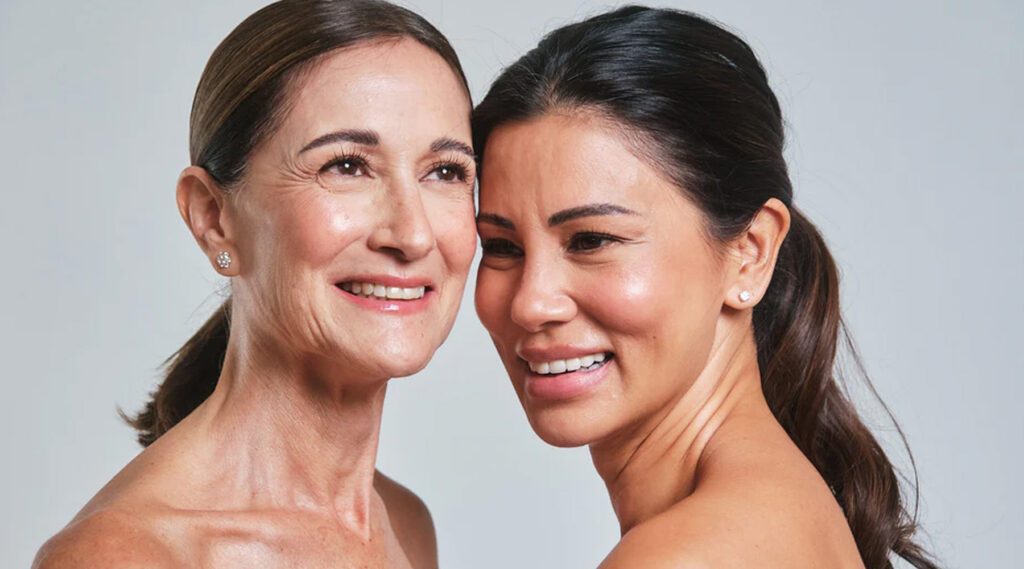
In your view, what is skin longevity, and how does it differ from the traditional “anti-ageing” approach that has dominated the skincare industry for so long?
Skin longevity is the ability of the skin to preserve its structural, functional, and biological integrity over time, through maintenance of cellular homeostasis, and resilience to intrinsic ageing and extrinsic environmental stressors. This leads to sustained cutaneous health and appearance beyond what we would traditionally expect for an individual in a given environment. I think that this differs from our traditional view of “anti-aging” which tends to focus purely on aesthetic parameters, and less on what occurs on a structural, functional and molecular level with time. Improving longevity of any organ, but, especially, the skin, involves a more holistic approach which involves consideration of DNA repair capacity, barrier function, microbiome diversity, inflammation and the burden of cellular senescence, and addressing as many of these parameters as possible to optimise skin health.
Why do you think the conversation is shifting from correcting visible signs of ageing to supporting the long-term health and function of the skin?
I think that this is largely because we now increasingly understand the molecular, and not just the structural changes that occur in the skin during both intrinsic and extrinsic aging. Longevity in general health has been in the zeitgeist for some time. Researchers such as Furman and his group have elucidated the complex interaction between systemic and skin aging and longevity, giving us more targets to improve skin longevity. Many of the treatments we recommend and undertake daily in our clinical practice already improve skin longevity.
Skin longevity recognises the skin as the body’s largest organ and a reflection of overall health. How closely do you see skin health connected to lifestyle factors such as nutrition, stress, sleep and hormonal changes?
The connection is absolute. All of these factors are relevant to Skinspan and longevity. A high GI diet can exacerbate acne and cause protein glycation in the skin. Stress and poor sleep can increase cortisol levels, leading to acne flares and inflammation, and hence inflammaging in the longterm. Disruption of circadian rhythms can lead to adverse outcome in terms of hair cycling and skin barrier function. There is established evidence that a diet high in antioxidants and polyphenols, such as the Mediterranean diet, can benefit systemic longevity, and possibly skin health. Hormonal changes are highly relevant in terms of skin health, with particular changes seen in adolescence with increased oilness of the skin and onset of acne. Decreasing oestrogen post menopause leads to thinning of the dermis, barrier dysfunction, and dryness due to decreased oil production. The relative imbalance in androgens and oestrogen in perimenopause often leads to acne breakouts in this time of life.
What inspired you to create Bespoke Skin Technology, and what gaps did you see in the market that you felt needed to be addressed?
My amazing patients inspired me to create Bespoke Skin Technology. I heard so many woman wanting multitasking products so that they could save time, money and space in their bathroom from traditional multistep skincare routines. The main gap was “a product that did everything” in terms of skin health. We have filled that, at Bespoke. The other gap I appreciated was clinically efficacious products that effectively targeted sun damage, melasma, dullness and fine lines, but could still be tolerated when our skin is sensitive, and the barrier is less robust that in our 20s and 30s. I do love retinoids. But, this is why I’ve used bakuchiol instead of a retinoid and astaxanthin, instead of vitamin C, in the Dream Cream and Luminosity serum – our results speak for themselves.
Your brand embraces a minimalist, science-led approach. Why do you believe simplifying skincare routines can actually improve results and support healthier skin over time?
A simplified skincare routine makes consistency far more achievable. And, results are all about consistency. We don’t necessarily need to change our skincare with each decade (particularly after our teens).
While layering skincare isn’t inherently a negative thing, with every extra skincare product we apply during our routine, the more preservatives and fragrances we potentially expose our skin to. This increases the chance of unwanted outcomes such as periorificial dermatitis and contact dermatitis. The more layers we apply, the greater the chance that the ingredients in our many layers of products won’t “play” well together, or may neutralise each other.
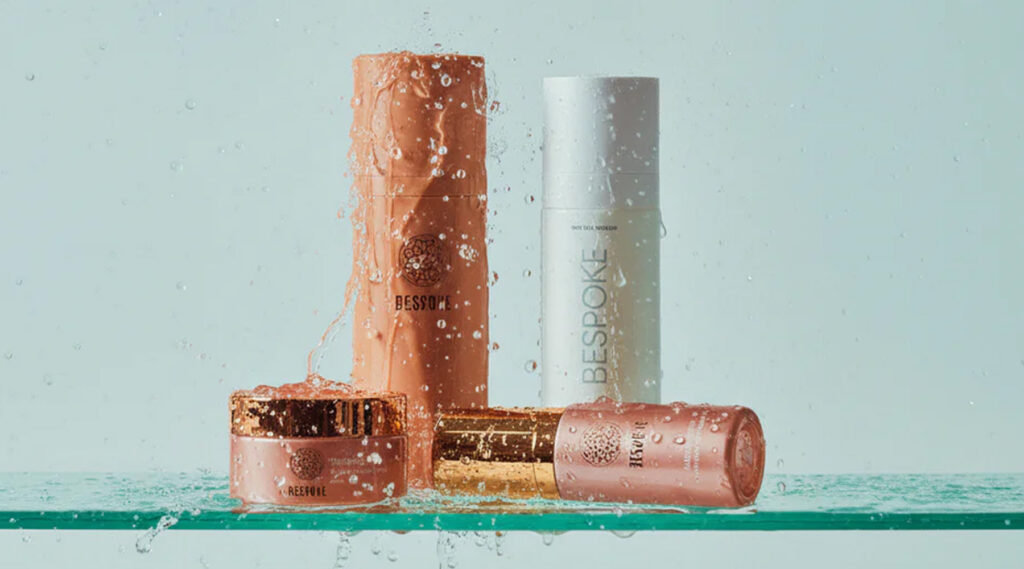
Your formulations are particularly supportive for women navigating perimenopause and menopause. What are some of the most common skin changes you see during this stage, and how can women better support their skin through it?
Perimenopause and menopause drive a plethora of skin changes primarily mediated by declining estrogen, relative androgen excess, and cumulative extrinsic aging. Such a lovely combination!
As our oestrogen declines (in a haphazard way) through perimenopause, we often see a relative imbalance between androgens and oestrogen, which leads to acne. Yes? Wrinkles and pimples!
Our skin becomes thinner and more fragile due to decreasing oestrogen which manifests with decreased collagen production, and deterioration in the integrity of dermal plumping fibres such as elastin and glycosaminoglycans. This also contributes to skin laxity.
Less oestrogen also means impaired barrier function and less oil production, contributing to the significant dryness often noted in menopause.
To support our skin in this turbulent time, it is really important to continue careful sun protection and use of antioxidants to mitigate the effects of UV radiation and pollution. We can also benefit at this time by enhancing collagen production with ingredients that are effective, but respect the skin barrier. This is where niacinamide, astaxanthin, peptides and bakuchiol become really good options.
Seeing your skin health professional at this time can also be really beneficial to discuss procedures such as laser, energy-based devices and biostimulator injectables to enhance both the appearance and health of the skin – true longevity support.
Preventative care is becoming a cornerstone of skin longevity. At what age should people begin thinking about long-term skin health, and what should their focus be at different life stages?
It’s never too young to be thinking about long-term skin health. Severe sunburns in childhood are a risk factor for the later development of melanoma. DNA protection via the use of sun protection and antioxidants, and barrier protection should be part of our routine from early adulthood. There are no strict rules here. But, generally speaking, the addition of more ingredients to stimulate the production of dermal plumping fibres such as collagen are useful from our 30s onwards. Think peptides, retinoids, bakuchiol, AHAs, niacinamide, astaxanthin and vitamin C. If skin becomes more sensitive towards menopause, you may alter which retinoids you use, or swap retinoids for bakuchiol. However, across the decades, the principles really stay the same. From our 40s onwards (or earlier depending on external factors such as sun damage), Skinspan and longevity can be improved by the use of laser, energy-based devives, and injectables.
Many people feel overwhelmed by the number of products and trends available. How can consumers make more informed choices when it comes to skincare?
Firstly, try and stick to general principles, rather than buying into every trend on social media. Trends come and go, and vary in terms of efficacy, but the principles of protect the skin barrier and DNA, and stimulate collagen production remain true as trends come and go. If in doubt, get some advice from your skin health professional before spending big on skin care or treatments. You’ll definitely save funds in the longterm, and obtain better results. Remember that what one influencer recommends may not be relevant for you as your skin may be completely different to yours.
If you could share five essential tips for maintaining healthy, resilient skin over the longterm, what would they be?
- Sun protection is the be-all and end-all. If we aren’t doing this properly, every other measure you take to improve your skin health and longevity will be compromised.
- Your mum told you not to sleep in your make up, and she’s right. If we leave sebum, sweat, make up and sunscreen from the day on our skin overnight, not only will we develop congestion, but, the pollution we encounter during the day will be trapped on our skin overnight, and will contribute to inflammation. This will exacerbate any underlying skin conditions that we have (acne, eczema, rosacea, psoriasis) and cause inflammaging. It’s also crucial to remove mascara overnight, as, leaving it on our lashes can block the Meibomian glands around our lashes and cause blepharitis.
- Less is more when it comes to skincare. Choose the ingredients which meet your skincare needs using as few products as possible. This will promote consistency, and contribute to long-term results.
- Barrier integrity is everything. Avoid harsh physical exfoliants and foaming cleansers which disrupt the skin barrier, and nourish the skin barrier at least twice daily with emollients rich in ceramides, glycerol, hyaluronic acid, and occlusives such as petrolatum if needed. Protecting the skin barrier also fosters a thriving skin microbiome, which is crucial for skin and systemic longevity.
- If you’re confused, or struggling with a skin condition, get some advice from your GP, dermatologist, dermatology nurse practitioner, dermal clinician or aesthetic physician. They can help guide you, and allow you to “love the skin that you’re in.”
Looking ahead, what do you believe will define the next era of skincare as longevity science continues to evolve?
Undoubtedly senotherapeutics and molecular analysis of an individual’s skin to drive personalised skincare – likely driven by AI!
The post Interview with Dr Katherine Armour – Bespoke Skin Technology appeared first on Spa & Wellness.
What's Your Reaction?
 Like
0
Like
0
 Dislike
0
Dislike
0
 Agree
0
Agree
0
 Disagree
0
Disagree
0
 Excellent
0
Excellent
0
 Useful
0
Useful
0
 Great
0
Great
0