




















































The Best Vitamin B12 Foods: Animal Sources, Fortified Foods, and Vegan Options


Written and medically reviewed by Colleen Renee, MSN, APRN, FNP-C
Board-Certified Family Nurse Practitioner / June 3, 2026
When patients ask me about vitamin B12, one of the first questions I usually hear is:
“Can I just get enough B12 from food?”
And my answer is: sometimes, yes.
Food is a wonderful place to start. I love a food-first approach when it makes sense.
But vitamin B12 is a little different from many other nutrients because reliable food sources are more limited — especially if you are vegan, vegetarian, over 50, or dealing with absorption concerns.
B12 is naturally found mostly in animal foods. It can also be added to fortified foods and taken as a supplement.
That means the best B12 food sources depend a lot on how you eat, how old you are, and how well your body absorbs B12.
And that last part matters more than many people realize.
Because with B12, it is not just about how much you eat.
It is also about how much your body can actually absorb and use.
Let’s walk through the best vitamin B12 foods, including animal sources, fortified foods, and vegan-friendly options — plus when food alone may not be enough.
Why Vitamin B12 Matters So Much
Before we talk about food, let’s quickly talk about why B12 is so important.
Vitamin B12 is an essential nutrient your body needs for several major functions.
It helps support:
- Healthy red blood cell formation
- Brain and nervous system function
- DNA production
- Normal energy metabolism
- Nerve health
- Memory and mental clarity
- Mood and overall vitality
This is why I do not love when people call B12 only an “energy vitamin.”
Yes, B12 helps your body with energy metabolism.
But it also supports your brain, nerves, blood cells, and healthy aging.
When B12 levels get too low, some people may experience symptoms like fatigue, weakness, brain fog, mood changes, memory changes, numbness, tingling, balance problems, dizziness, shortness of breath, or a sore tongue.
Of course, those symptoms can have many causes. If you are dealing with new, ongoing, or concerning symptoms, it is always smart to speak with your healthcare provider and ask whether testing makes sense.
But the big takeaway is simple:
B12 is not optional. Your body needs it.
The question is how to get enough.
How Much Vitamin B12 Do Adults Need?
Most adults need 2.4 micrograms of vitamin B12 per day.
That is a small amount, but it is still incredibly important.
Pregnant and breastfeeding people need a little more. Some people may also need more support depending on their age, diet, medications, digestion, absorption, and lab results.
The tricky thing is that B12 intake and B12 absorption are not always the same.
You might eat foods that contain B12, but if your body has trouble absorbing it, your levels may still suffer.
This is especially important for adults over 50, because the body may have a harder time absorbing food-bound B12 with age.
So while food is important, it is not always the full story.
Animal Foods High in Vitamin B12
Vitamin B12 is naturally found in foods that come from animals.
Some of the best animal-based sources include:
- Clams
- Oysters
- Mussels
- Fish
- Beef liver
- Beef
- Poultry
- Eggs
- Milk
- Yogurt
- Cheese
- Other dairy products
For someone who eats animal foods regularly and absorbs B12 well, these foods can help support healthy B12 levels.
But I want to add an important note here:
Just because a food contains B12 does not mean every person eating that food is automatically getting enough.
Why?
Because B12 from animal foods is attached to protein. Your stomach has to help release it before your body can absorb and use it. If your digestion is not working well, or if stomach acid is low, your body may not absorb food-bound B12 as efficiently.
That is one reason older adults can still have low B12 even if they eat meat, eggs, or dairy.
Shellfish: Some of the Richest B12 Foods
Shellfish are among the richest natural sources of vitamin B12.
Clams, oysters, and mussels are especially high in B12. Small servings can provide far more than the daily requirement.
Of course, shellfish are not part of everyone’s diet. Some people avoid them because of allergies, preferences, cost, access, or dietary restrictions.
But for people who eat seafood, shellfish can be one of the most concentrated B12 food sources.
They also provide other nutrients, such as protein, zinc, iron, and selenium.
Again, though, food source does not solve every situation. If someone has trouble absorbing B12, even high-B12 foods may not be enough on their own.
Fish: A Strong B12 Source With Other Benefits
Fish can also be a very good source of vitamin B12.
Examples include:
- Salmon
- Trout
- Tuna
- Sardines
- Haddock
- Cod
Fish provides B12 along with protein and, in some cases, omega-3 fatty acids.
For people who eat fish, including it regularly can help support B12 intake.
But again, this is not helpful for everyone. Vegans do not eat fish. Some vegetarians do not eat fish. Some people simply dislike seafood. Others may be concerned about mercury, sustainability, or cost.
So while fish can be a strong B12 source, it is not a universal solution.
Meat and Poultry
Meat and poultry can also provide vitamin B12.
Common sources include:
- Beef
- Turkey
- Chicken
- Pork
- Lamb
Beef tends to be higher in B12 than poultry, and organ meats like liver are especially concentrated sources.
However, not everyone wants to eat liver or organ meats. And for some people, increasing meat intake may not align with their health goals, preferences, or dietary pattern.
This is why I like to personalize the conversation.
The best B12 plan is not the same for everyone.
Someone who eats animal foods daily may approach B12 differently than someone who is plant-based, over 50, or dealing with digestion issues.
Eggs and Dairy
Eggs and dairy provide smaller amounts of B12 compared to shellfish or organ meats, but they can still contribute.
Vegetarian-friendly B12 foods may include:
- Eggs
- Milk
- Yogurt
- Cheese
- Cottage cheese
For lacto-ovo vegetarians, these foods can be helpful.
But depending on how much and how often someone eats them, they may not provide enough B12 consistently.
For example, eating a little cheese a few times a week is not the same as intentionally meeting your daily B12 needs.
This is where vegetarians may need to be more mindful.
They may be getting some B12, but “some” may not always be enough — especially if they are also older, have digestive concerns, or experience possible deficiency symptoms.
Vegan Sources of Vitamin B12
This is where I want to be very clear.
Unfortified plant foods are not reliable sources of vitamin B12.
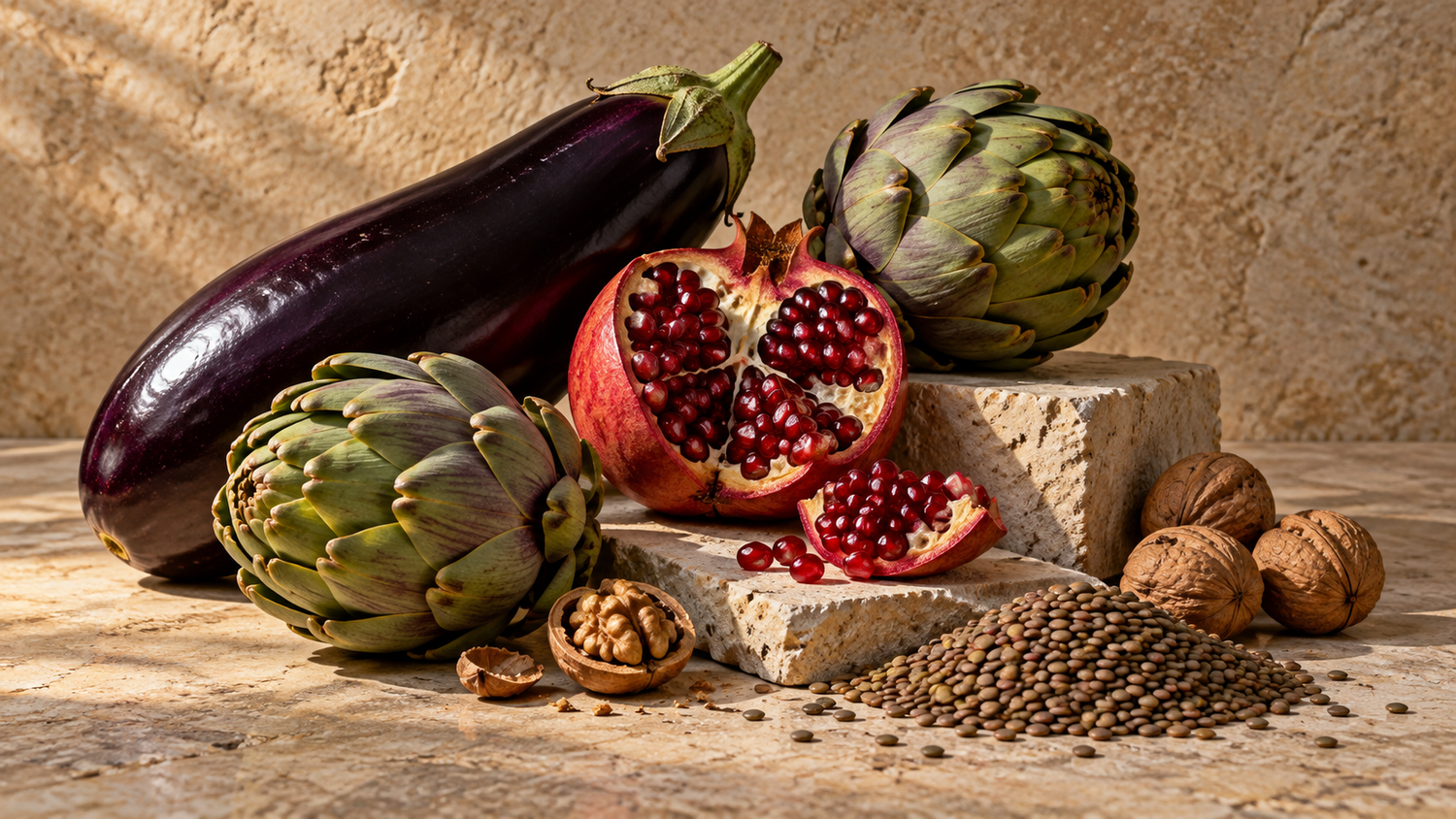
That means fruits, vegetables, beans, lentils, nuts, seeds, grains, and most whole plant foods do not naturally provide dependable B12.
A vegan diet can absolutely be healthy and nutrient-rich.
But B12 needs special planning.
Reliable vegan-friendly B12 sources usually include:
- Fortified nutritional yeast
- Fortified plant milks
- Fortified breakfast cereals
- Fortified meat alternatives
- B12 supplements
The key word is fortified.
That means B12 has been added to the food.
I have seen people make this mistake many times. They assume nutritional yeast, oat milk, almond milk, or cereal contains B12 — but when we check the label, it does not.
So if you are vegan or mostly plant-based, do not assume.
Read the nutrition label and look specifically for vitamin B12.
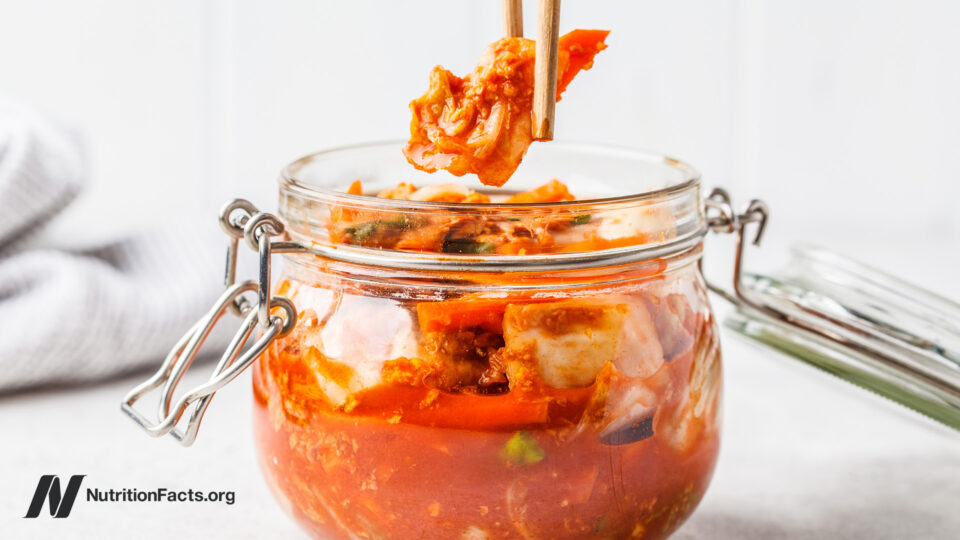
Fortified Nutritional Yeast
Fortified nutritional yeast can be a very useful B12 source for plant-based eaters.
It has a cheesy, savory flavor and can be sprinkled on foods like:
- Popcorn
- Pasta
- Soups
- Salads
- Tofu scrambles
- Roasted vegetables
- Grain bowls
- Vegan sauces
But again, not all nutritional yeast contains B12.
It has to be fortified.
If the label does not list vitamin B12, do not count it as a B12 source.
This is one of those small details that can make a big difference.
Fortified Plant Milks
Fortified plant milks can also help support B12 intake.
Examples may include fortified:
- Soy milk
- Almond milk
- Oat milk
- Pea milk
- Rice milk
- Coconut milk beverages
These can be especially convenient because many people already use plant milk in coffee, smoothies, cereal, oatmeal, or baking.
But labels vary.
Some plant milks contain B12. Others do not.
And even when they do, the amount can differ from brand to brand.
So again: check the label.
If B12 is not listed, that product is not helping your B12 intake.
Fortified Breakfast Cereals
Fortified breakfast cereals can be another easy source of B12.
This can be helpful for both vegans and older adults because fortified B12 is not bound to food protein in the same way naturally occurring B12 is.
That matters because food-bound B12 can be harder to absorb, especially with age.
Fortified cereal may not be the most glamorous food in the world, but it can be practical.
That said, I still recommend reading the full label.
Look at the B12 content, but also consider sugar, fiber, protein, and overall ingredient quality.
A food can be fortified and still not be something you want to rely on every day.
B12 Food Sources: Simple Comparison Guide
Here is a simple way to think about the main B12 food categories:
| Food Type | Contains B12 Naturally? | Best For |
| Shellfish | Yes | People who eat seafood |
| Fish | Yes | People who eat seafood |
| Meat and poultry | Yes | Omnivores |
| Eggs and dairy | Yes | Vegetarians who eat eggs/dairy |
| Fortified nutritional yeast | Added B12 only if fortified | Vegans and vegetarians |
| Fortified plant milks | Added B12 only if fortified | Plant-based eaters |
| Fortified cereals | Added B12 only if fortified | Convenient B12 support |
| Fruits and vegetables | No reliable B12 | Not dependable for B12 |
| Beans, lentils, nuts, seeds | No reliable B12 | Not dependable for B12 |
| B12 supplements | Yes | Higher-risk groups or daily support |
This table makes the main point pretty clear.
If you eat animal foods, you may have several natural B12 sources available.
If you are plant-based, you need fortified foods or supplements.
And if you are over 50 or have absorption concerns, you may need to think beyond food alone.
Why Older Adults May Need Fortified Foods or Supplements
This is a major part of the B12 conversation.
Many older adults eat B12-containing foods and assume their levels must be fine.
But B12 absorption can change with age.
Vitamin B12 from animal foods is bound to protein. Your stomach has to release it before your body can absorb it. As people get older, stomach acid may decline, which can make food-bound B12 harder to absorb.
That is why adults over 50 are often encouraged to get B12 mainly from fortified foods or supplements.
This surprises people, but it makes sense when you understand absorption.
Fortified foods and supplements contain B12 in a form that is not bound to food protein in the same way.
So for many older adults, they may be more reliable sources.
This does not mean everyone over 50 is deficient.
It means B12 deserves more attention after 50, especially if you are dealing with fatigue, brain fog, memory changes, weakness, tingling, numbness, or balance problems.
Can You Get Enough B12 From Food Alone?
Some people can.
If you eat animal foods regularly, absorb B12 well, and do not have major risk factors, food may be enough.
But food alone may not be enough if you are:
- Vegan
- Vegetarian with low egg/dairy intake
- Over 50
- Low in stomach acid
- Dealing with digestive issues
- Taking metformin long-term
- Taking acid-reducing medications long-term
- Diagnosed with pernicious anemia
- Recovering from stomach or intestinal surgery
- Experiencing symptoms of possible deficiency
This is why I always come back to the same point:
B12 is not just about intake. It is about absorption.
You can eat B12-rich foods and still have low levels if your body cannot absorb it well.
And you can follow a very healthy plant-based diet and still need B12 support because unfortified plant foods do not provide reliable B12.
When To Ask About B12 Testing
You may want to ask your healthcare provider about B12 testing if you have symptoms such as:
- Ongoing fatigue
- Weakness
- Brain fog
- Memory changes
- Mood changes
- Tingling in the hands or feet
- Numbness
- Balance problems
- Trouble walking
- Dizziness
- Shortness of breath
- Heart palpitations
- A sore or swollen tongue
These symptoms do not automatically mean you are low in B12.
But they are worth discussing, especially if you are also over 50, vegan, vegetarian, taking certain medications, or dealing with digestive issues.
Please do not guess your way through neurological symptoms like numbness, tingling, balance problems, confusion, or trouble walking.
Those deserve medical attention.
Where Supplements Fit In
Food is important.
But supplements can be very helpful when food is not enough or absorption is a concern.
A B12 supplement may be worth considering if you are:
- Over 50
- Vegan or vegetarian
- Low in B12-rich foods
- Concerned about absorption
- Looking for daily brain and nerve support
- Wanting a simple way to support healthy B12 levels
This is where Purality Health’s Micelle Liposomal Vitamin B12 fits beautifully.
It uses methylcobalamin, a popular active form of B12, and comes in an easy liquid format. It also features micelle liposomal delivery designed with absorption in mind.
That matters because with B12, the goal is not just taking it.
The goal is helping your body use it.
How To Build a B12-Smart Diet
Here is a simple way to approach B12 based on your eating pattern.
If you eat animal foods, include reliable B12 sources regularly, such as fish, eggs, dairy, poultry, or meat.
If you are vegetarian, pay attention to eggs, dairy, and fortified foods. Do not assume small amounts are enough.
If you are vegan, use fortified foods or a supplement consistently. Do not rely on unfortified plant foods.
If you are over 50, consider fortified foods or supplements even if you eat animal foods.
If you have digestive issues or take certain medications, ask your provider whether B12 testing makes sense.
And if you have symptoms, especially nerve or balance symptoms, get medical guidance.
That is the practical, balanced approach.
Final Thoughts
Vitamin B12 is essential for your brain, nerves, red blood cells, DNA production, energy metabolism, and overall vitality.
But getting enough depends on more than just eating a “healthy diet.”
The best natural sources of B12 are animal foods like shellfish, fish, meat, eggs, milk, yogurt, and cheese.
For vegans and many vegetarians, reliable B12 usually comes from fortified foods or supplements.
And for adults over 50, fortified foods and supplements may be especially important because food-bound B12 can become harder to absorb with age.
So yes, food matters.
But with B12, absorption matters too.
If you are tired, foggy, weak, tingly, forgetful, or simply concerned about your B12 intake, talk with your healthcare provider and ask whether testing makes sense.
And if you want simple daily support, Purality Health’s Micelle Liposomal Vitamin B12 is designed to help support healthy B12 levels, brain function, nerve health, red blood cell formation, energy metabolism, memory, focus, and overall vitality.
It is easy to take, uses methylcobalamin, and features micelle liposomal delivery designed with absorption in mind.
Because the best B12 plan is not just about what you eat.
It is about what your body can actually use.
The post The Best Vitamin B12 Foods: Animal Sources, Fortified Foods, and Vegan Options appeared first on Purality Health® Liposomal Products.
What's Your Reaction?
 Like
0
Like
0
 Dislike
0
Dislike
0
 Agree
0
Agree
0
 Disagree
0
Disagree
0
 Excellent
0
Excellent
0
 Useful
0
Useful
0
 Great
0
Great
0