










































How Much Water Should You Drink on Hot Days


The Short Answer Is: More Than You Think
Most people know they should drink more water when it is hot outside. The harder question is how much more. On a mild day with minimal activity, a general starting point for most adults is somewhere around eight cups of fluid per day. But once temperatures climb and physical activity enters the picture, that number climbs fast.
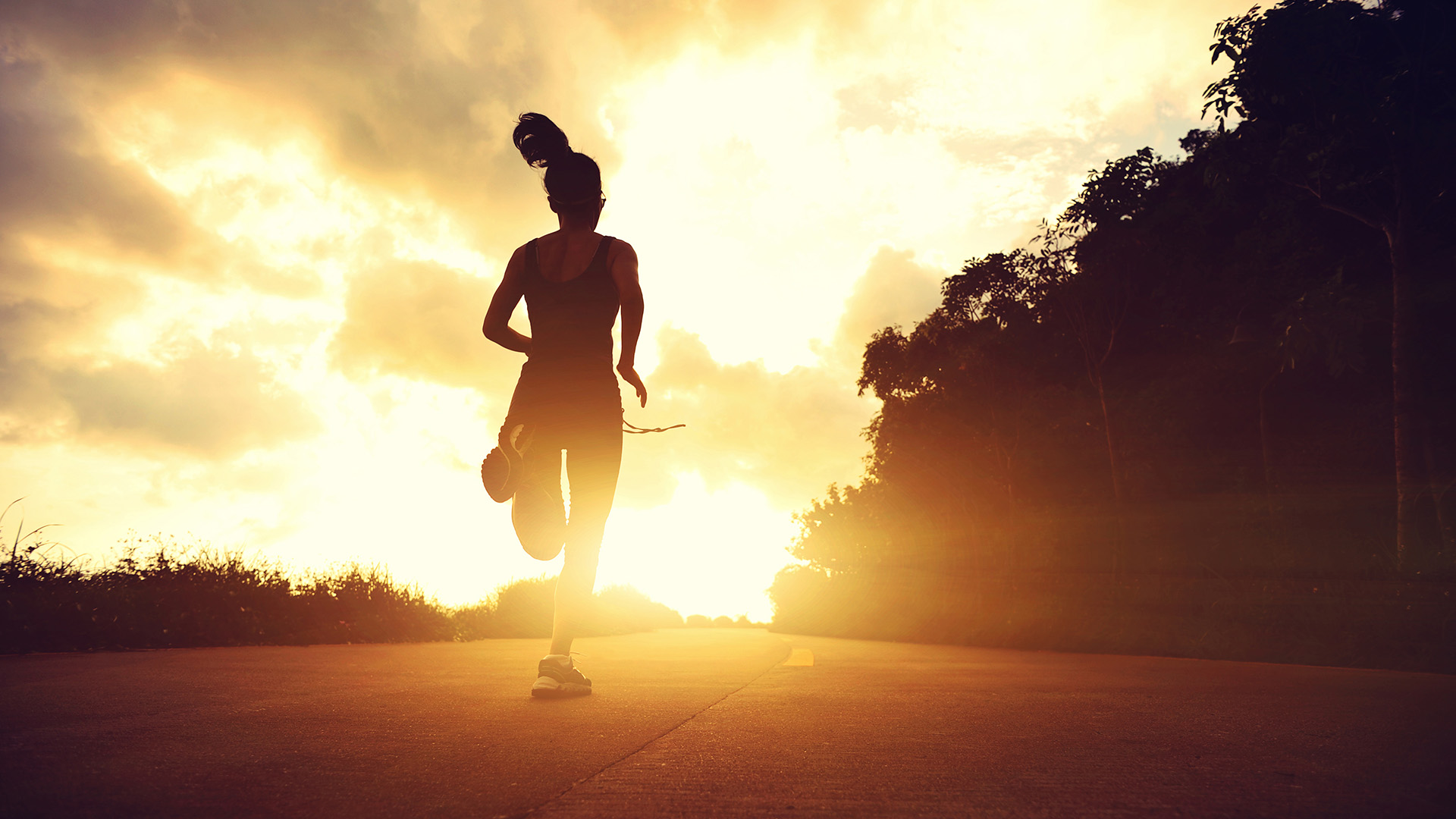
Sweat rates vary widely depending on body size, fitness level, humidity, and how hard you are working. A person doing outdoor labor in summer heat or pushing through a long run on a hot afternoon can lose well over a liter of fluid per hour. Trying to replace all of that with plain water alone is where a lot of people run into trouble.
Why Plain Water Is Not Always Enough
Water is essential, but sweat is not just water. When you sweat, your body loses electrolytes including sodium, potassium, and other minerals that play a direct role in how your muscles function and how efficiently your cells absorb fluid.
When you drink large amounts of plain water without replacing those electrolytes, you can actually dilute the minerals already in your body. The result can be muscle cramps, fatigue, and a feeling of being bloated even though you are still functionally dehydrated. This is one reason why workers in hot environments, athletes, and anyone sweating heavily for extended periods benefit from an electrolyte replacement drink rather than water alone.
If you want to dig into what separates an isotonic drink from plain water, the science behind how fluid absorption actually works is worth understanding before your next hot-weather workout or workday.
Factors That Raise Your Daily Water Needs
There is no single correct number for everyone. How much you need depends on a combination of factors working together. Here are the main ones to consider:
- Temperature and humidity. Higher humidity makes it harder for sweat to evaporate, so your body keeps sweating without the cooling benefit. You lose fluid faster than you may realize.
- Activity intensity. A slow walk and a hard hour of yard work in the sun are completely different situations. Intensity matters as much as duration.
- Body size. Larger bodies generally need more fluid to maintain hydration. A 200-pound construction worker and a 130-pound office worker have very different needs.
- Acclimatization. People who are not used to heat tend to sweat more and lose electrolytes faster when they first encounter high temperatures.
- Age. Older adults often have a reduced sense of thirst, meaning the body's built-in warning system is less reliable.
- Medications and health conditions. Some medications increase fluid loss or interfere with electrolyte balance.
The upshot: use general guidelines as a floor, not a ceiling, and pay close attention to how your body is responding.
Practical Signs You Are Not Drinking Enough
Thirst is a real signal, but by the time you feel thirsty, you are already behind on fluids. These signs are more reliable indicators that you need to drink more:
- Urine that is dark yellow or amber rather than pale yellow
- Headache that develops during or after time in the heat
- Muscle cramps, especially in the legs or hands
- Feeling lightheaded when standing up
- Fatigue that seems disproportionate to the effort you are putting in
- Dry mouth that persists even after drinking water
If you are working outside and notice more than one of these symptoms at the same time, do not wait. Get out of direct sun, drink fluids with electrolytes, and give your body time to recover.
A Note on Outdoor Workers
People who work outdoors in the heat face a specific challenge that recreational athletes do not always deal with: they cannot simply stop when they feel off. The work has to get done, and heat stress can escalate quickly when the warning signs are ignored. Staying ahead of dehydration by drinking on a schedule rather than waiting for thirst is the most practical approach. Hydrating properly for outdoor work requires a slightly different strategy than hydrating for a gym session, and it is worth thinking through before you are hours into a hot shift.
How to Build a Hydration Plan for Hot Days
Rather than trying to calculate exact ounces, most people do better with a simple system they can actually stick to.
Start before the heat hits. Drink a full glass of water or an electrolyte mix first thing in the morning, before you head outside or begin your workout. Starting well-hydrated is much easier than playing catch-up once you are already sweating.
Drink on a schedule. Set a reminder to drink every 15 to 20 minutes during prolonged activity in the heat, even if you do not feel thirsty yet. A single-serving stick pack mixed into 16 ounces of water is a practical way to make sure you are replacing electrolytes along the way, not just water.
Include electrolytes during extended activity. If you are going to be active or working in the heat for more than 45 minutes to an hour, plain water is not going to cut it on its own. An isotonic formula designed for fast absorption will help your body actually use the fluid you are taking in.
Pay attention to recovery. Hydration does not stop when activity does. Continue drinking after you come in from the heat, and include electrolytes in your post-activity fluids as well. Muscle cramps that show up hours after a hot day of work are often a sign that recovery hydration was not taken seriously.
Eat water-rich foods. Fruits and vegetables with high water content can contribute meaningfully to your overall fluid intake and often contain natural minerals that support electrolyte balance.
Choosing the Right Electrolyte Drink for Hot Weather
Not every electrolyte product on the market is worth reaching for. Many are loaded with artificial colors, artificial sweeteners, and additives that have nothing to do with hydration. If you are someone who cares about what goes into your body, that stuff is worth avoiding.
Vitalyte has been trusted for over 50 years as a clean, straightforward option. The formula is isotonic, meaning it is designed for fast absorption to replenish fluids and electrolytes efficiently. Every product is made with natural ingredients, contains no artificial colors, flavors, or sweeteners, and is gluten-free with no additives and no caffeine. The single-serving on-the-go stick packs are easy to carry whether you are heading to a job site, a trail, or a gym, and the resealable stand-up pouches are a practical choice for keeping at home or in the truck.
With seven natural flavors to choose from, including Cool Citrus, Watermelon, Lemon, Fruit Punch, Orange, Grape, and Cranberry, there is no reason to dread your hydration routine.
Stay Ahead of the Heat
Hot days are not the time to wing your hydration. Figure out your needs based on your activity level and environment, drink before you feel thirsty, and make sure you are replacing electrolytes along with fluids. Your performance, recovery, and overall wellbeing on hot days depend on getting this right.
If you are ready to stop guessing and start hydrating properly, explore Vitalyte's lineup of electrolyte drink mixes. Pure hydration. No nonsense. Dehydration doesn't stand a chance.
What's Your Reaction?
 Like
0
Like
0
 Dislike
0
Dislike
0
 Agree
0
Agree
0
 Disagree
0
Disagree
0
 Excellent
0
Excellent
0
 Useful
0
Useful
0
 Great
0
Great
0