






























































Interview with Dr. Eddy Perez
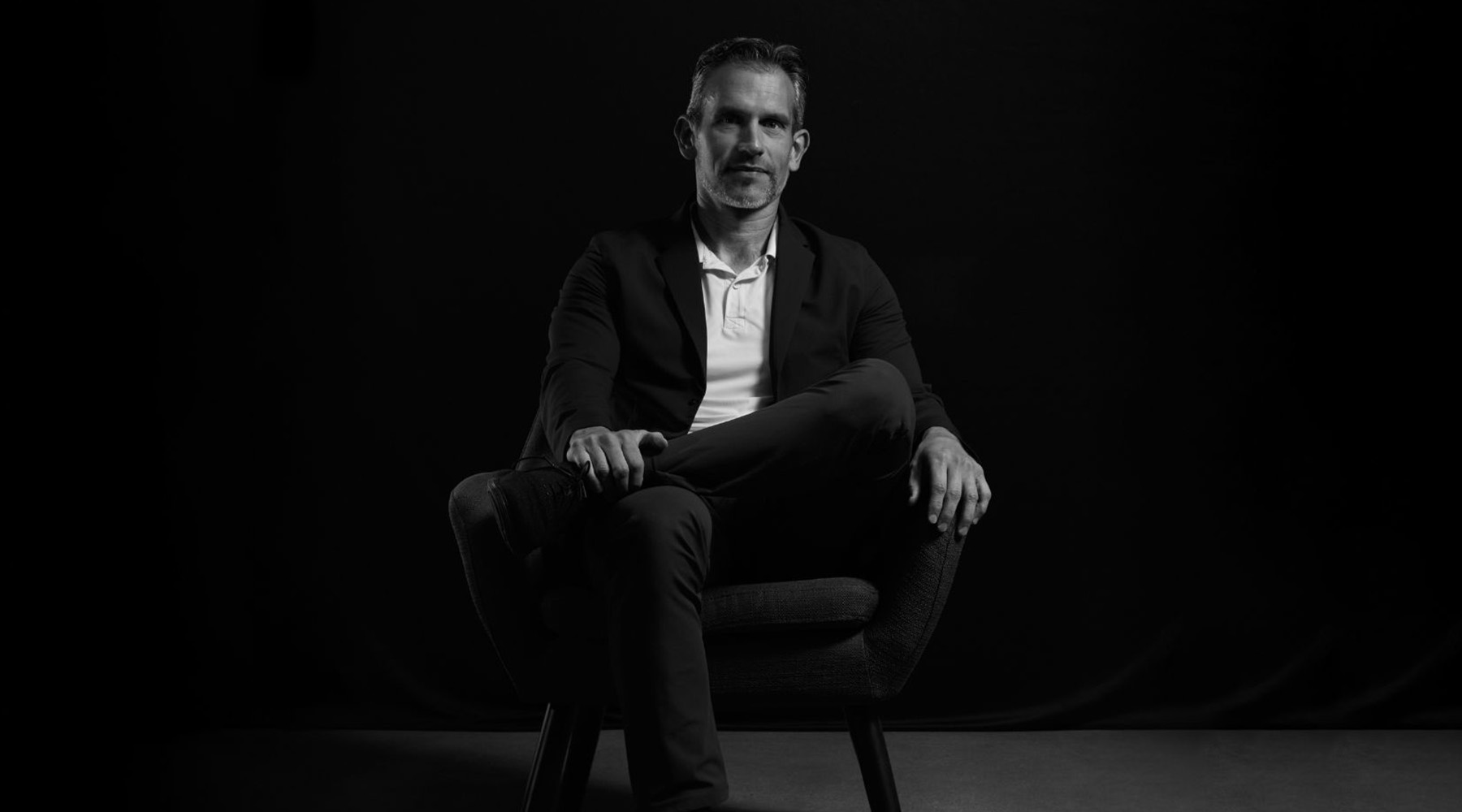


In a world where skincare trends move quickly and marketing claims often outpace science, voices grounded in research are more important than ever.
With more than two decades of experience in biotechnology, dermatology and ingredient development, Dr Eddy Perez has spent his career at the intersection of science and skin health—guiding innovations from early laboratory discovery through to the products that ultimately reach consumers.
As Chief Scientific Officer at Signum Biosciences, Dr Perez has worked across pharmaceutical, cosmetic and nutraceutical fields, collaborating with companies around the world to identify promising compounds, develop new technologies and translate complex science into practical solutions. His work sits at the heart of some of today’s most advanced dermatological developments, offering a rare window into how the future of skincare is truly being shaped.
In this conversation, we explore the science behind innovation, unpack common misconceptions around “clean” skincare, and look at the emerging ingredients and technologies that may redefine how we care for our skin in the years ahead.
Interview Questions
1. You’ve spent more than two decades taking ingredients from the lab bench to the retail shelf. What excites you most about where skincare science is heading right now—and what innovations do you believe will genuinely change outcomes for consumers?
For a long time, the industry focused on what skin looks like—hydration, lines, pigmentation—but now we’re getting much better at understanding and modulating the underlying biological pathways that actually drive those outcomes. We’re moving beyond “big hammer” ingredients (like acids or even retinoids to some extent) toward more targeted, pathway-specific molecules. Whether it’s modulating inflammatory signaling or cellular stress responses, the companies that are on the cutting edge in the space are developing the next generation of actives to address what exactly is needed—without collateral damage to skin barrier or microbiome. That precision is what will improve both efficacy and tolerability.
2. There’s ongoing debate around “clean” skincare and whether it can be as effective as more traditional formulations. From a scientific perspective, is that concern valid—or is it a misconception that needs reframing?
It’s largely a misconception—and it stems from how loosely the term “clean” is defined. Putting aside all the marketing, “clean” fundamentally means an ingredient and its formulation is non-toxic/safe. So, be it “clean” ingredients + formulations or more traditional formulations if they are well-designed, evidence-based, and interact with skin biology in a precise and reliable way then they will deliver benefits to the skin.
3. You’ve worked with a wide range of botanical extracts and novel compounds. Are there particular ingredients or categories emerging right now that you believe show the most promise for skin health and longevity?
What’s most promising is we’re starting to see a shift to functional classes of molecules that can influence multiple aspects of skin biology at once. 3 categories that stand out would be: 1) bioactive lipid molecules 2) microbiome-directed ingredients that are selective for “bad” bugs 3) stress and longevity pathway modulators
4. Many consumers are overwhelmed by product choice and marketing claims. When evaluating a skincare product, what are the key signals that tell you a formulation is truly evidence-based rather than just well marketed?
Clear mechanism, not just ingredients – The product explains how it works biologically, not just a list of trendy actives
Clinically relevant concentrations and form – Actives are used at levels and in forms shown to be effective—not “sprinkled in” to sound good but don’t do much
Formulation coherence – The entire formula makes sense (pH, stability, delivery system), rather than a kitchen sink of popular ingredients that may conflict each other
Human clinical data – Look for human clinical data supported by well-designed in vitro work tied to outcomes on skin—not just ingredient-level claims borrowed from unrelated studies
5. If you had to name one common misconception about skincare that you wish more people understood, what would it be—and how should we be thinking about skin health differently?
A common misconception is that more aggressive or stronger products deliver better results. The reality is, skin responds best to consistent, well-balanced support of its 4 core biological functions—1) barrier function, 2) inflammation control, 3) hydration and 4) microbial balance. The shift should be from “correcting problems quickly” to optimizing how skin functions over time by addressing those 4 core functions. That is what actually drives lasting outcomes.
6. For someone discovering your work or the Signum range for the first time, is there one standout product you consider a ‘must-have’—and what makes it scientifically unique?
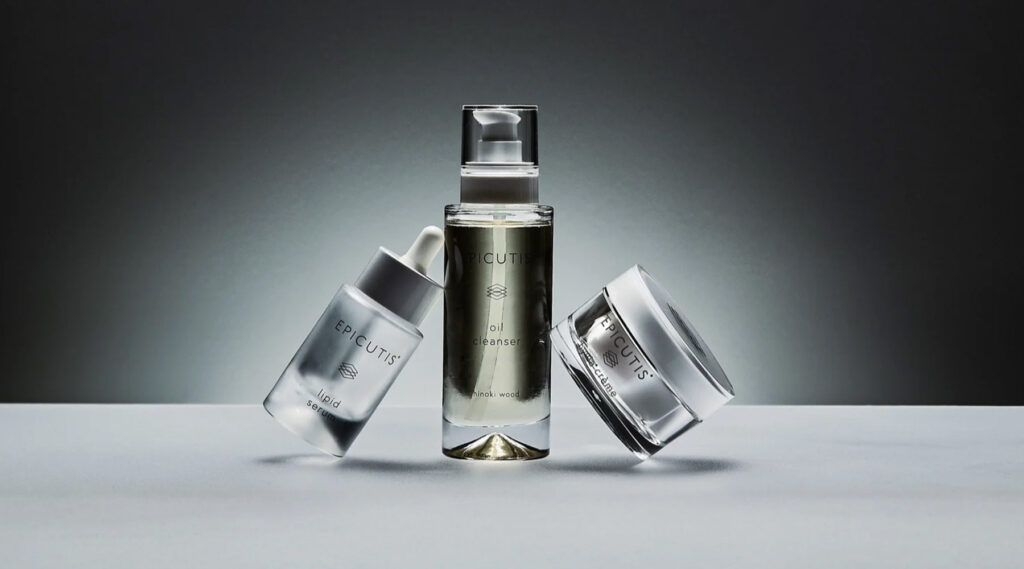
That’s a tough one…If I had to choose one, it would be the Epicutis Lipid Serum, b/c it best represents our ethos – precise, biology-first approach to skincare. It’s built around bioactive lipid technology that targets inflammation at the source while supporting barrier function and overall skin resilience, all within a formula of just eight ingredients. Rather than a long list of actives, we use a highly refined, multifunctional molecule called TSC to deliver meaningful results without disrupting the skin.

7. We’re hearing more about the role of inflammation in ageing and skin disease. How significant is inflammation as a driver of skin ageing, and are we getting better at targeting it with modern formulations?
Inflammation the central driver of skin aging—it accelerates collagen breakdown, disrupts barrier function, and amplifies pigmentation and sensitivity over time. What’s changed is that we now understand aging less as a purely structural issue and more as a chronic, low-grade inflammatory state also known as “inflammaging”. Scientists working with skilled formulators are getting better at targeting this, moving beyond blunt anti-inflammatories that carry side effects (think glucorticoids), to more precise modulation of inflammatory pathways without compromising the skin. That shift is key to improving long-term skin health, not just short-term appearance.
8. Skin is often described as a reflection of internal health. From your perspective, how important is the connection between nutrition, supplementation and topical skincare when it comes to maintaining healthy skin long term?
Skin health is absolutely interconnected with internal health. Nutrition and systemic inflammation set the baseline that topical skincare builds on. Topical formulations can meaningfully improve barrier function, inflammation, and visible outcomes, but they’re working on top of what’s happening internally. The best long-term results come from aligning both: supporting the skin from within while using targeted, well-formulated products to optimize how it functions on the surface. As the saying goes, it takes two to tango.
9. Looking ahead five to ten years, do you think we’ll see a shift toward more personalised skincare—perhaps based on genetics, microbiome testing or individual biomarkers?
Yes—but probably not in the way it’s often marketed today. We’ll see more personalization, but it will be driven less by one-off tests (like we see today with say genetics or microbiome 16S rRNA snapshots) and more by dynamic, functional readouts—things like barrier status, and inflammation levels. Microbiome and biomarker data will become more useful as the scientific literature continues to grow, but the real shift will be toward adaptive skincare that adjusts based on how skin is actually behaving, not just what a test says at one moment in time. So yes, personalization is coming—but it will be less about a “unique formula” for each individual and more about precision products tailored to your skin’s current state and needs.
The post Interview with Dr. Eddy Perez appeared first on Spa & Wellness.
What's Your Reaction?
 Like
0
Like
0
 Dislike
0
Dislike
0
 Agree
0
Agree
0
 Disagree
0
Disagree
0
 Excellent
0
Excellent
0
 Useful
0
Useful
0
 Great
0
Great
0