





























































3 Takeaways from The Conference Board’s 2026 Employee Health Care Conferences


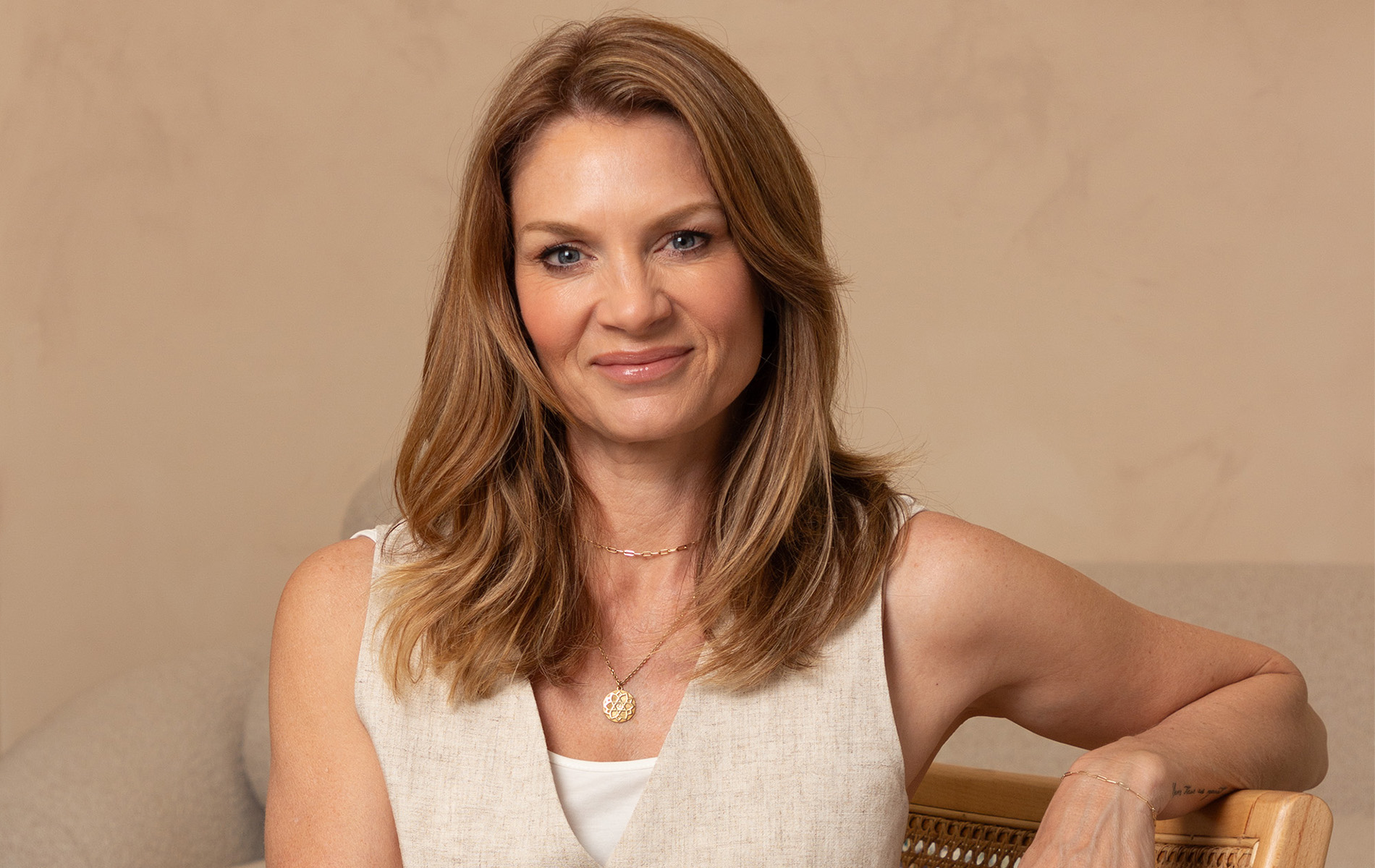
By Julie Stadlbauer, Chief Business Development Officer
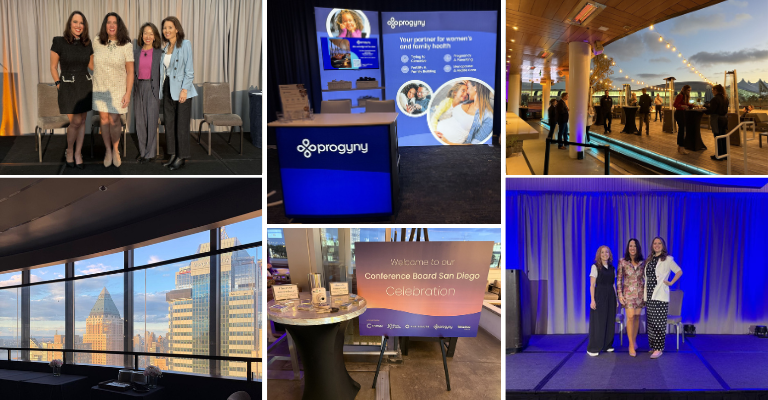
Each year, The Conference Board’s Employee Health Care Conferences bring together a wide range of perspectives from across the employer health landscape. What stood out this year wasn’t just what’s changing, but how quickly expectations are shifting. Across sessions and conversations in New York and San Diego, a few themes came through clearly.
Here are three takeaways that stood out to me.
1. Employers are shifting toward greater accountability
For years, the focus was on adding more. More programs. More vendors. More solutions intended to support an increasingly complex workforce. That approach is evolving.
Employers are still investing, but with a more disciplined lens. The conversation is shifting from adding solutions based on perceived gaps to selecting partners that can demonstrate clear value.
As a result, employers are asking a different set of questions. Not just what else can we offer, but what is actually working? Where are we seeing measurable outcomes? How are we managing total cost of care?
There is growing pressure to ensure that every dollar spent is tied to impact. That means moving beyond utilization as a proxy for success and focusing on clinical outcomes, employee experience, and long-term cost management.
This isn’t about doing less. It’s about doing what works and holding every part of the ecosystem accountable for results.
2. Fragmentation is becoming a liability
Benefits ecosystems have grown increasingly complex. What started as targeted solutions to address specific needs has, in many cases, turned into a fragmented experience for employees and an operational challenge for employers. That fragmentation is no longer sustainable.
Employers are reaching a point where disconnected programs create more friction than value. Employees are left to navigate multiple entry points, inconsistent experiences, and unclear care pathways. The shift now is toward integration.
Organizations are looking for ways to connect data, navigation, and care delivery into a more unified model. One that feels seamless to the employee and is measurable from a business perspective. Because when systems are connected, access improves. Decisions are made earlier. And outcomes follow.
3. AI is only as valuable as the care model it supports
There’s no question that AI is reshaping the conversation, but the most grounded discussions were not about replacing care. They were about improving it.
The real opportunity is in how AI is applied. When used responsibly, it can help identify risk earlier, guide employees to the right care at the right time, and support more personalized decision-making.
At the same time, there was clear recognition that healthcare is deeply human. Moments like navigating fertility, pregnancy, loss, the NICU, or managing chronic conditions require more than technology.
The organizations seeing the most impact are not choosing between technology and human support. They’re combining both. AI can strengthen the system, but it’s the care model around it that ultimately determines the outcome.
What this means moving forward
The throughline across these conversations is a clear shift in mindset. Benefits are no longer being evaluated as a collection of programs. They’re being evaluated as a strategy. One that must balance cost, outcomes, and experience. One that must work across the full employee lifecycle. And one that must stand up to increasing scrutiny from both leadership and the workforce.
What stood out at The Conference Board’s Employee Health Care Conferences this year is how aligned employers are on the need for change. The question now is how quickly organizations move from recognizing these shifts to operationalizing them.
Employers have an opportunity to move beyond fragmented, episodic approaches and build models that are integrated, outcomes-driven, and designed around how people actually experience care.
That shift is not just operational — it’s strategic. For organizations that get it right, the impact is measurable. Better outcomes. More predictable costs. And a workforce that feels supported in moments that matter. That’s where the conversation is going, and where the real opportunity is ahead.
The post 3 Takeaways from The Conference Board’s 2026 Employee Health Care Conferences appeared first on Progyny.
What's Your Reaction?
 Like
0
Like
0
 Dislike
0
Dislike
0
 Agree
0
Agree
0
 Disagree
0
Disagree
0
 Excellent
0
Excellent
0
 Useful
0
Useful
0
 Great
0
Great
0