



































Push for local eggs in Austrian retail
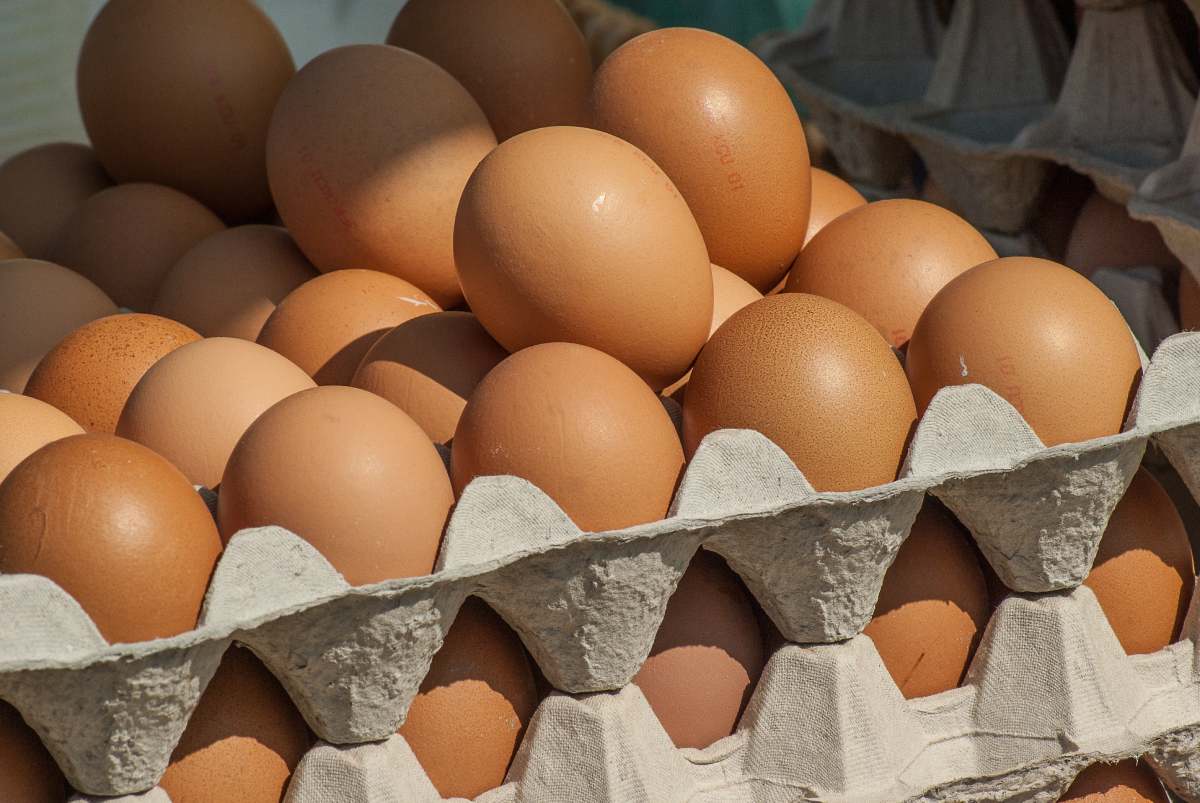
Austrian poultry farmers are strongly opposing the sale of imported eggs in local supermarkets, arguing that Austria already produces enough high-quality eggs to meet domestic demand. With a self-sufficiency rate of 95%, they insist that foreign eggs undermine local investments and the future of young farmers.
Farmers’ concerns
- Criticism of imports: Austrian farmers, particularly the Young Farmers’ Association, have criticized Spar supermarkets for stocking foreign eggs despite sufficient local supply.
- Signal to producers: Viktoria Hutter, a representative of the association, stated that selling imported eggs sends “a completely wrong signal” to domestic producers who have invested heavily in modern facilities and quality standards.
Investments in egg production
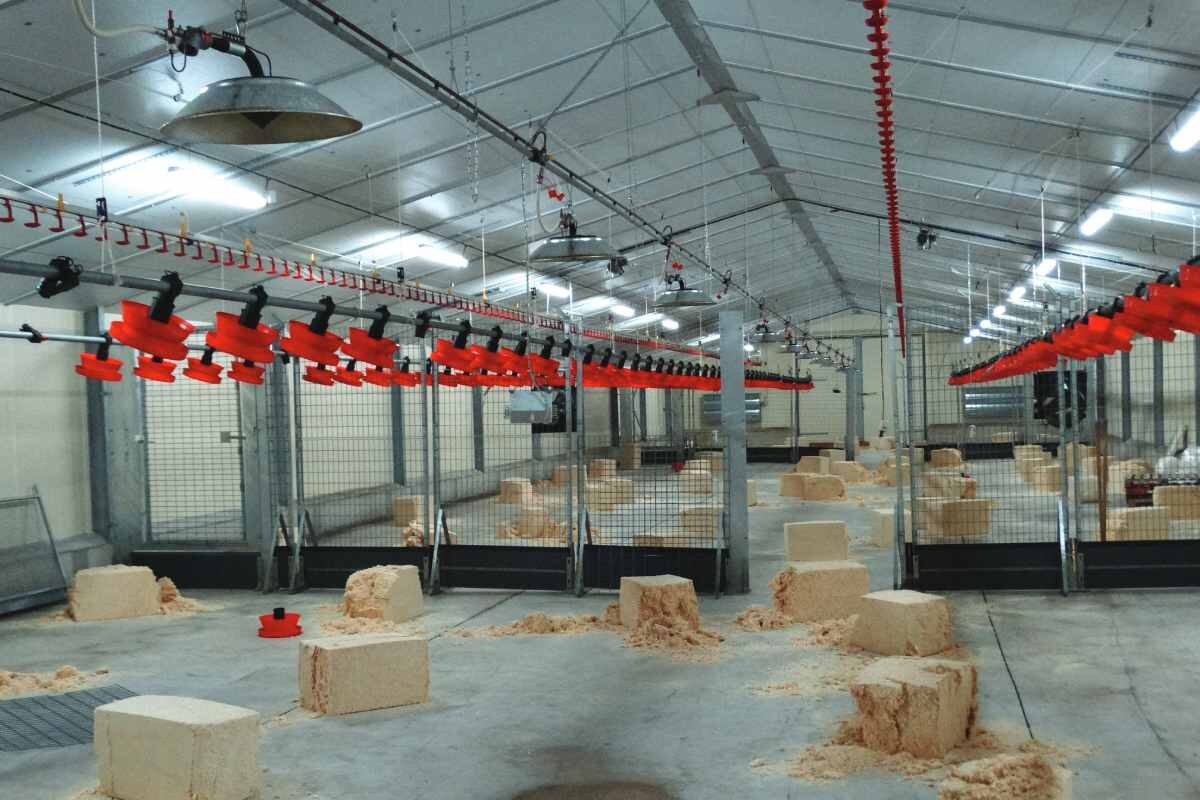
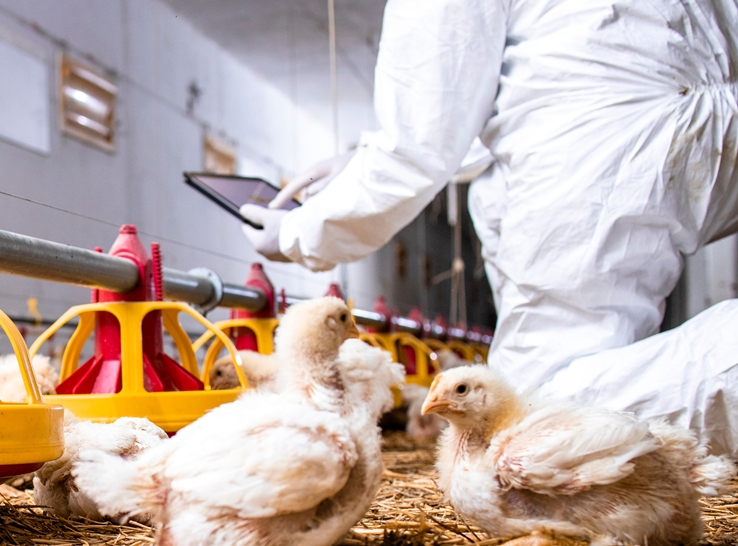
- Modernization: Over recent years, Austrian laying hen farmers have invested in traceability systems, quality control, and modern chicken sheds.
- Trust in retailers: These investments were made under the assumption that Austrian retailers would prioritize local eggs, ensuring stable demand and fair prospects for farmers.
Austria’s egg market overview
Production figures
- 2024 output: Approximately 2.2 billion eggs were produced in Austria.
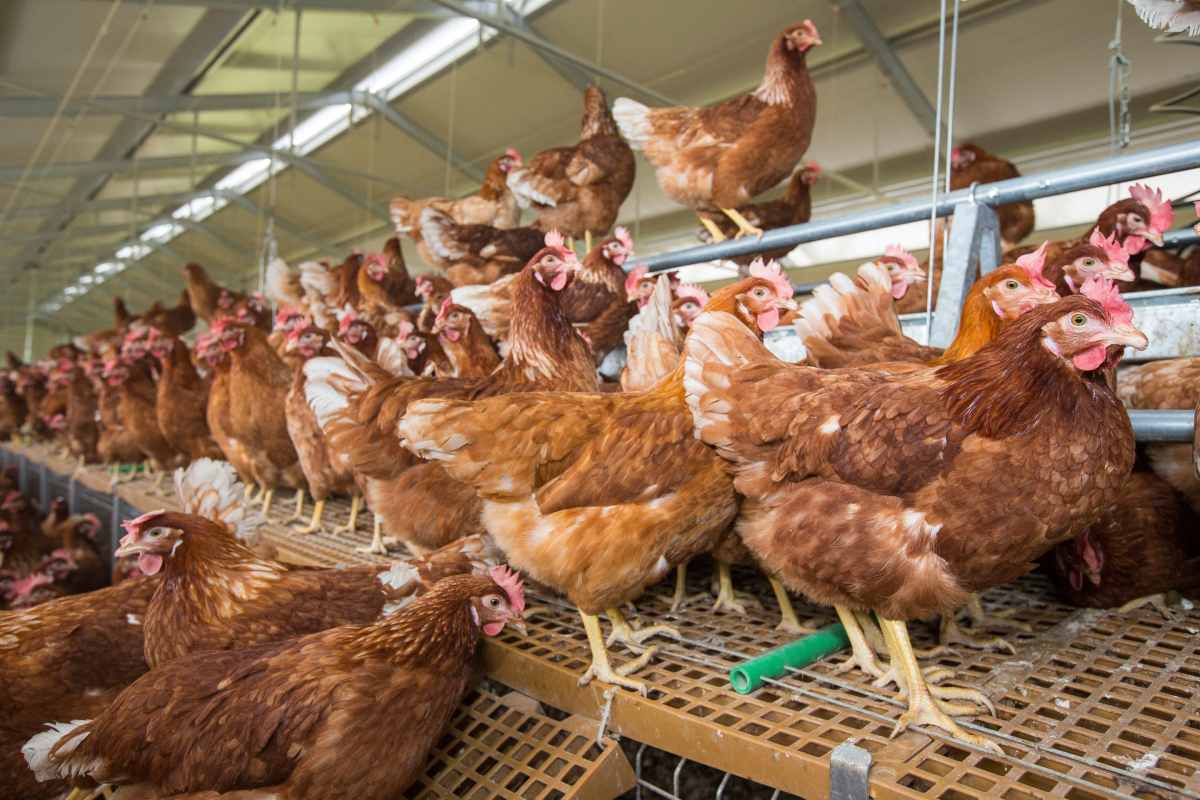
- Housing systems: 56.1% of hens were kept in Barn-reared system, 31.1% in free range system and 12.9% in organic system.
- Self-sufficiency: Austria’s egg self-sufficiency rate stands at 95%, meaning nearly all domestic demand can be met by local production.
Transparency and consumer access
- National database: About 90% of eggs are registered in a voluntary national database, allowing consumers to access production and quality data.
- Consumer trust: This transparency strengthens confidence in Austrian eggs and highlights their competitive advantage over imports.
Implications for farmers and retailers
Farmers’ perspective
- Reliability needed: Young farmers emphasize the importance of planning certainty and long-term trust in retail channels.
- Future prospects: Imported eggs threaten the viability of local farms, especially for younger generations who rely on stable markets to justify long-term investments.
Retailer responsibility
- Market stability: Austrian producer organisations argue that increasing imports could weaken market certainty for domestic egg producers.
- Consumer choice: While imports may offer price competition, they undermine Austria’s strong record in animal welfare, sustainability, and food security.
Conclusion
Austria’s poultry farmers are united in their demand for local eggs to dominate supermarket shelves, citing high self-sufficiency, strong investments in quality, and the need to protect the future of young farmers. The debate underscores a broader tension between global trade practices and local food security, with Austria serving as a case study in balancing consumer choice with agricultural sustainability.
Sources can be provided upon request
Apa Reaksi Anda?
 Suka
0
Suka
0
 Kurang Suka
0
Kurang Suka
0
 Setuju
0
Setuju
0
 Tidak Setuju
0
Tidak Setuju
0
 Bagus
0
Bagus
0
 Berguna
0
Berguna
0
 Hebat
0
Hebat
0